Free written scope consultation - allowances, timeline, and change-order rules on paper before a single trade is scheduled
CertainTeed Home Additions & ADU: The Riverside Owner’s Guide
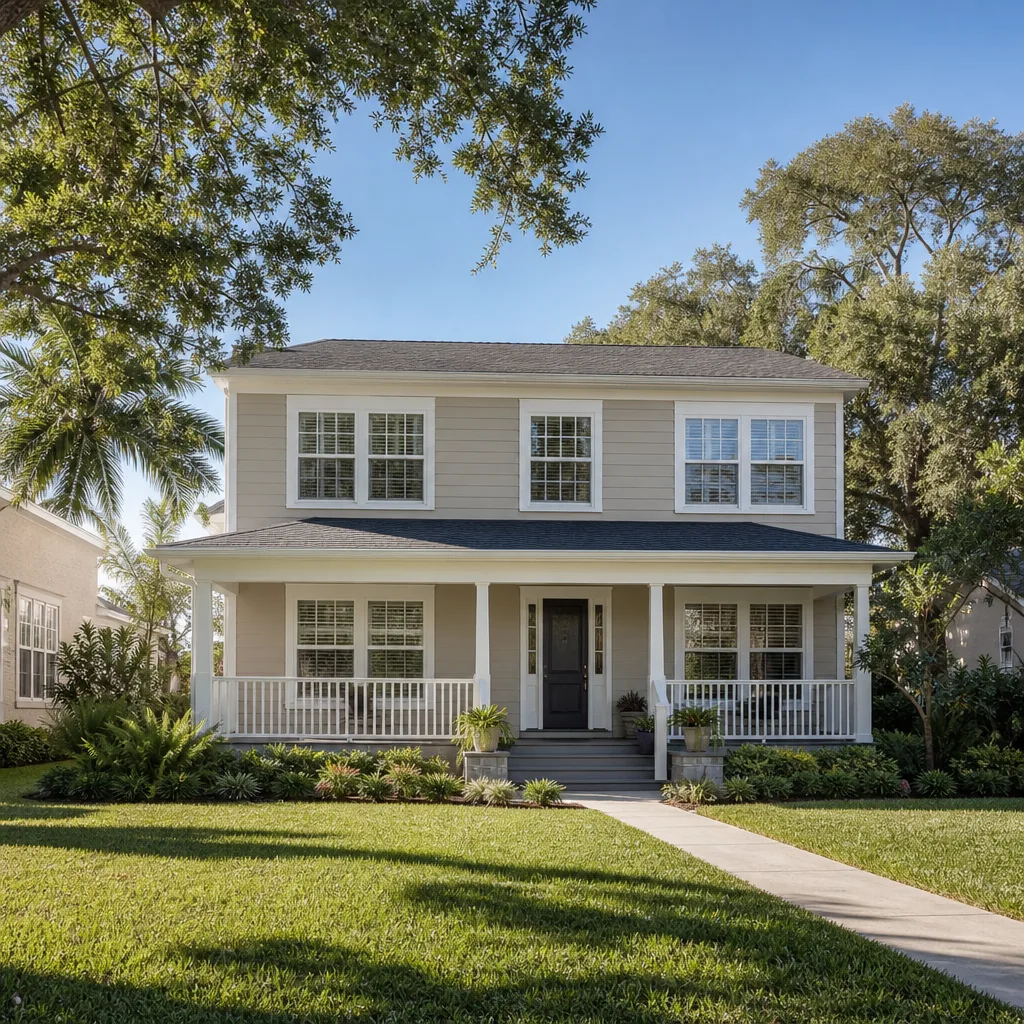
If you’re planning a home addition or ADU in Riverside with CertainTeed building products specified, the installed cost typically runs $45,000 to $130,000 for an addition and $90,000 to $220,000 for a detached ADU, depending on square footage, site prep, and finish level. We stock and install CertainTeed siding, roofing, insulation, and drywall products as part of our framing and envelope packages, and we can match existing CertainTeed materials on your current home when you’re adding on. Most Riverside homeowners discover they need us when a planned addition hits the plan-check stage and they realize their existing siding profile, roof shingle color, or insulation spec has been discontinued or won’t pass current Title 24 energy code without an upgrade. We keep the common CertainTeed lines in our Riverside material schedule and can usually confirm availability and pricing within one business day.
Which CertainTeed Models This Applies To
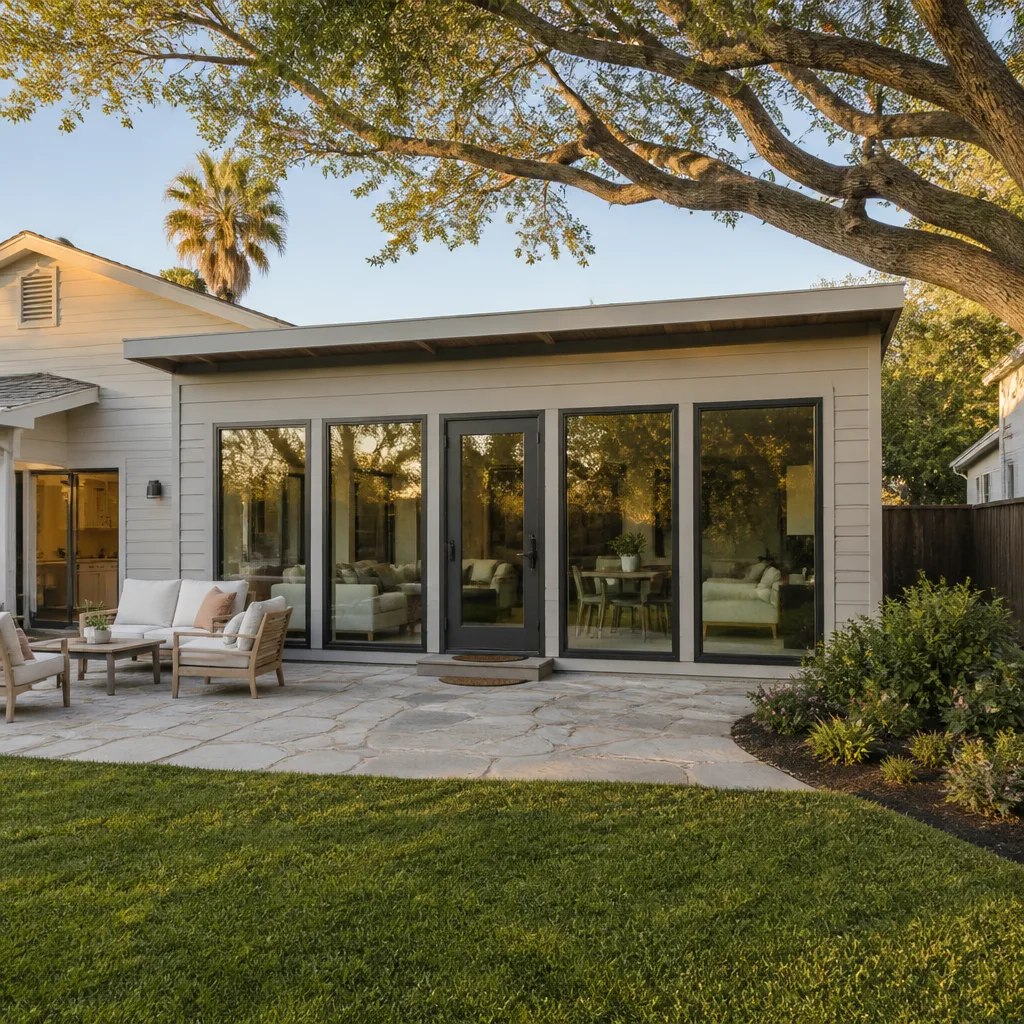
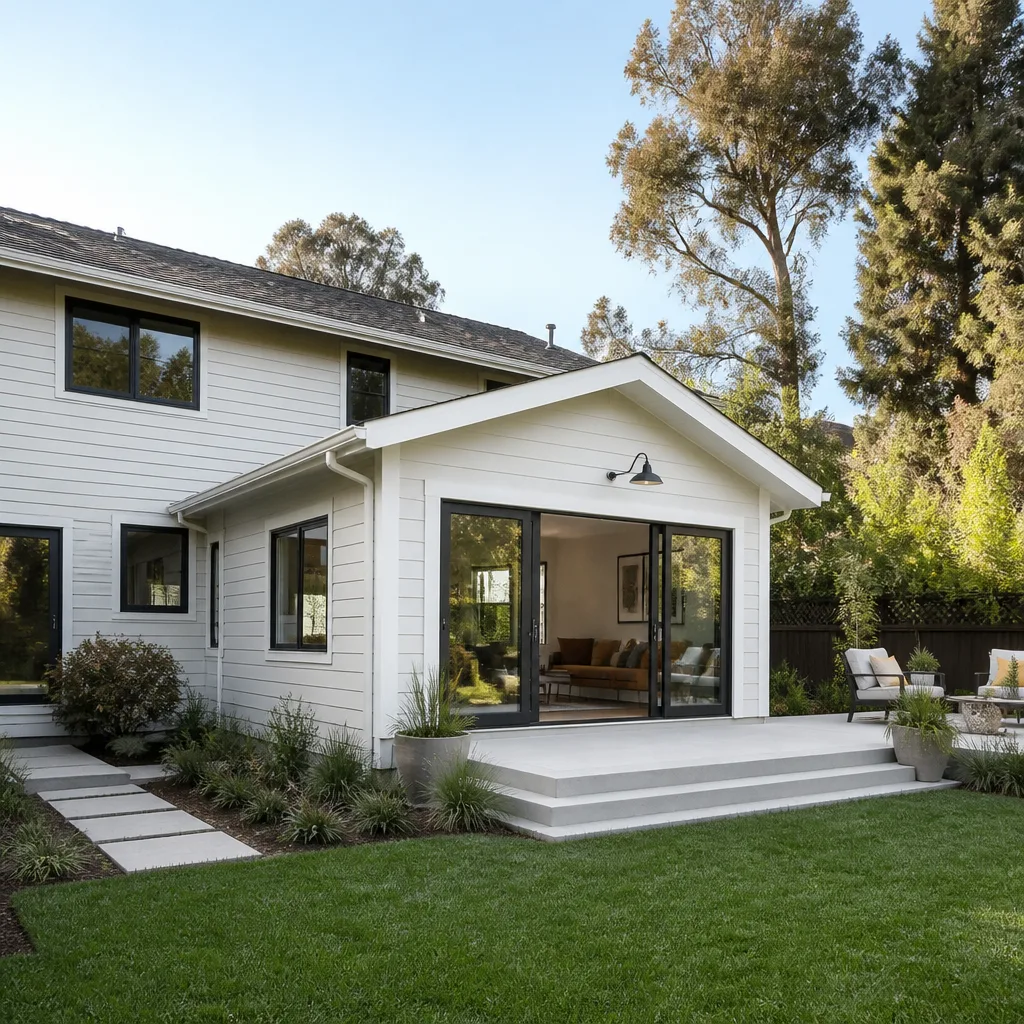
CertainTeed doesn’t make “home additions” as a product, but their building-material lines are what you’ll be matching when you expand a house or build an ADU in Riverside. The categories that matter most:
- Siding: Mainstreet, Monogram, Cedar Impressions, and Board & Batten profiles. The critical gotcha is the profile match: CertainTeed has changed lock geometry over the years, and a 2010 Monogram panel won’t always lock into a 2024 Monogram panel. You need to match the manufacturing era, not just the product name. We verify this from a sample or removed panel before ordering.
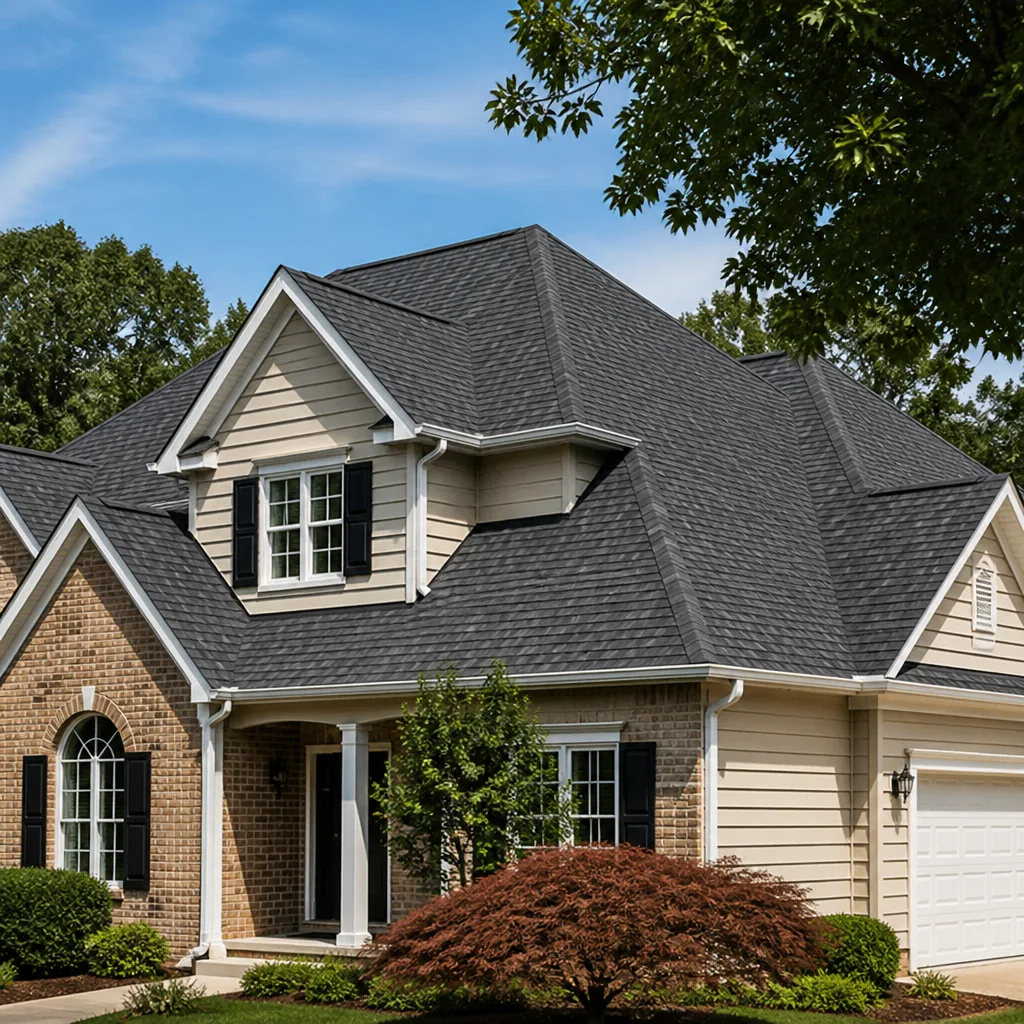
- Roofing: Landmark, Landmark Pro, Presidential Shake, and Carriage House shingle lines. Color codes change; certain California coastal colors have been discontinued due to cool-roof requirements. If your existing roof is Landmark in a discontinued shade, a full re-roof of the addition plus blend-in is often cleaner than a visible color break.
- Insulation and drywall: CertainTeed fiberglass batts (R-13, R-19, R-30) and M2Tech moisture-resistant drywall. Riverside’s Title 24 climate zone requires R-30 ceiling and R-19 wall minimums on new conditioned space; older homes rarely meet this, so an addition usually triggers an insulation upgrade in the existing envelope connection.
We specify OEM CertainTeed materials as the default. Quality aftermarket equivalents exist for insulation and drywall, but on siding and roofing the lock profile and color match are specific enough that we recommend staying with CertainTeed whenever the addition ties into existing CertainTeed surfaces. Bradford Remodeling Co Riverside is an independent service provider and is not affiliated with CertainTeed; we specify their materials because the specs are documented and the warranties hold up.
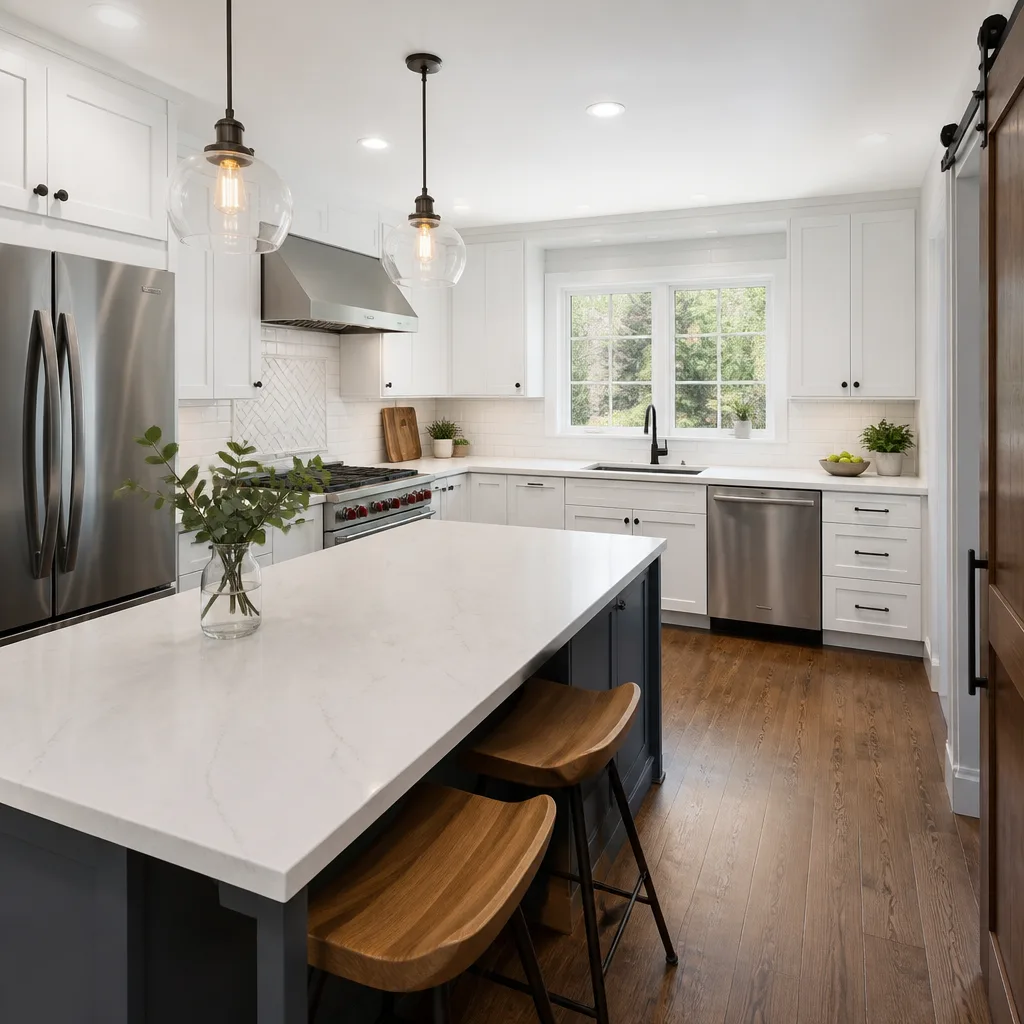
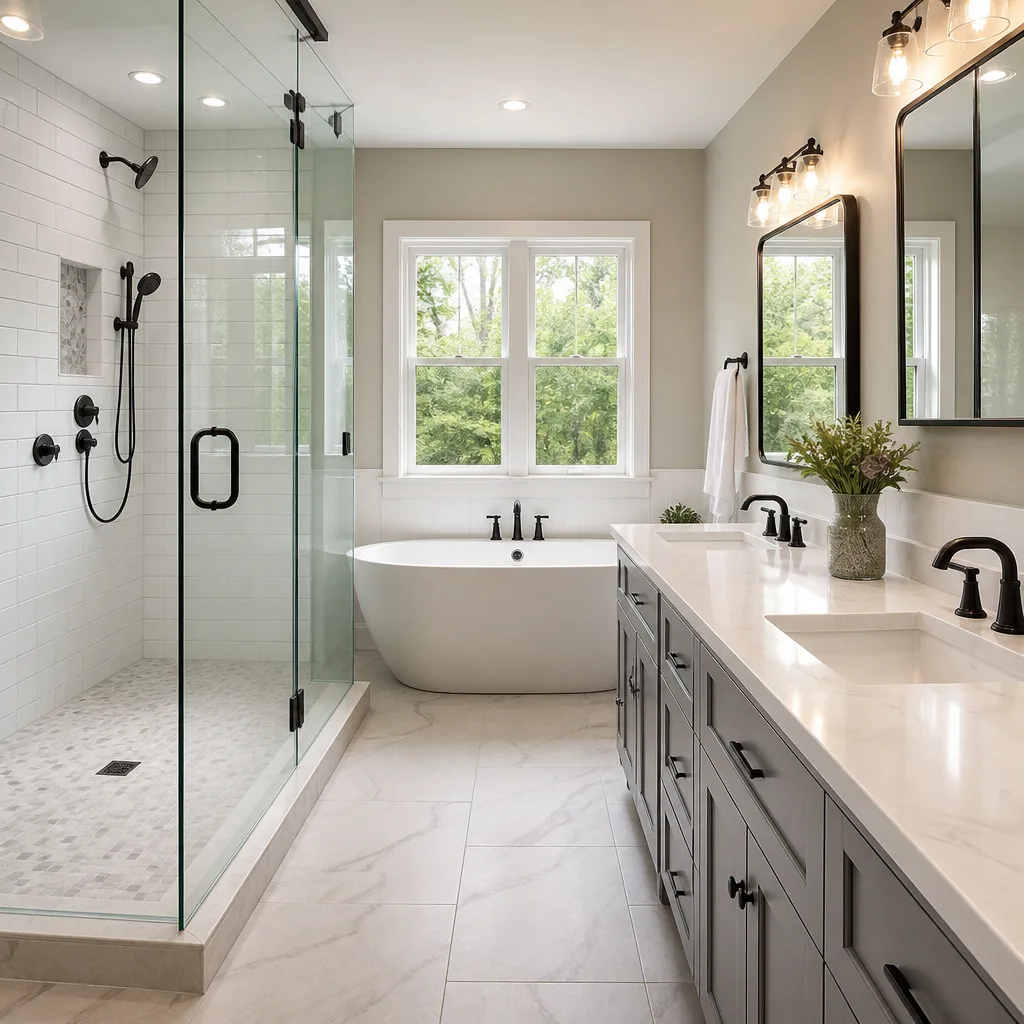
We also stock and install documented brand lines from KraftMaid, Cambria, and Silestone when the project scope includes cabinetry and countertops, so the entire addition or ADU package comes from a traceable material list rather than whatever the supply house had on the shelf.
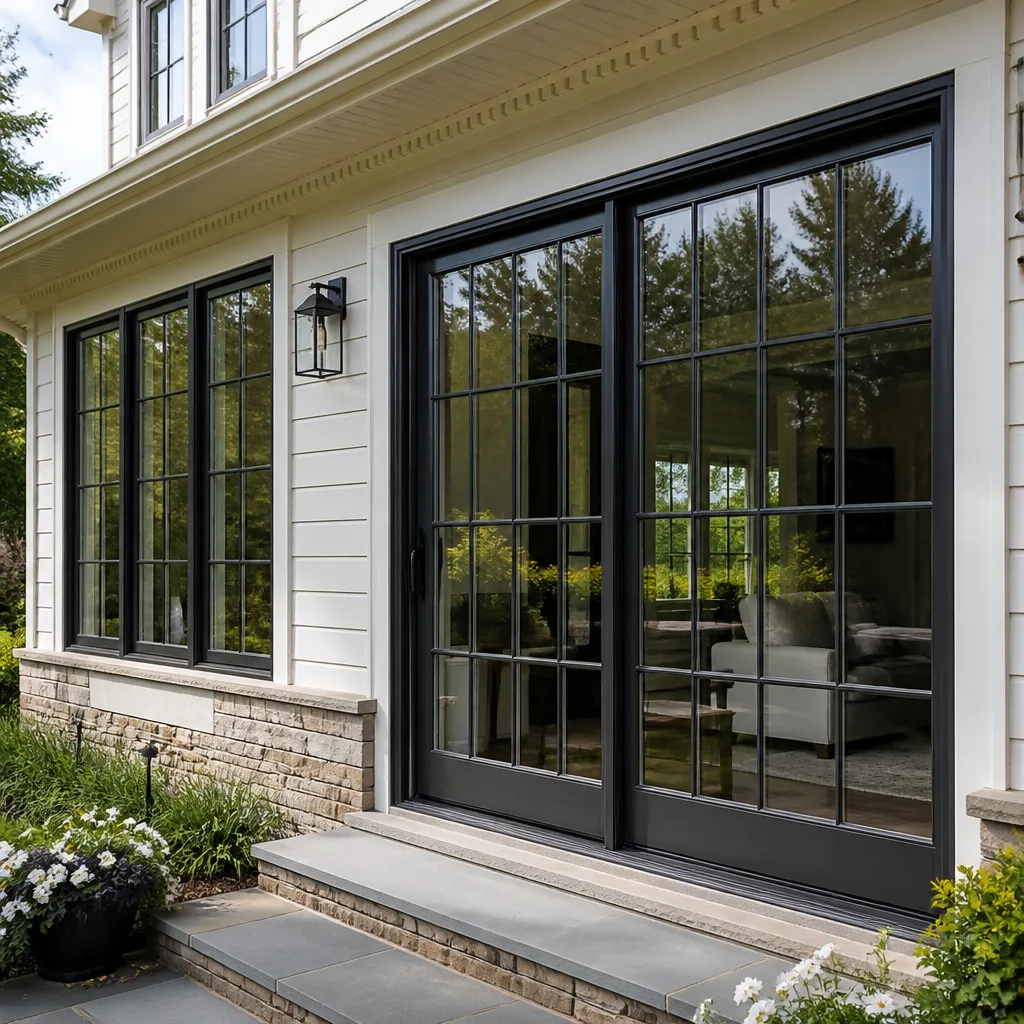
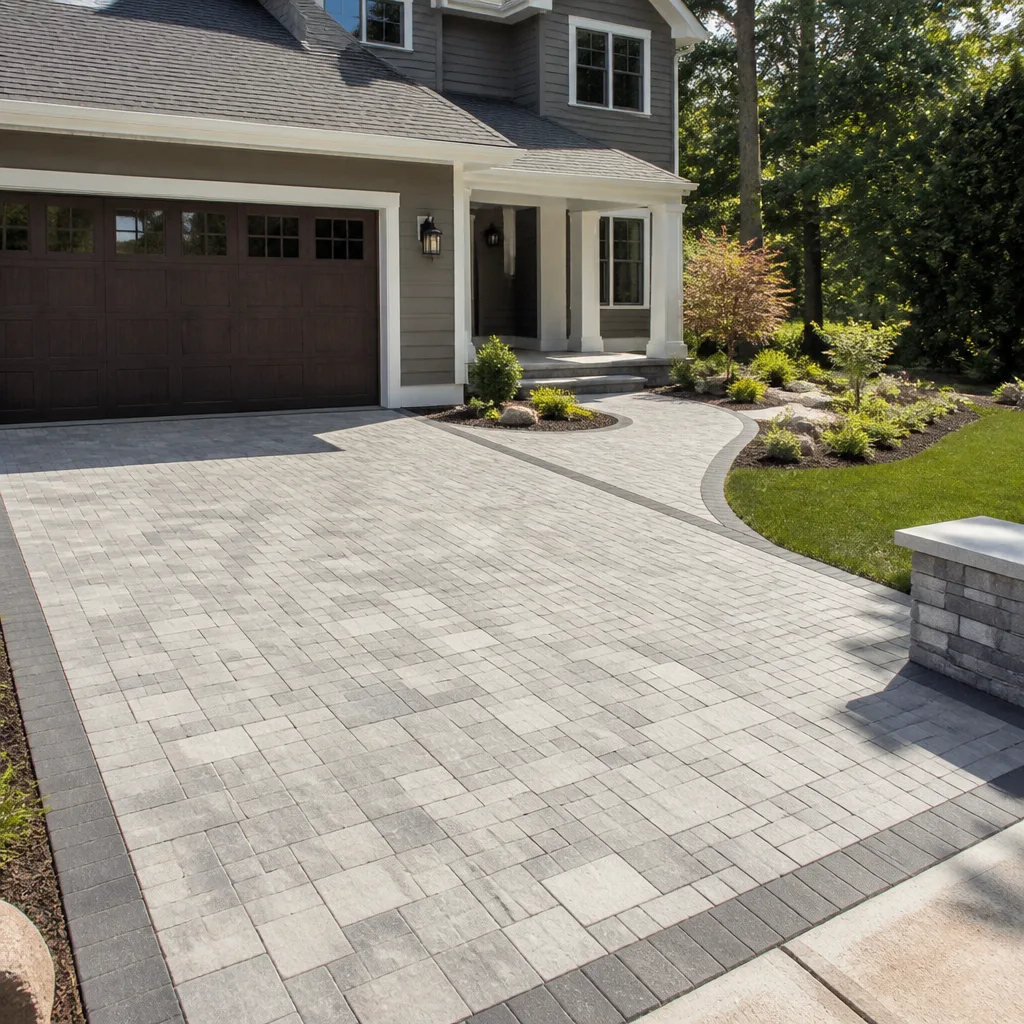
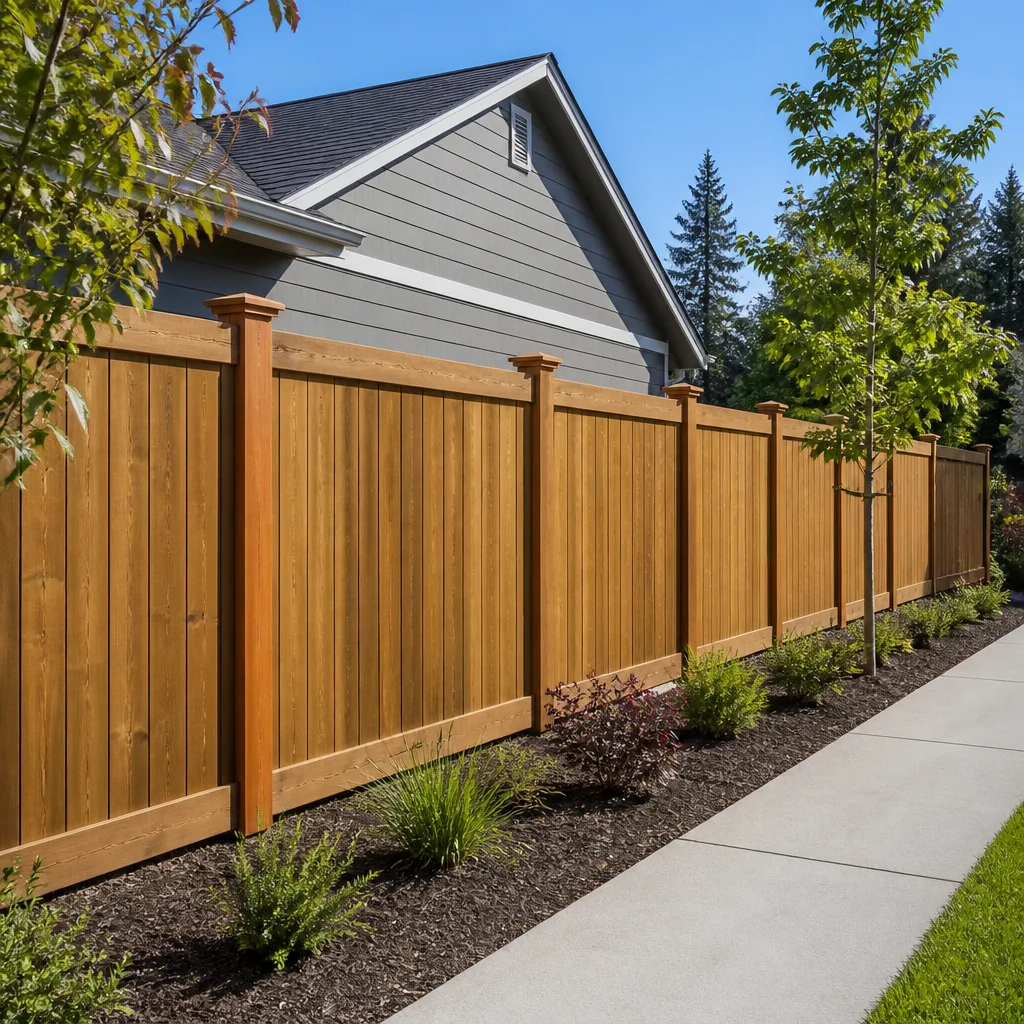
Styles & brands we work with
Signs Your CertainTeed Home Additions & ADU Is Failing
If you’re reading this because you already have an existing addition or ADU that’s showing problems, here’s what we see most often in Riverside, from the Victoria Avenue corridor to Hawarden Hills:
- Gaps at siding laps or corner posts. This usually means the original installer nailed too tight or the panels were cut short of the expansion gap. Riverside’s summer heat cycles expand and contract vinyl enough to pop short-cut panels off the nail hem. Result: water entry at the wall sheathing.
- Shingle granule loss and bare spots on the addition roof. CertainTeed’s fiberglass mat laminates do well in heat, but under-sized ventilation traps attic heat and accelerates granule wear. The addition usually fails before the main house if the roof deck wasn’t vented to current code.
- Drywall cracks and seam taping failures. Additions settle differently than the original structure, especially where the new slab or raised floor meets the old foundation. If the original framing didn’t include a proper slip joint, hairline-to-eighth cracks appear at the connection line within two to three years.
- Air leaks and rooms that won’t hold temperature. Riverside summer afternoons expose under-insulated kneewalls and vaulted ceiling cavities fast. We regularly find R-11 batt stuffed in an R-30 cavity, or insulation compressed behind a duct run, from the original build.
- Hardie-to-CertainTeed transitions with visible caulk lines. Mixing manufacturers at trim and transition points without a proper Z-flashing detail leads to caulk joints holding water, which fails in a year or two. The material brands can mix; the flashing detail can’t be skipped.
See the difference
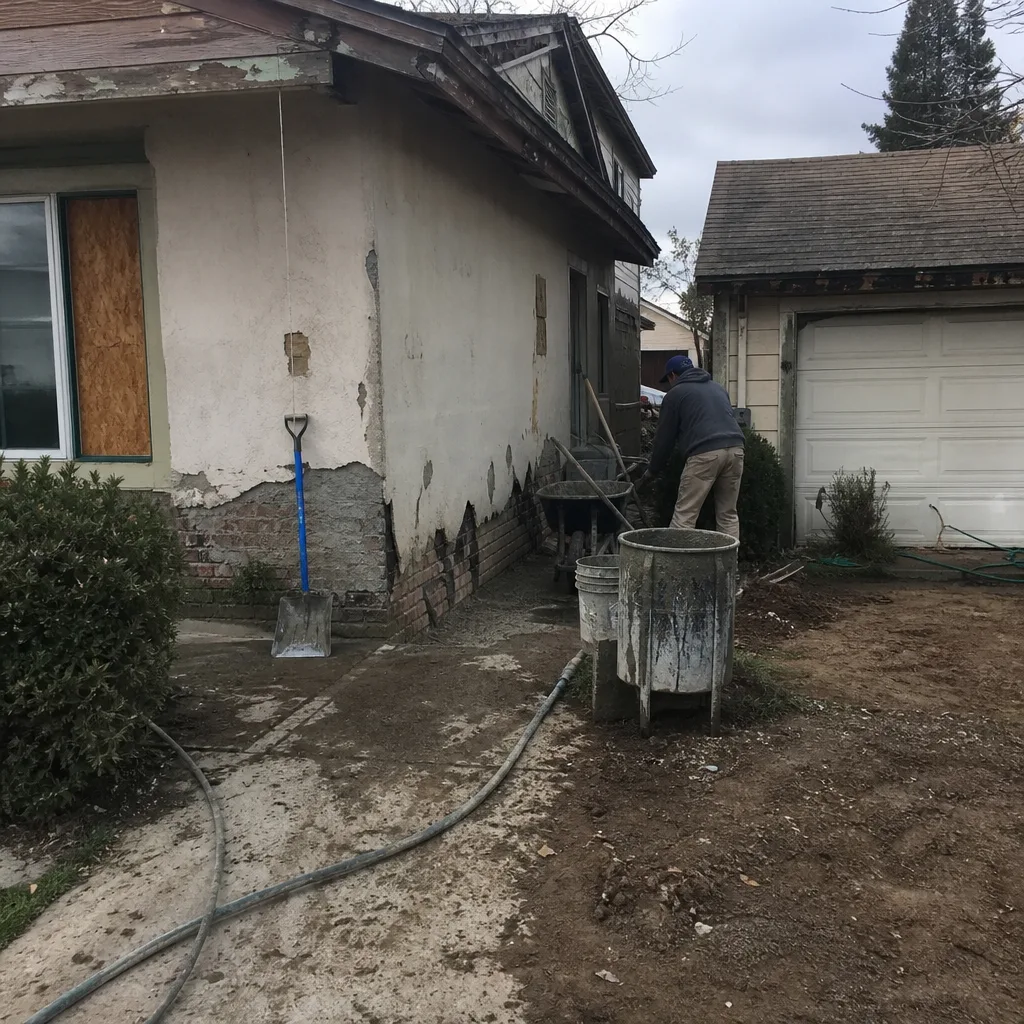 Before
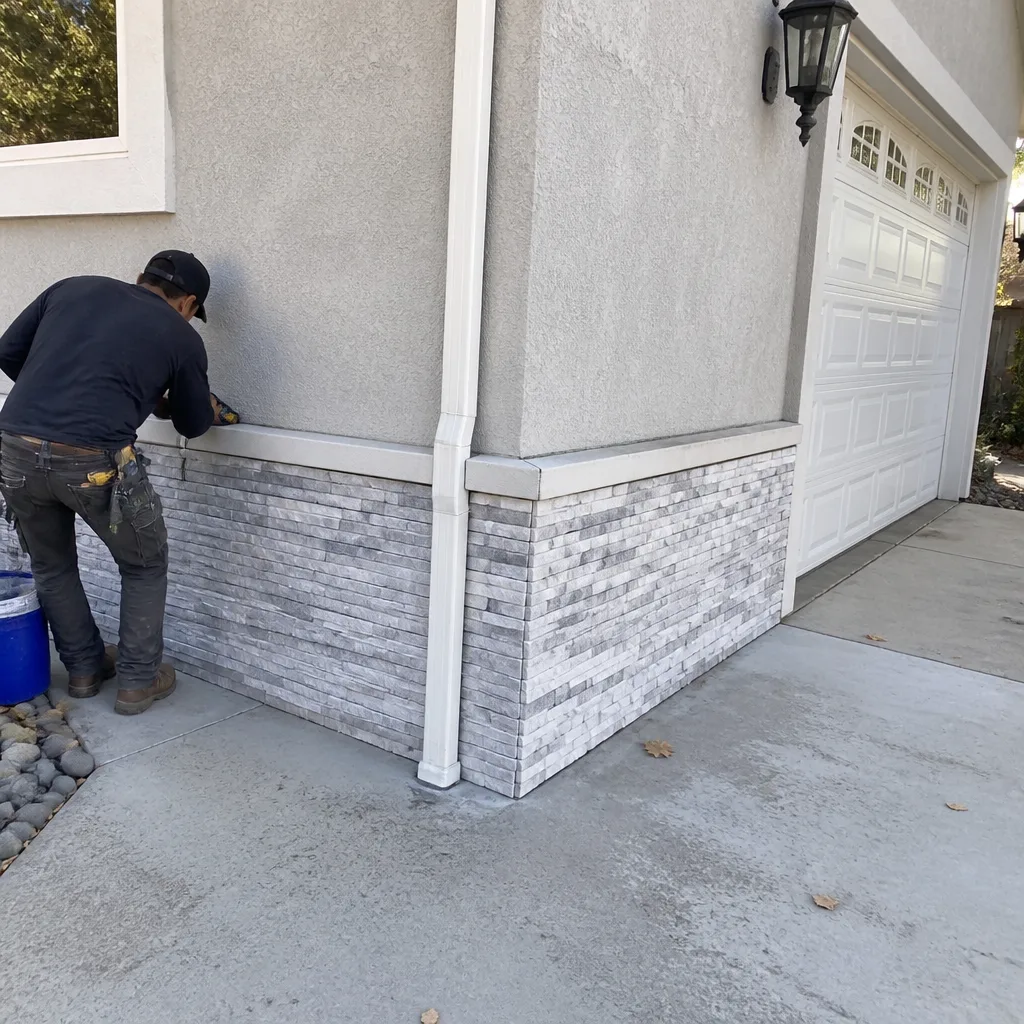 After
After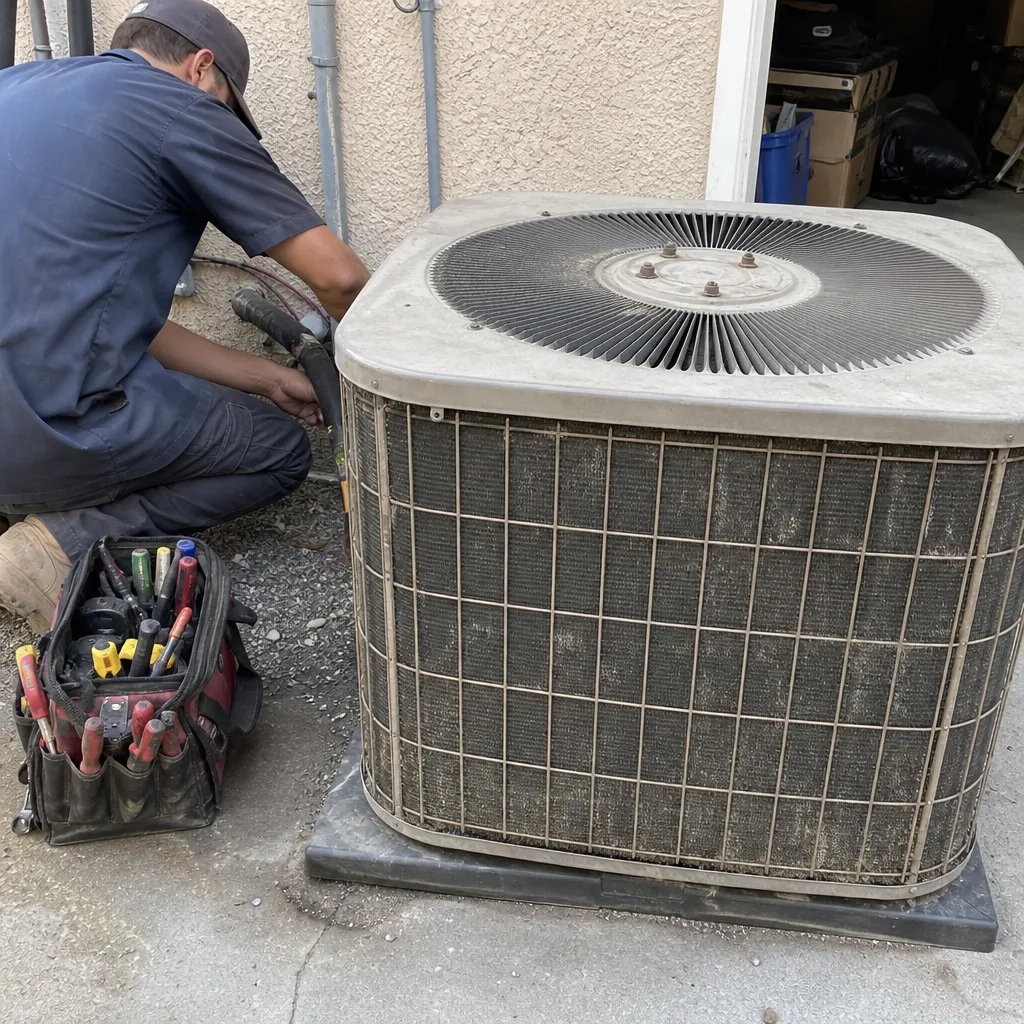 Before
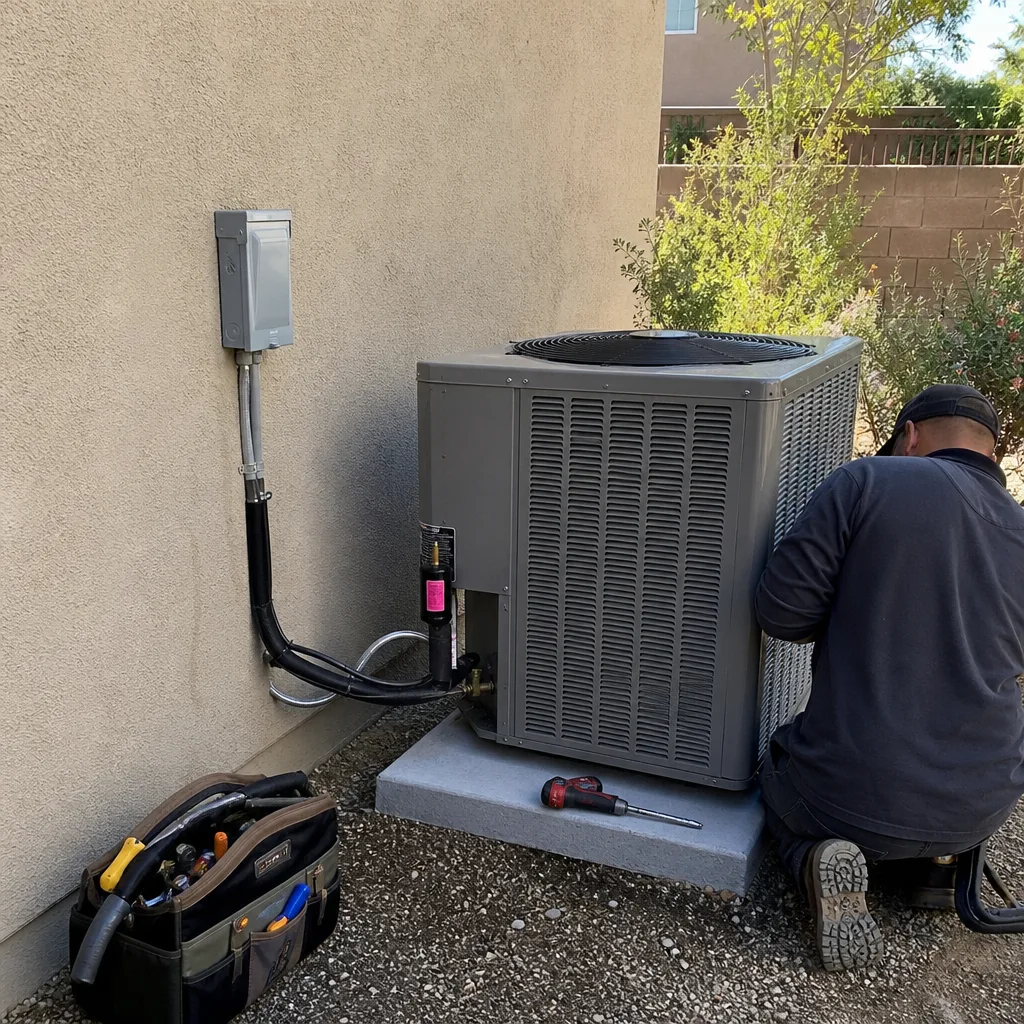 After
After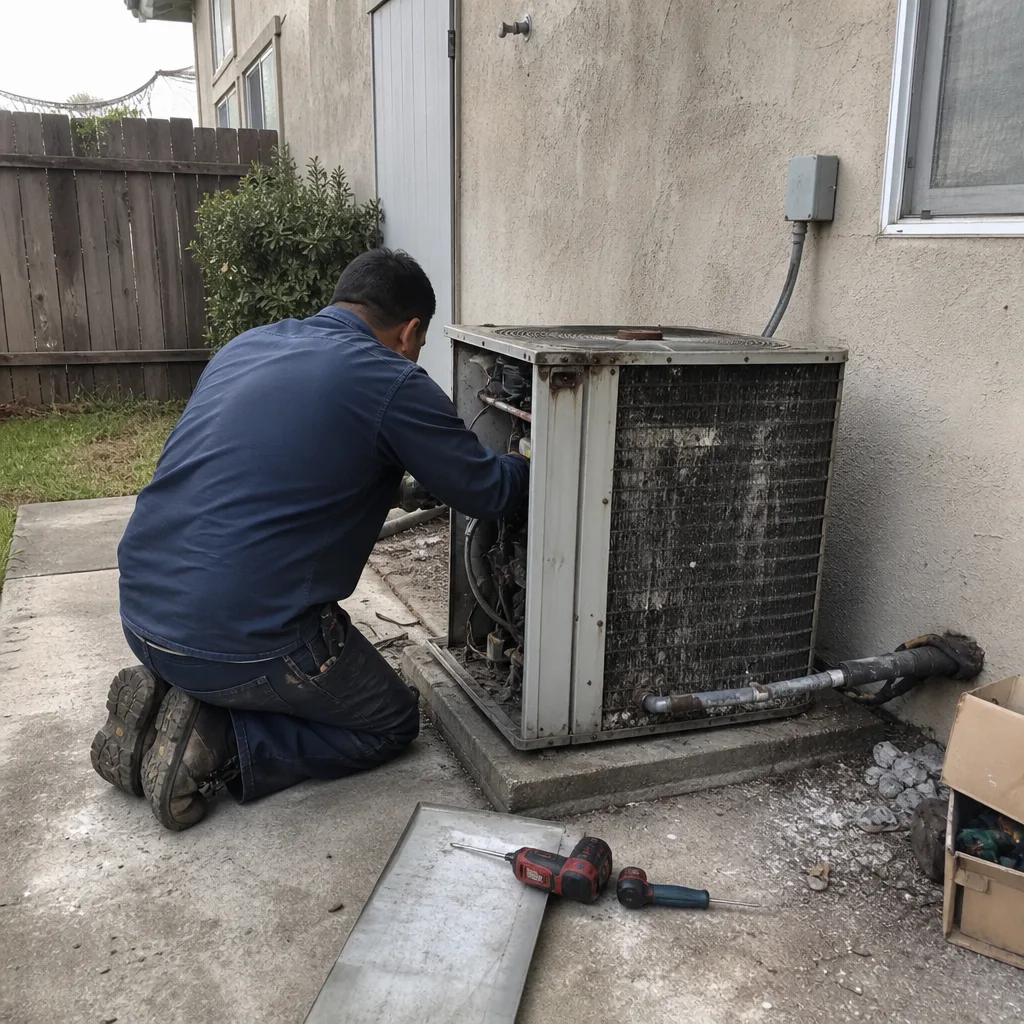 Before
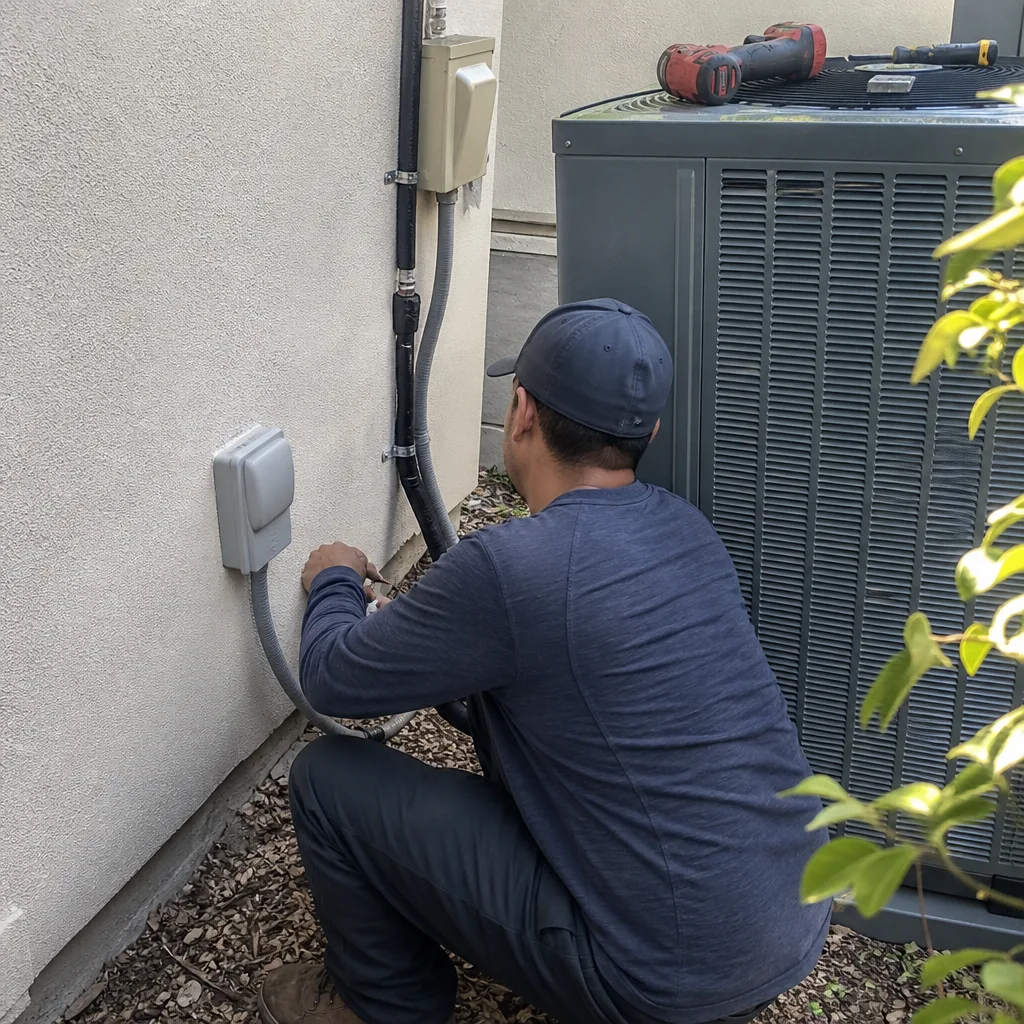 After
AfterReplacement Cost & What’s Included
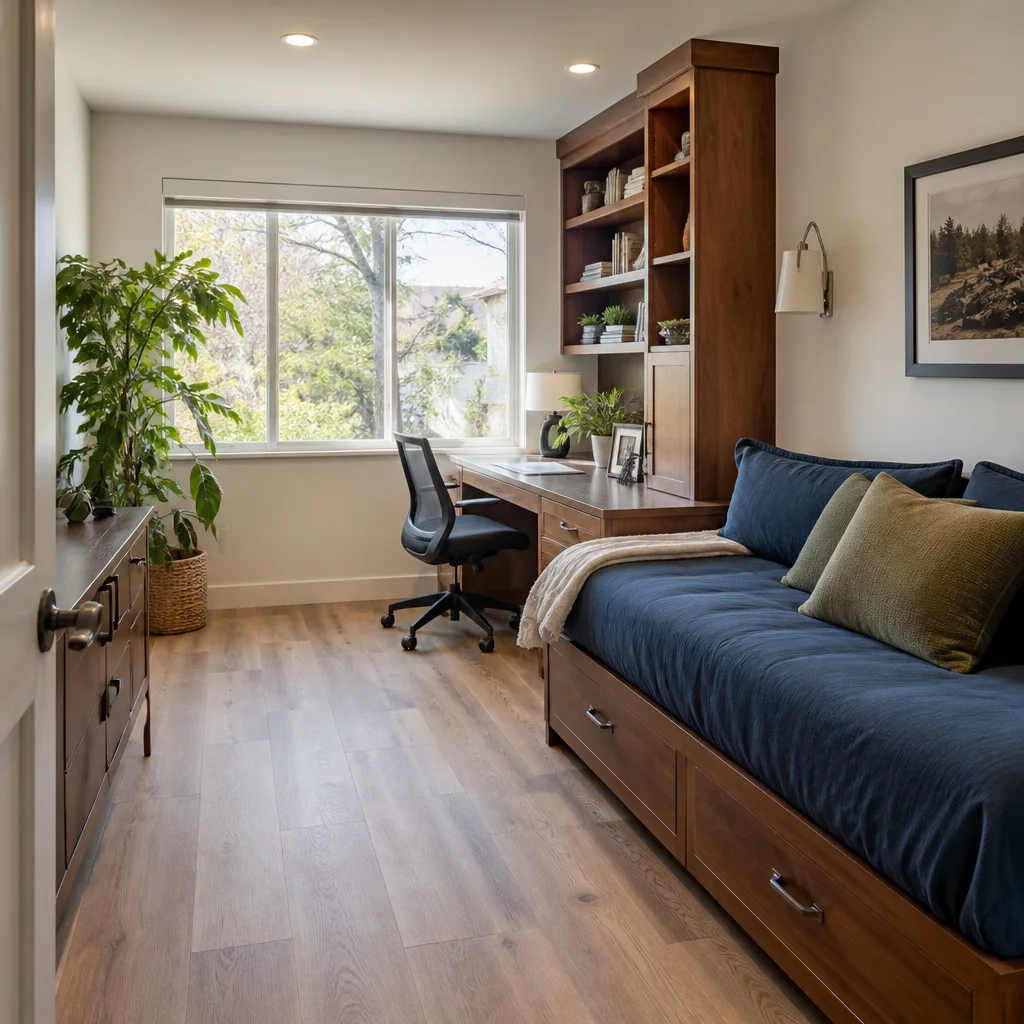
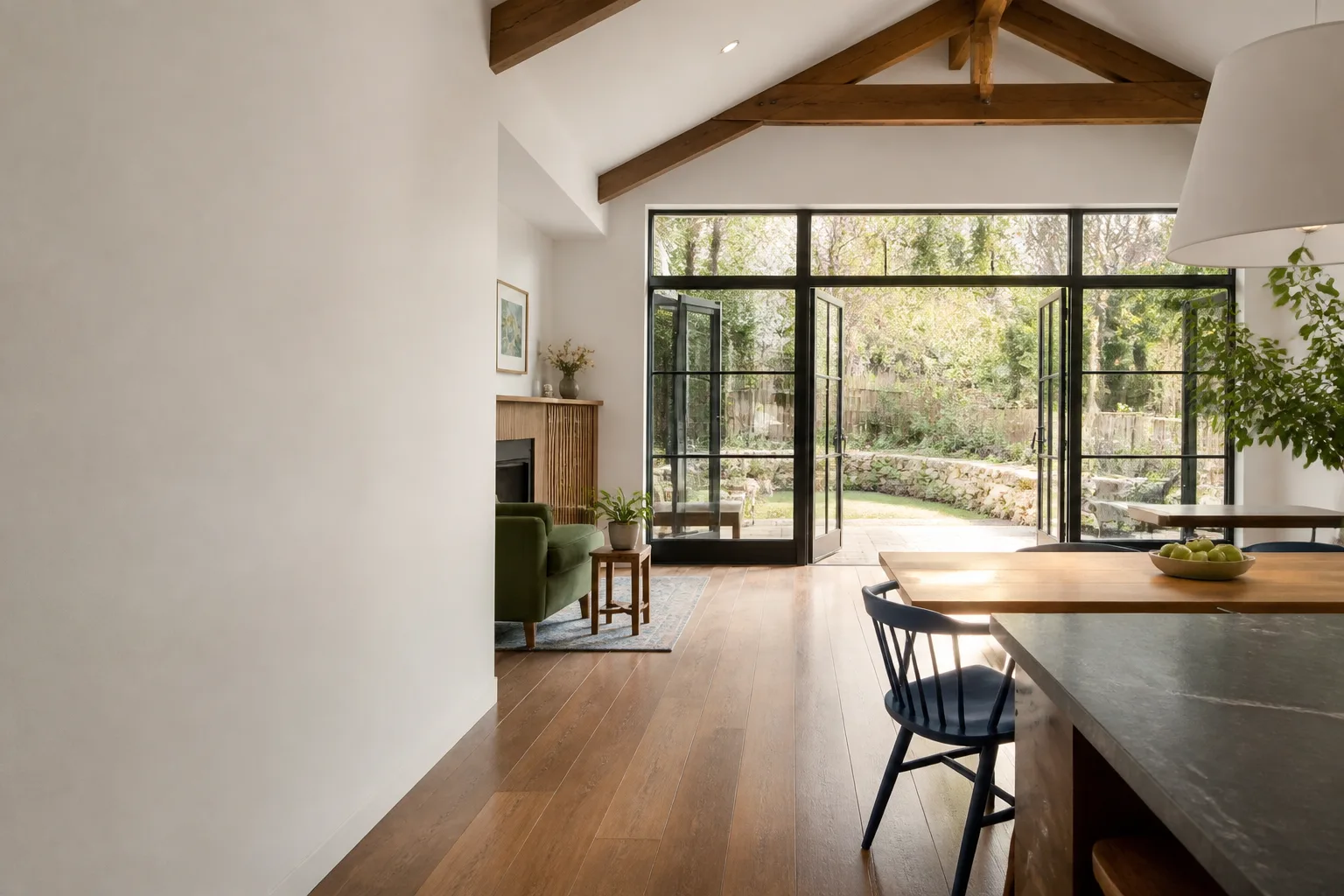
For a full home addition in Riverside, expect $45,000 to $130,000 depending on size (a 400-square-foot bedroom suite lands at the low end, a 1,200-square-foot great room with bathroom and roof tie-in lands at the top). For a new detached ADU, the range runs $90,000 to $220,000 based on site conditions: flat vs. sloped lot, utility runs, solar and Title 24 requirements, and foundation method all move the number.
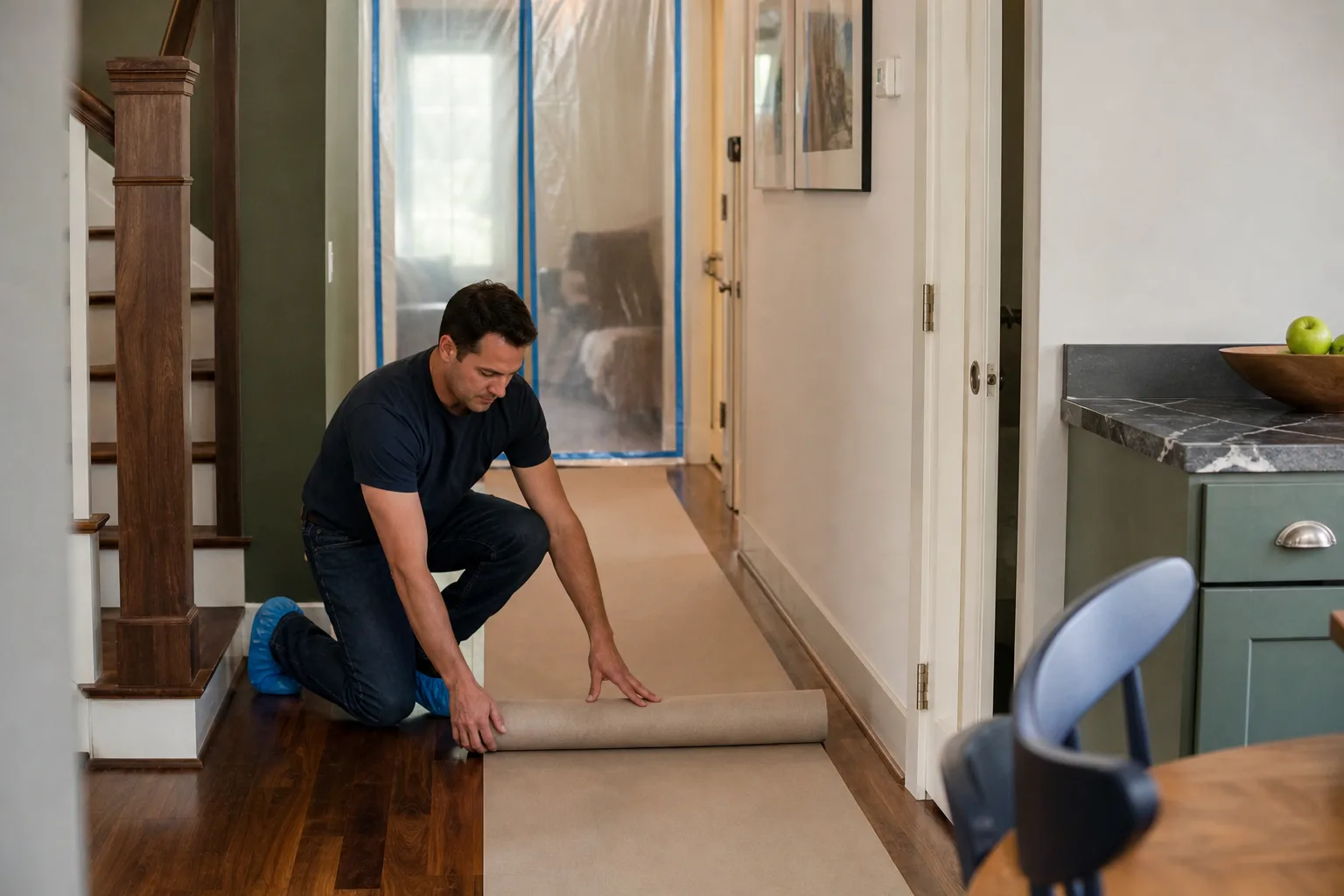
What’s included in our written price: the full CertainTeed material schedule (siding, roofing, insulation, drywall as scoped), rough-in and finish labor, permits and plan-check fees payable to the City of Riverside, dump and site protection, and a signed scope-of-work document with no change-order surprises at the door. The one variable we flag early is hidden existing framing or foundation condition: if the existing wall we’re tying into is out of square or the footing is undersized, that correction gets priced in writing before we touch it, not after. Every completed project carries the 365-Day Done Right Promise: if our work fails within one year, Bradford returns and corrects it at no charge.
DIY or Call Us?
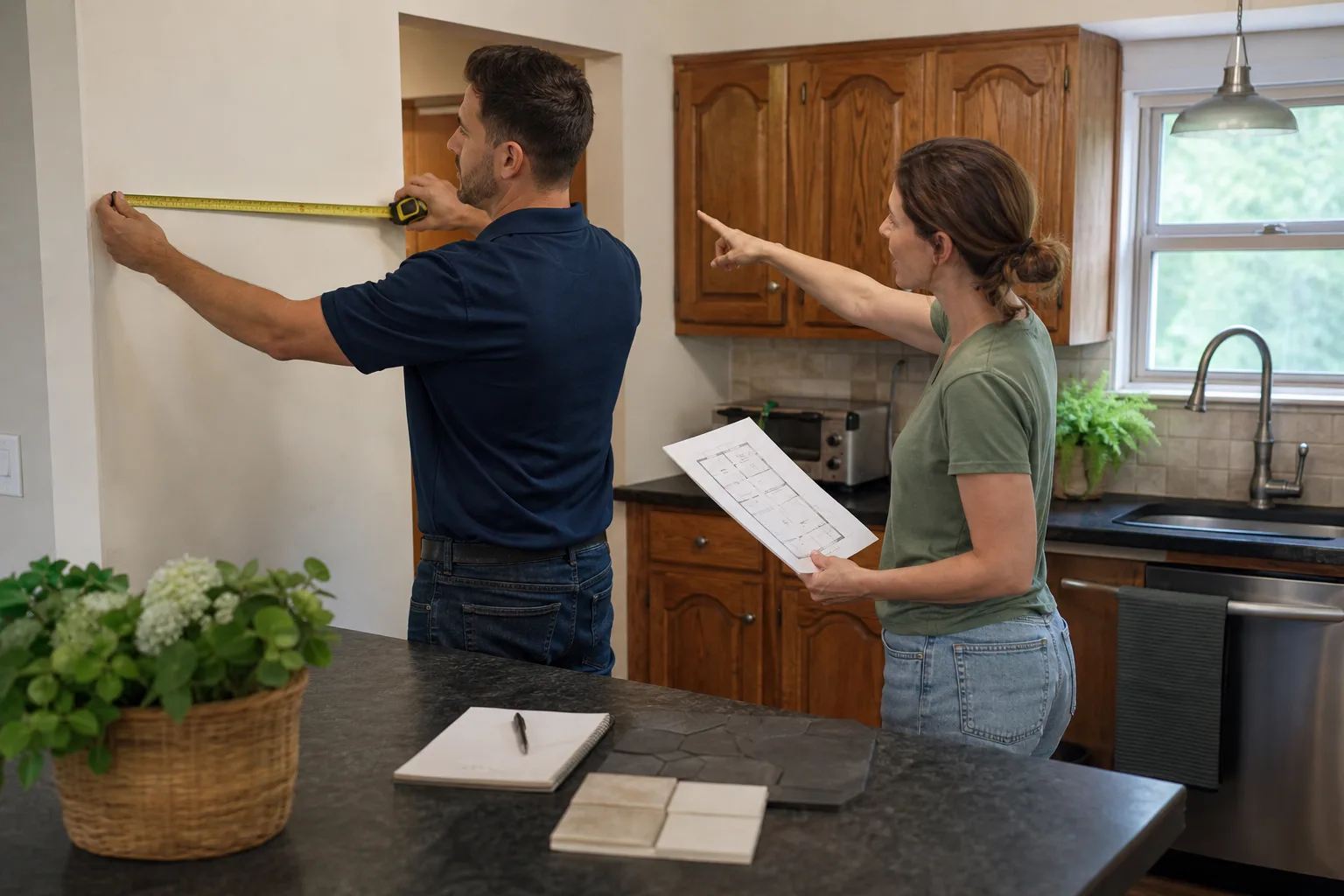
For a CertainTeed addition or ADU, the honest split is this: you can check your existing CertainTeed siding profile and roof shingle color yourself by pulling a sample and comparing it to the current color charts at a Riverside building supply house. Taking a clear photo of the lock-profile cross-section helps us identify the manufacturing era before we even quote. What you should not DIY on a project of this scale is the structural and envelope work. Framing connections, roof-tie engineering, shear-wall specification, and Title 24 compliance are code-regulated in Riverside, and the City of Riverside plan-checkers take missing connections seriously. A failed framing inspection sets your project back weeks and your budget back thousands. If you’re replacing a failed section of an existing addition rather than building new, the same rule applies: inspection of the first failed component is the priority, because what you can see at the surface is rarely the whole problem. Call (424) 567-8472 and we’ll walk the existing condition or the addition plan with you. Curtis Lane carries a current California Building Code in the truck, and he’s been known to pull it out mid-conversation when a number needs backing up.
FAQs
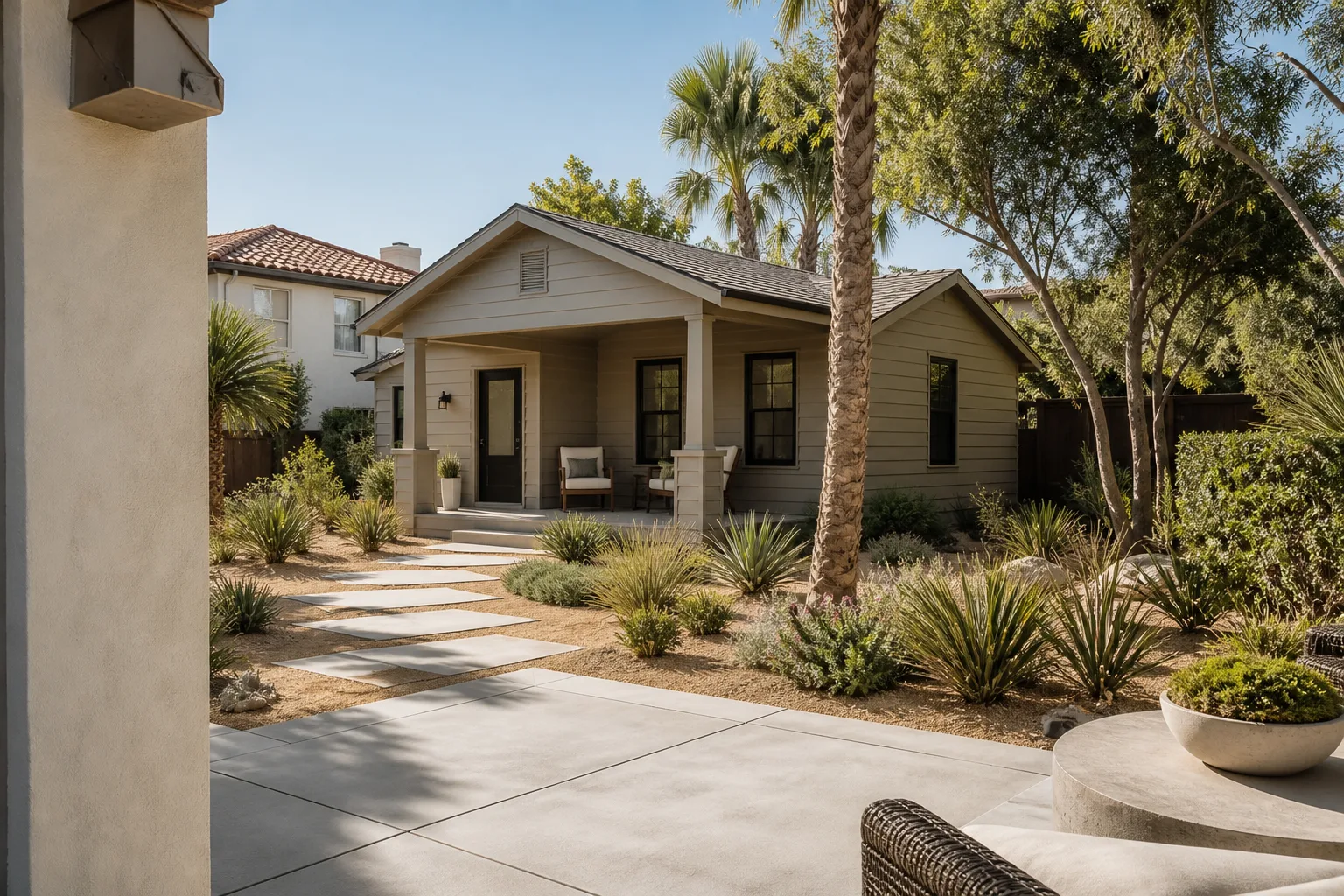
A properly built addition with CertainTeed siding and roofing installed to manufacturer spec will last 30 to 50 years on the envelope materials, with the first roof replacement typically at 20 to 30 years depending on attic ventilation. The structural framing, done correctly, has no meaningful end date. What shortens the life in Riverside is poor ventilation detail and skipped flashing, which fail inside the first five years. Call (424) 567-8472 for a free estimate and we’ll check the ventilation and flashing details as part of the quote.
Yes, in most cases we can repair the specific failed system rather than rebuild the entire addition. Siding can be re-spanne with matched CertainTeed panels, roofing sections can be repaired, and insulation can be retrofitted through access points or by removing a small section of cladding. The decision comes down to what the exposed framing reveals once we open the first section. Call us at (424) 567-8472 and we’ll give you an honest read on whether you’re repairing or replacing.
A single-room addition runs roughly 3 to 5 months from permit submittal to final inspection. A detached ADU typically runs 5 to 8 months, with plan-check time at the City of Riverside being the biggest scheduling variable. We sequence the project so the subs show up when they’re supposed to, and the punch list gets closed before the final walk, not after.
We don’t carry full siding, roofing, or insulation inventory on service trucks, but we maintain scheduled stock of common CertainTeed accessories and trim pieces for Riverside projects in our local material staging. Full material packages are ordered by the project, in writing, with the specifications matched to your existing home before the first delivery. Estimates are free, and the material spec is documented in the written price.
The written price we give you before work begins is the price, unless hidden existing conditions are uncovered during demo. If we find a problem the plan didn’t account for, like an undersized footing or termite damage at the connection point, we stop and put the correction in writing before moving forward. That’s the whole point of the no-hassle upfront pricing standard: no numbers that move at the door. Call (424) 567-8472 for a written estimate on your addition or ADU project in Riverside.
Written by Curtis Lane, Owner, Bradford Remodeling Co Riverside at Bradford Remodeling Co Riverside, serving Riverside and nearby areas.
Straight number, real scope, no surprises at the final walk. Call (424) 567-8472 for your free estimate.