





Free written scope consultation - allowances, timeline, and change-order rules on paper before a single trade is scheduled
ES Windows Roofing: The Riverside Owner’s Guide
We stock, match, and install ES Windows-compatible roofing components across Riverside, with most skylight and roof-window part replacements running $600 – $2,500 installed. That range covers everything from a failed flashing kit on a fixed skylight to a full curb-mounted venting roof window swap. If you call before noon on a weekday, we can usually have a technician out the same day to identify the part and give you a written price. Most Riverside homeowners discover the problem the same way: a drip on the tile floor after a Santa Ana wind event, or a water stain spreading across the ceiling drywall below the roof window.
Here’s the thing about ES Windows roofing components that most people don’t learn until it’s too late: the failure is rarely the glass. It’s almost always the flashing, the gasket, or the curb seal. The glass unit can last 20 years. The rubber gasket around the sash gets baked by Riverside’s 100-degree summers and loses its flex in about half that time. We’ll get into exactly what fails, what it costs, and whether you should touch it yourself below.
Which ES Windows Models This Applies To

ES Windows produces fixed skylights, venting roof windows, and tubular sun tunnels under several series names, including the EcoStar line, SunMax fixed units, and the Ventura manual and electric venting series. The part you need depends on which unit you have, and the fastest way to identify it is to look for the etched label on the glass corner or the stamped plate on the interior frame. That plate gives you the model number, glass spec, and manufacturing code. Without it, we’re guessing.
Here’s the compatibility gotcha Riverside owners hit all the time: ES Windows changed their flashing profile geometry between the 2016 and 2019 production runs. A flashing kit ordered for a 2018 Ventura unit will not seat correctly on a 2016 SunMax, even though the rough opening is identical. We’ve seen homeowners buy the wrong kit online, then pay a second time for the right one. On OEM versus aftermarket: for gaskets, sash seals, and operator arms, quality aftermarket equivalents from brands like Velux and Fakro work well and cost 30 – 40% less. For flashing kits and curb assemblies, we recommend OEM or exact-match fabricated flashing. The tolerances are too tight, and the deck seal is too critical to gamble on a generic piece.
We are an independent Riverside service provider, not affiliated with ES Windows. That means we’re not limited to one supply chain, and we’ll tell you when a less expensive equivalent does the job as well as the OEM part.
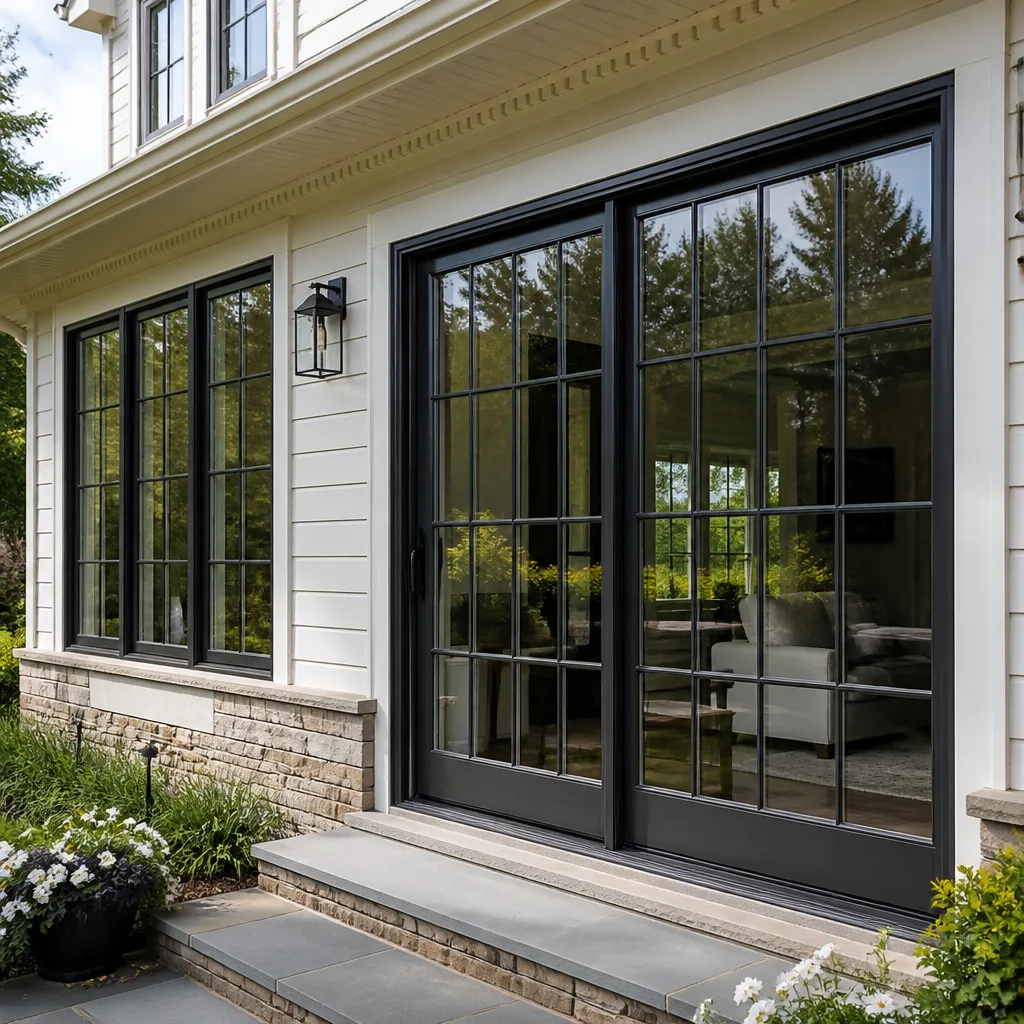
Styles & brands we work with






Signs Your ES Windows Roofing Is Failing
- Water staining on the ceiling drywall around the opening. This is the classic first sign. The flashing or curb seal has developed a gap, and water is traveling along the roof deck before it finds a path down through the ceiling. By the time the stain appears, the leak has usually been active for weeks.
- Condensation between the glass panes. The insulated glass unit’s seal has failed. You’re not looking at a housekeeping problem; the argon or krypton fill has escaped and the unit’s insulating value is gone. This is a glass replacement, not a repair.
- The sash won’t open, or opens with a hard grind. On venting units like the Ventura series, the operator arm gears strip or the motor burns out on electric units. Riverside dust gets into the track, and the mechanism fails under load.
- Rubber gasket is cracked, brittle, or peeling away from the frame. That gasket is what keeps wind-driven rain out during Riverside’s winter storm bursts. Once it loses elasticity, every storm is a gamble.
- You hear a whistling or fluttering sound during high winds. The weather seal around the sash has compressed beyond recovery, and the unit is no longer air-tight. This drives up cooling costs through Riverside’s hot season and lets dust in year-round.
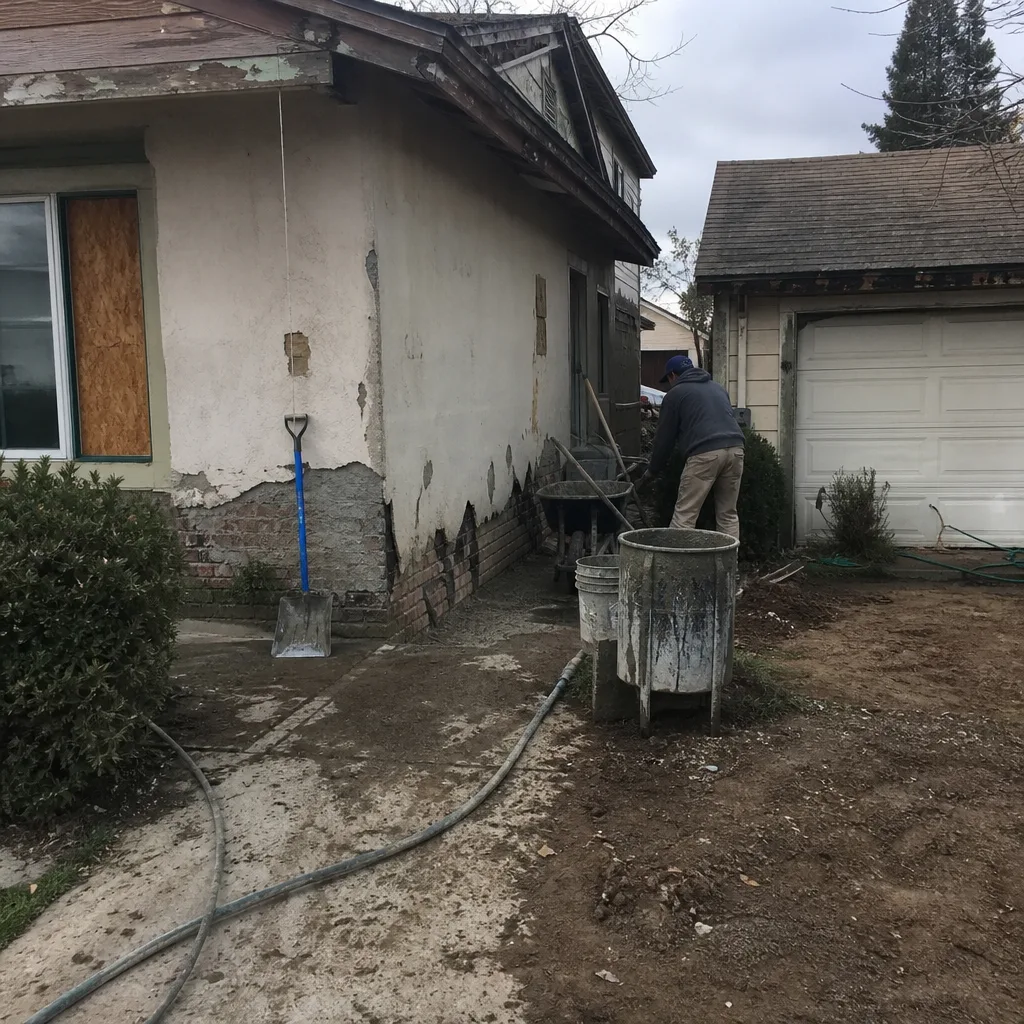
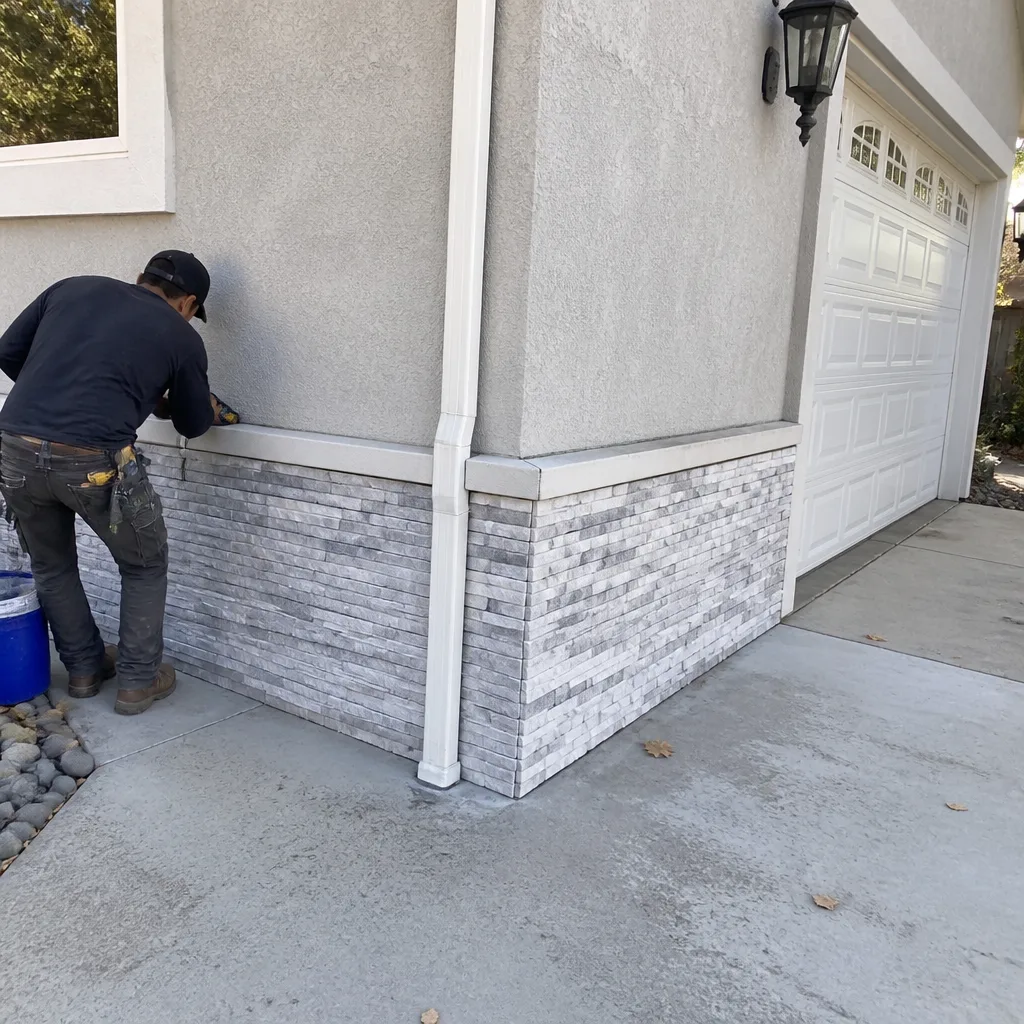
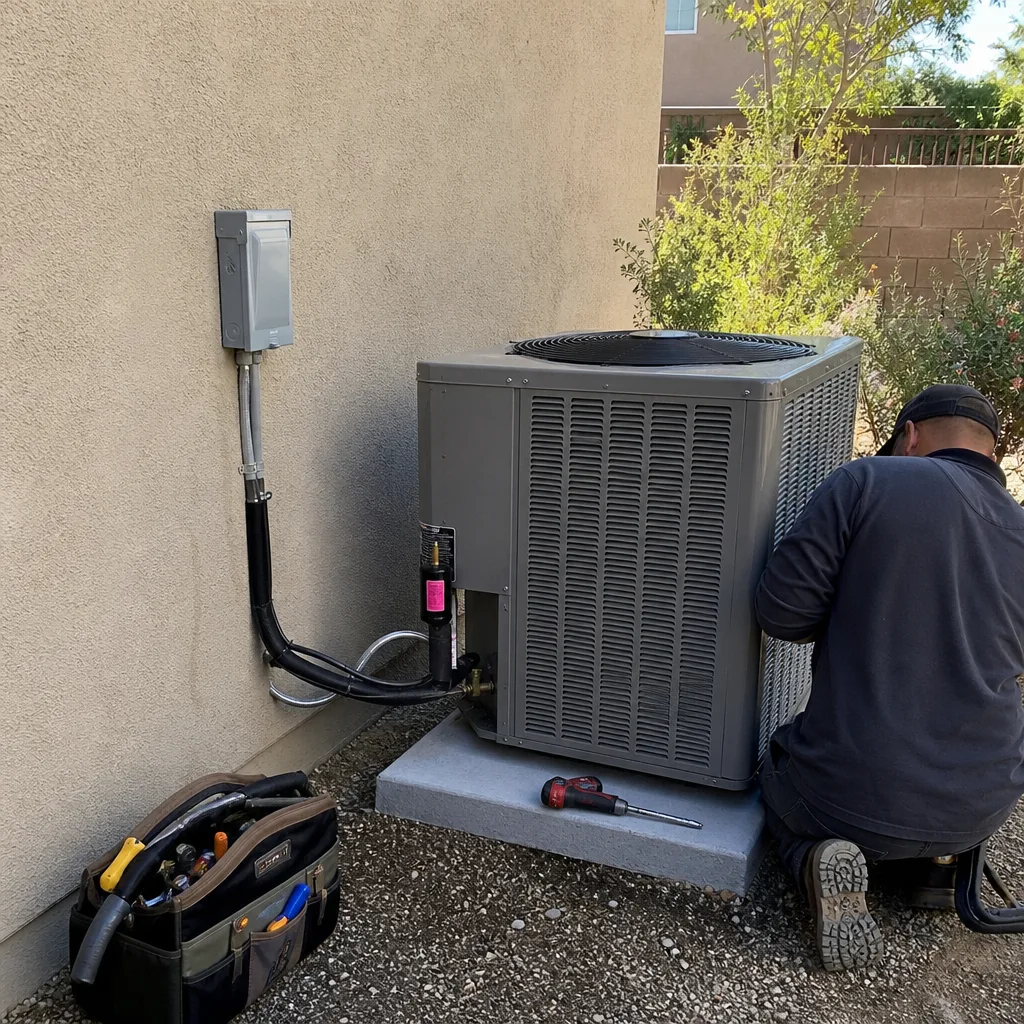
See the difference
 Before
 After
After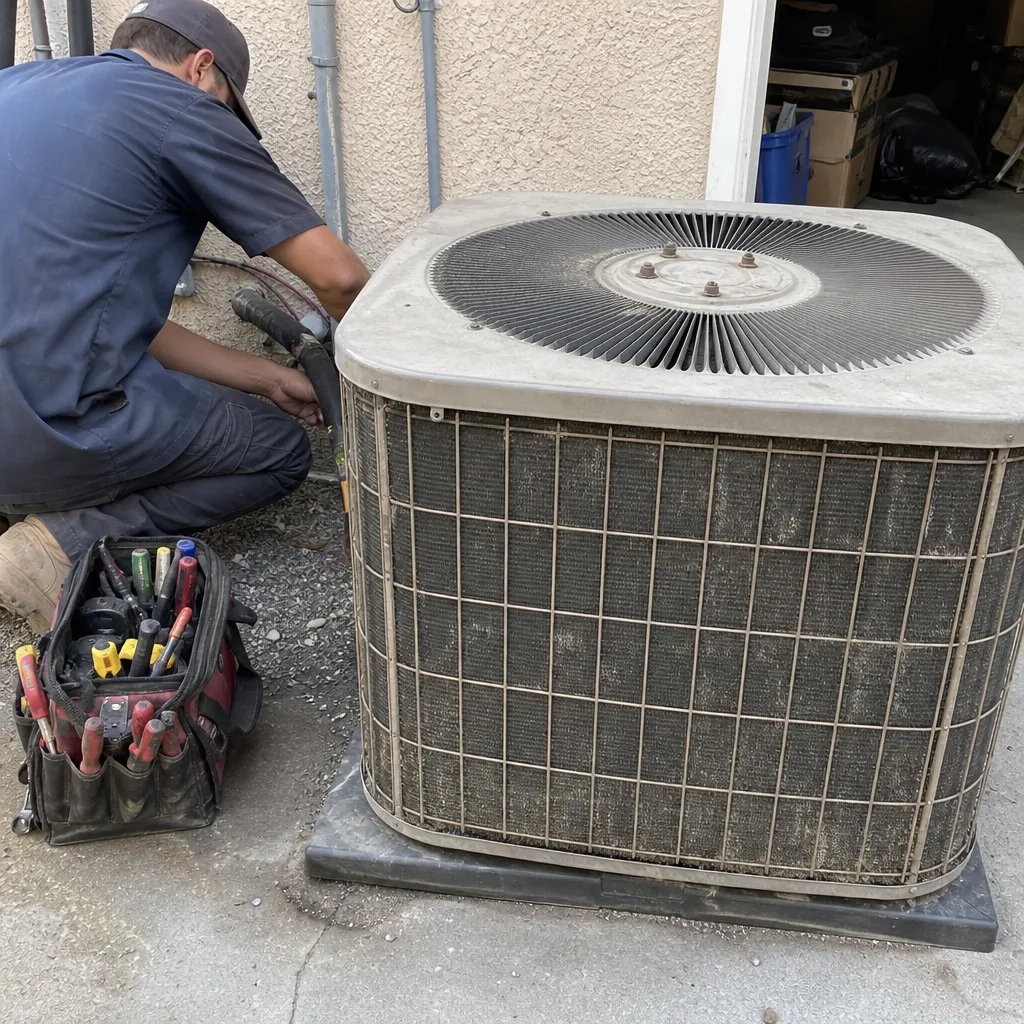 Before
 After
After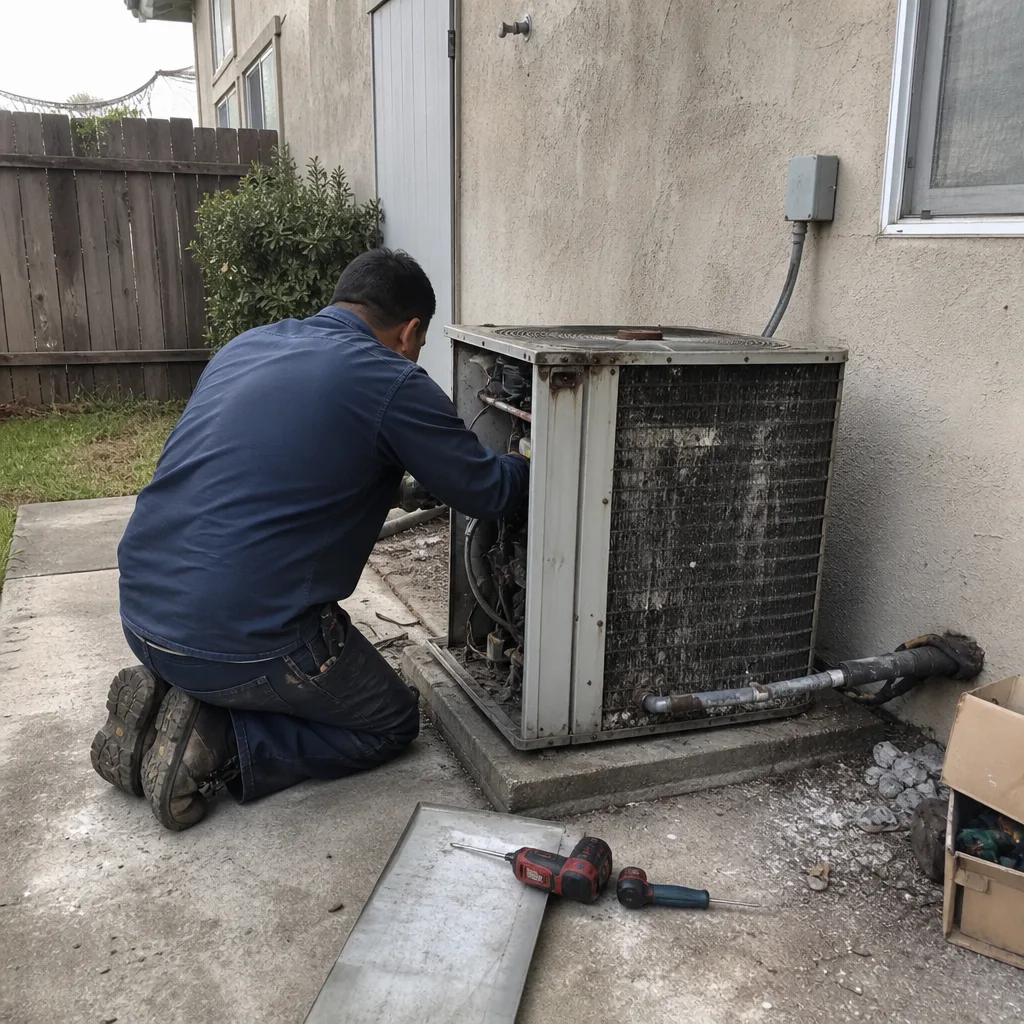 Before
 After
AfterReplacement Cost & What’s Included
Installed pricing in Riverside for ES Windows roofing component replacement breaks down like this:
- Gasket / sash seal replacement: $600 – $1,200 installed. We pull the sash, clean the track, install the new seal, and reset the unit. Done in 2 – 3 hours.
- Flashing kit replacement: $400 – $1,800 installed. Includes removing the surrounding roofing material, installing the new flashing, re-bedding, and re-roofing the perimeter. Price depends on your roof type: tile roofs cost more because the tile has to be cut and re-set, while composition shingle goes faster.
- Venting unit operator / motor replacement: $800 – $1,500 installed. Parts are usually in stock or two days out.
- Full insulated glass unit replacement: $1,200 – $2,500 installed. Matched to the existing frame spec, including tint and Low-E coating if original.
Every price we give you is a written price before work starts, and it includes the part, labor, haul-off, and a final check with a water test when we’re done. No numbers move at the door. The work is covered by the 365-Day Done Right Promise, meaning if the repair fails inside a year, Curtis Lane’s crew comes back and corrects it at no charge. That’s The Garrison Standard, and it’s in writing on every job.
DIY or Call Us?
Here’s the honest split. There are exactly three things a homeowner can safely do without calling us: read the model label and write down the number, wipe the interior frame with a damp cloth, and take a photo of the damage from the inside. That’s the entire list. Working on a roof window flashing means getting on the roof, cutting into the roof deck, and re-sealing against water. Get the seal wrong and you’ve turned a $600 gasket job into a $2,500 ceiling-and-deck repair. Roof work on a Riverside tile roof has real risk: the tiles are brittle, the slope is steeper than it looks from the ground, and a fall is a trip to the hospital. Curtis didn’t spend three decades running crews across Southern California to have a homeowner break a leg saving $400. Call (424) 567-8472, get a straight number, and let us do the part that requires a ladder and a nail gun.
FAQs

Glass units typically last 18 – 25 years in the Riverside climate, but gaskets and seals fail in 8 – 12 years because of prolonged UV exposure and summer temperatures that regularly exceed 100°F. Flashing kits last 15 – 20 years on composition roofs and 12 – 15 years on tile roofs where re-setting tile creates more stress at the deck joint. If your unit is over 10 years old and you’re seeing the first signs of seal failure, plan for gasket replacement soon. Call (424) 567-8472 for an exact assessment.
Gaskets and seals can sometimes be re-seated temporarily, but the material has lost its flex and the fix won’t hold through a Riverside winter storm cycle. Flashing can be patched with sealant as a stopgap only; the proper repair is replacing the flashing or re-bedding the curb. We don’t sell temporary fixes as permanent solutions. Call (424) 567-8472 and we’ll tell you plainly what will hold and what won’t.
A gasket or sash seal replacement runs 2 – 3 hours. A flashing kit replacement on a composition roof is a half-day job. On a tile roof, budget a full day because the surrounding tile has to come up and go back down. Glass unit replacements land between 3 – 5 hours depending on access. We’ll give you the timeline in your written estimate before any work starts.
We keep common gasket profiles, operator arms, and manual crank assemblies on the truck for the most popular ES Windows series. Flashing kits and insulated glass units are ordered per unit spec and typically arrive in two to three business days. If we don’t have your part, we’ll tell you at the first visit, not after you’ve signed a contract. Call (424) 567-8472 and we’ll check inventory while you’re on the phone.
Written by Curtis Lane, Owner, Bradford Remodeling Co Riverside at Bradford Remodeling Co Riverside, serving Riverside and nearby areas.