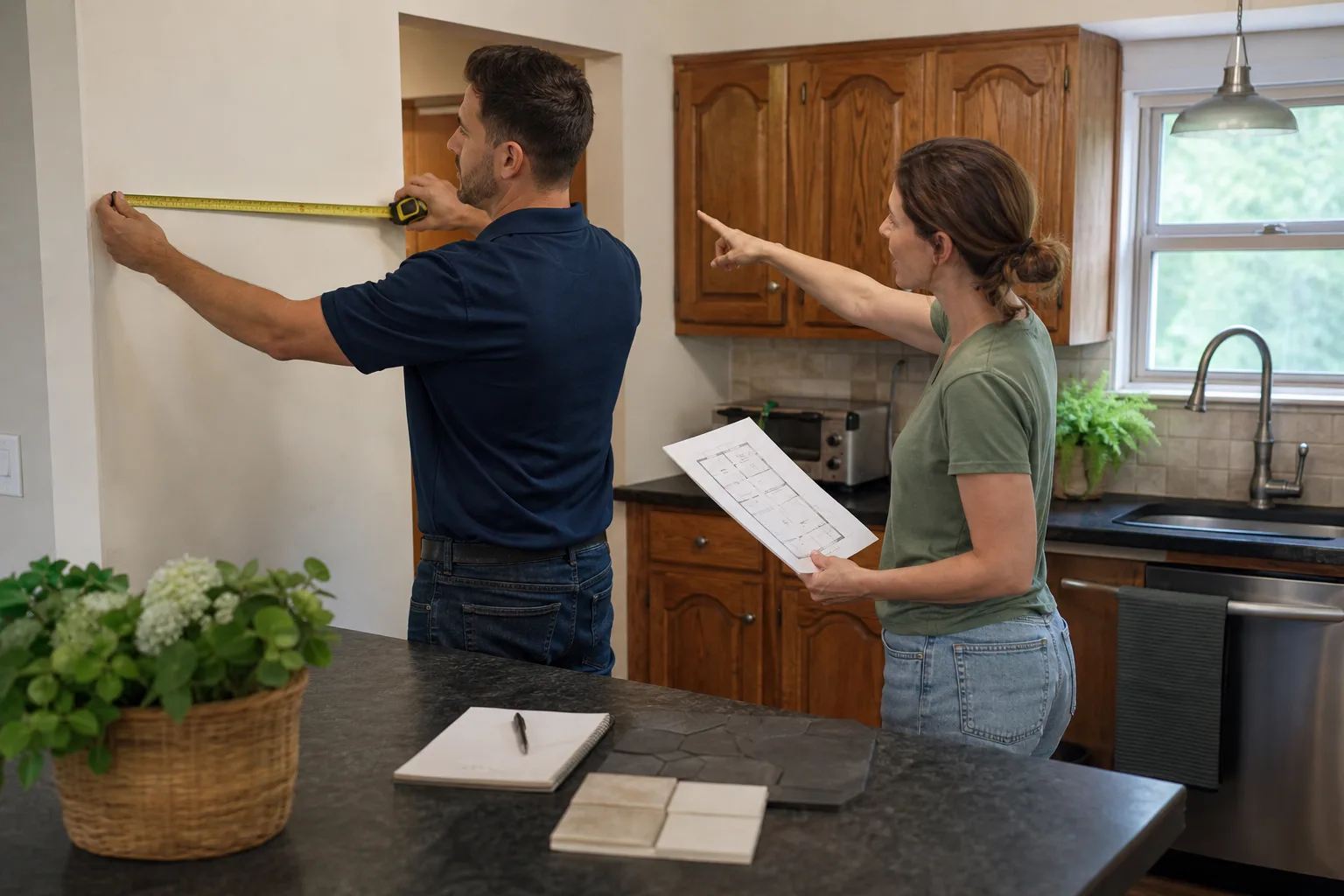

Free written scope consultation - allowances, timeline, and change-order rules on paper before a single trade is scheduled
James Hardie Roofing: The Riverside Owner’s Guide
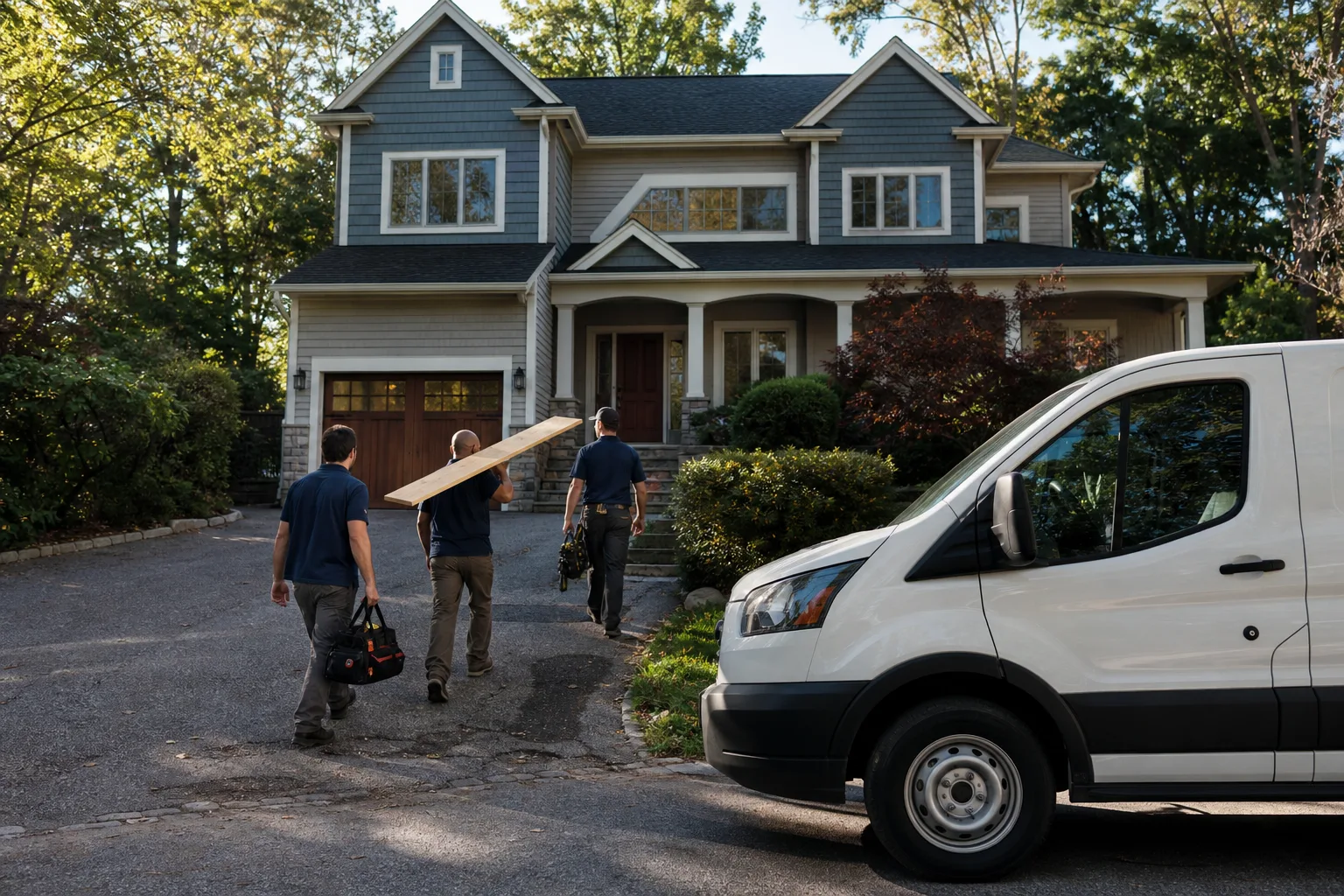
We stock and install James Hardie-compatible roofing components in Riverside, with most repairs running between $400 and $1,800 installed depending on the part and the extent of the roof damage. If a James Hardie roof panel or trim board has cracked, warped, or pulled loose after a Santa Ana wind event, we can usually get a crew out to assess it within a day or two. The typical call starts the same way: a homeowner notices a dark stain on the ceiling, finds a lifted edge near a fascia line, or hears a rattle during the afternoon winds that sweep through the Arlington Heights and Canyon Crest neighborhoods.
Riverside’s climate is hard on roofing. Dry heat bakes the surface, sudden winter rains test every seam, and the winds that come through the pass punish loose flashing. James Hardie products hold up better than most because the fiber cement is engineered to resist rot, but the fasteners, flashing, and underlayment around them are usually the first things to fail. When we roll up, we’re not just looking at the visible panel. We’re checking what holds it down and what keeps water moving off it.
Which James Hardie Models This Applies To
James Hardie makes several product lines used on roofing applications in Riverside, and the compatibility details matter more than most homeowners expect. The two big ones are HardiePanel vertical siding, often used on gable ends and shed-style roof sections, and HardieSoffit panels, which run along the underside of eave overhangs. A third, HardieTrim boards, is frequently used as fascia and rake boards around the roof perimeter. Each line has its own thickness, exposure rating, and fastener specification.
The gotcha most Riverside homeowners run into is this: HardieSoffit panels come in vented and non-vented profiles, and the vented version only works if the soffit cavity is actually open to attic airflow. If a previous installer used vented panels over a solid plywood eave, condensation builds up inside the cavity during Riverside’s cool winter mornings and silently rots the substrate from the back side. You won’t see it until the panel sags or the paint bubbles. That’s the kind of failure we trace back during a roof inspection.
For identification, look at the back edge of an existing panel. James Hardie stamps the product name, thickness, and lot code on the unexposed side. If you can’t reach it safely, our technician can match the profile from the front face and measure the thickness with a caliper. We spec OEM James Hardie panels when the roof section is visible from the street, because the color match and texture are exact. On repair sections where the panel is hidden by another roof plane, we may recommend a quality aftermarket fiber cement panel that meets the same ASTM C1186 standard at a lower parts cost. We’ll show you the numbers either way before anything gets ordered.
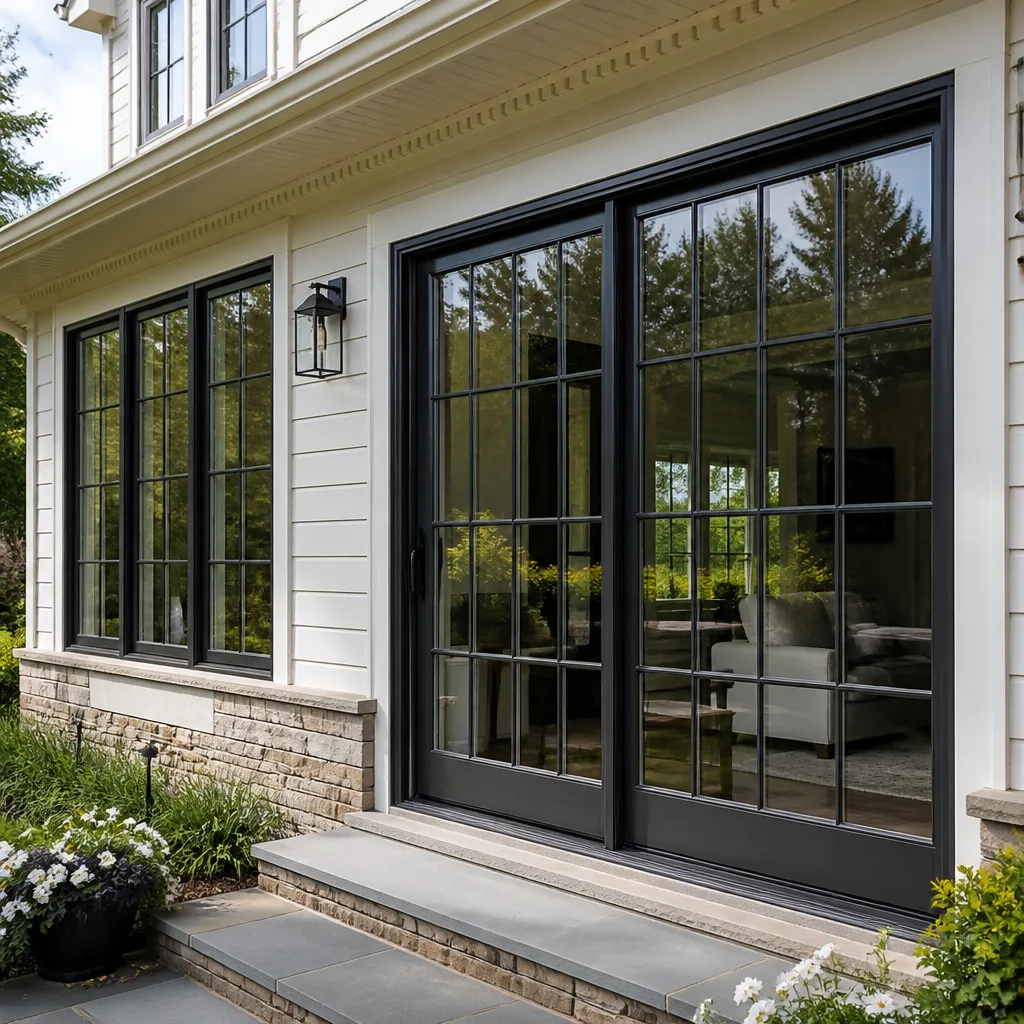
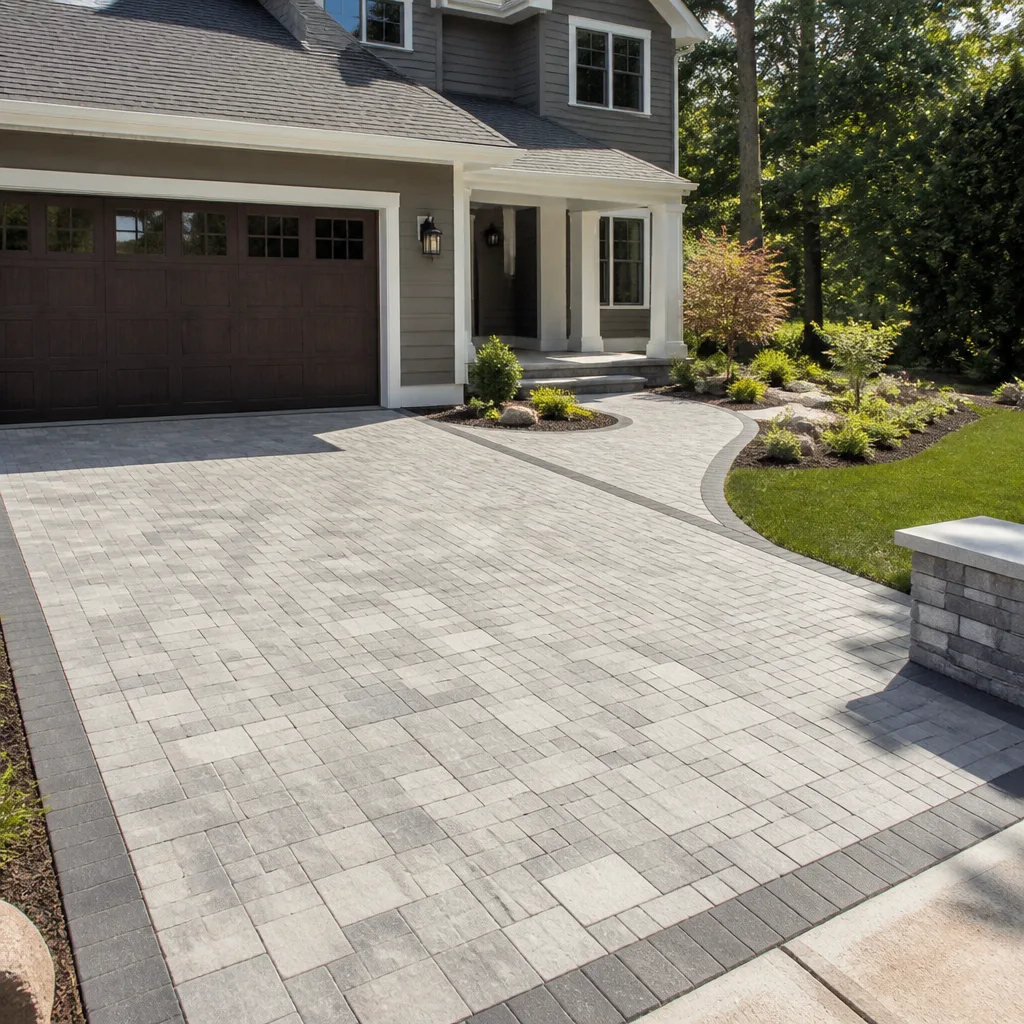
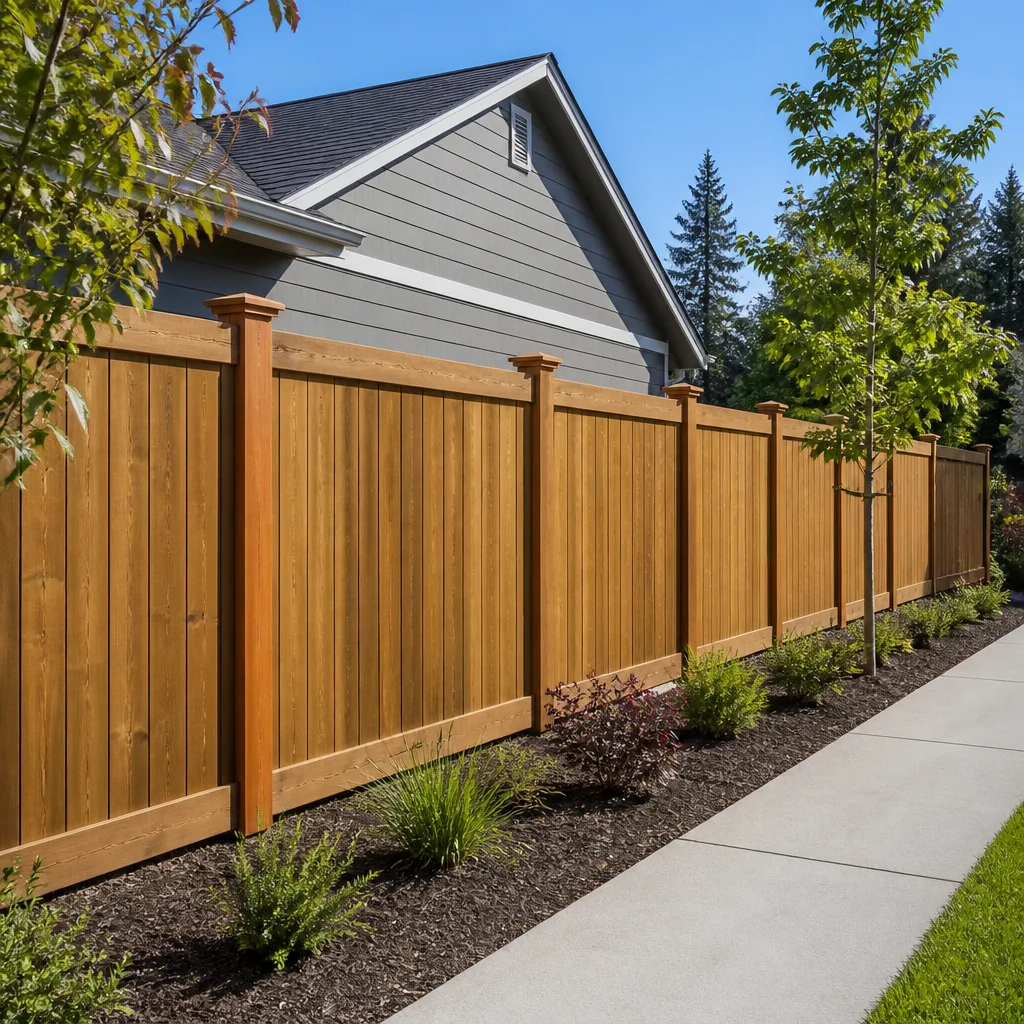
Styles & brands we work with
Signs Your James Hardie Roofing Is Failing
- Hairline cracks running from a fastener. Fiber cement doesn’t flex like vinyl or aluminum. If a panel was nailed too tight or the wood behind it swelled during a wet winter, the panel cracks at the nail head. Once water enters that crack, it migrates behind the panel and the problem compounds.
- Paint peeling in vertical strips. This usually means water is wicking behind the panel from a failed joint or a gap in the flashing. The paint fails because the back of the panel is never dry. Repainting fixes the look for a season, then it returns.
- A soft or sagging soffit panel. If you can press a soffit panel up and feel movement, the substrate above it is compromised. In older Riverside homes near the Wood Streets district, we often find original plywood eave sheathing that has been soaking up moisture from a failed drip edge for years.
- Visible rust on fastener heads or drip edge. James Hardie panels come with a 30-year limited product warranty, but the fasteners holding them are only as good as what was installed. Riverside’s occasional coastal-influenced humidity, combined with years of heat cycling, corrodes cheap steel nails and pulls the panel loose.
- Gaps at the fascia-to-panel seam. Fiber cement expands and contracts with temperature swings. Riverside nights drop 30 degrees from the afternoon high in fall. Over a decade, that movement widens joints if flexible flashing wasn’t used. A 1/8-inch gap lets wind-driven rain in during the rainy season’s worst downpours.
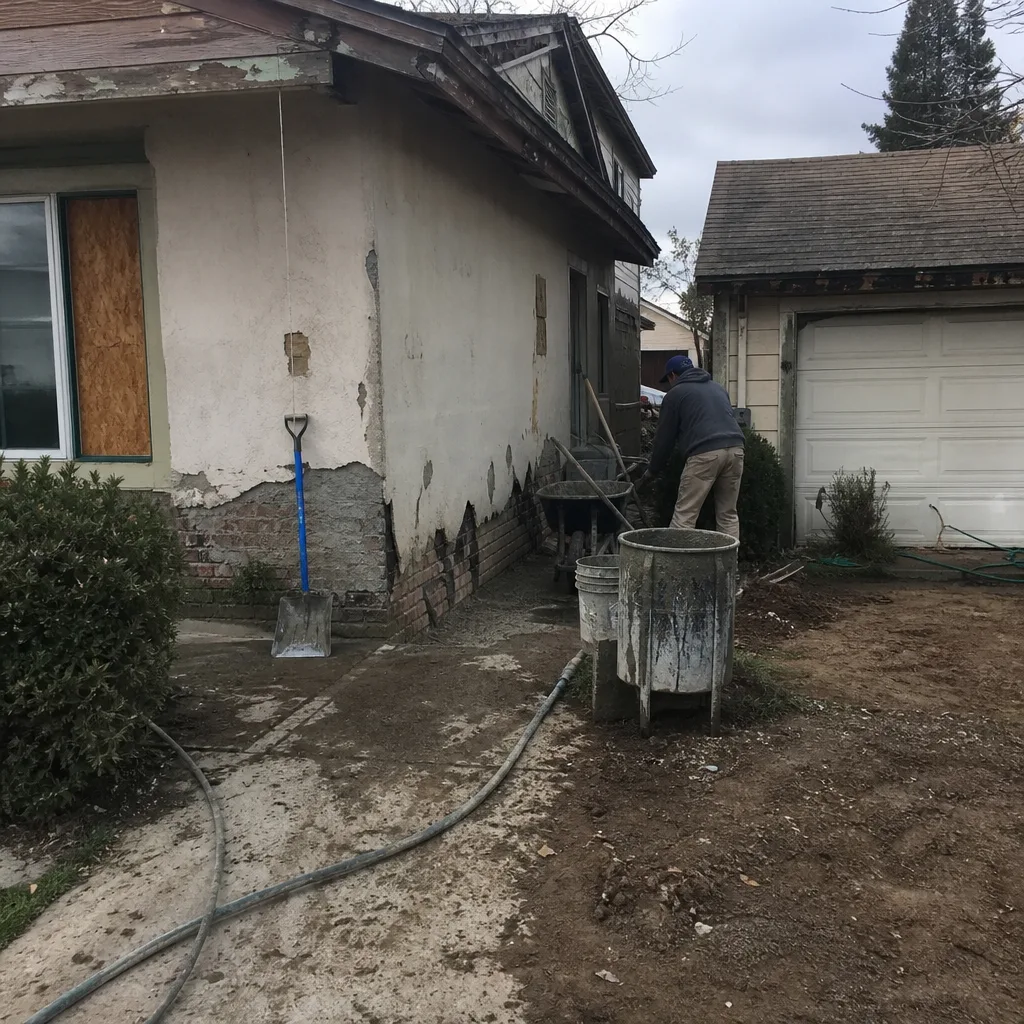
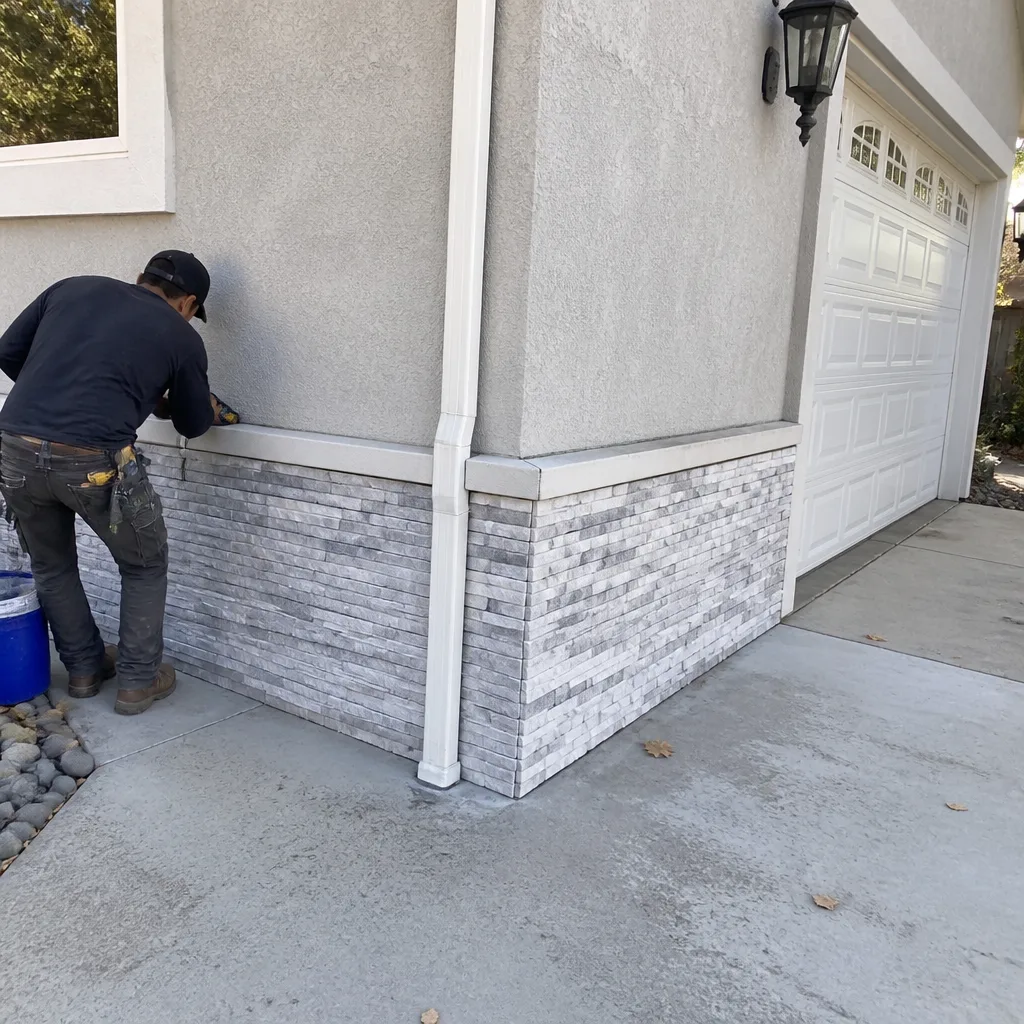
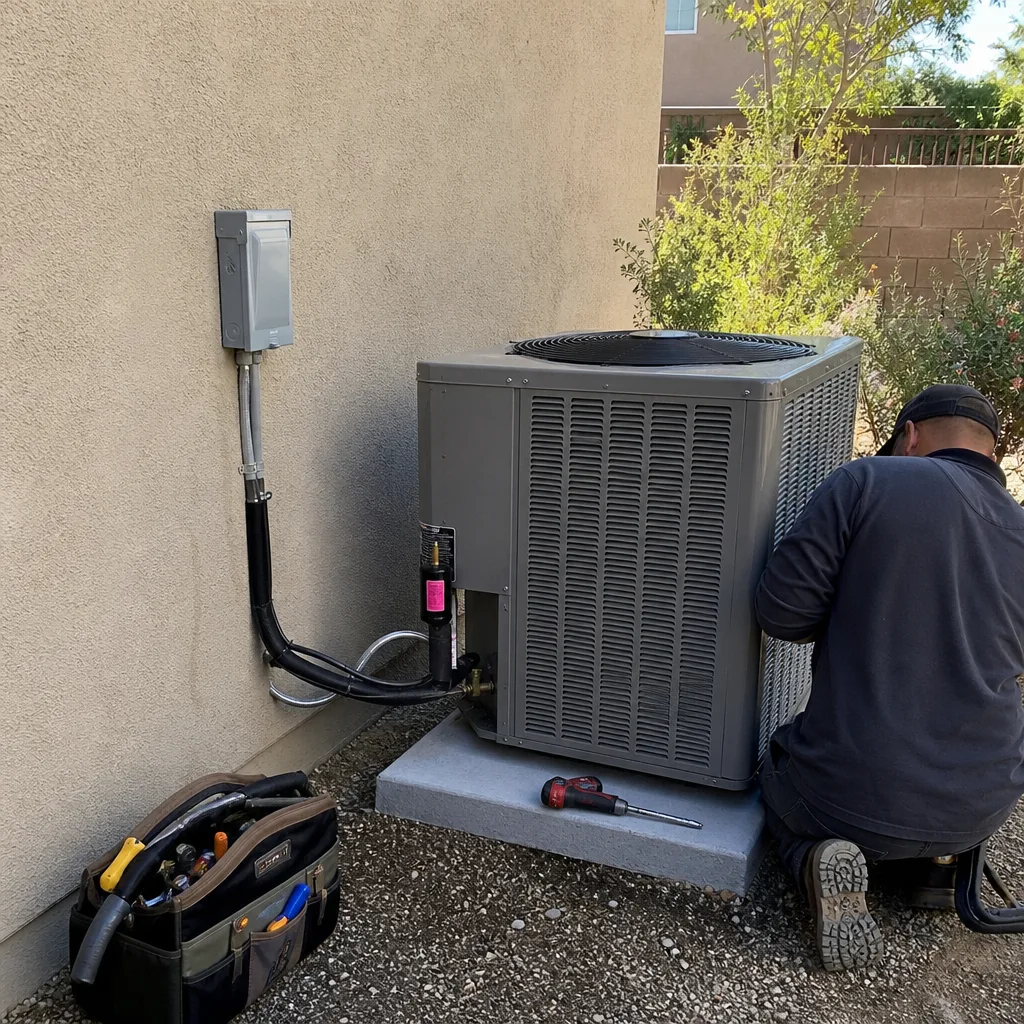
See the difference
 Before
 After
After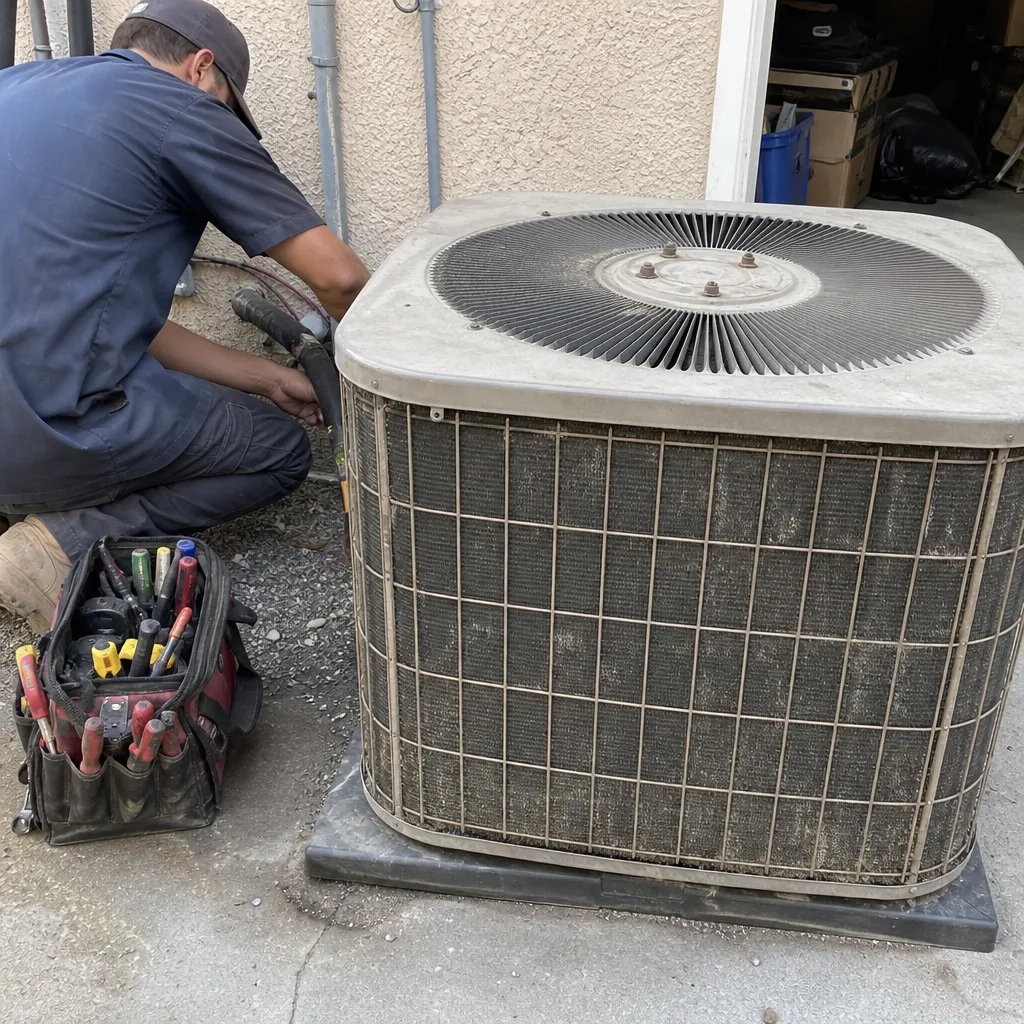 Before
 After
After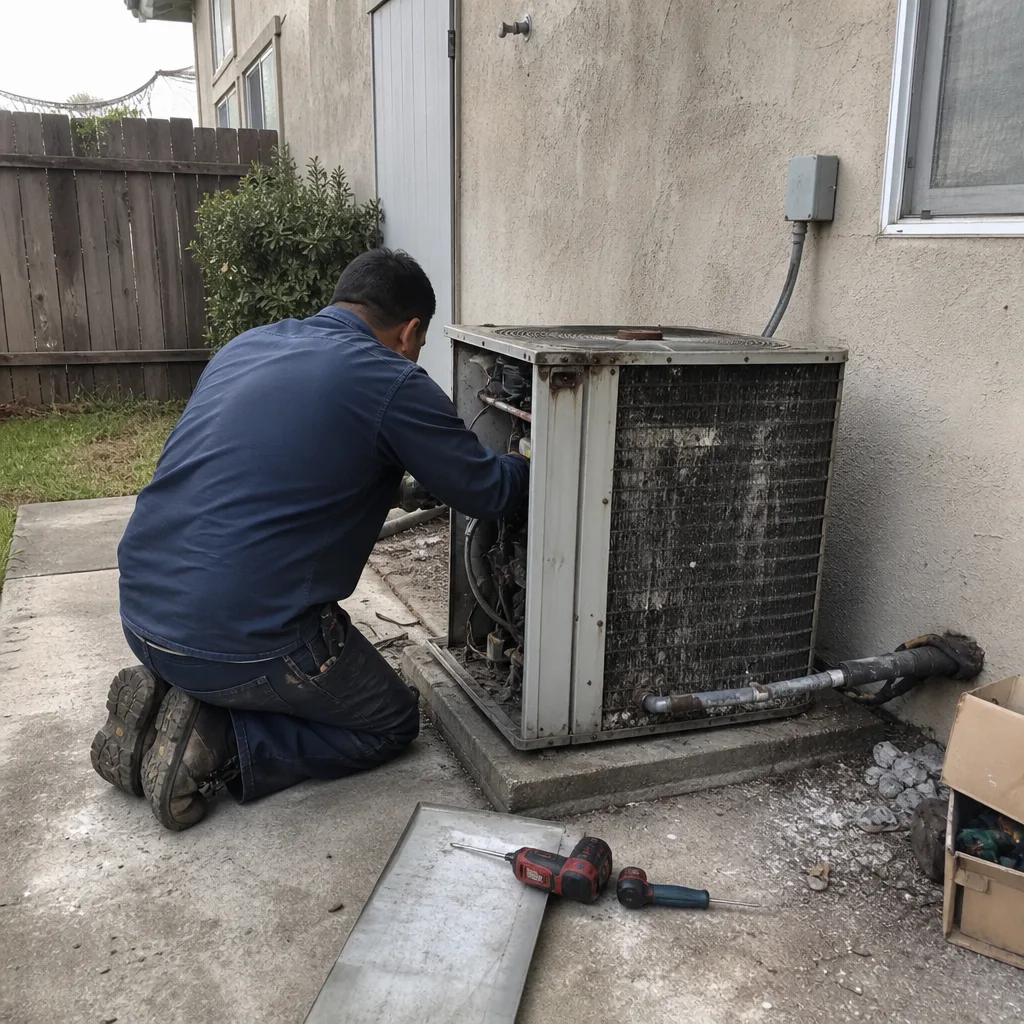 Before
 After
AfterReplacement Cost & What’s Included
Roof repair work in Riverside on James Hardie sections runs $400 to $1,800 for most jobs. A single cracked soffit panel replacement, including the panel, fasteners, touch-up paint, and an hour or two of labor, starts around $400. Replacing a full gable end with new HardiePanel, re-flashing the rake edges, and sealing all penetrations usually lands between $1,200 and $1,800. A full roof replacement, which means tearing off the existing roof covering and rebuilding the decking, underlayment, and roof structure where needed, runs $8,000 to $20,000 depending on roof size, pitch, and how much of the underlying framing needs correction.
What drives the range? Access is the big one. A single-story soffit repair on a level lot in La Sierra is faster than a two-story gable repair that needs a lift or scaffolding in Hawarden Hills. The second driver is what we find underneath. If the substrate is sound, the panel swap is straightforward. If water got in and rotted the eave sheathing or a rafter tail, that framing gets corrected before the new panel goes up, and the price reflects the added scope. We put every number in writing before work starts, and the written price doesn’t move at the door. The work itself carries the 365-Day Done Right Promise: if anything we touched fails within a year, we come back and fix it at no charge.
DIY or Call Us?
There are a few things a Riverside homeowner can check safely from the ground or a ladder. Look for visible cracks, rusted nail heads, or panels that have pulled away from the fascia line. Check the attic on a dry day for daylight showing through the soffit area or staining on the rafter ends. Those observations help us scope the job before we arrive.
What you shouldn’t do is get on a ladder with a pry bar and start pulling fiber cement panels off a two-story eave. These panels are heavy, the edges are sharp when they break, and cutting fiber cement without proper dust control releases silica into the air. Our technicians come with the right respirators, the right fasteners, and a written scope that covers what we find once the panel is off. If you found a failed panel and want an honest read on the repair, call (424) 567-8472. We’ll give you a straight number before any work begins.
FAQs
James Hardie fiber cement panels carry a 30-year limited product warranty, and in Riverside’s dry climate the panels themselves usually last that long or longer. The weak points are the fasteners and flashing around them, which often need attention at the 10 to 15 year mark. If the installation was done right, the panel will outlive the nails holding it. Call (424) 567-8472 and we’ll inspect the whole assembly, not just the visible panel.
A hairline crack can be patched and repainted for under $200 if it’s cosmetic and not letting water through. But if water has migrated behind the panel, patch work just buys you a season before the substrate rot spreads further. We’ll tell you which option makes sense for your roof at the inspection, and you’ll get a written price for either approach.
A single soffit panel swap takes about an hour once we’re on site. A full gable end with re-flashing and sealing is a half-day job. If the substrate underneath needs carpentry, that typically adds a day. We sequence the work so the roof is closed up and watertight before the crew leaves for the day, every day.
We keep common James Hardie soffit panels, trim boards, and the right fiber cement fasteners and flashing on our trucks, along with the compatible paint match for standard Hardie colors. Special-order profiles and non-standard colors usually arrive within a few days. Beyond James Hardie exterior products, we also work with KraftMaid, Cambria, and Silestone on interior remodeling projects, so the parts and materials sourcing doesn’t start from zero when you call.
No. We put the full scope and price in writing before any work begins, and we don’t reprice at the door. If we open up the roof and find framing damage we couldn’t see from the outside, we stop, show you what we found, and write a new scope with a new price before touching it. You approve it, or you don’t. Straight number, real scope, no surprises at the final walk.
Written by Curtis Lane, Owner, Bradford Remodeling Co Riverside at Bradford Remodeling Co Riverside, serving Riverside and nearby areas.