Free written scope consultation - allowances, timeline, and change-order rules on paper before a single trade is scheduled
James Hardie Driveway & Pavers: The Riverside Owner’s Guide
We stock and install James Hardie-compatible driveway and paver materials throughout Riverside, with typical installed paver driveway projects running $7,000 to $18,000 and concrete driveway installations between $4,500 and $12,000. Most calls start the same way: a homeowner notices a paver that’s sunk an inch and a half, a hairline crack that’s widened over three summers, or a concrete slab that’s spalled at the edge from Riverside’s hard water and 100-degree July afternoons. Here’s the straight answer: James Hardie doesn’t manufacture pavers or driveway surfaces. Never has. What they make is fiber cement siding and trim, and when homeowners hear “James Hardie driveway,” what they’re usually describing is one of three things: Hardie siding that’s been water-damaged at the driveway-adjacent foundation line, a paver or concrete driveway that runs alongside Hardie-clad exterior walls, or a contractor who claimed they’d “match the Hardie look” in hardscape. We’ll sort out which one you’re dealing with below, because the fix, the price, and the scope are different for each.
Which James Hardie Models This Applies To
James Hardie products that interact with driveway and paver work in Riverside fall into a few specific lines: HardiePlank lap siding (the 5/4″ and 7/16″ exposures), HardiePanel vertical siding (4×8 and 4×10 sheets), HardieTrim boards (5/4″ and 4/4″ thicknesses), and HardieSoffit panels. The compatibility gotcha most Riverside homeowners miss is clearance: James Hardie’s written installation specs require a minimum 2″ gap between the bottom edge of siding and any hardscape surface, including concrete driveways and paver walkways. When a driveway gets poured too high or pavers get stacked against the siding line, water wicks up behind the boards. In Riverside’s dry-summer flash-rain pattern, that trapped moisture doesn’t evaporate fast, and the bottom 4 to 6 inches of the Hardie plank starts to swell, delaminate, or hold mildew. The fix is rarely a siding-only job. It’s a hardscape-grade correction: cutting back the paver or slab edge, adding a drainage channel, then replacing the damaged Hardie boards with matching product. That’s the kind of scope we write down before we touch anything.
If you’re trying to identify your Hardie product, look at the back of any loose or broken piece. Every genuine James Hardie board carries a printed label with the plant code, production date, and product line. The plant code matters for color and texture matching. Hardie product made in the Fontana plant (which supplies most of Riverside) can differ slightly from the same line made in Cleburne, Texas. A mismatched replacement board looks wrong at raking light. That’s a detail we check before we order.
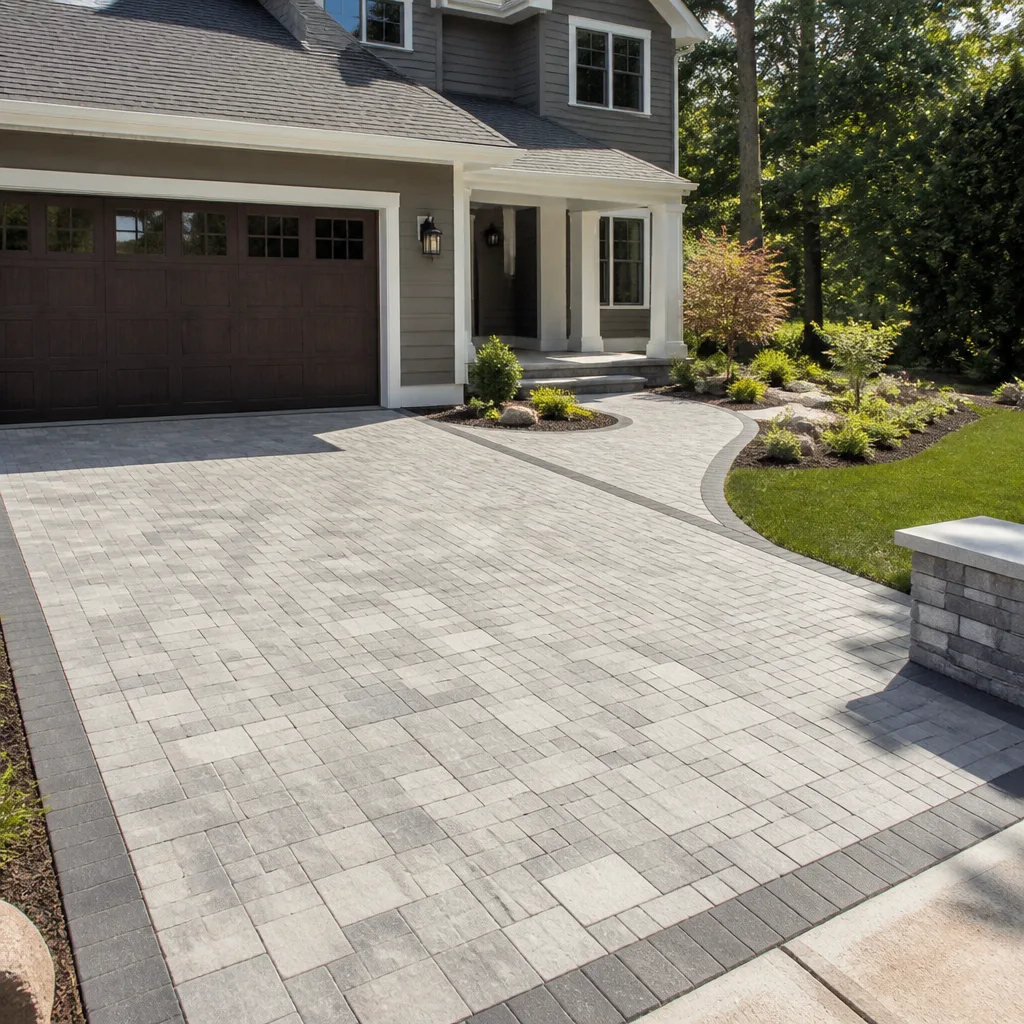
We also install Belgard and Unilock pavers, which are what actually go on the ground when a Riverside homeowner says “Hardie driveway” and means the whole exterior package. We don’t pretend to sell a Hardie paver. It doesn’t exist. We’ll say that plainly up front because honesty on the first call is cheaper than a callback after the wrong product shows up.
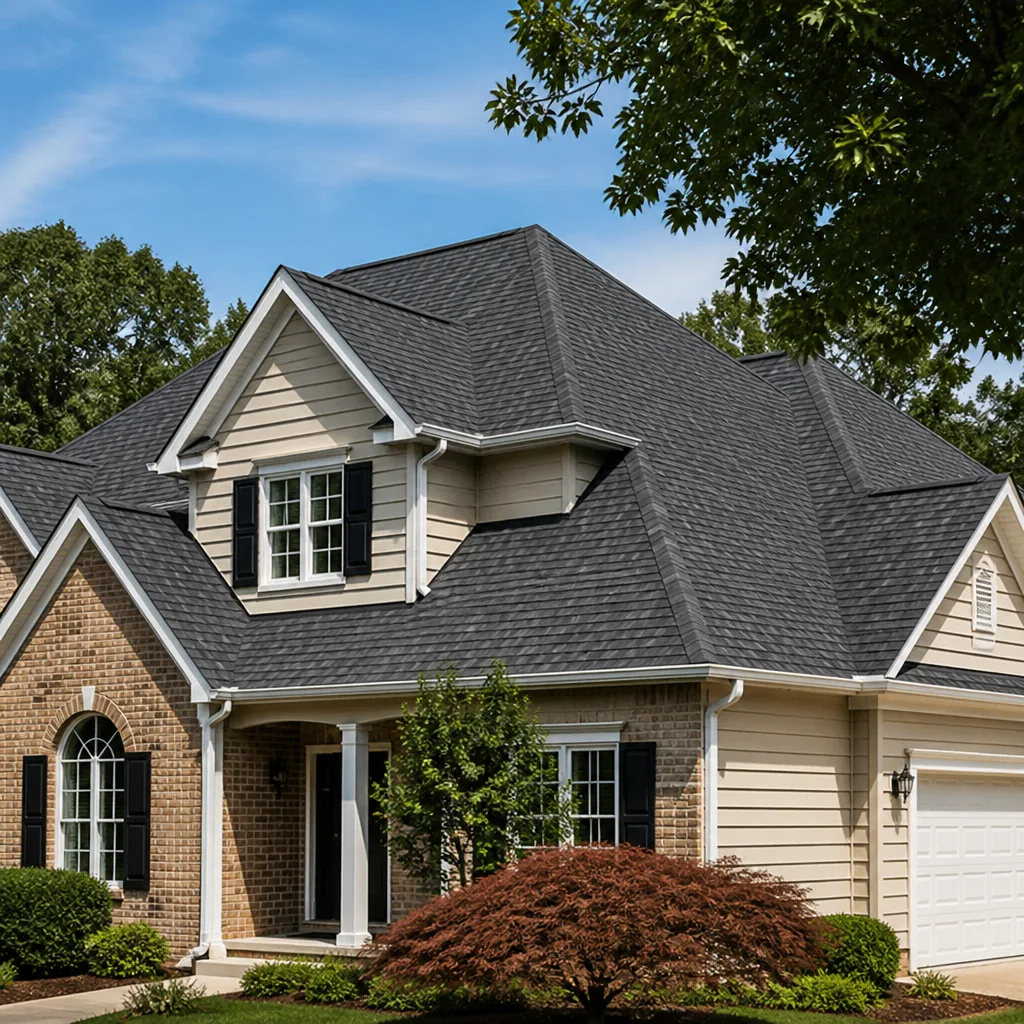
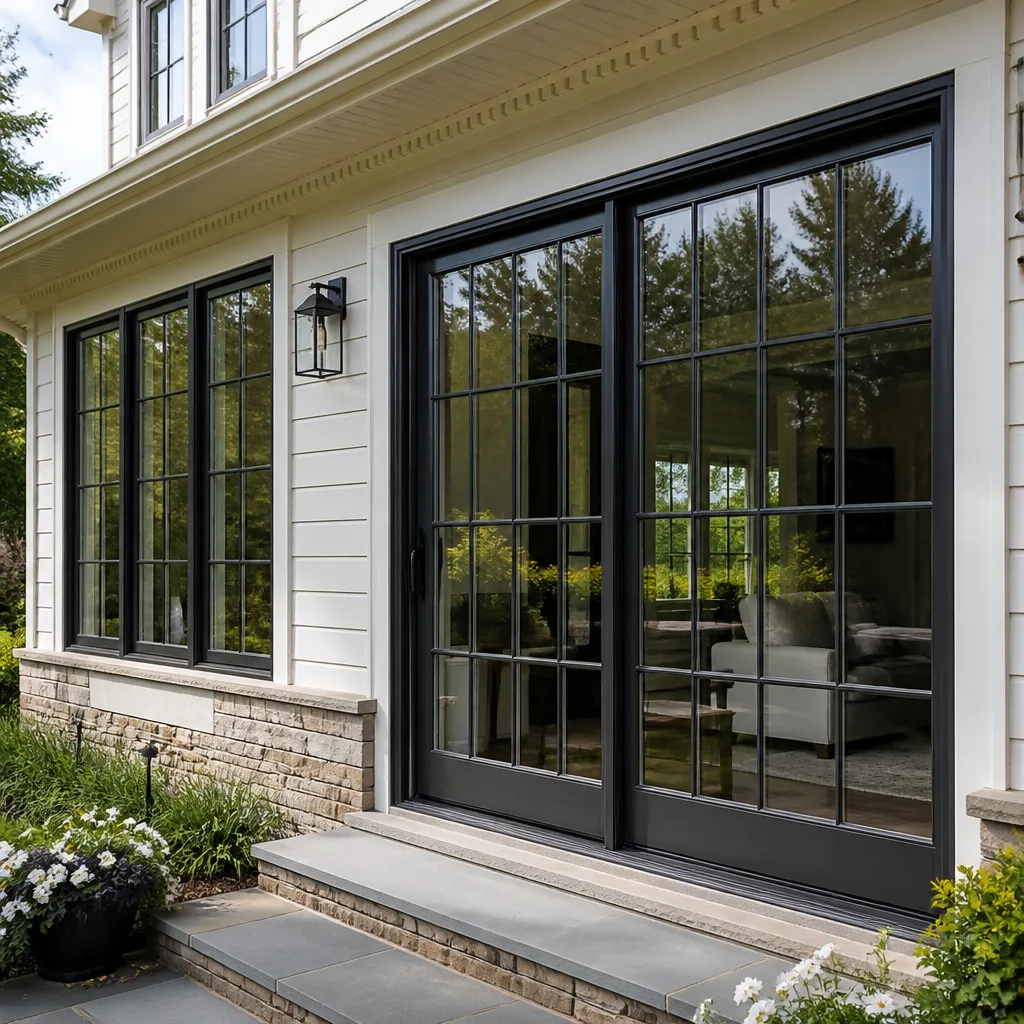
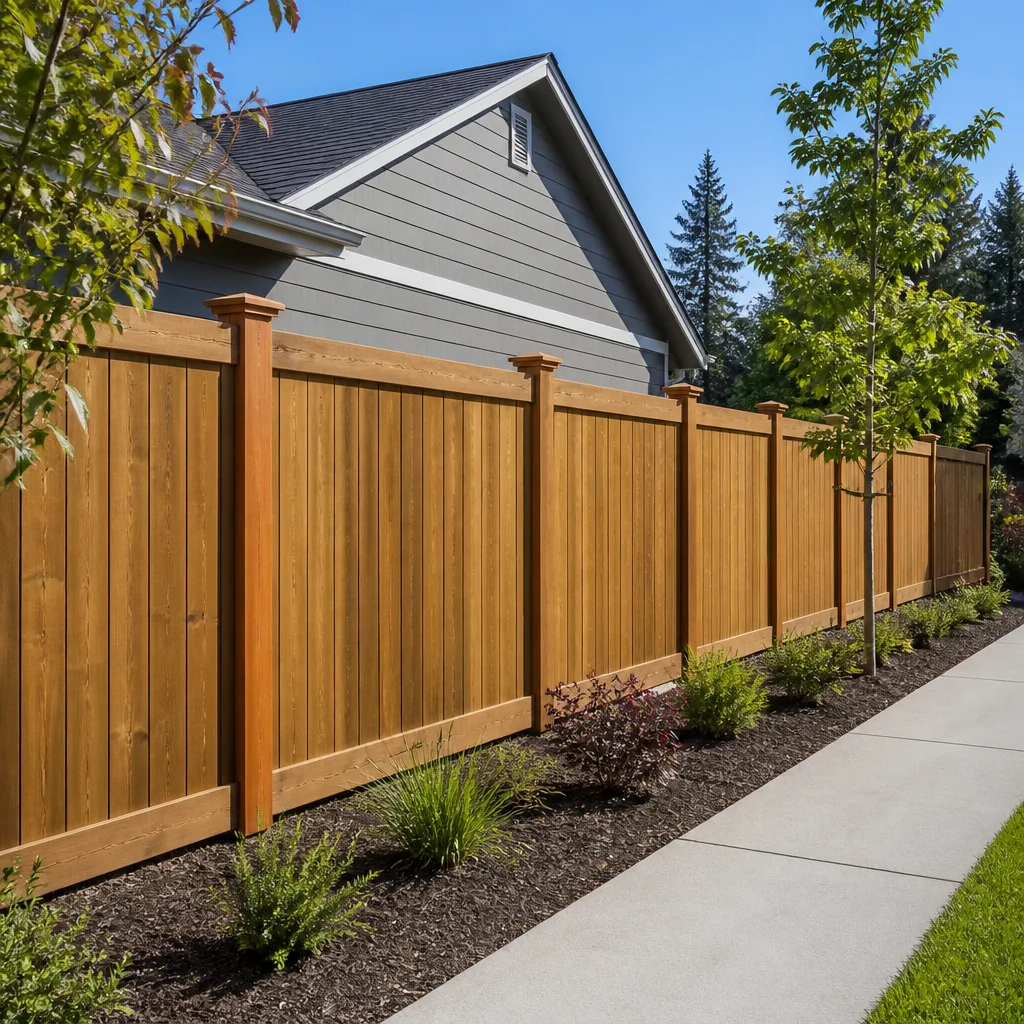
Styles & brands we work with
Signs Your James Hardie Driveway & Pavers Area Is Failing
- Paver settlement at the garage apron. Riverside’s clay-heavy soil expands in winter wet and shrinks in summer heat. Poured a paver base too thin, and by year three the first three rows at the garage mouth are sunken and the surface holds standing water. The fix is lift-and-relay with a corrected base, not more sand on top.
- Water staining on Hardie siding within 6 inches of the driveway. That’s capillary wick, and it means the hardscape is too close or graded toward the wall. The siding stain is a symptom. The correction is in the grade and clearance.
- Spalled concrete edges along the driveway shoulder. Riverside irrigation overspray plus summer heat cycles the surface, and the edge crumbles in chunks. Once spalling starts, sealers won’t reverse it; the section gets cut and replaced.
- Cracks radiating from the control joints. Concrete is supposed to crack at the joint, not around it. Cracks that wander off the joint line usually mean the sub-base wasn’t compacted right or the slab was poured thinner than the 4″ minimum for a standard driveway in this region.
- Mildew or rot on Hardie trim at the paver walkway. Hardie is moisture-resistant, not waterproof, and constant contact with wet pavers overwhelms it. We see this most on north-facing walkways in Riverside’s older neighborhoods, where winter shade keeps the base damp for weeks.
See the difference
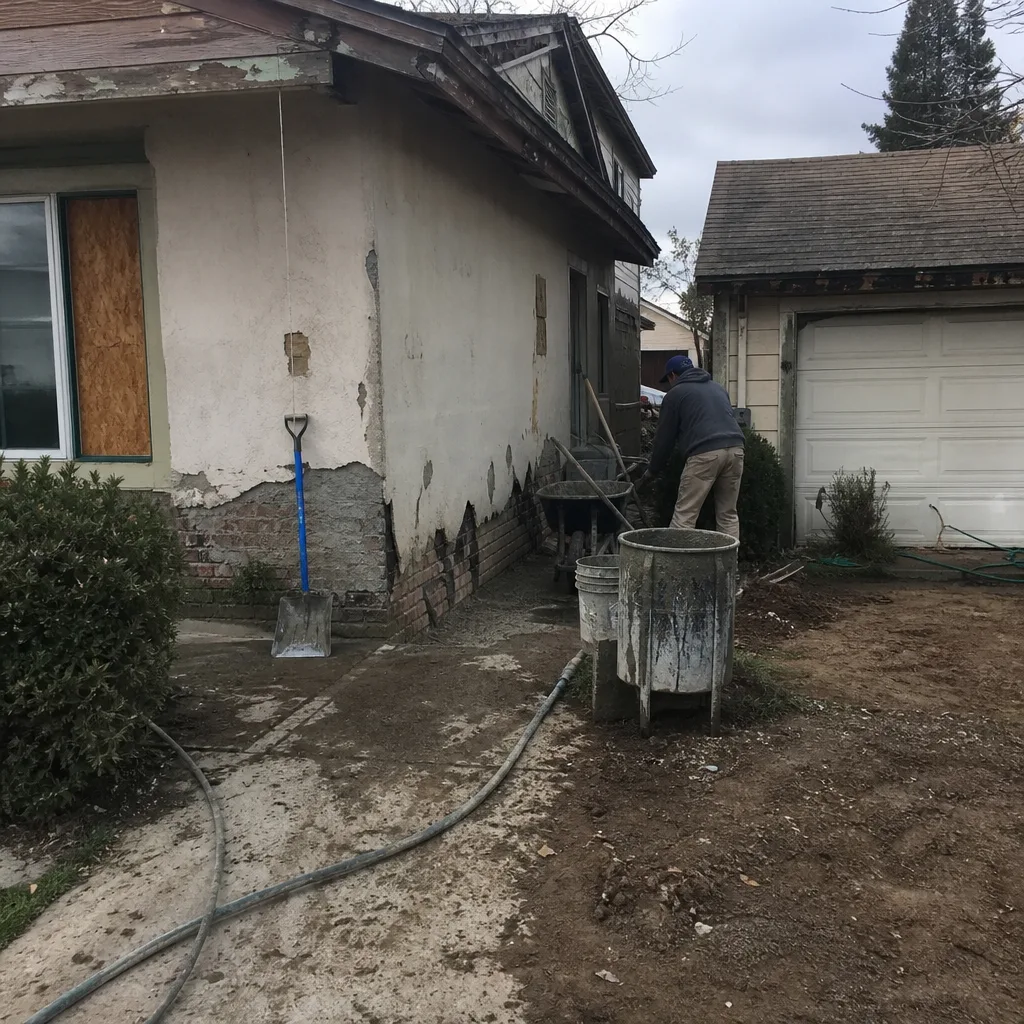 Before
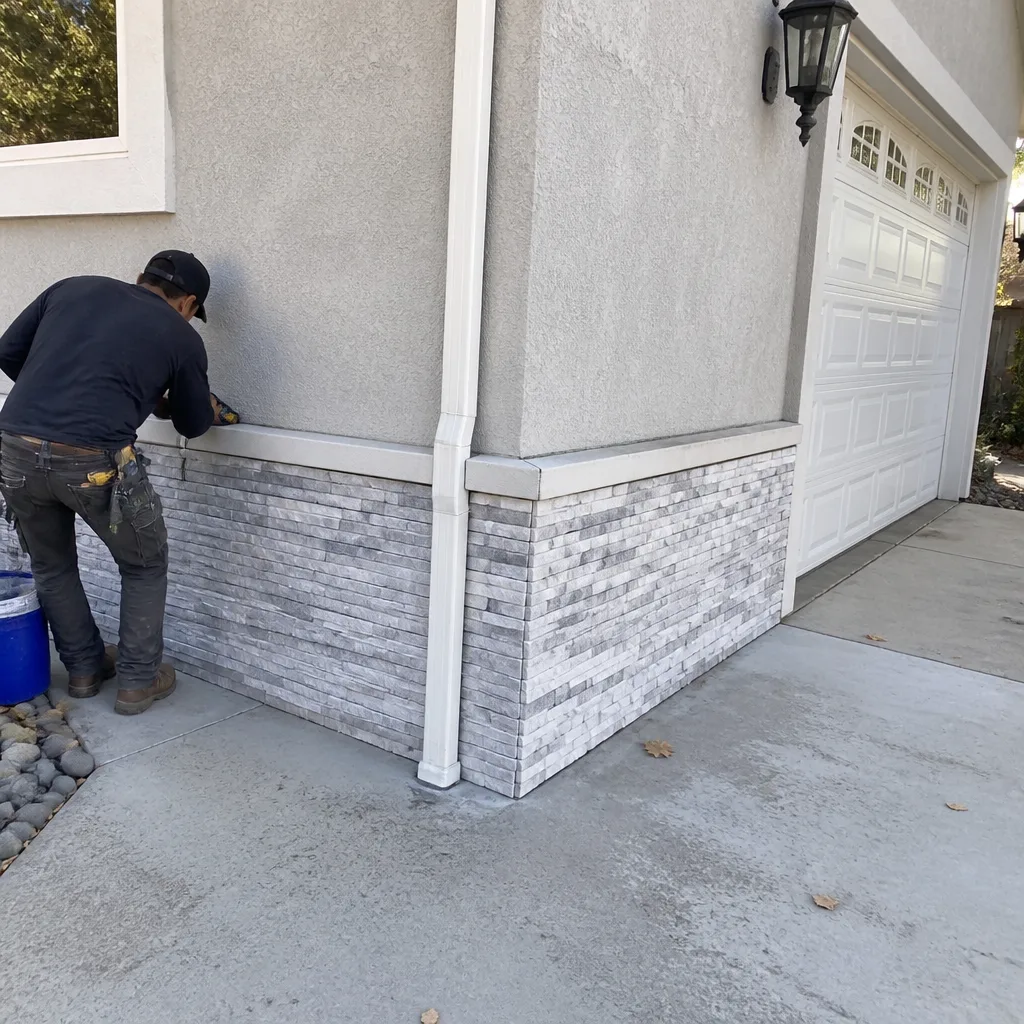 After
After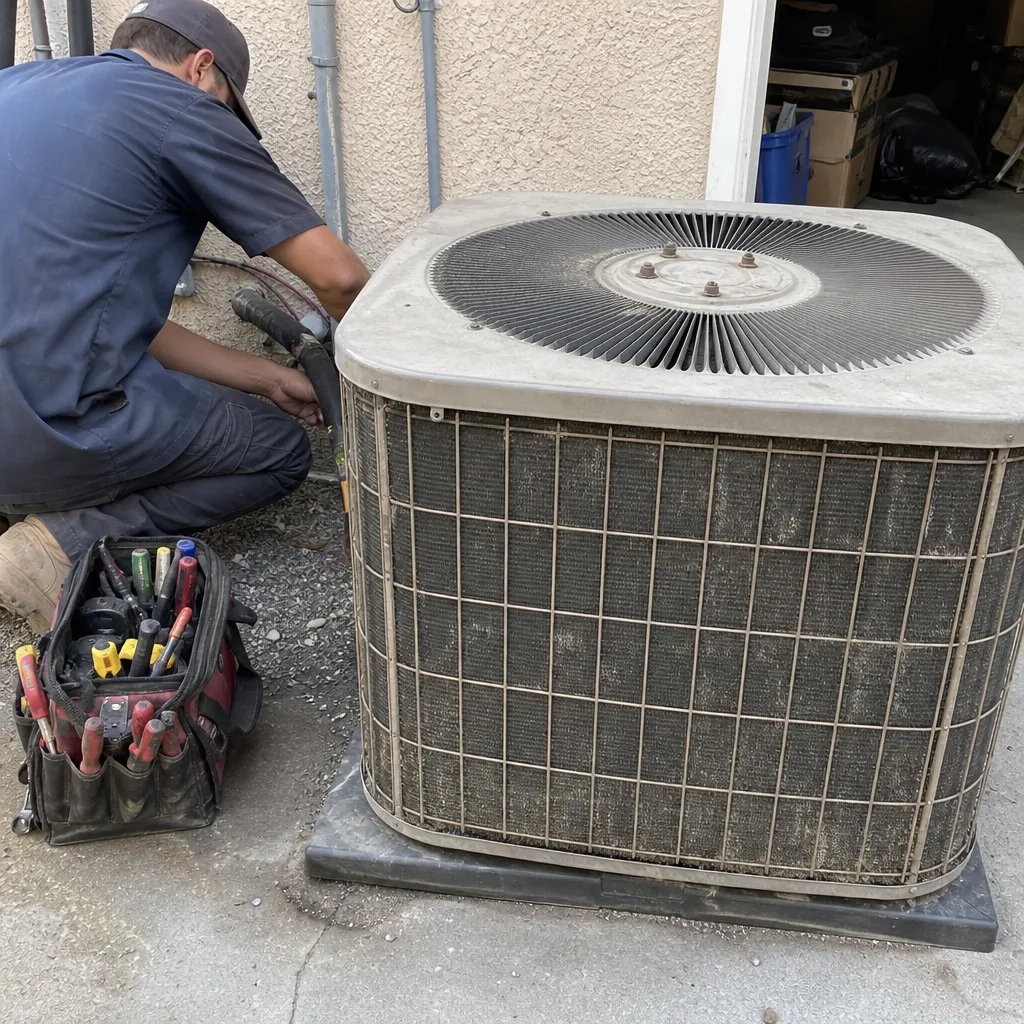 Before
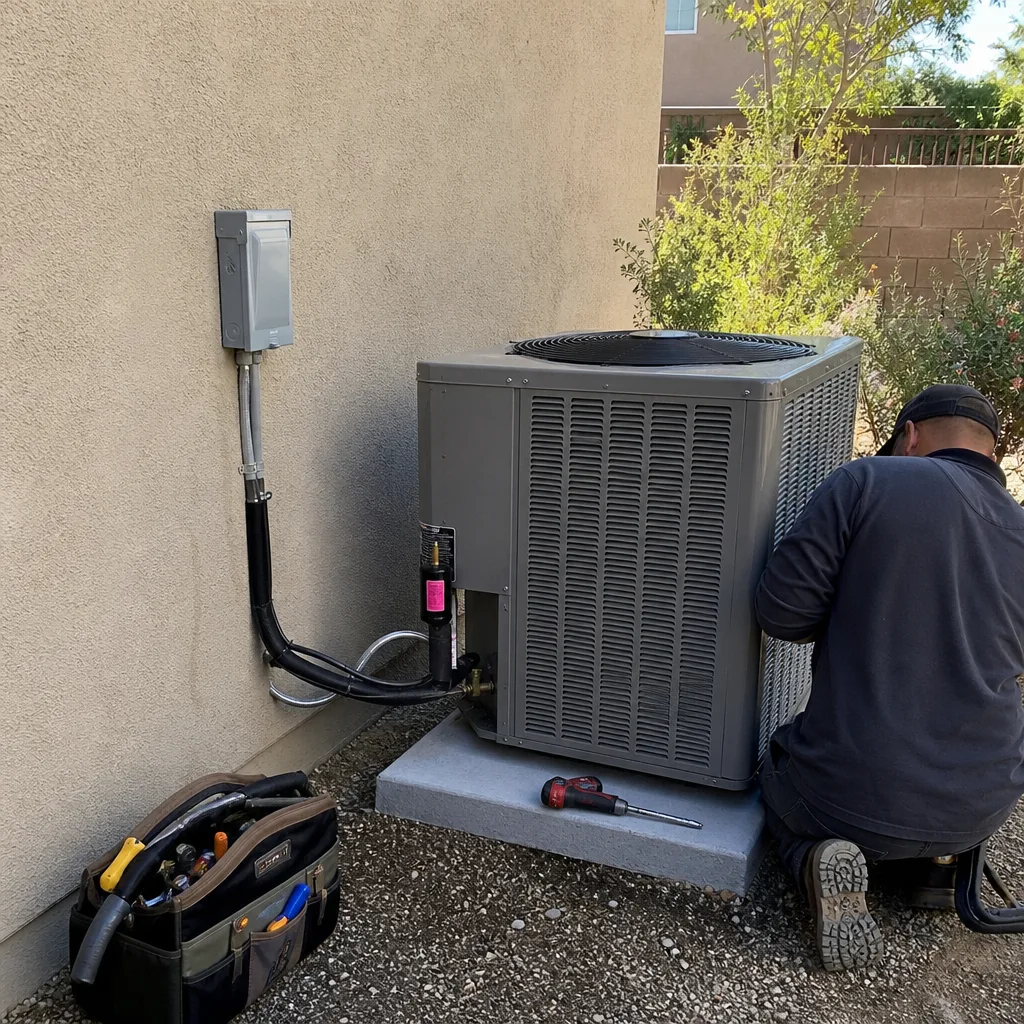 After
After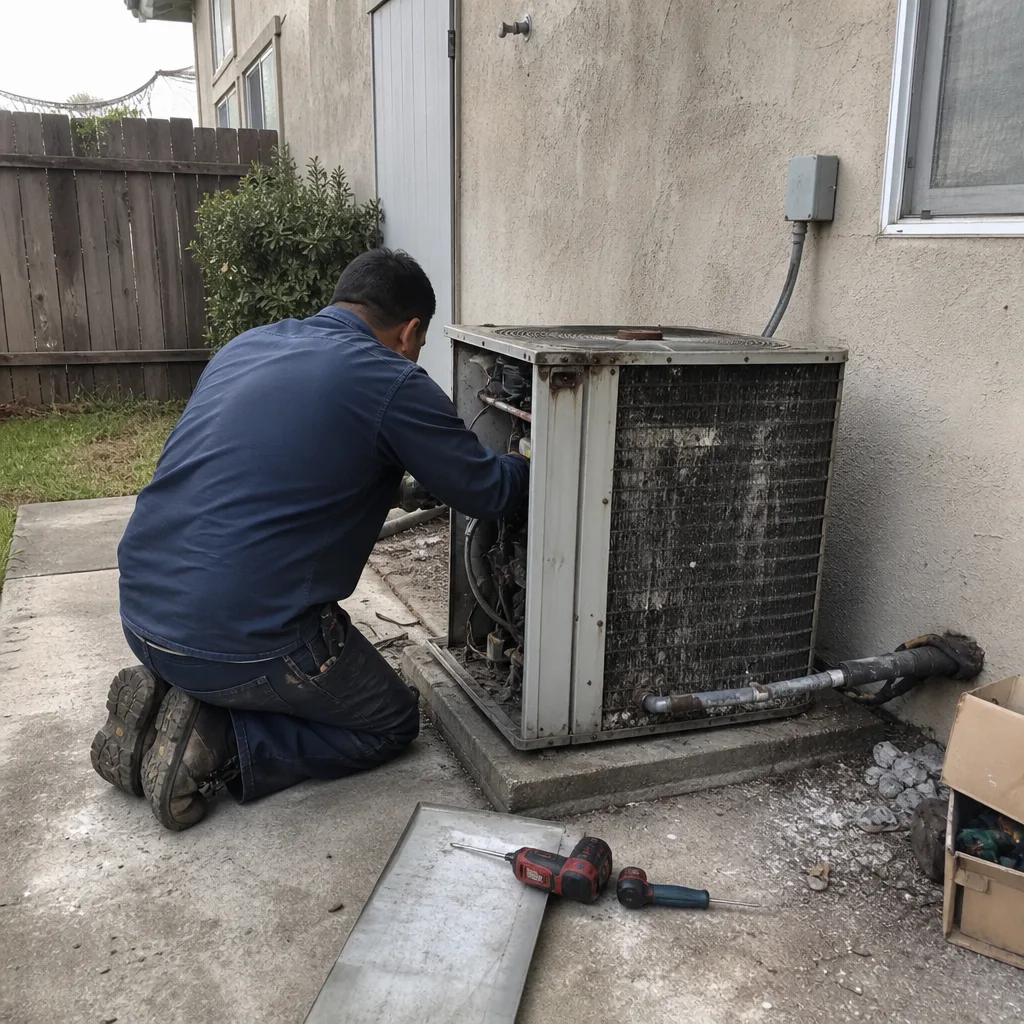 Before
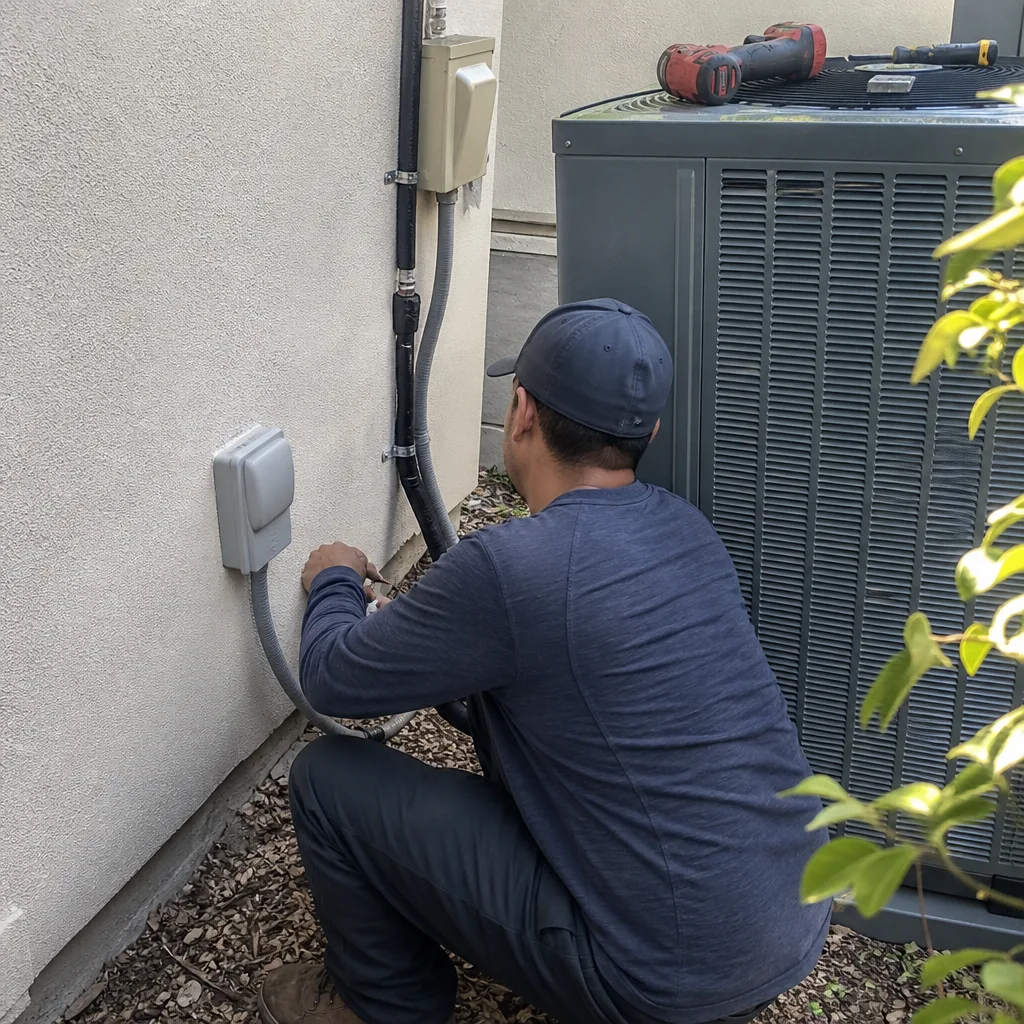 After
AfterReplacement Cost & What’s Included
A paver driveway installation in Riverside runs $7,000 to $18,000 depending on square footage, paver line (Belgard and Unilock are the two we document most often), base depth, and whether we’re removing an existing slab first. Concrete driveway installations run $4,500 to $12,000, with removal of old concrete adding to the low end of that band. Asphalt paving runs $3,500 to $9,000. Driveway sealing runs $250 to $700. Every one of those numbers is a written range before work starts, not an estimate that moves at the door. Curtis Lane will put the price, the scope, the material specs, and the schedule on paper. You sign it. We build to it. The 365-Day Done Right Promise covers the completed work for a full year: if the installation fails inside that window, we return and correct it at no charge. You get that guarantee in writing at close, with the site cleaned and the punch list closed.
Here’s how the numbers break down on a typical Riverside paver driveway:
- Demolition and haul-off of existing surface: $1,500 to $3,500 depending on thickness and dump fees.
- Base prep (excavation, compaction, geotextile if needed): $800 to $2,200.
- Paver material (Belgard or Unilock, including edge restraints): $6 to $12 per square foot installed.
- Joint sand and final compaction: $400 to $1,000.
- Perimeter drainage correction if Hardie siding clearance is involved: $500 to $1,800.
If your Hardie siding at the driveway line needs replacement as part of the scope, that’s priced separately from the hardscape, with the siding material matched to the existing plant code. We don’t bury one line item inside another.
DIY or Call Us?
Some of this is safe to check yourself: walk the driveway edge with a level, look at the gap between the bottom of your Hardie siding and the hardscape, and note where water pools after the next storm. That tells you what the problem is. Fixing it is different work. Pulling pavers, re-compacting base, and correcting grade is heavy, repetitive work that ruins a weekend and a lower back. Cutting back concrete against a Hardie wall with the wrong tool scores the siding and creates the exact water-damage problem you were fixing. And if the failed area involves a gas line running under the driveway to a meter, as many Riverside homes have, digging without a locate ticket is a genuine safety risk. Call 811 or let us handle the sequencing; we do it as part of the scope. For anything beyond a visual check, call us at (424) 567-8472 and we’ll tell you over the phone whether it’s worth a service visit. Straight number, real scope, no surprises at the final walk.
FAQs
A properly installed paver driveway with a compacted base should hold its surface for 25 to 30 years in Riverside’s climate, though individual pavers may need re-leveling at the 10- to 15-year mark as the native clay soil cycles through wet winters and dry summers. The failure we see most often isn’t the paver; it’s the base, and a corrected base is the difference between 5 years and 30. Call (424) 567-8472 for an on-site assessment; the estimate is free.
Yes, if the crack is stable, narrow, and at the control joint, a saw-cut and seal repair can buy 5 to 10 years at a fraction of replacement cost. If the crack is wider than a quarter inch, displaced vertically, or wandering off the joint line, the base has failed and patching won’t hold. We’ll tell you which one you have before we write any number.
Most paver driveway replacements take 3 to 5 working days from demolition to final joint sand. Concrete driveway replacements typically take 5 to 7 days including demolition, formwork, pour, and cure time before vehicle traffic is safe. Weather and Riverside’s summer heat can push cure windows slightly. We sequence it in writing so you know which days the crew is on site.
We keep common James Hardie board profiles and standard Belgard and Unilock paver colors in our Riverside inventory, and we source non-stock items through documented manufacturer channels, not third-party surplus lots. If you need a specific Hardie plant code matched or a discontinued paver color blended, we’ll verify availability before we quote so the price you sign is the price you pay. Call (424) 567-8472 and a live person will answer.
Written by Curtis Lane, Owner, Bradford Remodeling Co Riverside at Bradford Remodeling Co Riverside, serving Riverside and nearby areas.