Last updated October 16, 2026






Free written scope consultation - allowances, timeline, and change-order rules on paper before a single trade is scheduled
The Complete Guide to Construction in Riverside
Riverside City Building & Safety issued over 14,000 residential permits in a recent 12-month period, yet contractor complaint filings with the CSLB from Riverside County ran in the hundreds that same year. Volume and quality are not the same thing. Most homeowners step into a construction project expecting it to run like a transaction: sign a contract, watch the work happen, write the check. What they actually get is a collision of Inland Empire labor pricing, CalGreen code layering, and a permit backlog that can idle a slab pour for three weeks while an overworked plan checker cycles through a queue. This guide walks the full map, from climate-driven material choices to reading a permit status page, so you know what a squared-away project in Riverside actually looks like before you spend a dollar. For more, see our more guides & resources.
Quick Answer
Construction in Riverside is governed by Riverside City Building & Safety, the 2022 California Building Code with Riverside amendments, and the city’s current CalGreen Tier 1 requirements. See our detailed guide on Construction Permits, Codes & Inspections in CA: What You Need to Know. A typical kitchen remodel in Riverside runs $180 to $320 per square foot, a bathroom remodel $150 to $280, and a home addition $200 to $350, with permit fees adding $1,500 to $8,000 depending on scope. The single most important move a Riverside homeowner can make is locking a written price and a written scope before work starts, then tracking permit status directly on the city’s portal rather than taking a contractor’s word for it.
Styles & brands we work with

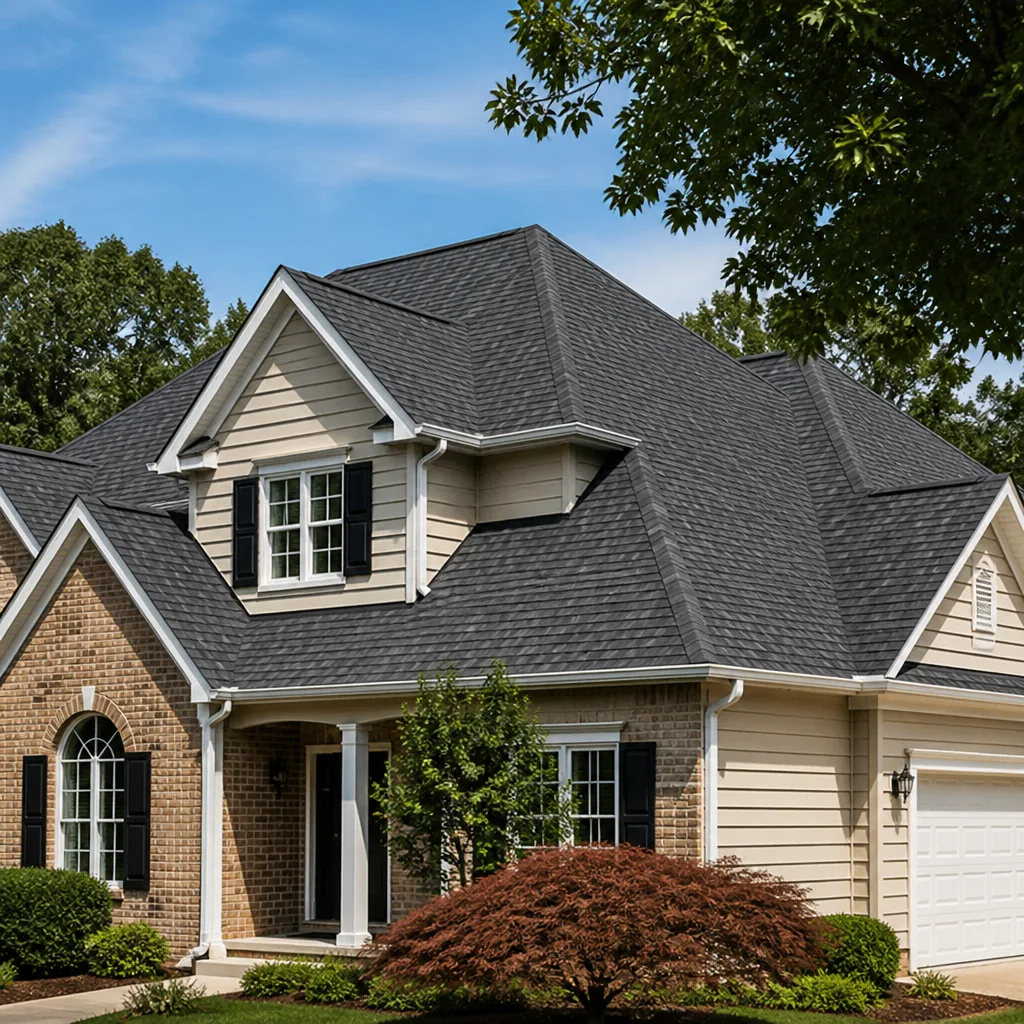
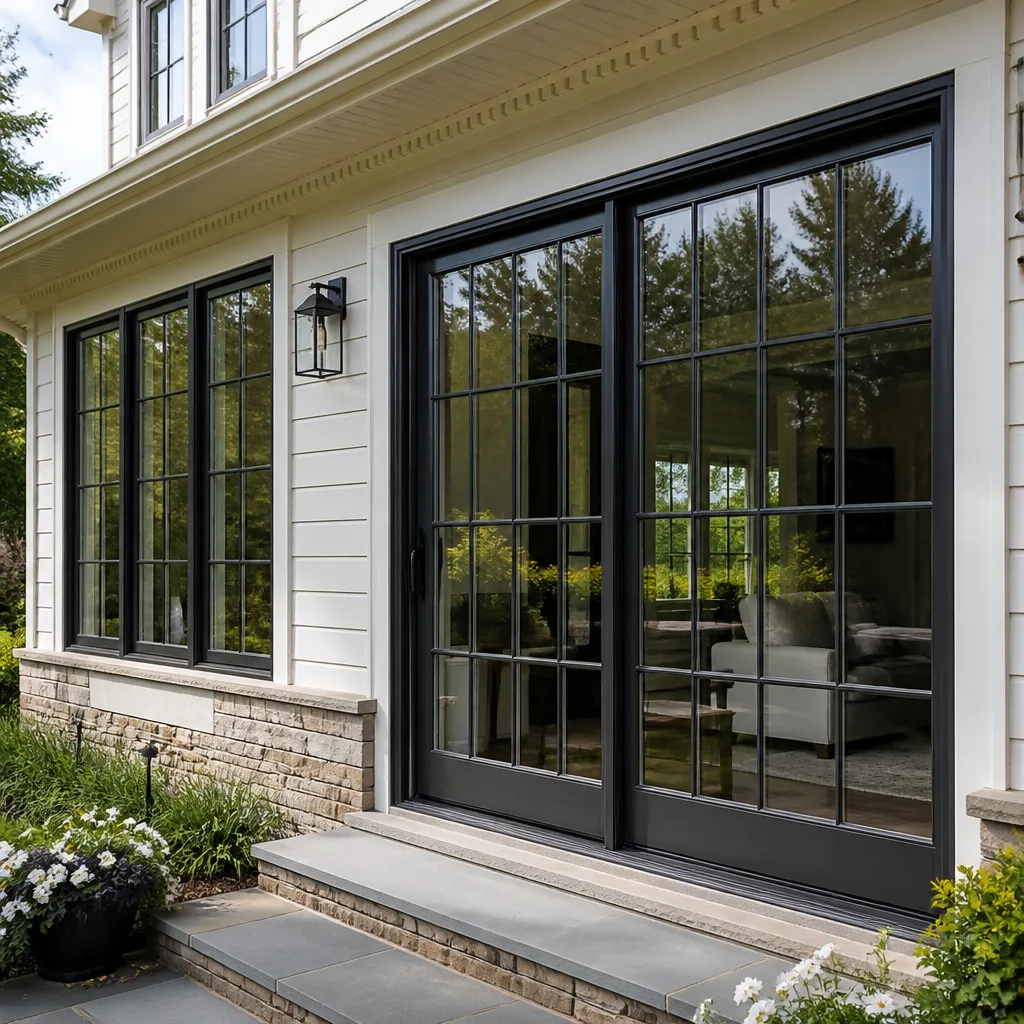
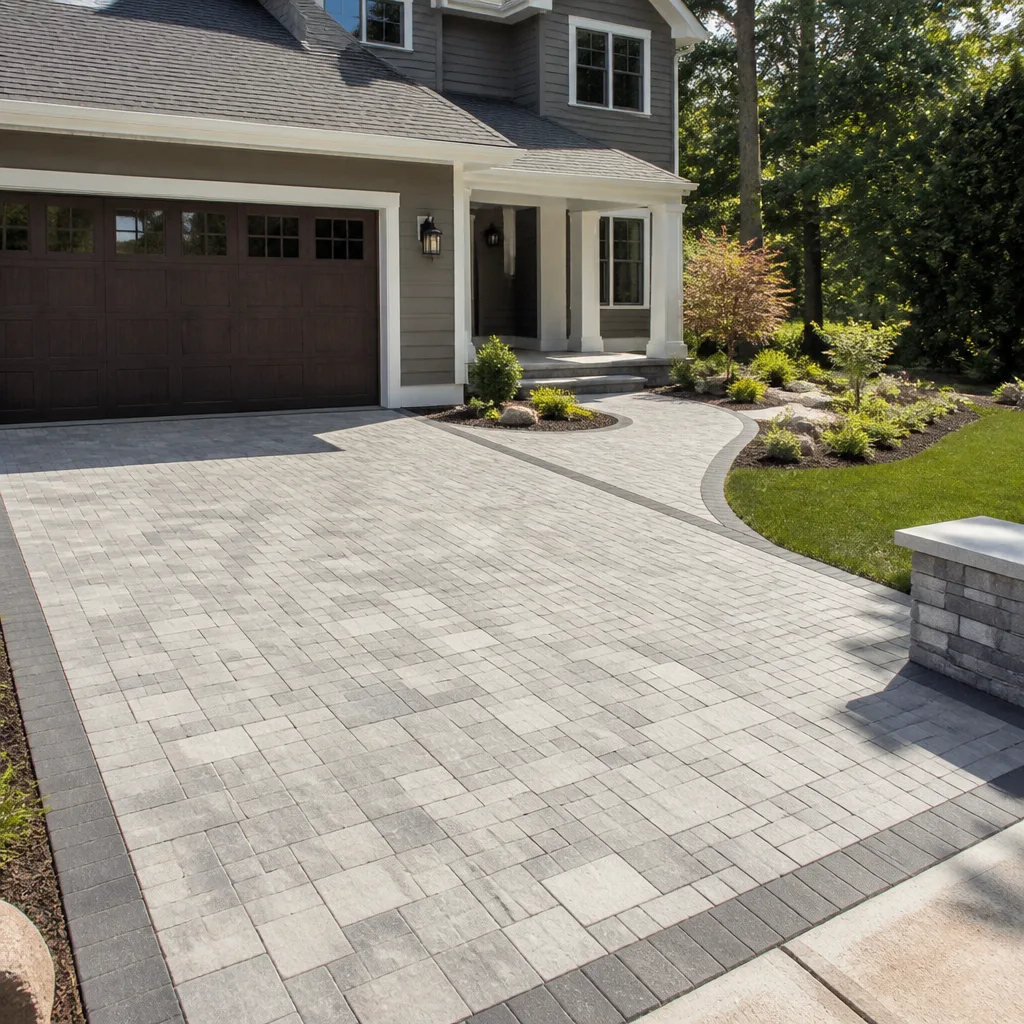
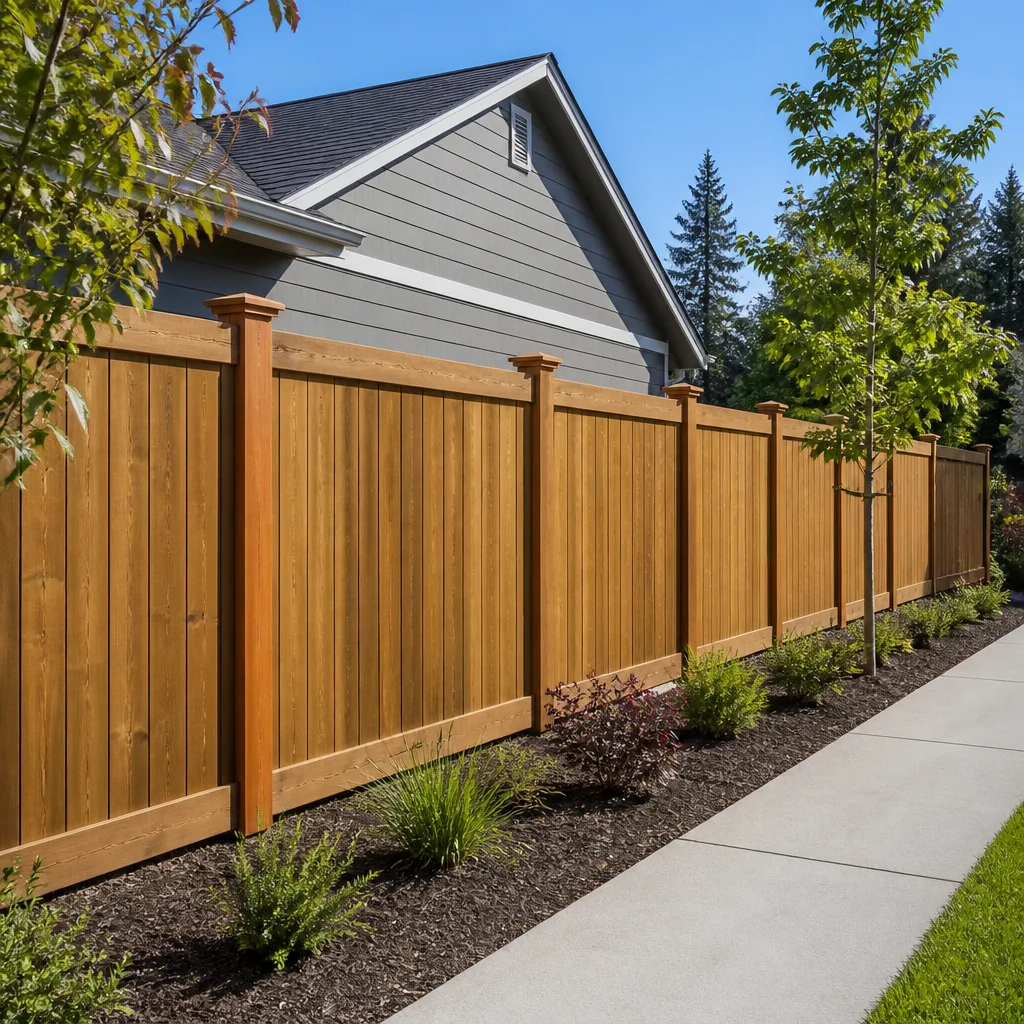
Table of Contents
- How Riverside’s Climate Dictates Framing, Insulation, and Roofing
- CalGreen Tiers in Riverside: What Applies to Your Remodel
- How to Read a Riverside Building & Safety Permit Status Page
- Riverside Labor Pricing vs. Los Angeles and San Bernardino
- What “Substantial Completion” Means in California and Why It Protects You
- How to Vet a Contractor Before You Sign Anything in Riverside
- Material Choices That Hold Up in Riverside’s Sun and Wind
- The Riverside Permit Process Step by Step
How Riverside’s Climate Dictates Framing, Insulation, and Roofing
Riverside sits where three climate forces overlap: coastal marine influence pushing in from the west, high desert heat creeping up from the east, and the Santa Ana wind corridor that funnels dry, abrasive air down through the passes. That is not a trivia point. It is a design constraint that shows up in every wall assembly, every attic, and every roof deck.
Framing lumber in Riverside moves. The humidity swing between a foggy morning and a 105-degree afternoon is wide enough that cheap framing crews who ignore moisture content end up with nail pops, drywall cracks, and door frames that bind within two years. We specify kiln-dried lumber with a moisture meter check before the drywall goes up. That is not an upsell; it is the difference between a wall that stays flat and one that telegraphs every stud through the paint.
Insulation in Riverside is not a one-size answer. A remodel in the Canyon Crest area, which catches more coastal air, has different attic ventilation needs than a home in La Sierra, which bakes under full inland sun. Radiant barrier sheathing pays for itself on west-facing roof planes. In the attic, R-38 blown fiberglass or cellulose is the working minimum for comfort, but the real variable is air sealing. A Riverside attic that leaks air at the top plates will pull 115-degree attic air into the living space no matter how much insulation sits on the ceiling.
Roofing is where the Santa Ana winds earn their reputation. Composition shingles rated for 110 mph uplift are standard on new work, but re-roofs in Riverside frequently uncover decking that was nailed with the wrong pattern for wind exposure. Nail pattern matters more than shingle brand. A roof that passes a visual inspection but has six nails per shingle where the manufacturer requires eight will start shedding tabs in the first strong wind event. For tile roofs, the underlayment is the real roof; the tile is ballast and UV shield. Skimping on underlayment in Riverside is a five-figure mistake that shows up as ceiling stains after two winter seasons.
CalGreen Tiers in Riverside: What Applies to Your Remodel
CalGreen is California’s mandatory green building code. It has two tiers: Tier 1 and Tier 2. Tier 1 is the baseline in most of the state. Tier 2 is stricter and optional, adopted by some cities as a local requirement. Riverside has adopted Tier 1 as its standard for both new construction and remodels, but the exact scope of what triggers compliance changes with project type, and that is where homeowners lose money.
The mistake we see most often: a homeowner gets a bid from a contractor who treats a kitchen remodel like a cosmetic update and ignores the CalGreen triggers that apply when walls come open. Once an inspector sees exposed framing, the project must comply with current energy code for the affected areas. That can mean upgrading insulation in the exterior walls you touch, verifying window performance, and documenting low-flow fixtures at final inspection. A contractor who did not bid that work will file a change order. A contractor who did bid it will have a line item for it.
- Remodels under 1,000 square feet of altered area: CalGreen applies only to the areas being altered. You do not have to bring the whole house into current code.
- Additions: The new space must meet current CalGreen Tier 1 requirements in full, including EV-capable wiring if a garage or carport is part of the addition.
- Kitchen remodels: Water fixture efficiency is mandatory. If you touch the kitchen plumbing, the new faucet must be 1.8 GPM or less and documented at inspection.
- Bathroom remodels: Exhaust fan requirements kick in: 50 CFM minimum for intermittent fans, 80 CFM if venting from a shower enclosure, and the fan must be on a humidistat or occupancy sensor if the bathroom lacks an operable window.
- Re-roofs: CalGreen does not force insulation upgrades on a simple re-roof, but Riverside’s local amendments require cool roof compliance for low-slope roofs and specific underlayment for tile in wind zones.
Confusing Tier 1 and Tier 2 is a common source of scope creep. A contractor who prices a Tier 2 compliance package on a Tier 1 project is either padding the bid or does not know the local requirement. Neither one is acceptable. Ask the contractor to cite the specific CalGreen section they are pricing. If they cannot, you are about to pay for their confusion.
How to Read a Riverside Building & Safety Permit Status Page
Riverside Building & Safety runs permit applications through the Accela Citizen Access portal. The portal is public. Anyone can search by address, permit number, or application date. Yet most homeowners never look at it, and contractors count on that. The phrase “permit is in” can mean anything from “I filed an application this morning” to “plan check reviewed it and approved it.” Those are weeks apart.
Here is what each status label actually means when you look up your address:
- Application Accepted: The city took the application and the fee. No plan review has happened. This is the starting gate, not progress.
- In Plan Check / Under Review: A plan checker is reviewing the drawings. First-round comments typically come back within two to three weeks in Riverside, but complex projects can sit longer.
- Corrections Required / Resubmittal: The plan checker found issues. The contractor must revise drawings and resubmit. The review clock resets. This is where jobs quietly stall.
- Approved / Ready to Issue: Plans passed. The permit becomes active once the contractor pays the issue fees and the permit card is printed.
- Issued: Work is legally authorized to start. This is the only status that matters on day one of construction.
- Inspections Scheduled / Passed / Failed: Each inspection record shows up with a date and a result. You can see every inspection the contractor scheduled and whether it passed.
If the contractor says the permit is in and the portal says nothing has been filed for your address, that is not a misunderstanding. That is a contractor working without a permit on your property. In Riverside, unpermitted work becomes your problem at resale, on your insurance claim, and with the city if a neighbor files a complaint. Learn to spot trouble early with our Construction Warning Signs: A Riverside Homeowner’s Reference Guide. Checking the portal takes five minutes and tells you exactly where the job stands.
Riverside Labor Pricing vs. Los Angeles and San Bernardino
Riverside labor rates run 15 to 25 percent below Los Angeles and 10 to 15 percent above San Bernardino for comparable trade work. That spread is not a Secret. It is a function of distance-to-job density, workers’ comp classification costs, and the reality that many LA-based crews will not travel to Riverside without a premium. The practical consequence is that Riverside is its own pricing market, and any contractor quoting you LA numbers from an LA office is either planning to sub the work out to a local crew at a markup or has not priced Riverside labor in years.
Here is what skilled trade labor roughly costs in Riverside as of the current market, per hour of actual trade work:
- General framing carpenter: $45 to $70
- Finish carpenter (trim, cabinets, built-ins): $55 to $85
- Licensed electrician: $85 to $140
- Licensed plumber: $85 to $135
- Tile setter: $50 to $90
- Painter (interior finish): $35 to $60
These rates are for trade labor only. General contractor pricing layers project management, overhead, and profit on top, which typically lands 20 to 35 percent above straight trade costs. A kitchen remodel priced at $180 per square foot from a Riverside general contractor might be $230 per square foot from an LA firm sending crews over the 91. Both can do good work. One of them is charging you LA travel economics for a Riverside job.
When a contractors bid is dramatically below these benchmarks, the shortfall has to come from somewhere: unlicensed workers, no workers’ comp coverage, skipped permits, or a change-order strategy that recovers the loss after demo starts. A below-market price is not a bargain; it is an unallocated risk that lands on you at the worst possible time. At Bradford Remodeling Co Riverside home, we write a fixed number before work starts because we already know what our crews cost and we do not pass labor surprises downstream.
What “Substantial Completion” Means in California and Why It Protects You
California contract law uses the phrase “substantial completion” to define the moment when work is usable for its intended purpose even if minor items remain. It is the legal trigger for final payment, for lien clock starts, and for when the contractor’s liability shifts. Too many Riverside homeowners make their final payment based on emotion: the kitchen looks done, so the check goes out. Then the punch list sits unaddressed for six weeks, and the contractor has no financial reason to return.
Under California Civil Code, substantial completion generally means the owner can occupy and use the improvement for its intended purpose even if a punch list remains. Here is how to use that definition to protect yourself:
- Define “substantial completion” in the contract before work starts. Write out the specific conditions that must be true before the job crosses that line: all mechanical systems functional, all fixtures installed, all required inspections passed and documented, site cleaned of construction debris.
- Hold a documented final walk with the contractor. Walk the entire scope together. Write down every open item, no matter how small, and get both signatures on the list. This becomes the punch list.
- Assign a dollar value to each open punch list item by mutual agreement. A door that needs a hinge adjustment is $50. A bathroom fan that is not vented to the exterior is $400. This attaches a real number to the remaining work.
- Withhold a retention amount of at least 150 percent of the total punch list value until all items are corrected. If the punch list totals $800, hold back $1,200. That is the standard formula and it gives the contractor a reason to finish.
- Do not make the final payment until the permit file shows all final inspections passed. In Riverside, that means the permit status page reads “Finaled” or “Closed.” Not “Issued,” not “Inspections Scheduled.” Finaled.
A contractor who resists documenting substantial completion or who demands full payment before final inspections is not behaving like someone who plans to finish the job. At Home Remodeling in Riverside, we do not collect a final payment until the city has signed off and the homeowner holds a written punch list resolution, because both sides deserve a clean close.
How to Vet a Contractor Before You Sign Anything in Riverside
The CSLB licenses every contractor in California, and the license check is free. Yet a significant share of Riverside construction complaints trace to unlicensed operators or licensed contractors using unlicensed subs. The vetting process is not about finding a contractor who sounds good in a sales meeting. It is about verifying facts before any money moves.
Run these checks in order:
- CSLB license look-up at cslb.ca.gov. Enter the license number, verify it is active, verify the classification matches the work (a C-8 concrete license does not authorize a kitchen remodel), and check the bond and workers’ comp status. No workers’ comp on a project with employees means your homeowners insurance is the fallback if someone gets hurt on your property.
- Pull the contractors license history and complaint record. The CSLB publishes legal actions. A few resolved complaints over a decade is normal in a litigious state. A pattern of payment disputes or license suspensions is not.
- Ask for three Riverside references with addresses and phone numbers. Call them. Ask the specific questions: Did the crew show up on schedule? Did the price hold? How long was the punch list and did it get closed? Would you hire them again?
- Drive by a current job site. A contractor running a disciplined site has material protected, trash contained, and a posted permit card. A site that looks like a storm hit it is the site that will look like that at your house.
- Confirm the permit strategy in writing. Who pulls the permit, contractor or owner, and what is the timeline. A contractor proposing owner-pulled permits to “save you money” is often trying to limit their legal exposure. You become the responsible party on the city’s file.
We built our operating model at General Contractor in Riverside around a specific standard: background-checked, uniformed technicians, a written price before any work starts, and a 365-Day Done Right Promise that covers every completed project for a full year. If the work does not hold within that window, we come back and correct it at no charge. That is the difference between hiring a contractor and hiring a company that has to write down what it guarantees.
Material Choices That Hold Up in Riverside’s Sun and Wind
Riverside sun destroys cheap materials faster than rain ever will. UV exposure, heat cycling, and dry Santa Ana wind are the primary weathering forces here, and they favor materials that would be overkill in coastal cities. When a homeowner in Riverside chooses the lowest-bid material package, the savings evaporate within five years in paint failure, warped doors, and cracked surfaces.
Exterior products take the worst of it. Fiber-cement siding, like the James Hardie product line, holds paint finish and dimensional stability far better in Riverside’s heat cycling than vinyl or wood lap siding. For entry doors, fiberglass systems like Therma-Tru units resist warping in direct afternoon sun where wood doors twist at the stile. Roofing from GAF with documented wind ratings matters more here than in most of Southern California because the Santa Ana corridor treats a roof like a kite.
On interiors, the material conversation in Riverside is about substrate movement. Cabinetry from manufacturers like KraftMaid and Wellborn comes with documented finish warranties and consistent joinery, which matters when interior humidity swings across a 40-point range through the year. Stone surfaces from Cambria or Caesarstone hold up to UV exposure in sun-washed kitchens where laminate fades and separates. Plumbing fixtures from Kohler and Moen carry manufacturer warranties with traceable replacement parts, which is a real consideration when hard water from Riverside’s municipal supply calcifies cheap faucet internals within eighteen months.
The point is not that premium brands are always the right answer. The point is that your material choices in Riverside should be traceable to a manufacturer’s written specification and warranty. A contractor who offers a “cabinet line” with no brand, no warranty document, and no replacement-part path is offering you guesses. The modular building companies operating in the Inland Empire, firms like Abodu and Dvele, have pushed prefabrication quality in Riverside’s accessory dwelling unit market by publishing their specification sheets openly, which raises the bar for everyone. When specs are documented, quality is not left to guesswork.
At Kitchen Remodeling in Riverside, we specify materials from a documented roster, including KraftMaid, Wellborn, Cambria, Kohler, GAF, James Hardie, and Therma-Tru, because those manufacturers stand behind what they make with written specs and warranties that back our own guarantee. When something fails, there is a paper trail and a remedy. That is what buying quality in Riverside actually means.
The Riverside Permit Process Step by Step
Riverside Building & Safety runs a plan-check queue that moves based on project complexity and current staffing. A simple water heater replacement might clear in a day over the counter. A room addition with structural changes, electrical, and plumbing will take weeks through review cycles. Knowing the sequence before you start sets realistic expectations and keeps a contractor honest about what “the permit is in” actually means.
- Preparation and submittal: The contractor or architect prepares drawings, structural calculations if required, and energy compliance documentation (Title 24). The application goes in through the Accela portal or in person at Riverside City Hall.
- Intake and fee assessment: The city reviews the submittal for completeness, assigns a permit number, and calculates plan check fees. Payment at this stage does not mean review has started.
- Plan check first round: A plan reviewer examines the submittal against current code. First-round comments on a residential remodel typically come back within two to three weeks. The reviewer may route the file to building, electrical, plumbing, and mechanical disciplines sequentially.
- Corrections and resubmittal: The contractor addresses every comment and resubmits. Each resubmittal resets the review clock. A sloppy first submittal can double the total wait time, and that delay is on the contractor, not the city.
- Approval and issuance: Once approved, the contractor pays the remaining fees and the permit is issued. A physical permit card is required at the job site before any work begins. Riverside inspectors will check for it.
- Inspections during construction: Each phase, foundation, framing, rough electrical, rough plumbing, insulation, and final, requires a scheduled inspection. The inspector records pass or fail on the permit file. Failed inspections require corrections and re-inspection, which takes time and money.
- Final inspection and close-out: The final inspection verifies the entire scope is complete and code-compliant. Only after final approval is the permit file closed. That is the moment the job is legally complete in the city’s records.
Every inspection result is visible on the permit status page. If a contractor tells you inspections are passing and the portal shows failures or unfilled inspection requests, believe the portal. The city’s records are the ground truth.
Common Mistakes to Avoid
- Signing without a written scope of work. A contract that says “remodel kitchen” is an invitation for arguments about what was included. The scope should list every major task, material, and finish level in writing before a dollar moves.
- Paying too much upfront. California caps the down payment for a home improvement contract at 10 percent of the total or $1,000, whichever is less. Paying more than that is both illegal and unwise.
- Skipping the permit to save money. Unpermitted work in Riverside becomes a disclosure problem at resale and a code-enforcement risk anytime. The city’s permit fees are cheap compared to what it costs to legalize or undo unpermitted work later.
- Choosing the lowest bid without checking license, bond, and workers’ comp. A contractor who is not paying for coverage is passing catastrophic risk onto your homeowners policy. Verify every credential before you sign, not after the first injury.
- Ignoring the permit status page. The city’s portal is free and public. Check it when the contractor says the permit is in, check it before each payment, and check it before the final check clears.
- Releasing the final payment before final inspection passes. The moment the full amount clears, your leverage drops to zero. The final payment is the only tool you have to close out the punch list and the permit file.
- Assuming Los Angeles pricing applies to Riverside. Riverside is its own labor market. An LA-market quote from a distant office usually means markup for travel, not better work.
See the difference
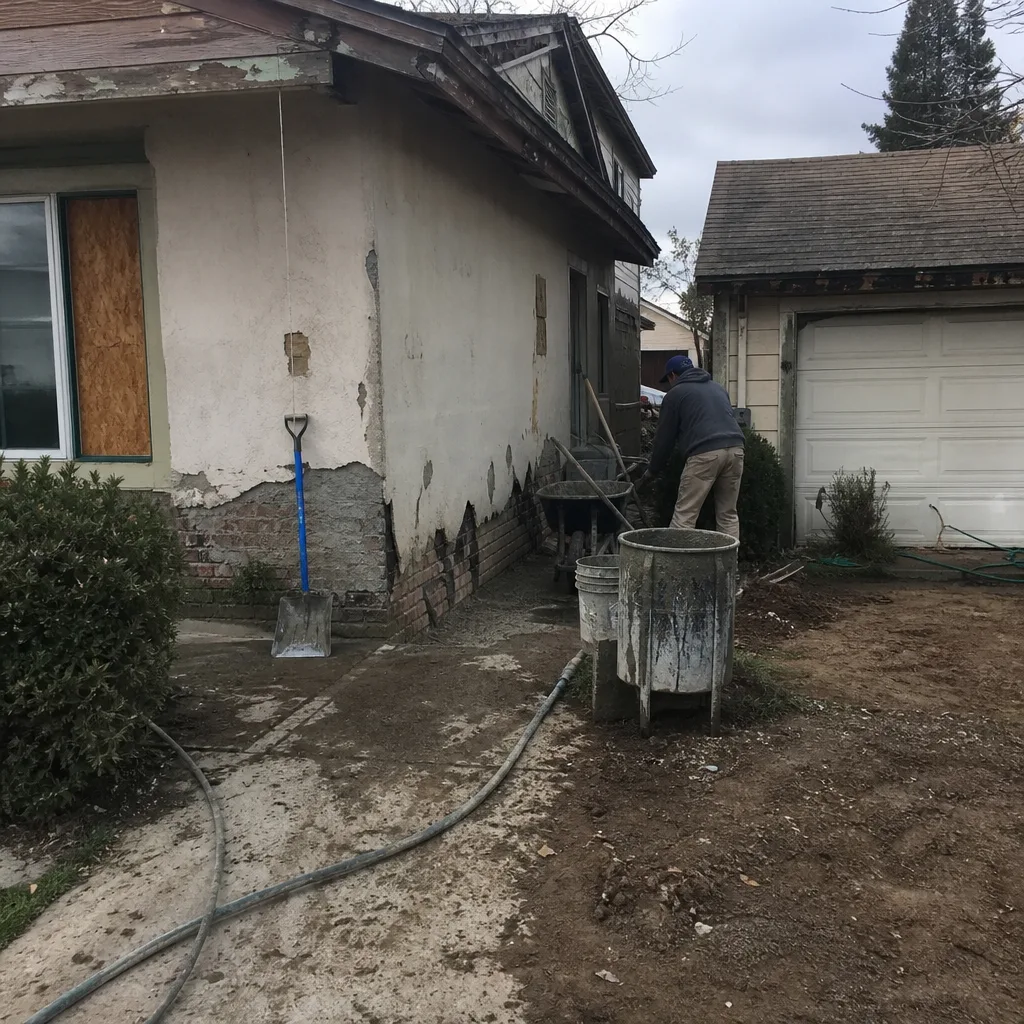 Before
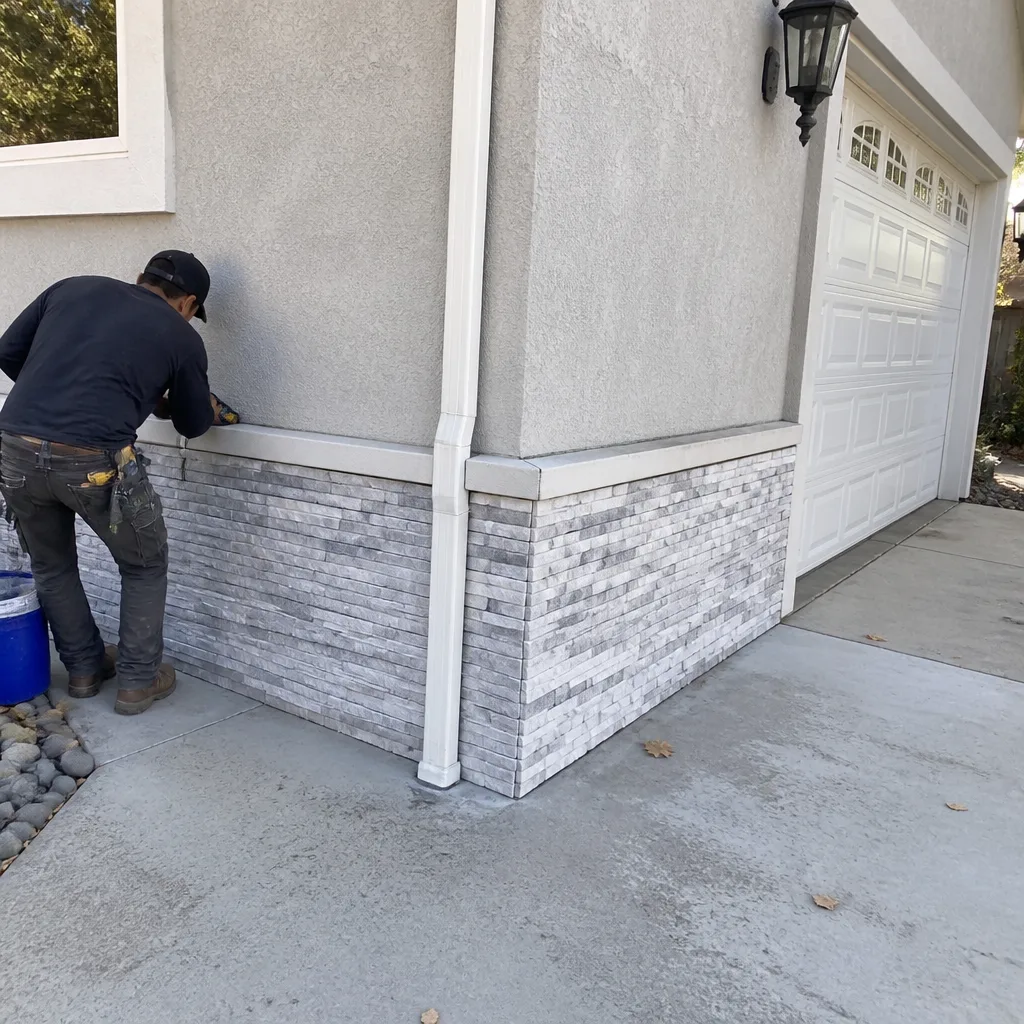 After
After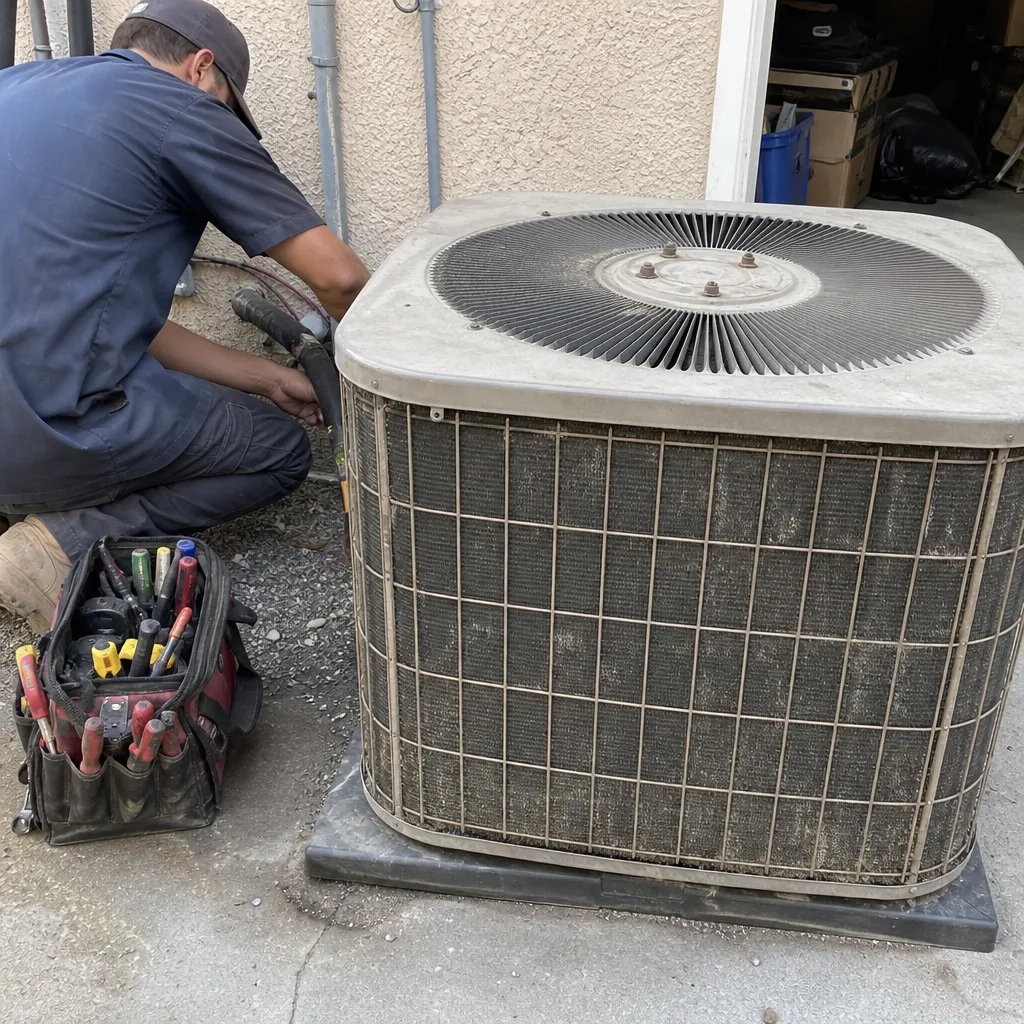 Before
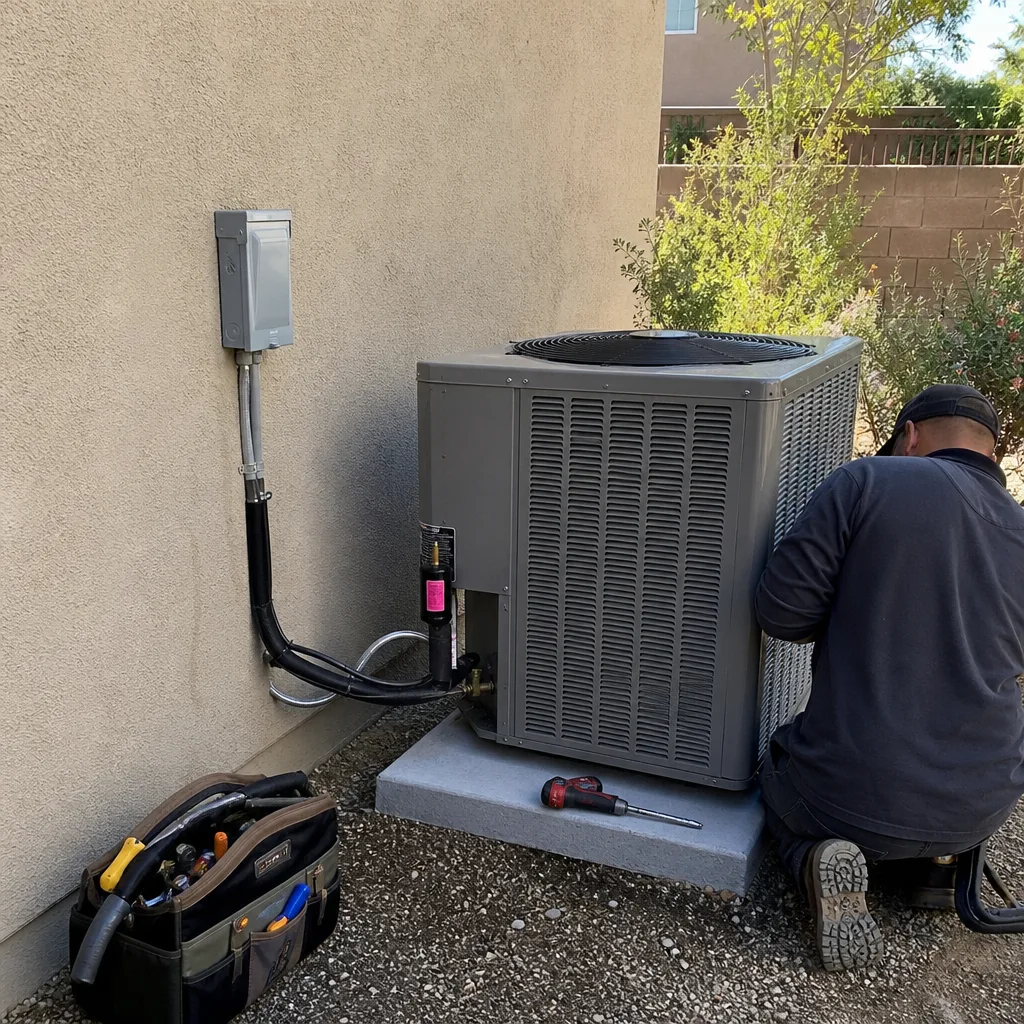 After
After Before
 After
AfterWhen to Call a Professional
Some Riverside construction work is legitimately accessible to a handy homeowner: painting, trim repair, replacing a faucet cartridge. Anything structural, electrical, plumbing, or roof-related is not. If the work requires a permit in Riverside and you do not know how to pull one, call a licensed contractor. If the work involves load-bearing walls, panel upgrades, gas lines, or any roof plane steeper than a 4:12 pitch, call a professional without exception, because the failure cost is not a bad paint job, it is a structure, a fire, or a fall. Bradford Remodeling Co Riverside offers free estimates in Riverside. Call (424) 567-8472 and Curtis Lane or a team member will walk the scope with you and put a number in writing.
Frequently Asked Questions
In Riverside, a kitchen remodel typically runs $180 to $320 per square foot, a bathroom remodel $150 to $280, and a home addition $200 to $350, inclusive of labor, materials, and general contractor overhead but exclusive of permit fees. For deeper cost analysis, see our Construction Cost Breakdown: The Riverside Homeowner’s Reference for 2026. Permit fees add $1,500 to $8,000 depending on scope. Call (424) 567-8472 for an exact written quote based on your specific project, estimates are free.
A simple over-the-counter permit like a water heater replacement can issue the same day in Riverside, while a room addition or major remodel typically takes two to eight weeks through plan check depending on resubmittal cycles and current city queue depth. A contractor who submits clean drawings the first time clears review far faster than one who files a rough package and burns three correction cycles.
Yes. Riverside enforces CalGreen Tier 1 on both new construction and remodels, with the scope of compliance tied to the areas being altered. When walls come open, current energy code applies to those walls, which is why a remodel that opens exterior walls should have insulation and air-sealing line items in the bid from day one.
California law caps the down payment on a home improvement contract at 10 percent of the contract price or $1,000, whichever is less. Any contractor asking for more before work starts is either unaware of state law or unconcerned with it, neither of which is a good sign. Ask for a payment schedule tied to completed milestones and verified inspections instead.
Search your address on Riverside’s Accela Citizen Access permit portal. The portal shows every application, plan check status, inspection result, and final close-out on the property. It is public record, free to use, and it removes any ambiguity about whether the permit exists.
Bradford Remodeling Co Riverside provides a written one-year guarantee on every completed project. If any aspect of the work fails within that 365-day window, we return and correct it at no charge. The promise is written into the contract before work starts, not described verbally at the sales meeting. Call (424) 567-8472 and ask us to walk through how the guarantee reads in writing.
The Bottom Line
Construction in Riverside is not a gamble. It is a process with published rules, public records, and legal protections that favor the homeowner who knows how to use them. The city’s permit portal tells you exactly where the job stands. The CSLB database tells you exactly who you are hiring. CalGreen tells you exactly what code compliance costs. Substantial completion law tells you exactly when to release payment. The only variable left is whether the contractor puts their price and their guarantee in writing before work starts. If they will not, walk. If they will, the job is already squared away.
Written by Curtis Lane, Owner at Bradford Remodeling Co Riverside, serving Riverside since 2004.
Ready for a written estimate on your Riverside construction project? Call Curtis Lane at (424) 567-8472 today. The estimate is free, the price is written, and the guarantee is in the contract.