Free written scope consultation - allowances, timeline, and change-order rules on paper before a single trade is scheduled
Atlas Home Additions & ADU: The Riverside Owner’s Guide
We install and service Atlas home additions and ADU projects throughout Riverside, with most full additions landing between $45,000 and $130,000 depending on square footage, foundation work, and finish level. If you’re reading this, you’re likely holding a set of plans for an Atlas-designed addition or standing in a room where the addition didn’t hold up the way it should have. We’ll tell you what failed, what it costs to make it right, and whether it’s worth calling us or handling it yourself.
The typical discovery point is a stucco crack radiating from a window corner, a door that suddenly won’t latch, or a roofline that no longer drains the way it did the first year. Atlas additions use a specific post-and-beam framing approach common in Southern California, and when the connection details or shear panels get compromised, the symptoms show up in predictable places. Curtis Lane has walked enough of these in Riverside to know exactly where to look first.
Which Atlas Models This Applies To
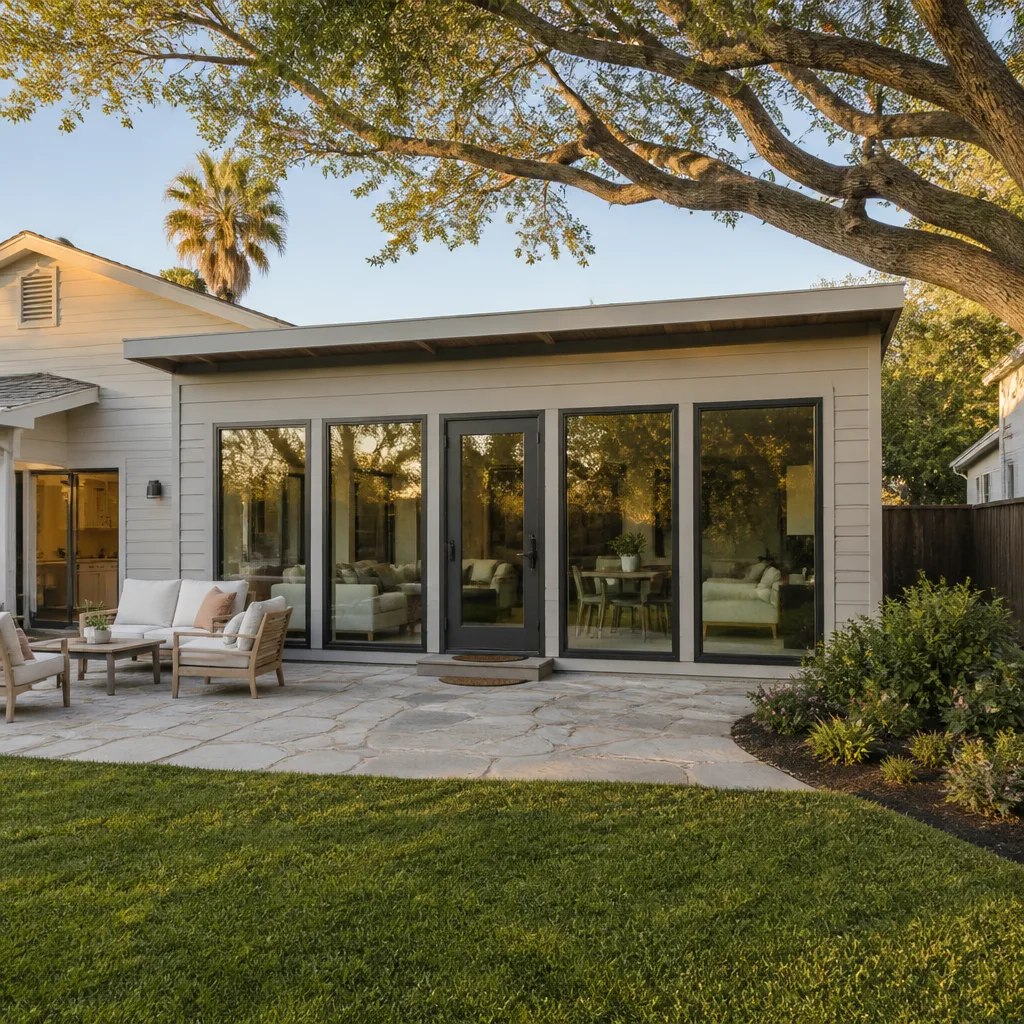
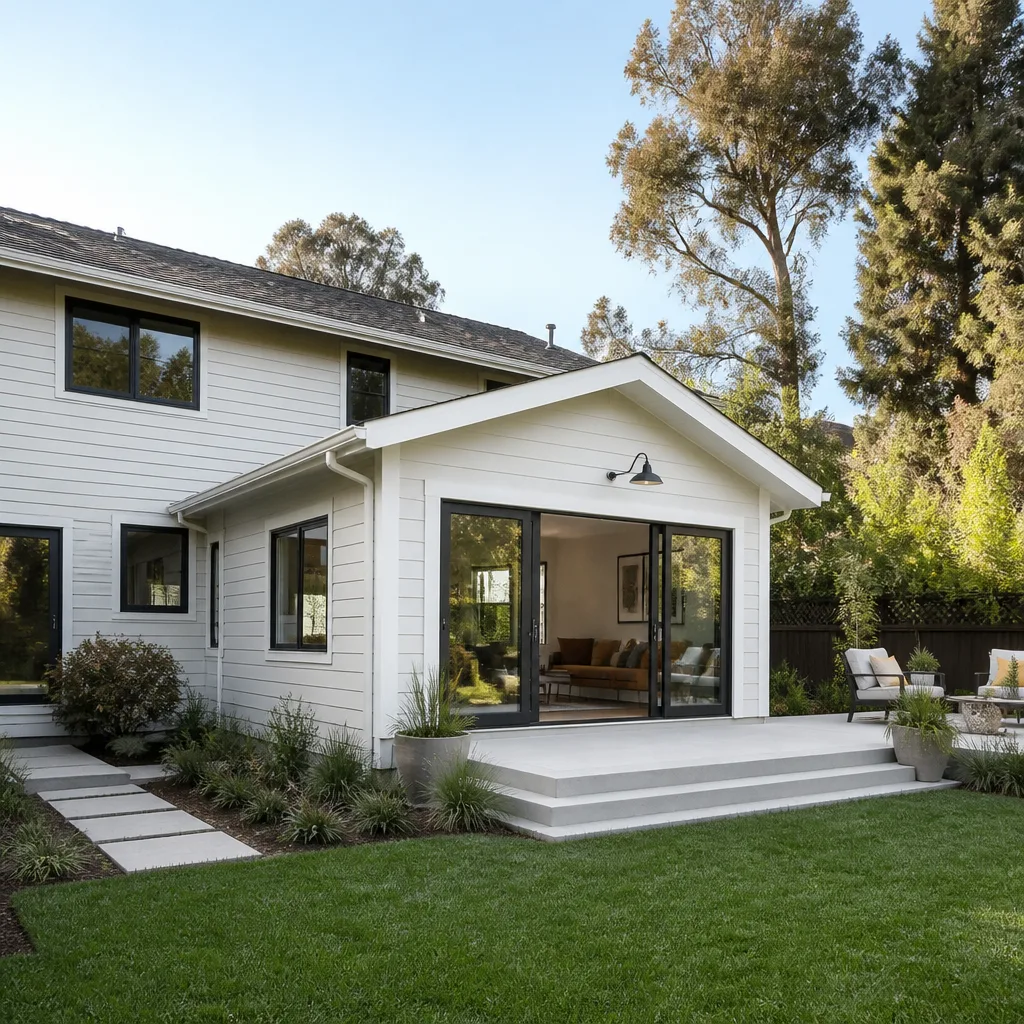
Atlas home additions in Riverside generally fall into two construction categories: wood-framed room additions tied to the existing structure, and detached or attached ADUs built on slab or raised foundations. The compatibility question isn’t about a model number the way it is with a water heater. It’s about how the Atlas plans were engineered, what the city of Riverside permitted, and whether the as-built framing matches the drawings.
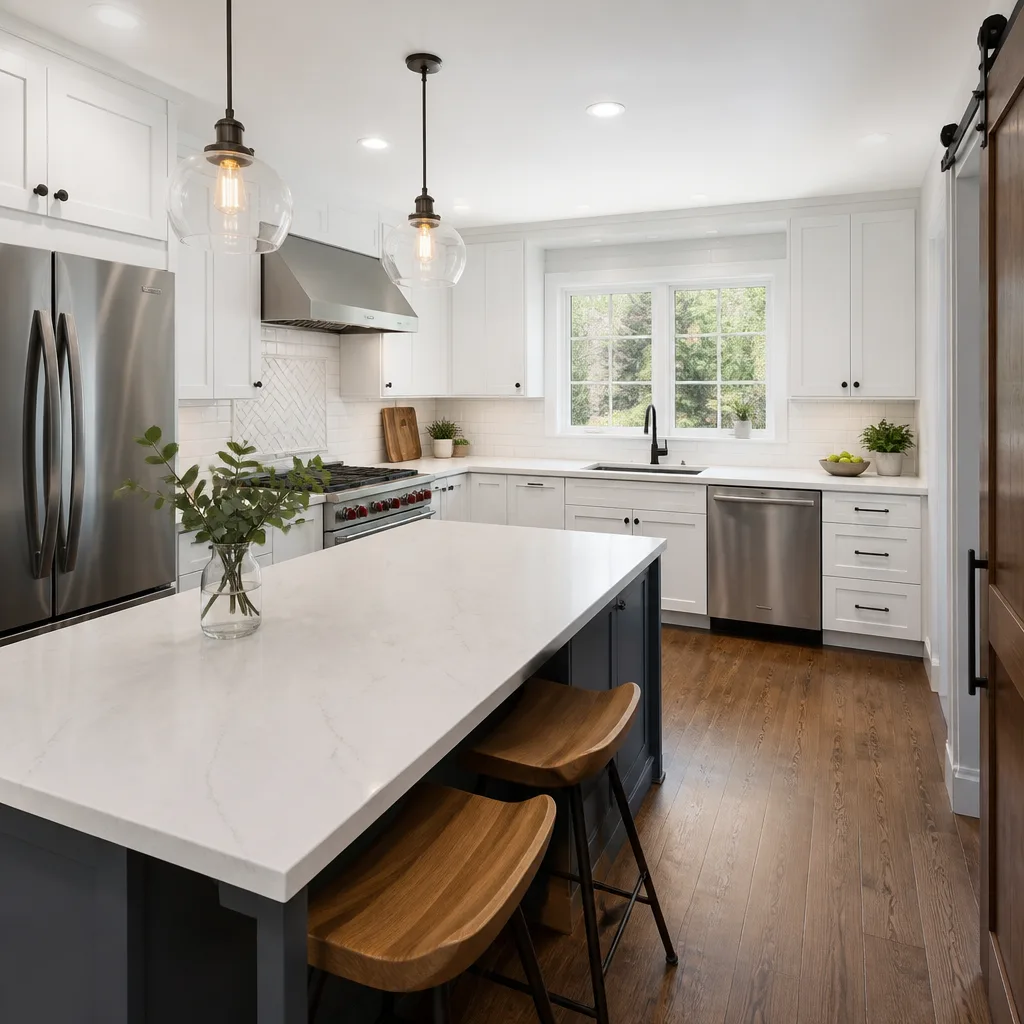
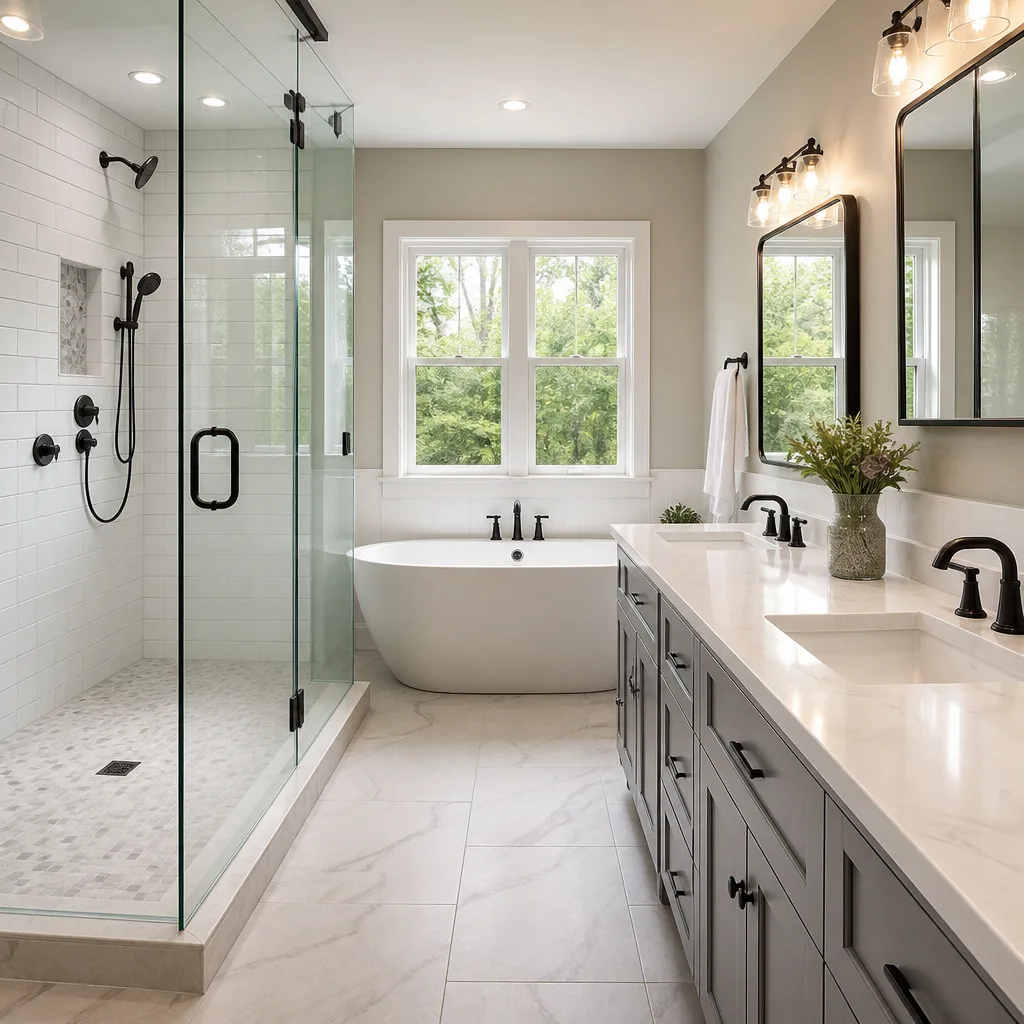
When we assess an Atlas addition, we check three things: the foundation-to-framing connection, the roof tie-in detail at the existing house, and the shear wall configuration. Atlas plans typically specify hold-downs and anchor bolts at specific intervals, and Riverside’s building department enforces those specs during inspection. If a previous contractor skipped a hold-down or substituted a lighter gauge strap, that’s where the failure starts. On the materials side, we work with documented brands like KraftMaid, Cambria, and Silestone when finishes need to be matched or replaced, so you’re not guessing at what was originally specified.
One compatibility gotcha we see often: Atlas additions built before Riverside updated its ADU ordinance in 2020 sometimes lack the egress window sizing or ceiling height that current code requires. That matters if you’re repairing, because any structural repair that touches those elements means bringing them up to current code, not just restoring what was there.
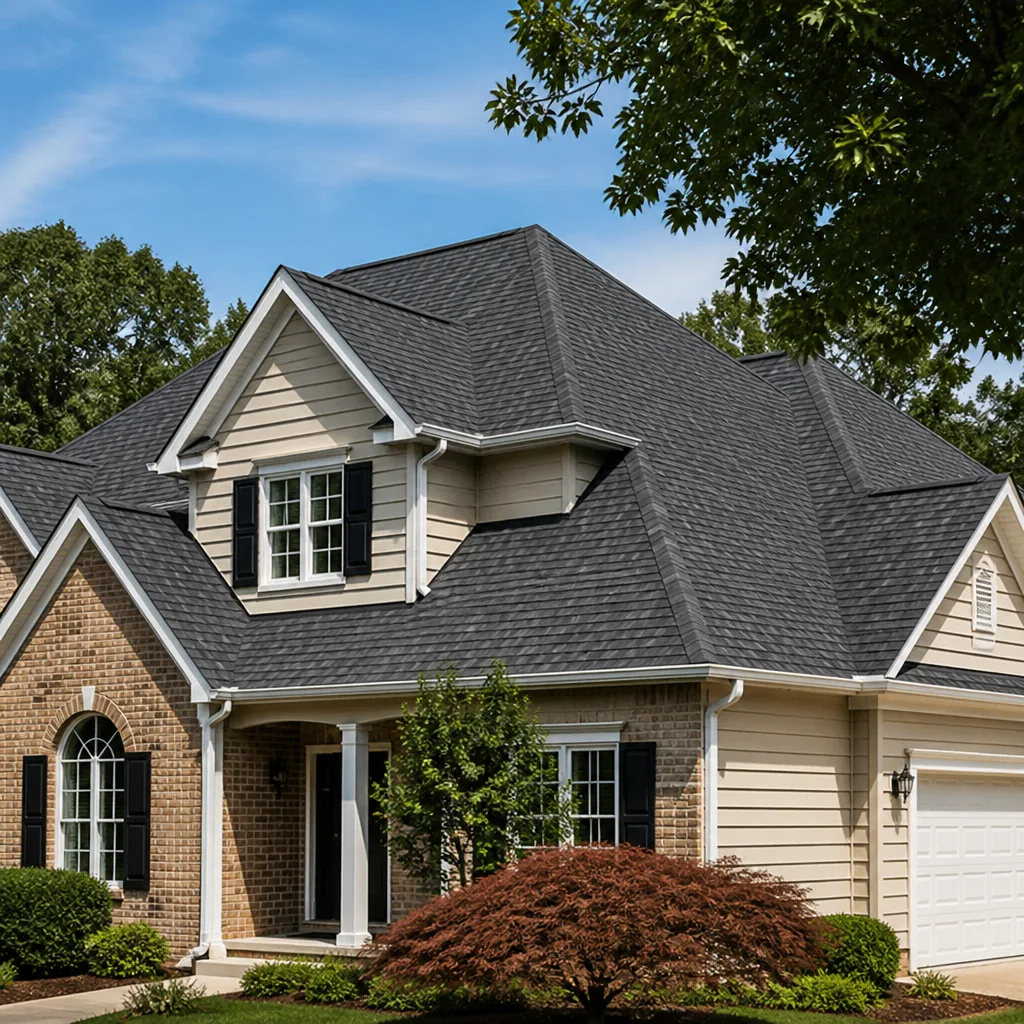
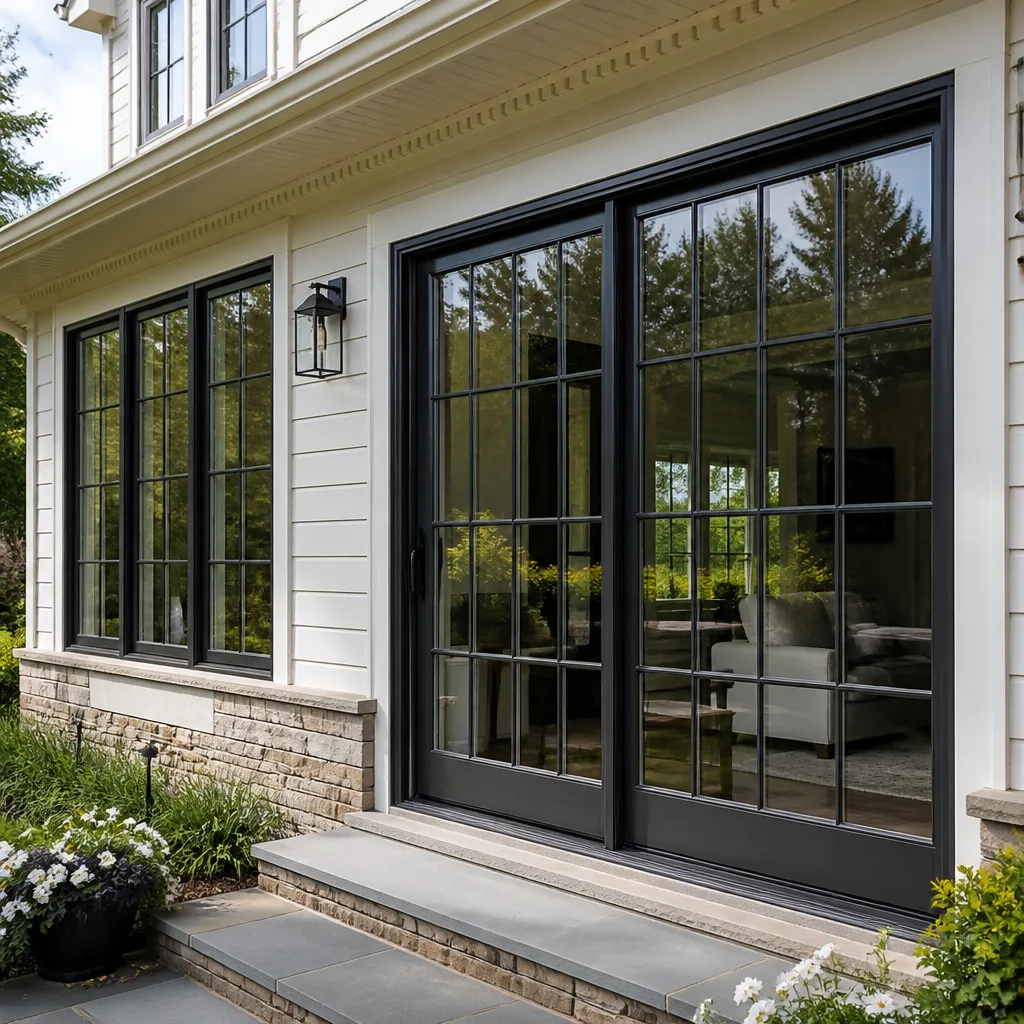
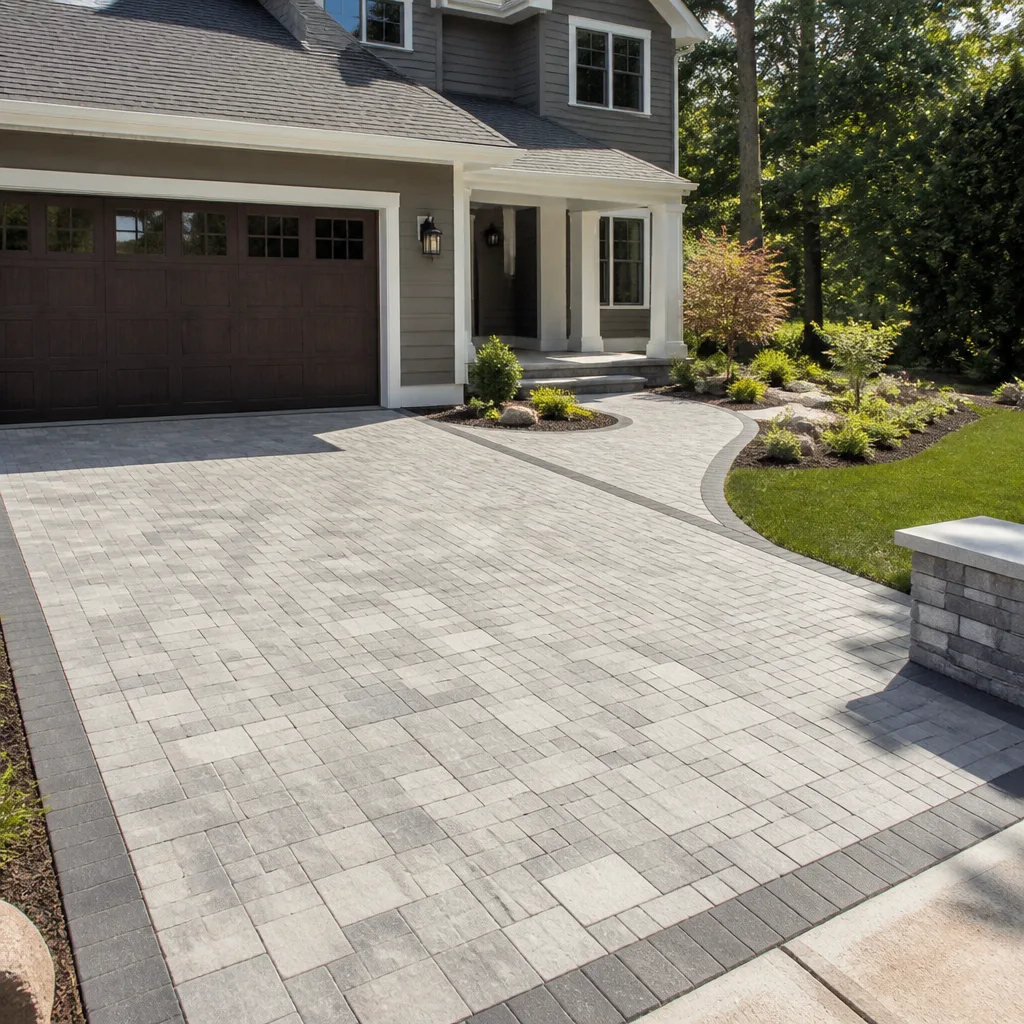
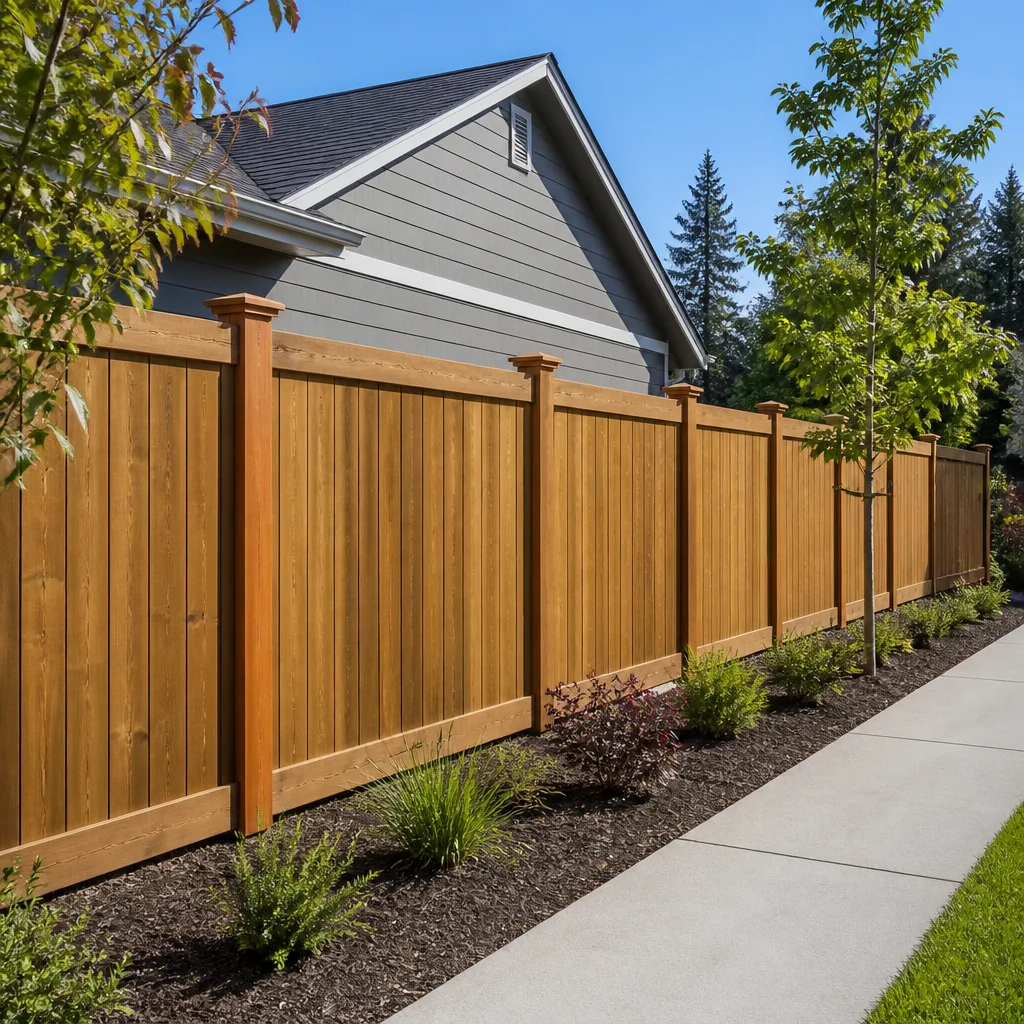
Styles & brands we work with
Signs Your Atlas Home Additions & ADU Is Failing
- Diagonal cracks at window and door corners. This is usually shear movement, not settling. Riverside’s clay-heavy soils expand and contract with seasonal moisture, and if the Atlas shear panel wasn’t nailed off to spec, the wall racking shows up as corner cracks within the first few years.
- Doors that stick or won’t latch by late summer. That’s often foundation movement under the addition. The original footprint may have been fine for decades, but the added structure changes the load path, and Riverside’s expansive soils don’t give a contractor a pass on compaction.
- Roof leaks at the tie-in where the addition meets the original house. This is the most common Atlas-specific failure we see. The flashing detail where a new roofline intersects an existing one is unforgiving, and Riverside’s winter rains find every improper lap within one season.
- Gaps opening between the addition and the main house at the floor line. That means differential movement between the two foundations. It’s not cosmetic. Left alone, it lets moisture in and starts rotting the sill plate.
- Drywall cracks that reappear within a year of patching. Patching over movement without addressing the structural cause is writing a check the wall will cash again. We see it constantly in Riverside additions built without proper hold-down hardware.
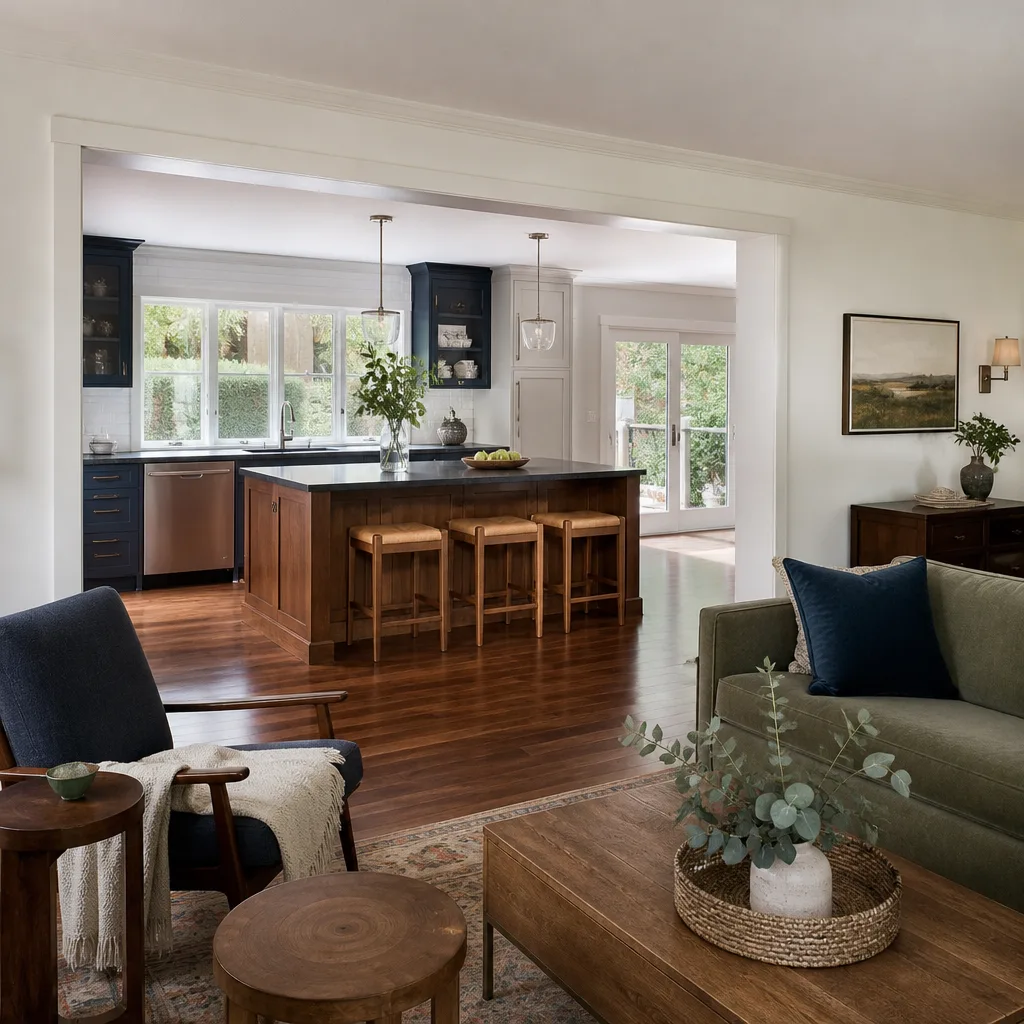
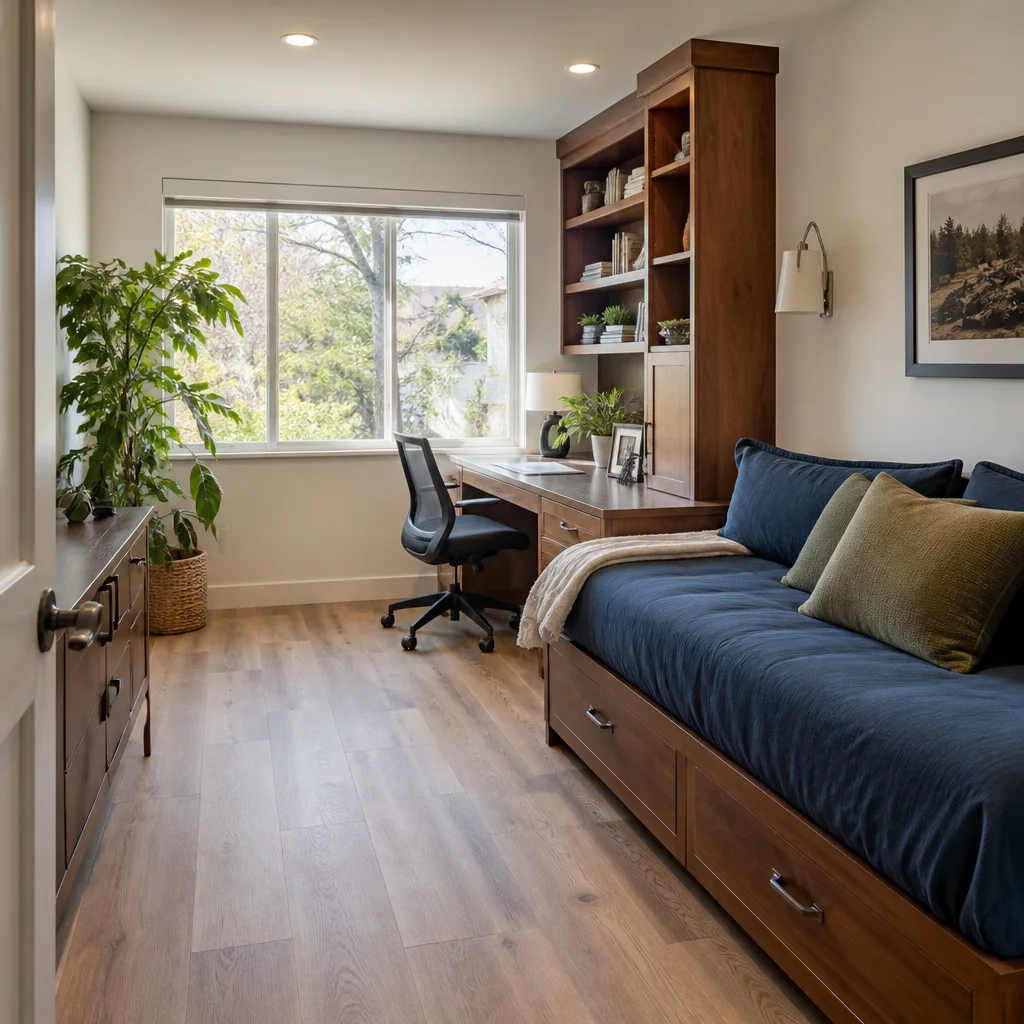
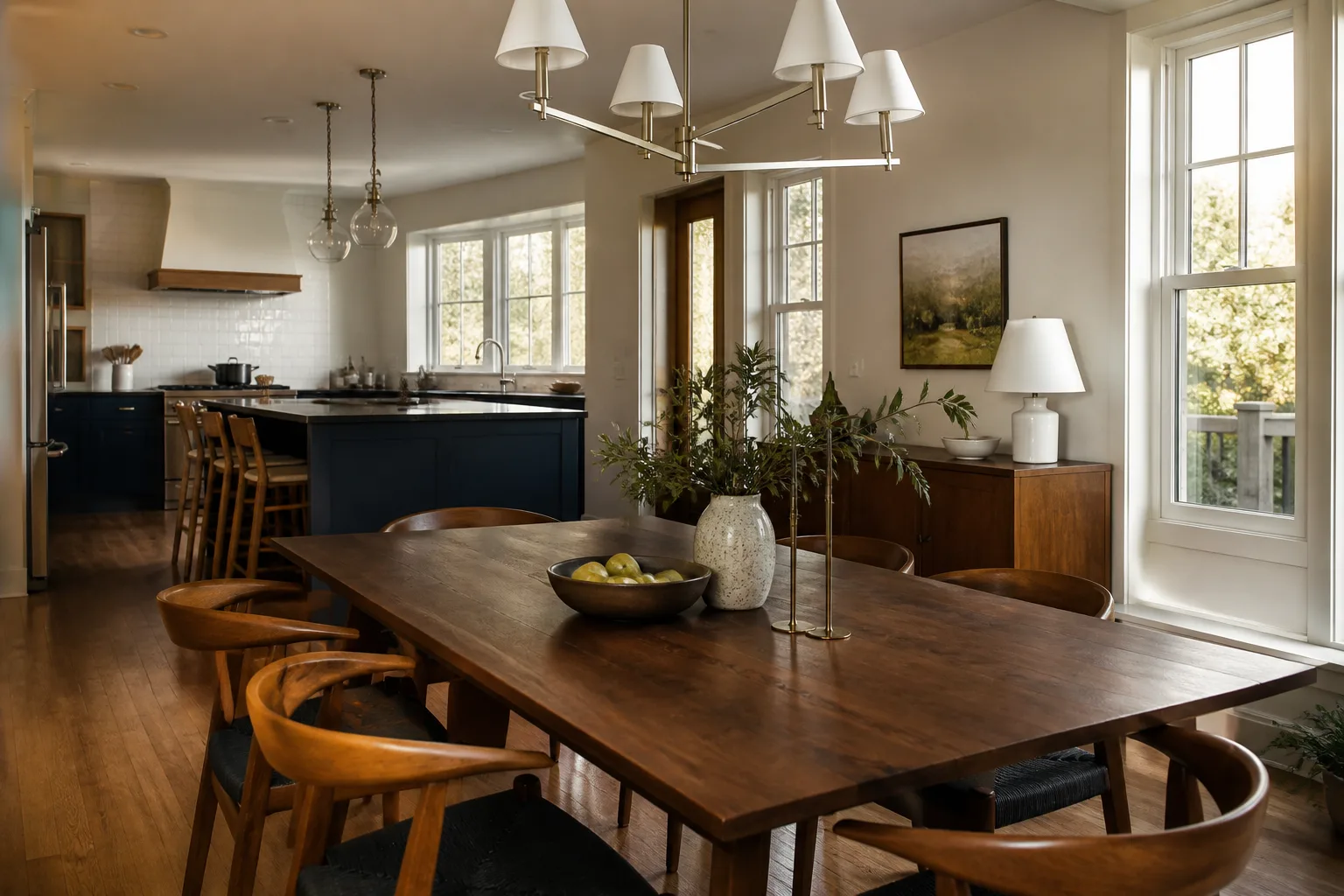
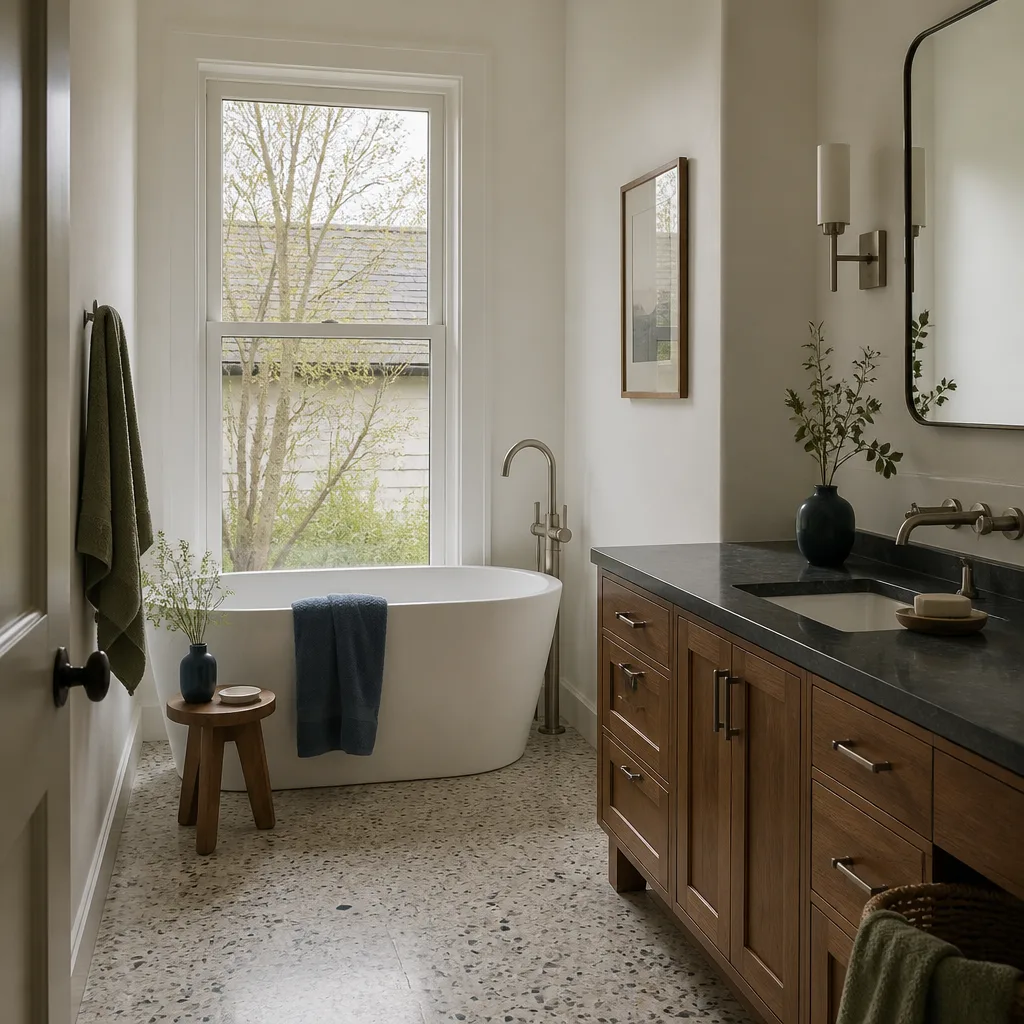
See the difference
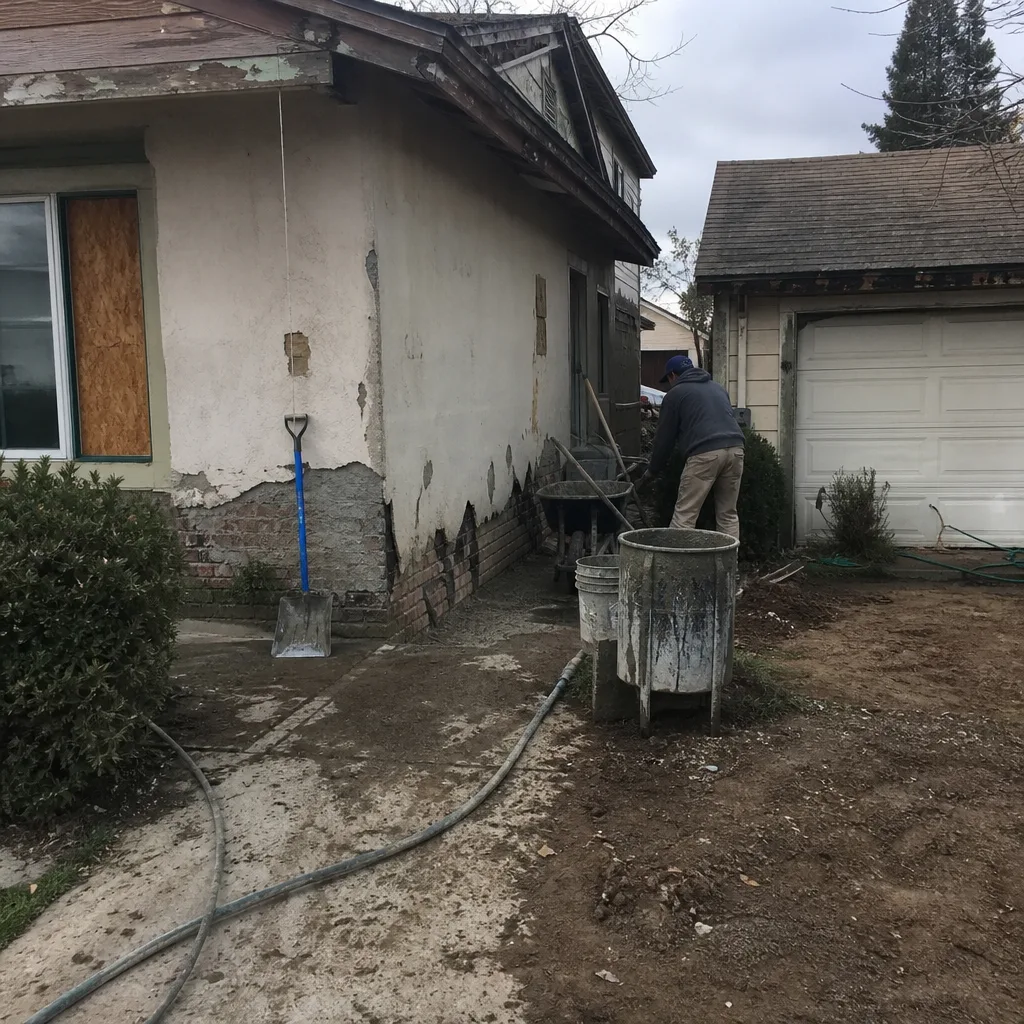 Before
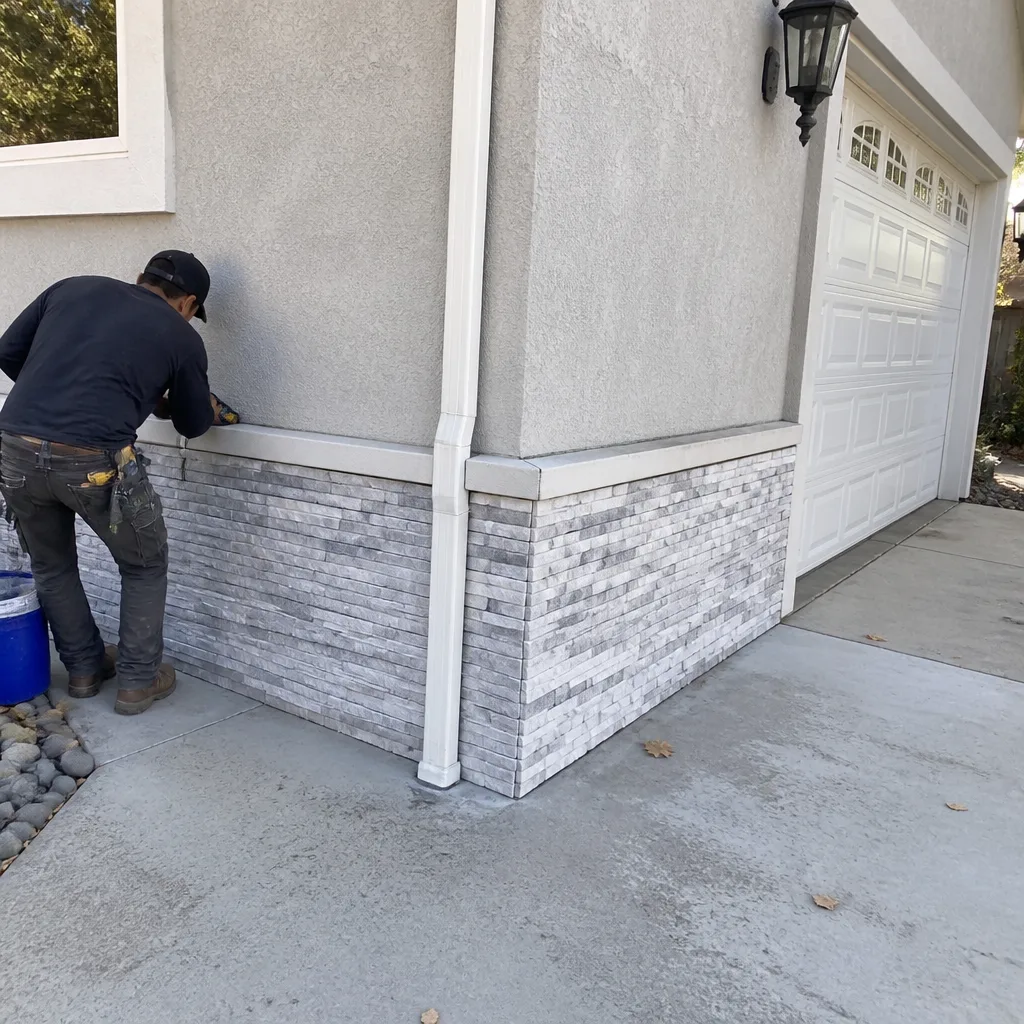 After
After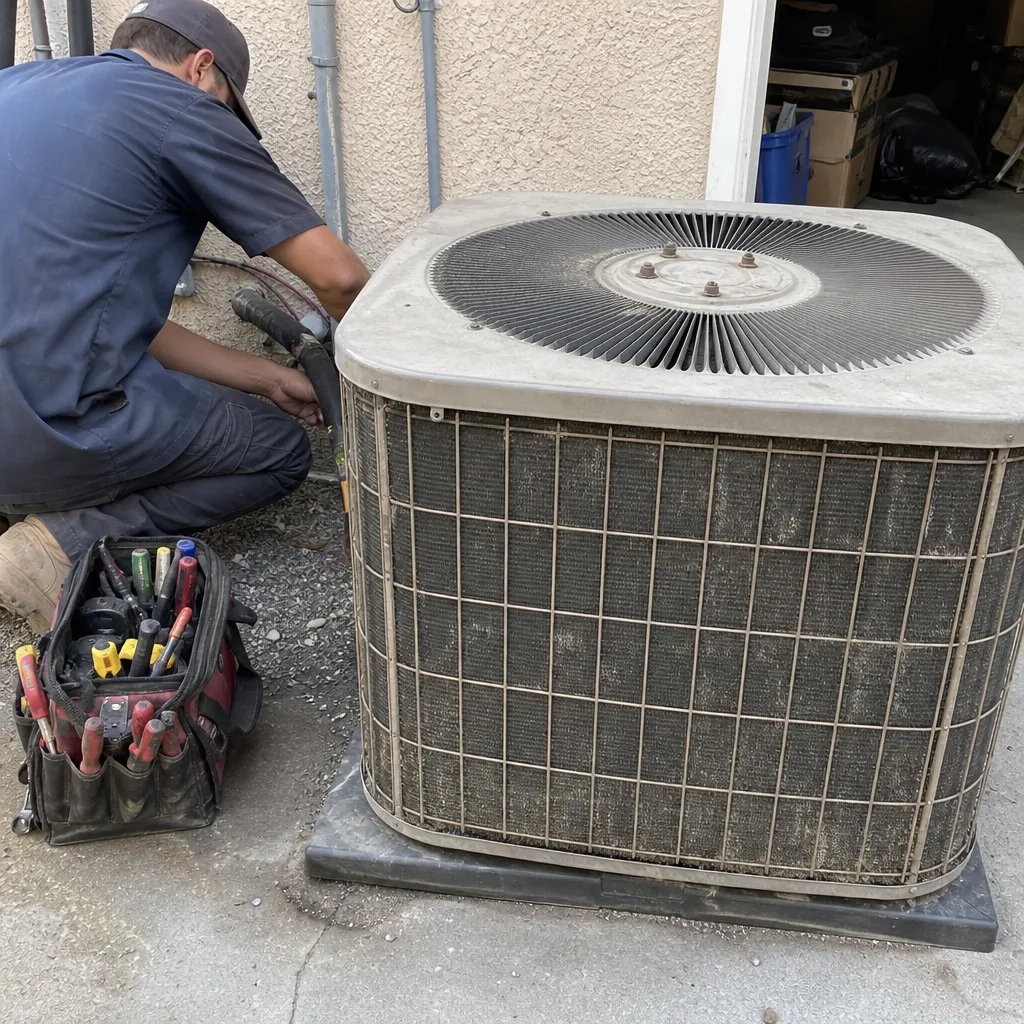 Before
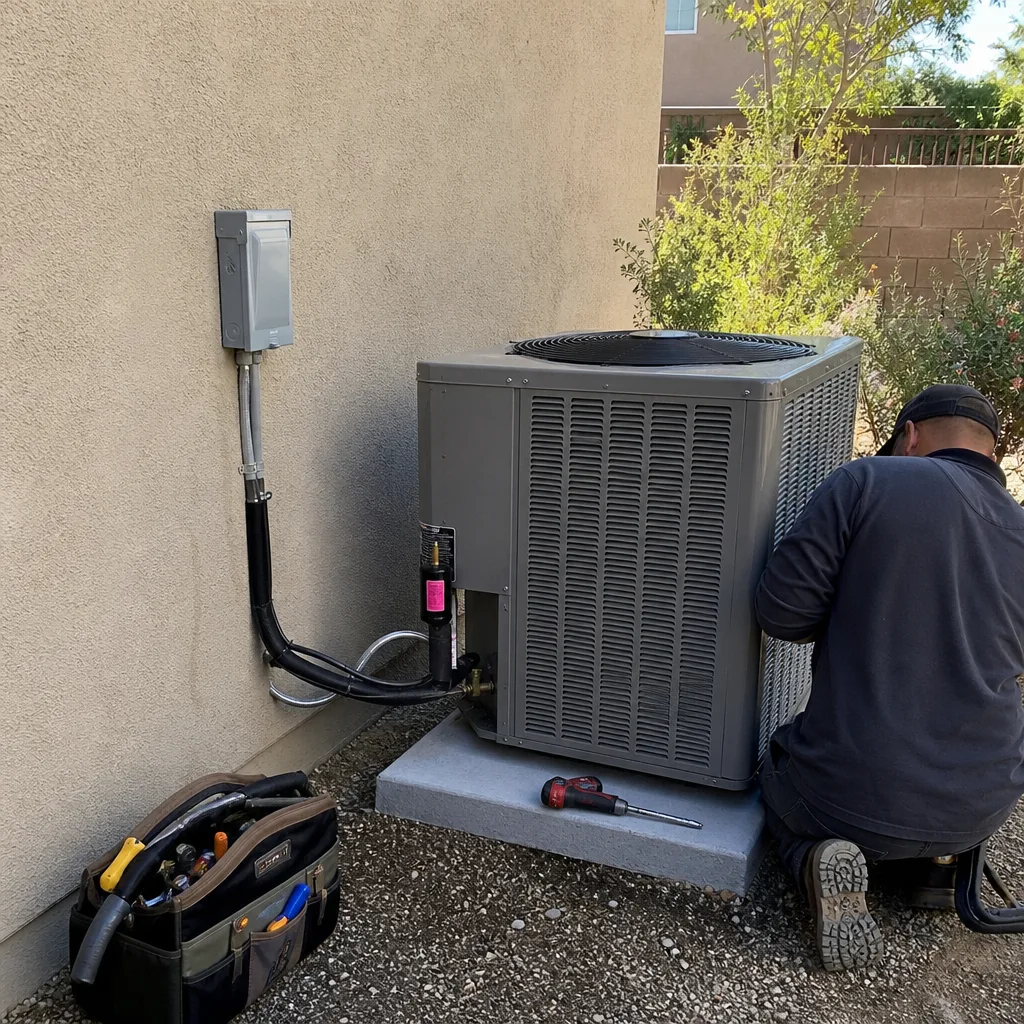 After
After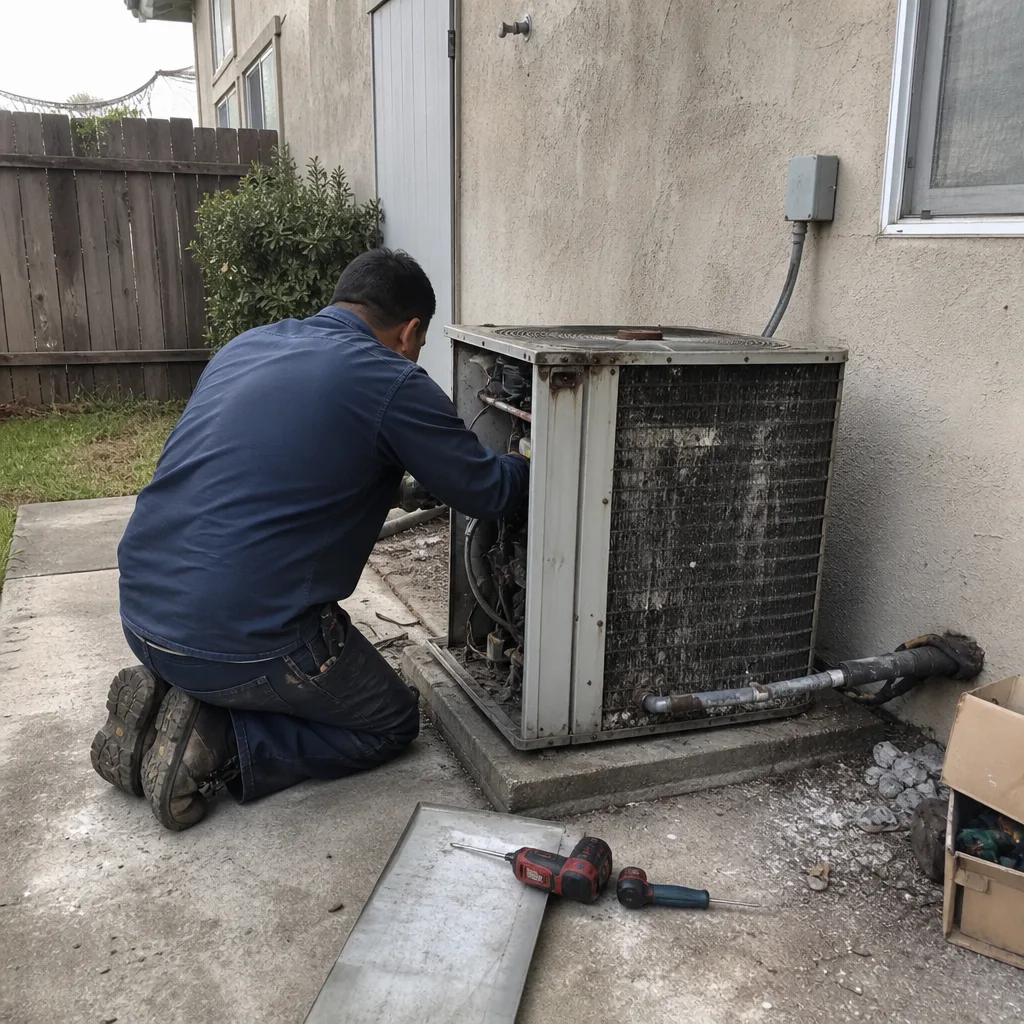 Before
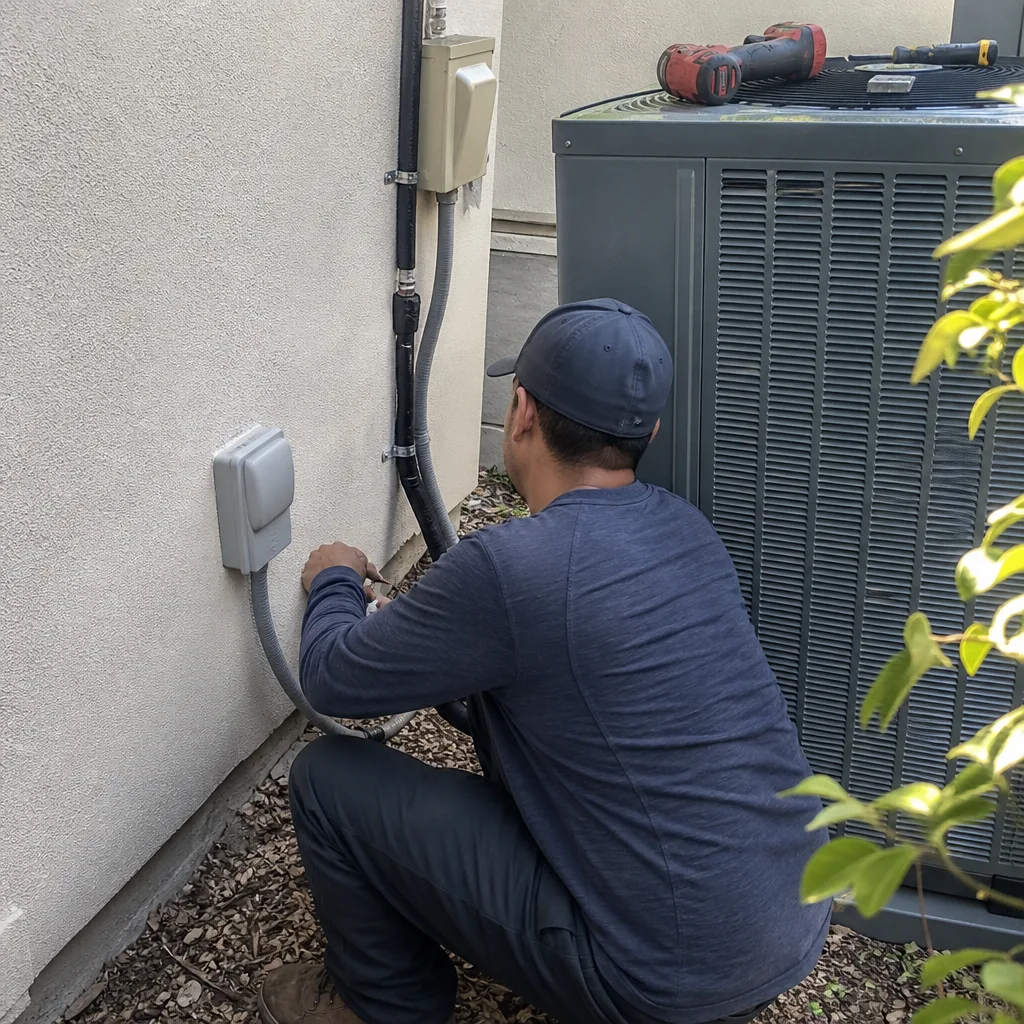 After
AfterReplacement Cost & What’s Included
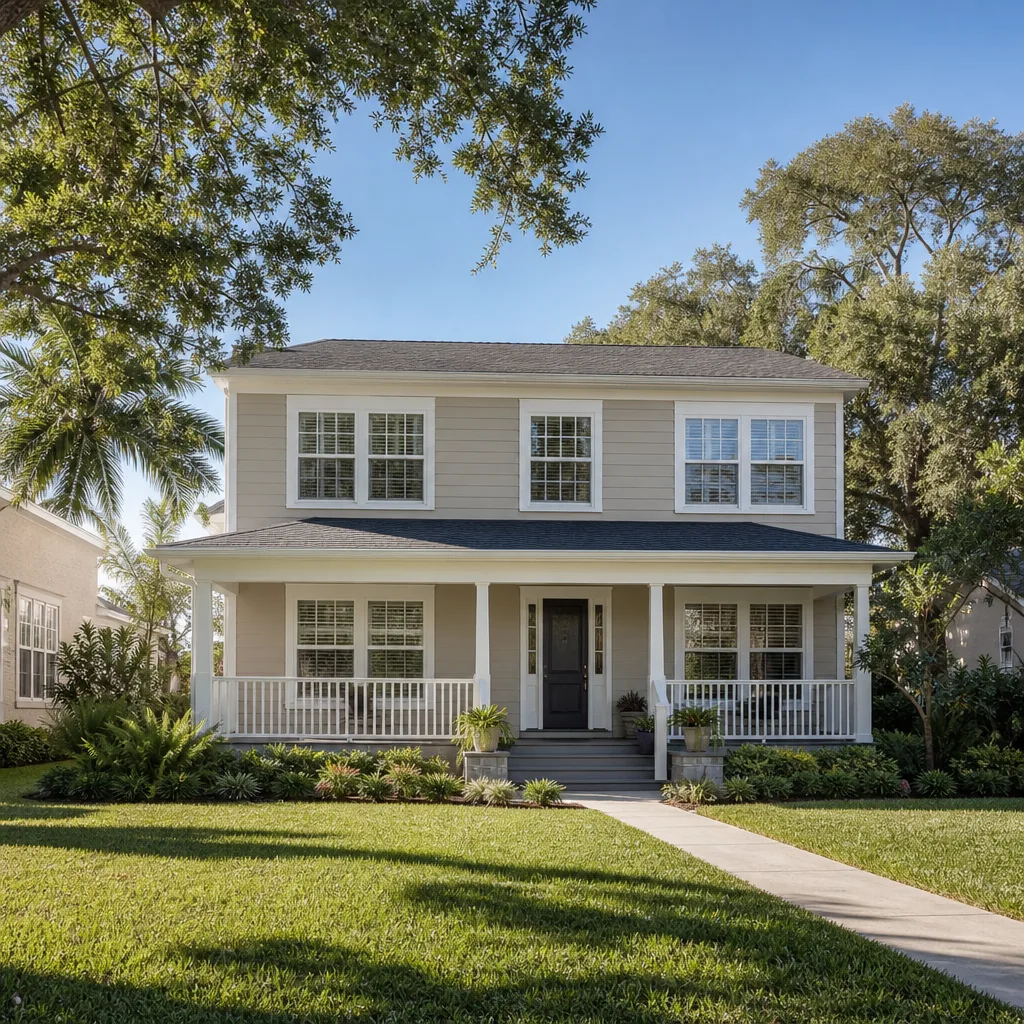
For Riverside, full Atlas home additions run $45,000 to $130,000 installed, while a complete ADU construction project lands between $90,000 and $220,000. If you’re repairing a failing section rather than rebuilding, the scope drives the number: a roof tie-in repair might run $1,500 to $6,000, while structural shear wall remediation with engineering sign-off can reach $15,000 or more depending on what the city requires.
Every project we price includes the written scope, the permit fees, the engineering if needed, all materials from documented brands, and the labor to close it out clean. There’s no hourly billing on top of a quoted number. The 365-Day Done Right Promise covers every repair and rebuild we complete: if the work fails within a year, we come back and correct it at no charge. That’s in writing before we start, not a verbal assurance.
What drives the range in Riverside specifically: single-story versus two-story additions, whether the existing foundation can carry the load or needs reinforcement, and what the soil report tells us about compaction. Homes in the La Sierra and Arlington Heights areas sit on different soil profiles than the slopes of Hawarden Hills, and the engineering reflects that.
DIY or Call Us?
You can safely inspect the visible signs: check for new cracks, test door latching, look at the roofline from the street for sag or separation. What you should not do is open up a shear wall, cut into a roofline, or jack up a settling addition. Those systems are holding weight, and the forces involved can turn a repair into a structural collapse without warning. That’s not an exaggeration, it’s what the California Building Code is written to prevent.
If you’re seeing any of the symptoms above, call us at (424) 567-8472. Curtis will walk you through what’s likely happening over the phone, tell you whether it’s urgent or can wait, and give you a straight number before we ever set foot on the property. Straight number, real scope, no surprises at the final walk.
FAQs
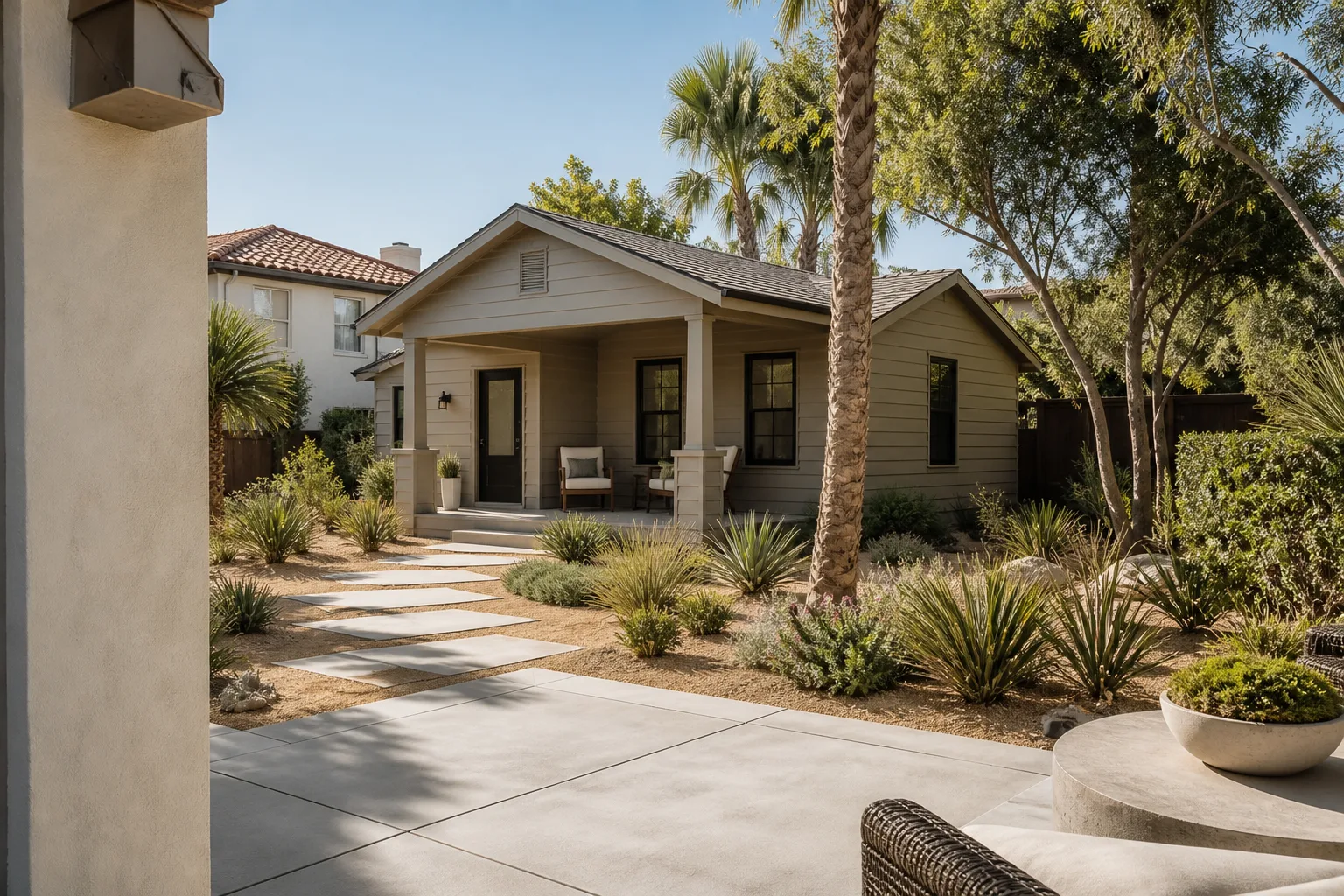
A properly built Atlas addition should last 50 years or more for the structural frame, though Riverside’s heat and clay soil mean you’ll likely see stucco maintenance and caulking every 5 to 8 years. The weak points that shorten lifespan are roof tie-ins and foundation connections, not the framing lumber itself. Call (424) 567-8472 if you want us to assess where your addition sits on that timeline.
Yes, in most cases the failure is isolated to one connection detail, one foundation corner, or one flashing line, and repairing that section restores the structure. The exception is when water damage has spread through the framing or the foundation movement is widespread enough that the city requires a full engineering fix. We’ll tell you which one you’re looking at before any work is quoted.
A roof tie-in repair typically takes 2 to 4 days including inspection, while a shear wall remediation runs 1 to 2 weeks depending on permit review and whether the Riverside building department requires an engineer’s letter. Foundation repairs can extend to 3 weeks. We sequence the work so the site stays ordered and the permit gets closed properly. Call (424) 567-8472 and we’ll give you an honest timeline for your specific scope.
We stock the fasteners, straps, hold-downs, and flashing materials common to Atlas framing details on our service trucks, which means most repair assessments can be quoted and started without waiting on a supply house. Larger structural members and engineered lumber are ordered to spec for your specific project. We’ll tell you what’s on hand and what needs ordering before you commit to anything.
Written by Curtis Lane, Owner, Bradford Remodeling Co Riverside at Bradford Remodeling Co Riverside, serving Riverside and nearby areas.