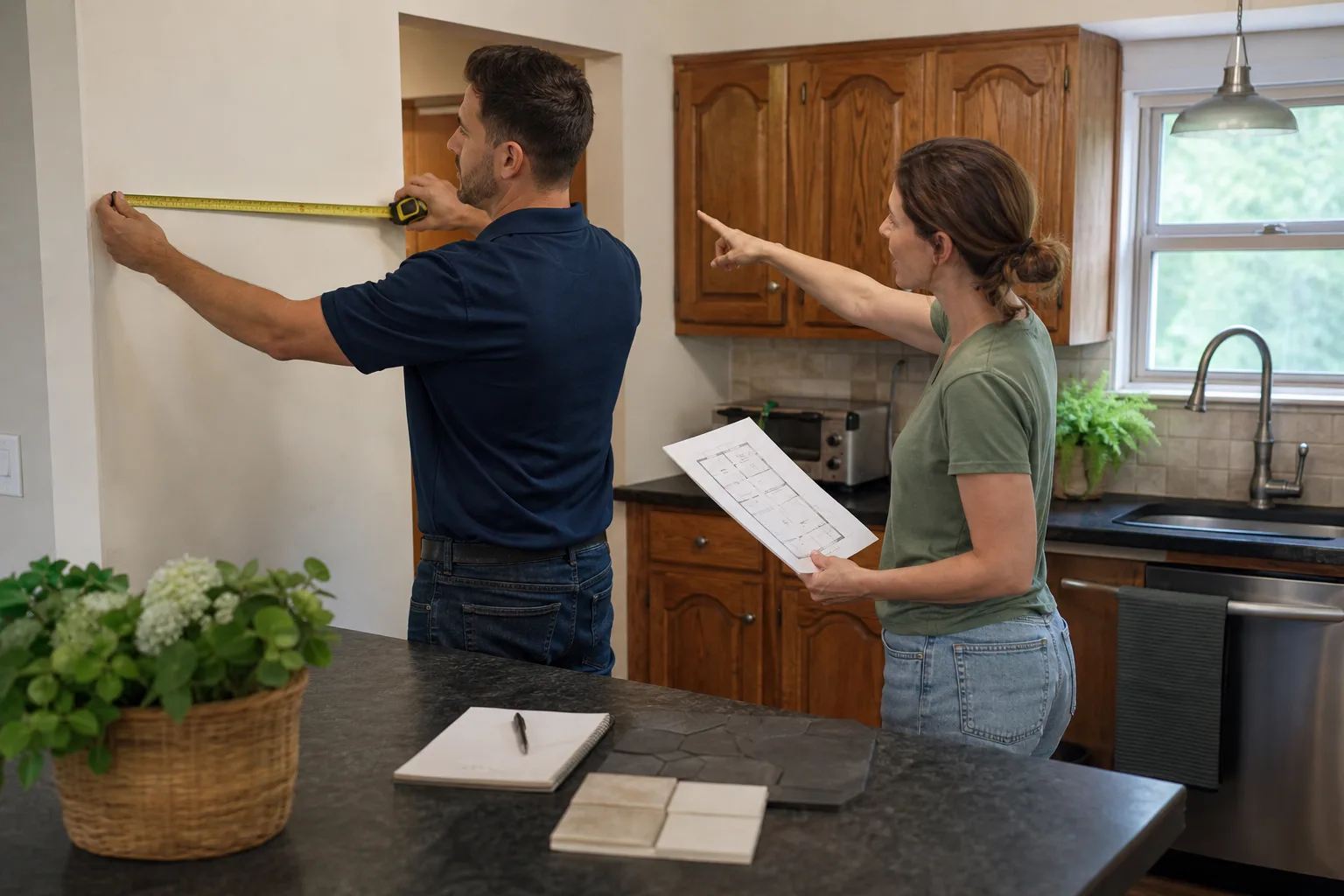
Free written scope consultation - allowances, timeline, and change-order rules on paper before a single trade is scheduled
Caesarstone Home Additions & ADU: The Riverside Owner’s Guide
Most Riverside homeowners come to us with a Caesarstone surface already in place and a question about what happens next: can you extend it, match it, or build a new ADU around it? The short answer is yes. A Caesarstone home addition or ADU in Riverside typically runs $45,000 to $130,000, depending on whether you’re adding a single room, expanding a kitchen, or building a detached accessory dwelling unit from the slab up. We stock Caesarstone-compatible materials on the truck and match existing slabs by lot code whenever possible, so the new work blends with what’s already in your kitchen or bath.
Here’s how we usually hear about a failing part: a homeowner starts a kitchen addition, discovers the existing Caesarstone backsplash or waterfall edge doesn’t extend into the new footprint, and the contractor they hired first walked off the job. Or they’re planning an ADU with a Caesarstone countertop spec, and the previous bid didn’t account for the quartz thickness Caesarstone requires for unsupported overhangs. Either way, the part that’s “failing” is often a spec mismatch, not the stone itself. That’s a fixable problem when someone knows the material.
Key Takeaways
- Caesarstone home additions and ADUs in Riverside cost $45,000 to $130,000 installed.
- We match existing Caesarstone slabs by lot code and thickness; no guessing on color or edge profile.
- The Garrison Standard puts your price, scope, and warranty in writing before any work starts.
- ADU construction with a Caesarstone-trimmed kitchen or bath lands between $90,000 and $220,000 depending on size and utility runs; garage conversions run $30,000 to $80,000.
- Every completed project carries the 365-Day Done Right Promise in writing.
Which Caesarstone Models This Applies To
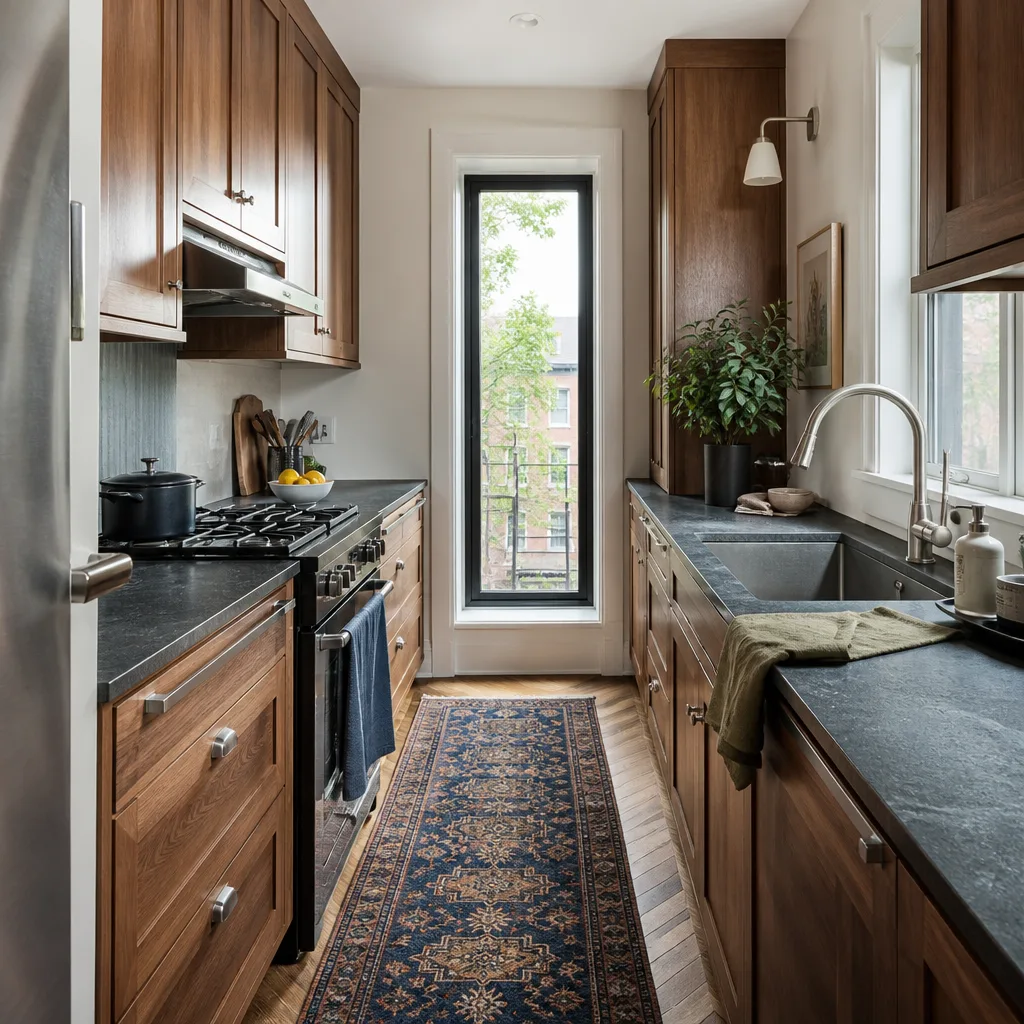
Caesarstone runs their quartz through multiple series lines, and the part compatibility question depends on which one your slab came from. The Classico and Supernatural lines are the most common in Riverside kitchens right now, with slab thicknesses of 2cm and 3cm. The 3cm stock is what we spec for unsupported overhangs and waterfall edges; the 2cm requires a laminated edge or plywood subtop to handle the same load. That’s the kind of detail that gets missed on a cheap bid, and it’s the difference between a countertop that holds and one that fails at the seam.
Identify your slab by the lot number printed on the back side of any cut off-fall or on the original invoice. If you don’t have either, we can pull a small sample from an inconspicuous area, like the underside of a sink cutout, and cross-reference it against current Caesarstone production in the Inland Empire supply chain. For OEM versus aftermarket: Caesarstone doesn’t make “parts” the way a faucet manufacturer makes cartridges. What you’re actually replacing or retrofitting is the surrounding build. So the decision isn’t OEM versus knockoff. It’s whether the new addition is spec’d to the slab you already own, or whether you’re paying for a mismatched redo later.
Styles & brands we work with
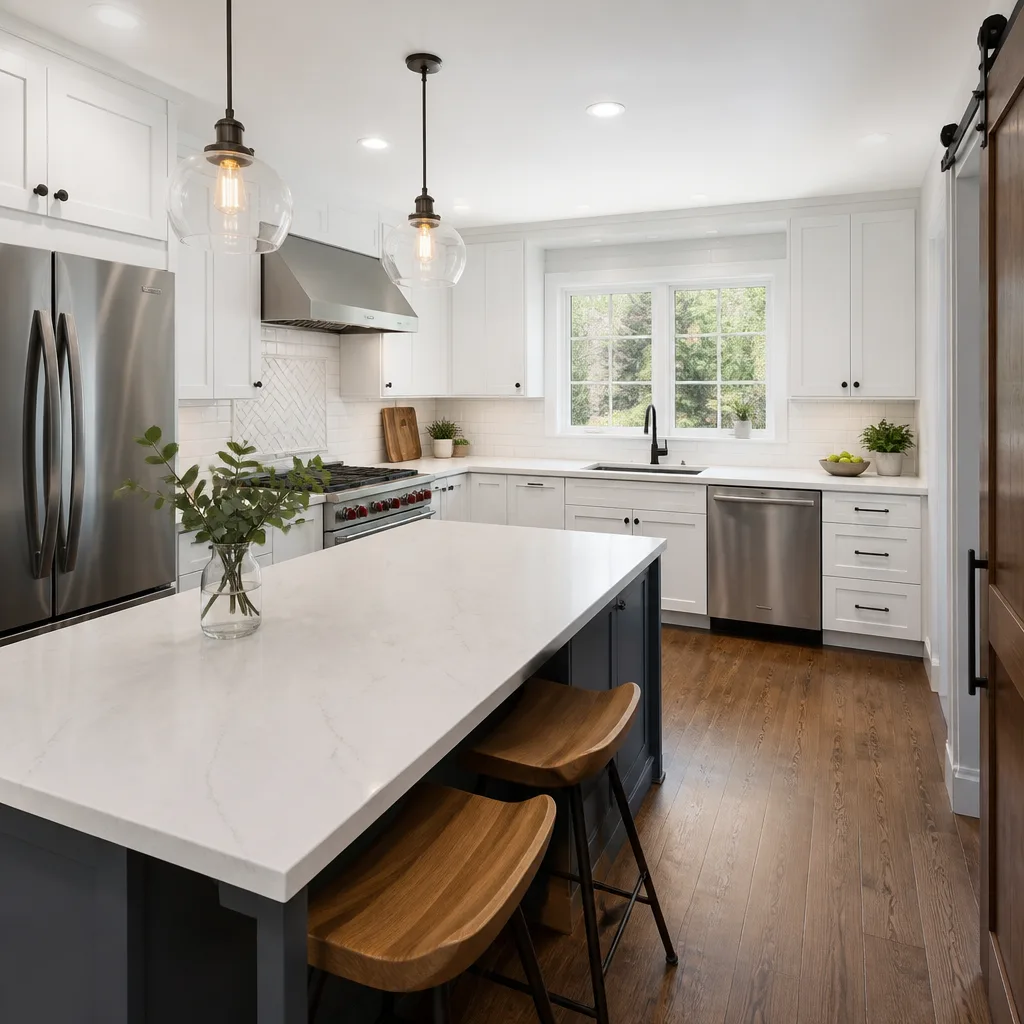
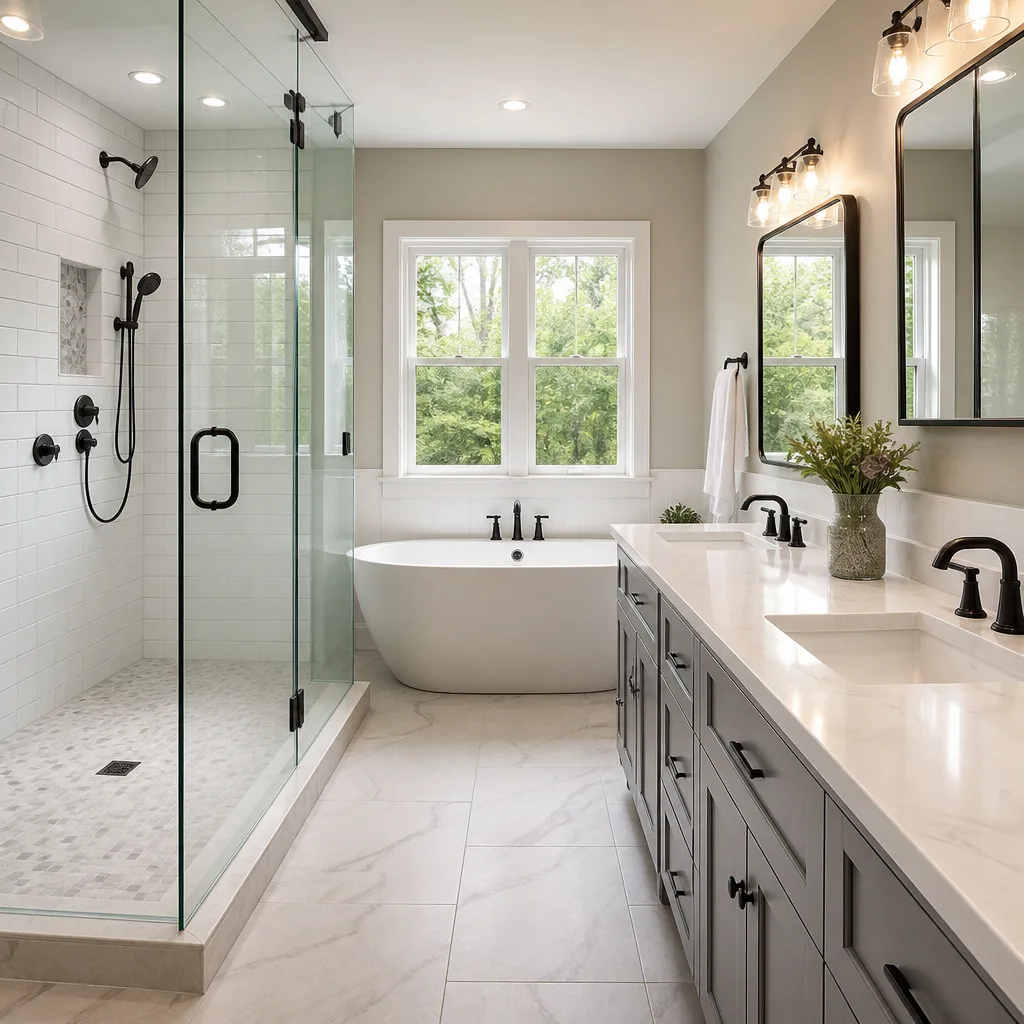
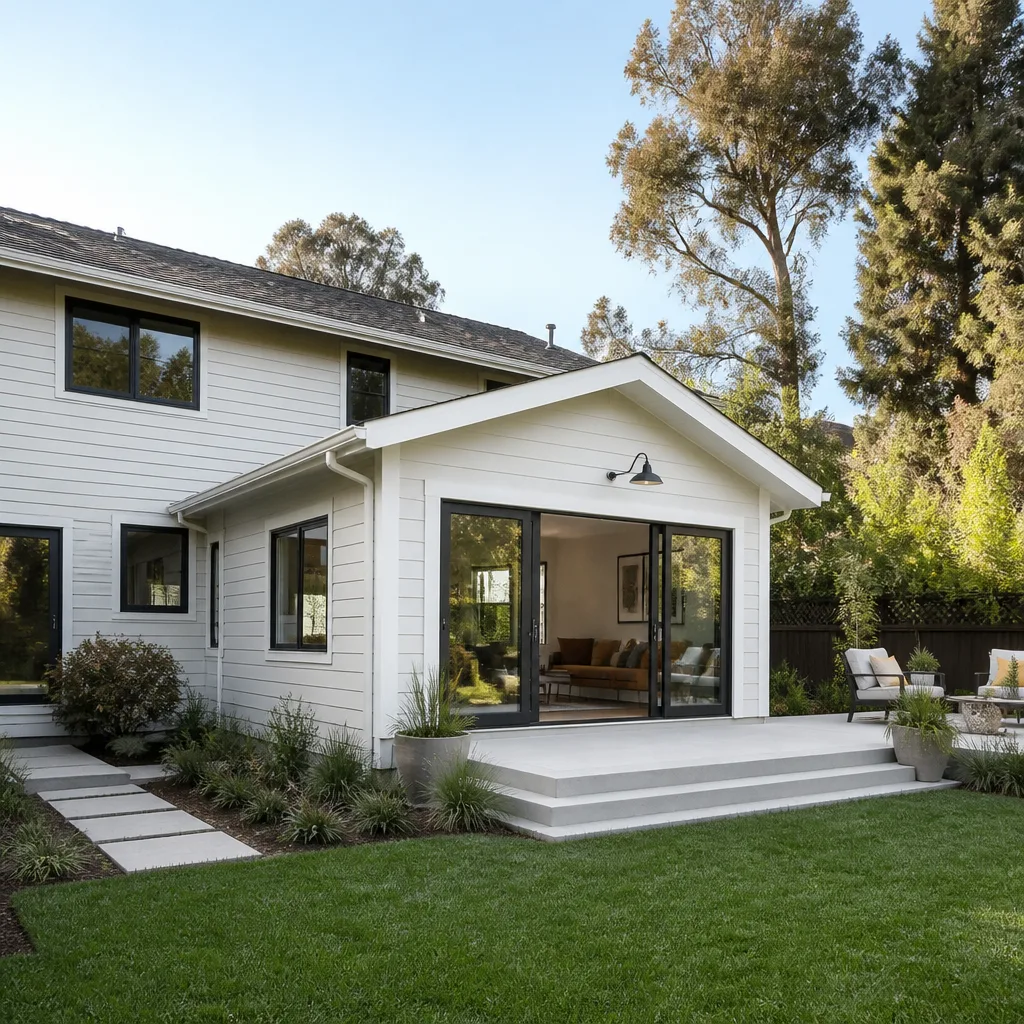
Signs Your Caesarstone Home Addition or ADU Plan Is Failing
Most failures we see aren’t in the Caesarstone itself. They’re in how the addition or ADU was planned around it. Here are the five most common ones in Riverside, with the underlying cause for each.
- Hairline cracks at a seam or corner. This is almost always an unsupported overhang or a substrate that flexed. Caesarstone quartz is brittle under point load, and a 2cm slab on a wavy subtop will crack at the miter before the base cabinets show any movement.
- The new countertop doesn’t sit flush with the old one. Thickness mismatch. If the original kitchen was set with 2cm and the addition is spec’d at 3cm, you get a visible lip at the transition. That’s a planning failure, not a materials failure.
- Color is visibly off between the old slab and the new run. Caesarstone batches vary. A lot code from 2018 in Supernatural 5101 Blizzard will not match a 2024 run perfectly. When we can’t match the lot code, we tell you before we order, and we show you the difference in writing.
- Water wicking under the edge at a sink or appliance seam. Failed silicone joint or a seam placed directly over a dishwasher without a moisture barrier. Riverside’s hard water accelerates the mineral buildup that tells you the seal is gone.
- The ADU kitchen or bath is spec’d for Caesarstone that doesn’t match the main house. A detached ADU with a different Caesarstone color than the primary home can ding resale value. Matching the main house’s slab, or at least documenting the contrast as intentional, matters more than most people expect.
See the difference
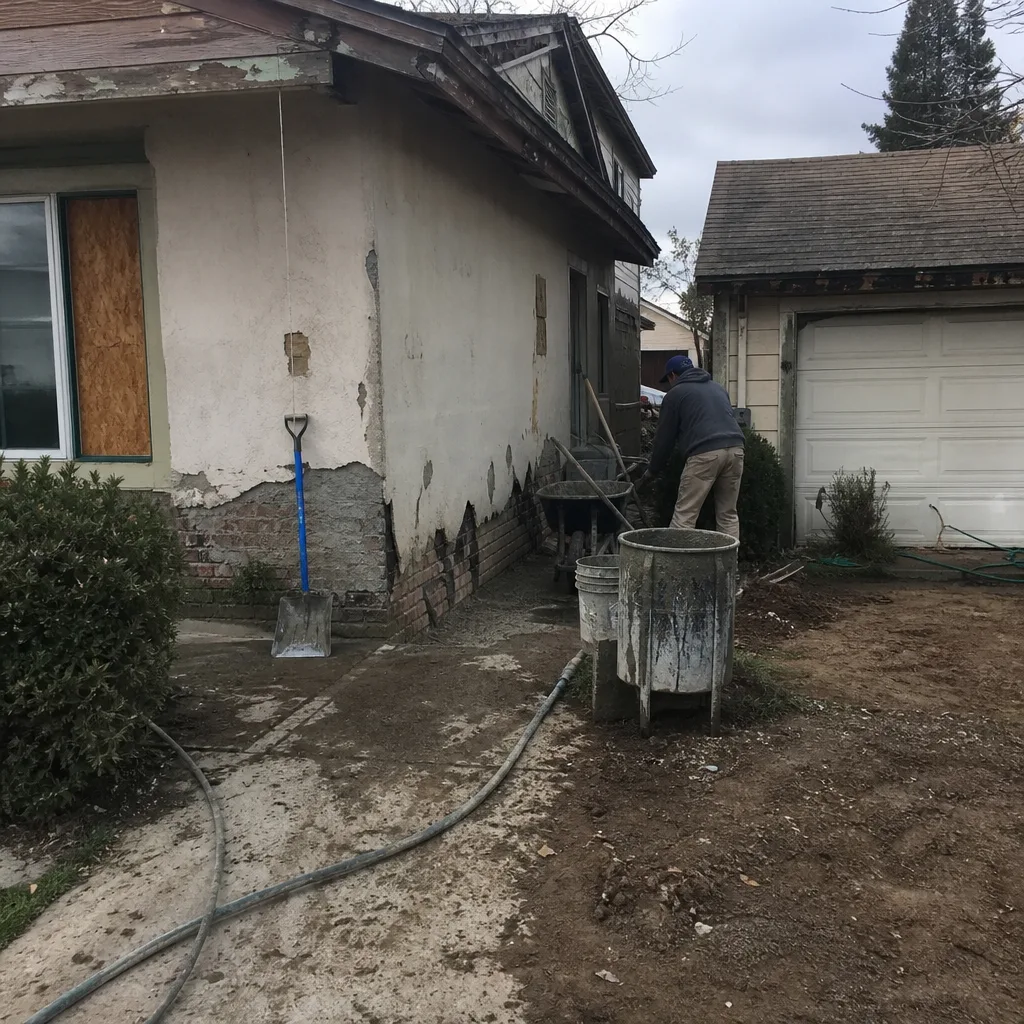 Before
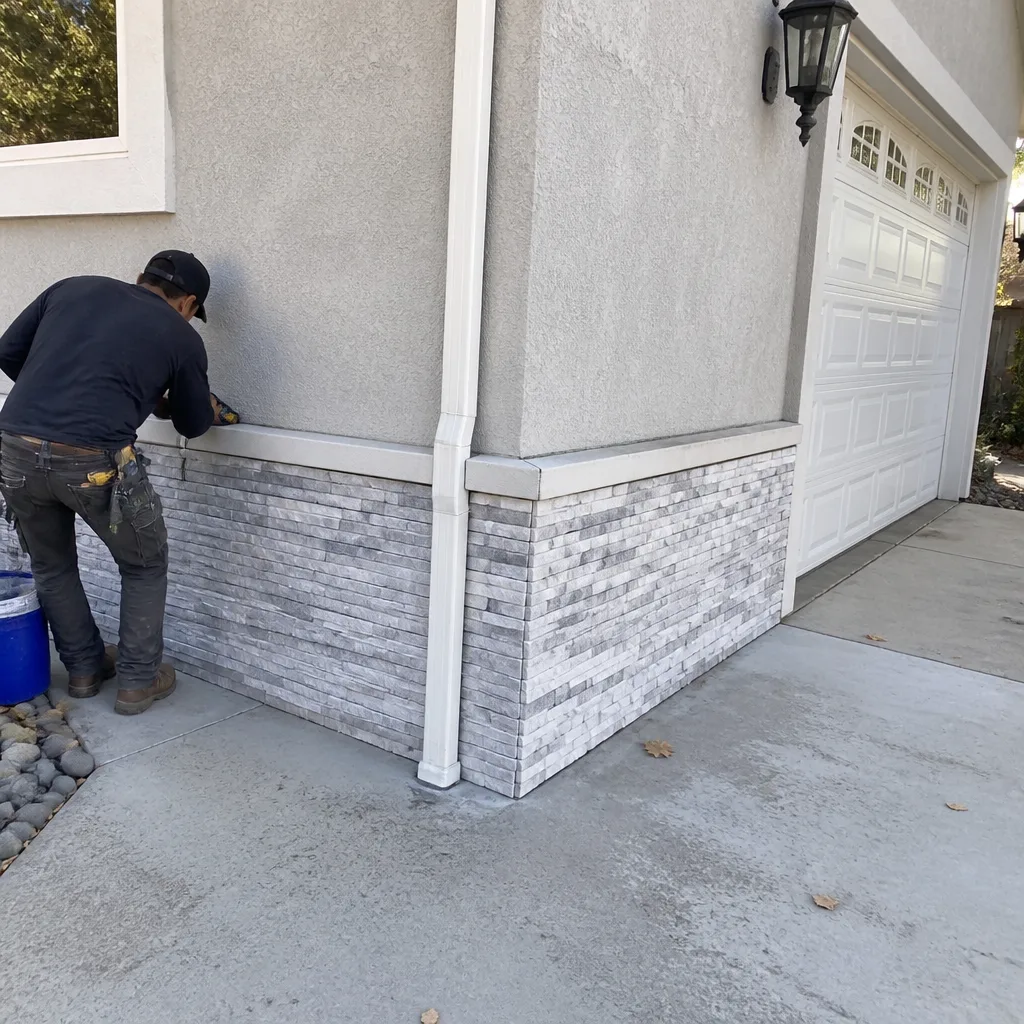 After
After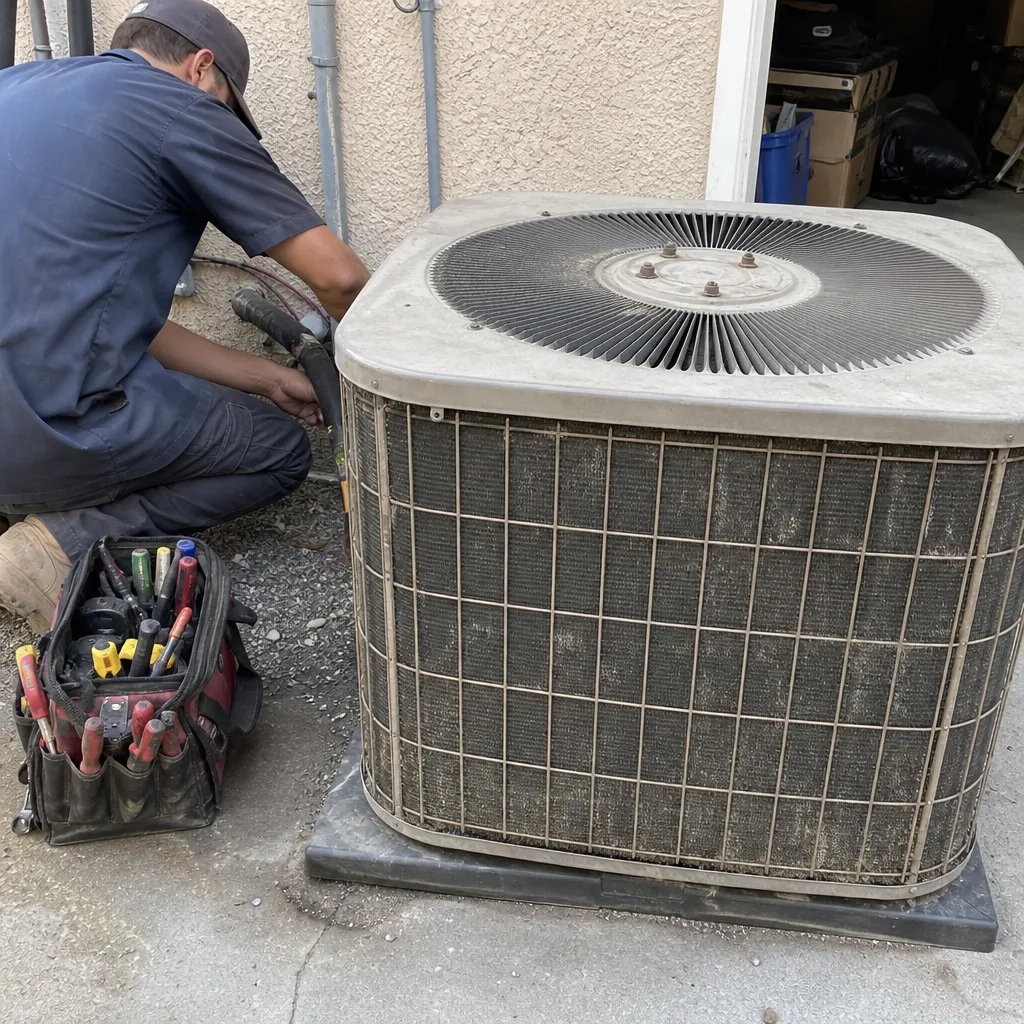 Before
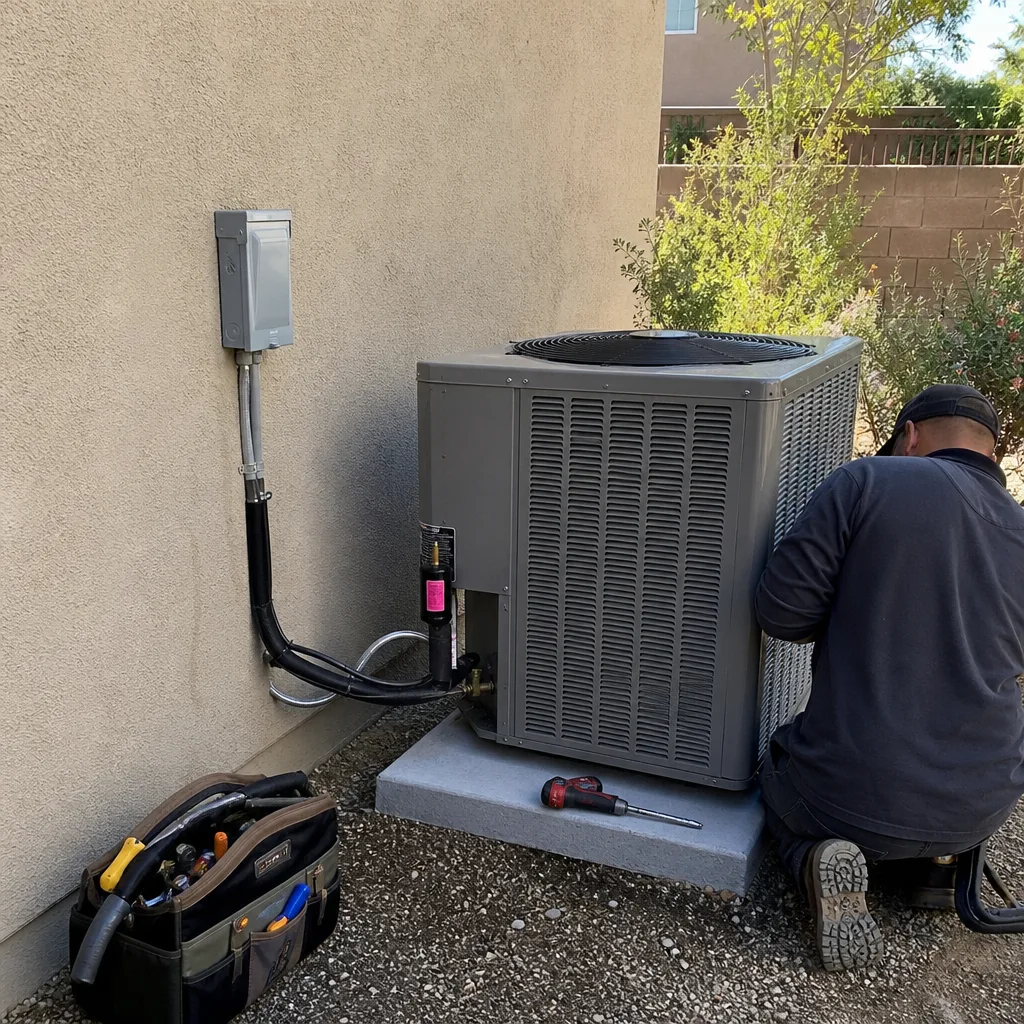 After
After Before
 After
AfterReplacement Cost & What’s Included
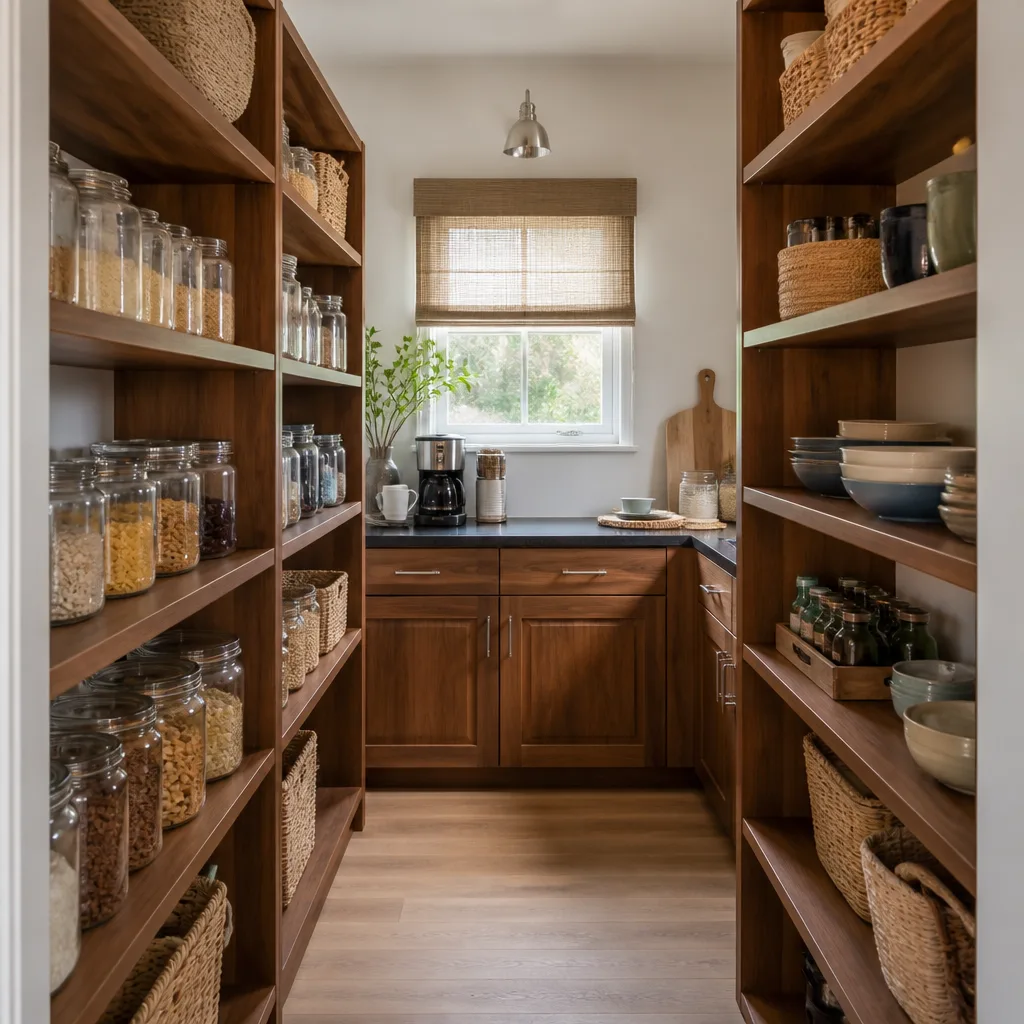
For Riverside, here’s the honest range. A single-room home addition with a Caesarstone-trimmed wet bar or laundry fold lands at $45,000 to $70,000. A larger addition that extends a kitchen and includes a full Caesarstone countertop run runs $70,000 to $130,000. An ADU with a Caesarstone kitchenette and bath vanity is $90,000 to $220,000, and a garage conversion with Caesarstone surfaces is $30,000 to $80,000. These are installed numbers, not material-only figures.
What’s included: written scope of work, the permit set if the job requires it, demo and haul-away, substrate prep, Caesarstone fabrication and install, and a signed 365-Day Done Right Promise before the final payment is collected. What drives the range: square footage, utility runs, the thickness of the slab you already own versus what the addition requires, and whether the city of Riverside requires engineered calcs for the ADU foundation. Curtis Lane reviews every Caesarstone addition quote himself before it goes out. If a number doesn’t square with the current California Building Code on the seat of his truck, it doesn’t get sent.
DIY or Call Us?
You can check a few things without picking up a tool. Look under your existing Caesarstone countertop with a flashlight and phone camera. See if the subtop is plywood or particleboard routed cleanly, and whether any seams are directly over a dishwasher. If the slab is 2cm and you want an overhang past 10 inches, that’s a spec problem you now know to ask about. What you shouldn’t do is attempt to shim, re-level, or re-seam a Caesarstone slab yourself. The resin in quartz doesn’t flex like laminate. A forced adjustment at one end telegraphs stress to the other, and you’ll crack the stone at the weakest point. That’s not a warranty item; it’s a preventable expense.
If the part that’s failing is the plan itself, we’ll pull the measurements, confirm the lot code, and give you a written number. Straight number, real scope, no surprises at the final walk. Call (424) 567-8472 and a live person answers. Not a voicemail.
FAQs
A properly installed Caesarstone slab in interior use should last 25 years or more, but Riverside’s heat and the hard water from the local supply mean seams and silicone joints need attention every 3 to 5 years. The stone itself won’t fail; the details around it will. Call (424) 567-8472 for an exact assessment of your existing slab.
Yes, in most cases. Chips, seam separation, and color filling at miters can be addressed without pulling the slab. But if the addition changes the footprint and the existing run no longer ends where the new wall goes, you’re looking at a retrim or a new section, not a patch. We’ll tell you which one applies after a site visit with measurements in hand.
A single-room addition with Caesarstone surfaces typically runs 8 to 14 weeks from permit submittal to final walk. A full ADU on a new slab runs 6 to 10 months depending on Riverside’s plan check queue and whether trenching or utility upgrades are required. Curtis Lane sequences the job so the Caesarstone fabrication happens in parallel with framing, not after it, which trims 2 to 3 weeks off the typical timeline.
We order directly from the same Riverside and Inland Empire suppliers that supply the Caesarstone fabrication shops we work with. We do not ask homeowners to source their own slabs; if the stone arrives wrong, that’s now your problem, and we don’t put you in that position. We also work with KraftMaid, Cambria, and Silestone if your addition calls for a different surface brand.
Written by Curtis Lane, Owner, Bradford Remodeling Co Riverside at Bradford Remodeling Co Riverside, serving Riverside and nearby areas.