Free written scope consultation - allowances, timeline, and change-order rules on paper before a single trade is scheduled
CGI Home Additions & ADU: The Riverside Owner’s Guide
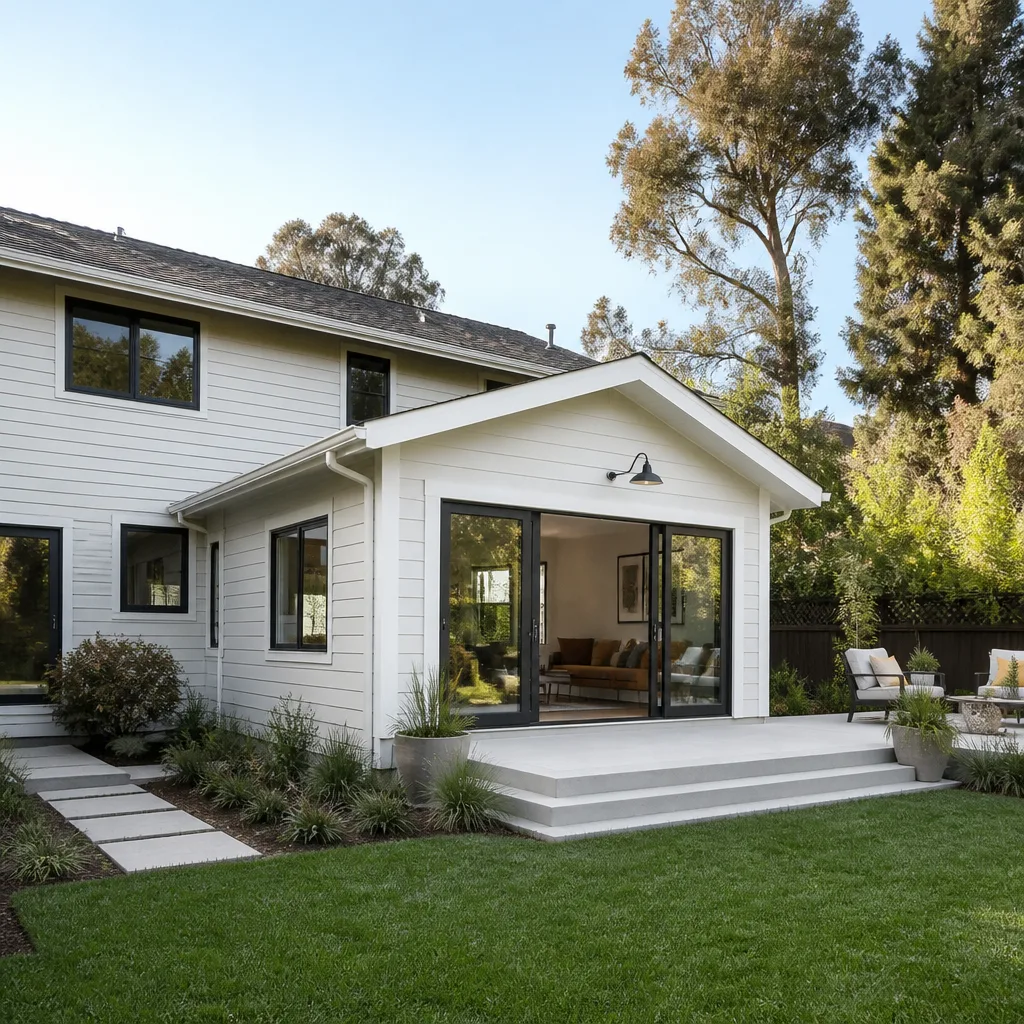
Most CGI home addition and ADU failures in Riverside trace back to the same weak points: undersized beams under second-story loads, water intrusion at the transition flashing between new framing and old stucco, and slab settlement from our expansive clay soils. A full CGI home addition or ADU build in Riverside runs $45,000 to $130,000 installed, with ADU construction landing between $90,000 and $220,000 depending on whether you’re going detached or conversion. When a homeowner calls us about a failing addition, it’s usually because they’ve spotted drywall cracks radiating from a corner, a door that suddenly won’t latch, or moisture staining at the ceiling line where the new roof ties into the old one.
What separates a by-the-book fix from a patch job is whether the original build respected two things: the load path from ridge beam to footing, and the water path from roof edge to grade. Riverside isn’t kind to either. Our hot, dry summers shrink the clay under your slab, our rare but real winter rains swell it, and every cycle works the connection points between old foundation and new. Bradford Remodeling Co Riverside is an independent service provider, not affiliated with CGI, and we see the same failure patterns across every major brand’s product, which means we diagnose by the building science, not by brand loyalty.
Straight number, real scope, no surprises at the final walk. That’s how Curtis Lane runs a jobsite, and it’s how this page is built. No vague “call for a quote” hedging. The numbers are below.
Which CGI Models This Applies To
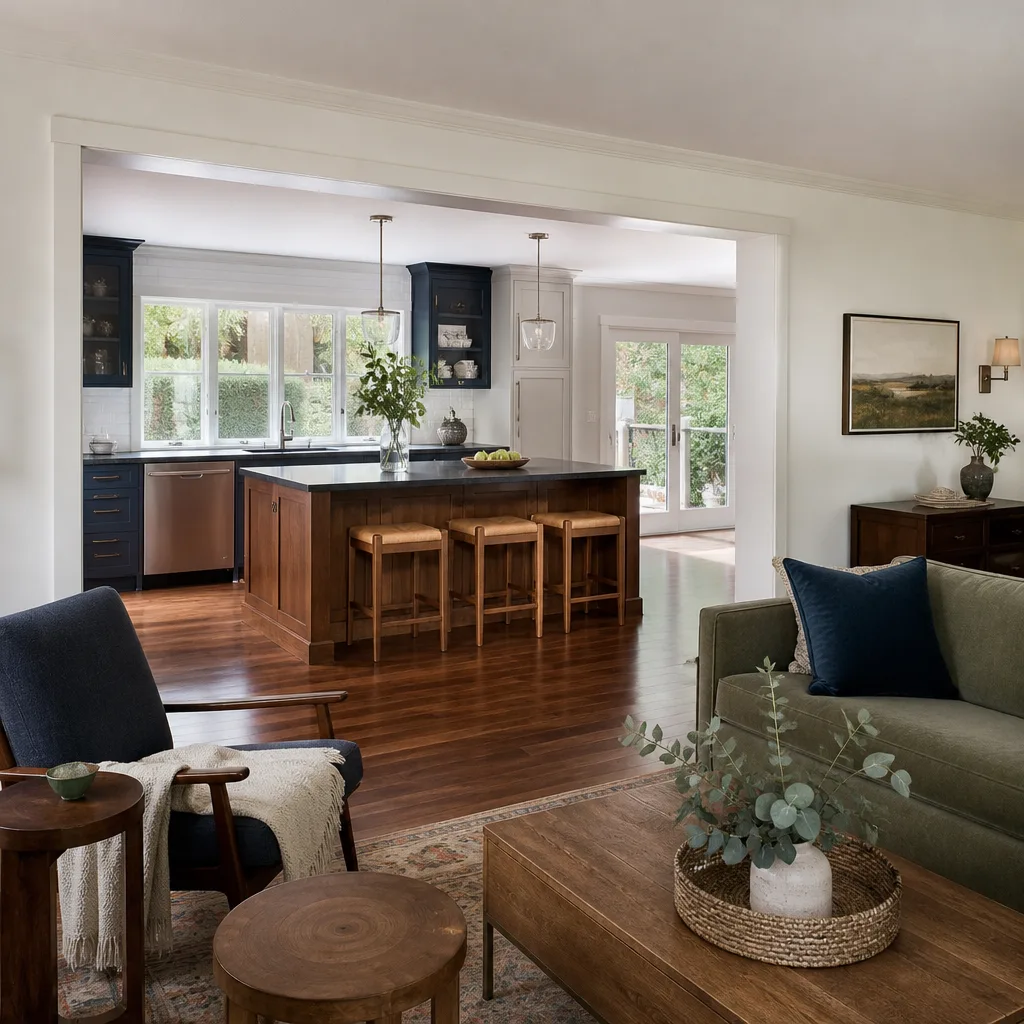
CGI manufactures a range of pre-engineered and semi-custom addition and ADU packages, and compatibility depends on which series your original builder specified. Riverside installations typically involve one of three lines: the CGI Advantage series (stick-framed, modular panelized), the CGI Studio line (detached ADU shells), or the older CGI Classic additions that were popular in Riverside tract homes built in the 1990s and early 2000s. The gotcha most homeowners don’t know: CGI changed its corner connection hardware between the Classic and Advantage generations, and the older brackets are no longer in production. If your Classic addition has a failing corner, a parts match requires either NOS (new old stock) hardware or an engineered retrofit connection. We keep relationships with the suppliers who still carry both.
How to identify what you have: look for a silver manufacturer plate on the main beam in the attic or crawl space. It’ll be stamped with the series name and a build date. If the plate’s missing or painted over, we measure the beam width and bolt spacing to reverse-engineer which hardware family fits. The OEM versus aftermarket decision matters less for lumber and sheathing (both are commodity goods) and more for connectors and flashing. Simpson Strong-Tie makes field-proven equivalents for most CGI connection points, and when we do a retrofit, we document exactly which part was used, its load rating, and its spec sheet so your paperwork is as solid as the framing.
Styles & brands we work with
Signs Your CGI Home Additions & ADU Is Failing
- Drywall cracks at door and window corners. This is the most common first sign. It means differential settlement or a roof load that’s no longer transferring cleanly through the framing. In Riverside’s clay soil, we see this show up within five to seven years of the original build if the footing wasn’t deepened past the active zone.
- Sticking doors or windows that won’t square up. When a door suddenly starts dragging against the jamb, the wall plane has shifted. In a two-story CGI addition, this often traces to a sagging header over a wide opening, or a beam that was undersized for the second-story load when it was originally spec’d.
- Moisture staining at the ceiling line or baseboards. Riverside doesn’t get a lot of rain, but when it does, it comes hard. The number-one water intrusion point on CGI additions is the transition flashing where the new roofline ties into the old exterior wall. Aged or poorly lapped flashing lets water walk sideways into the wall cavity.
- A visible gap between the addition’s foundation and the original slab. Clay soil expands and contracts on a cycle. If the original builder didn’t install expansion backing at the joint or tie the slabs properly, you’ll get separation. A gap wider than a quarter inch is worth having looked at before the rainy season.
- Efflorescence or spalling on the stem wall. That white, chalky deposit on the concrete means water is moving through the foundation wall. It’s not just cosmetic. Over time, it degrades the concrete’s surface and the rebar behind it, and it’s a sign that the drainage plan around the addition isn’t keeping water away from the structure.
See the difference
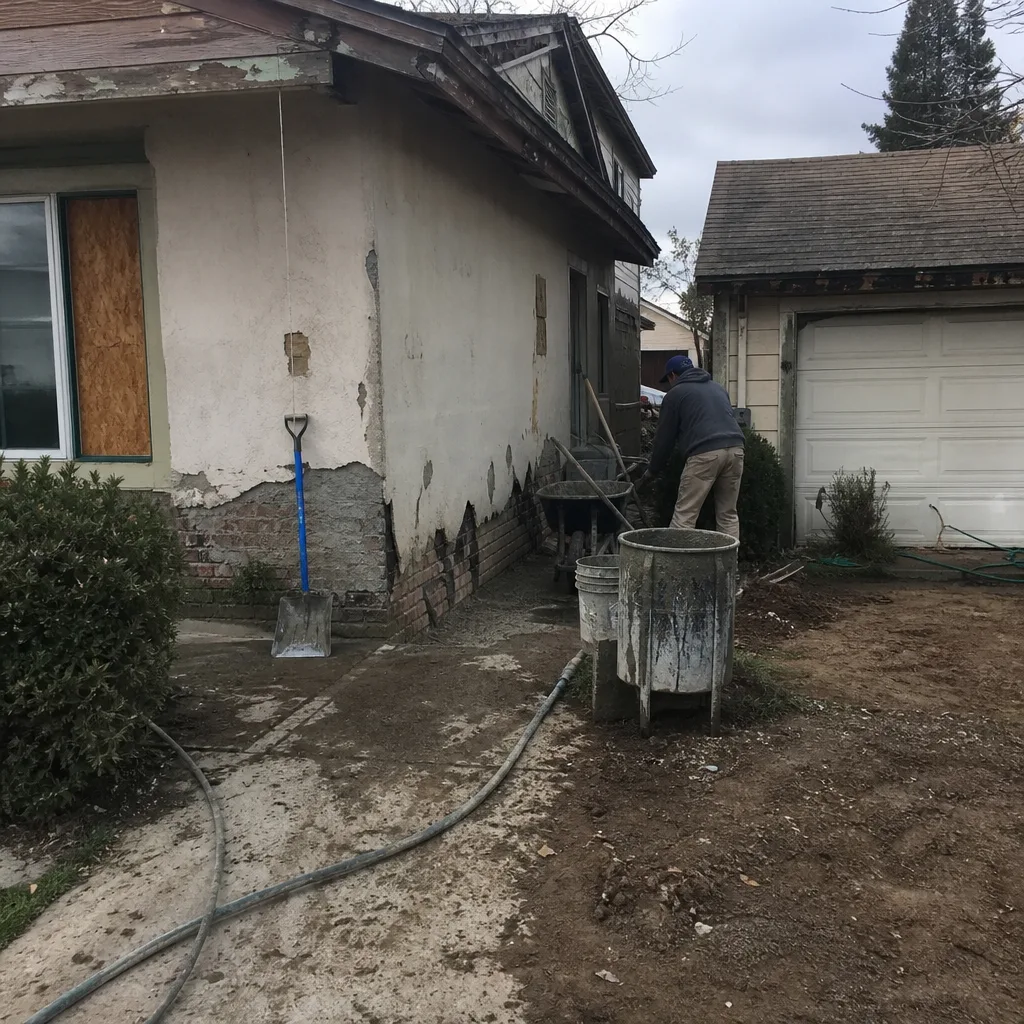 Before
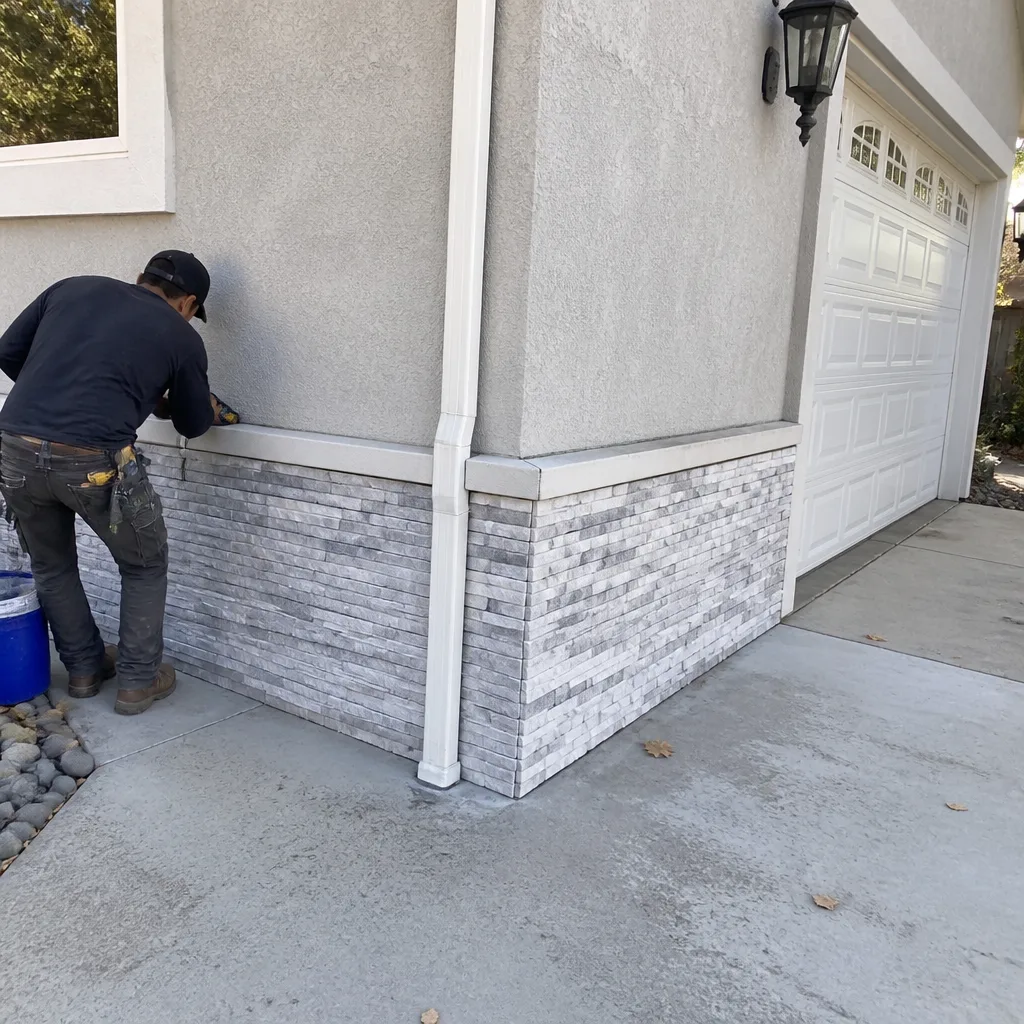 After
After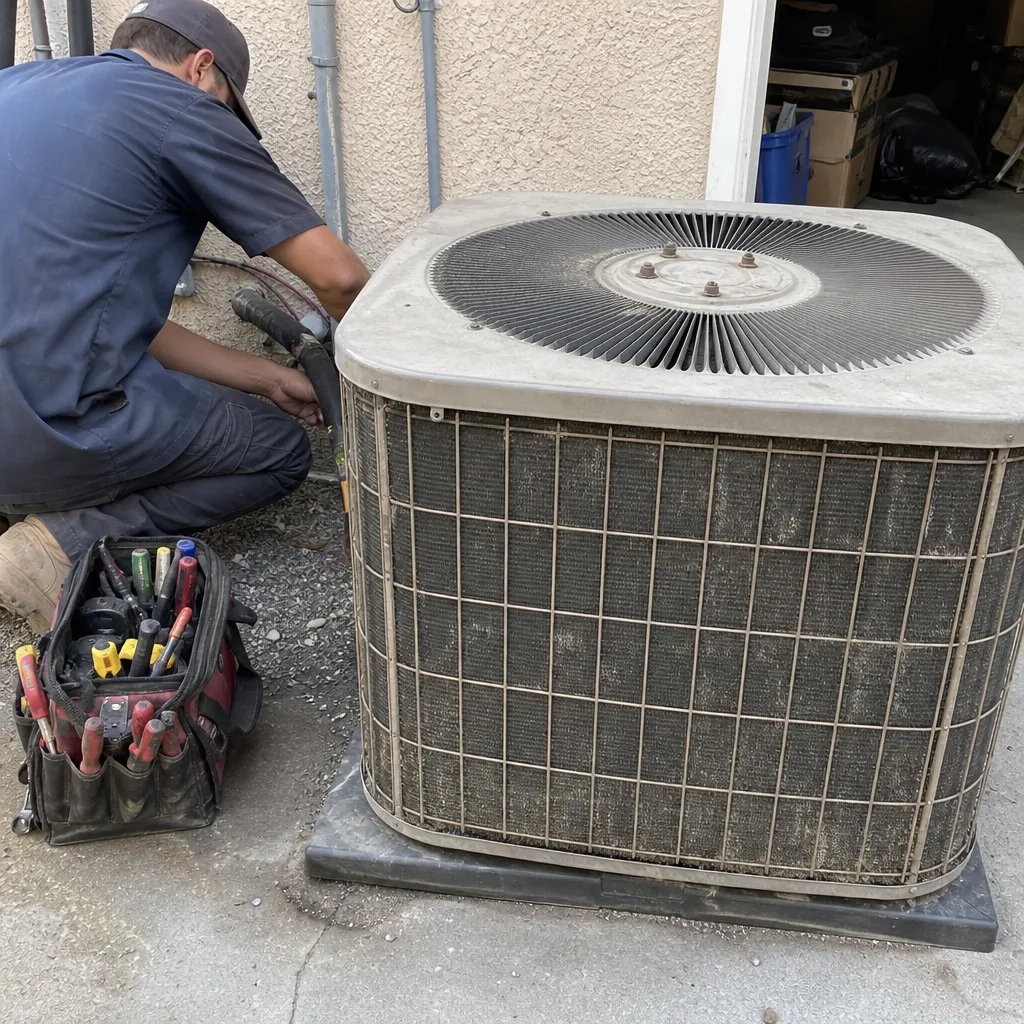 Before
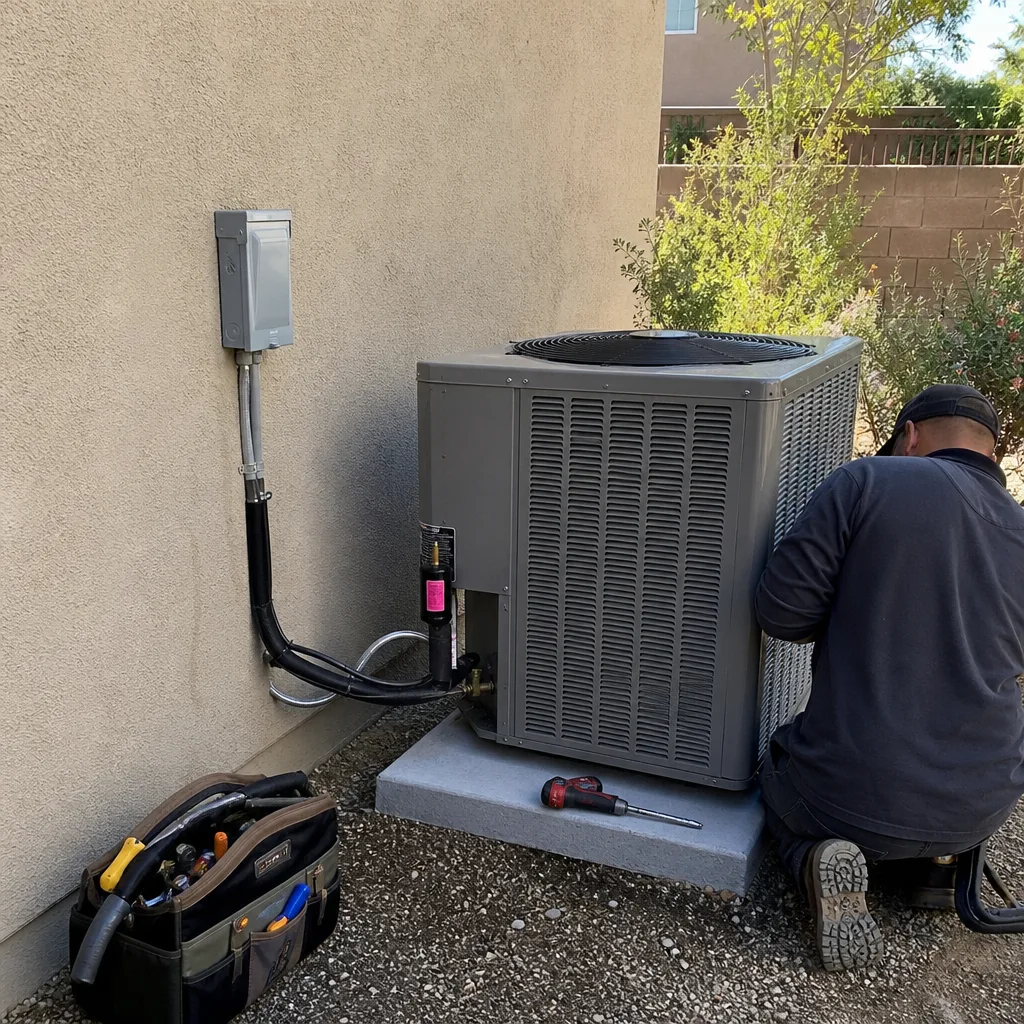 After
After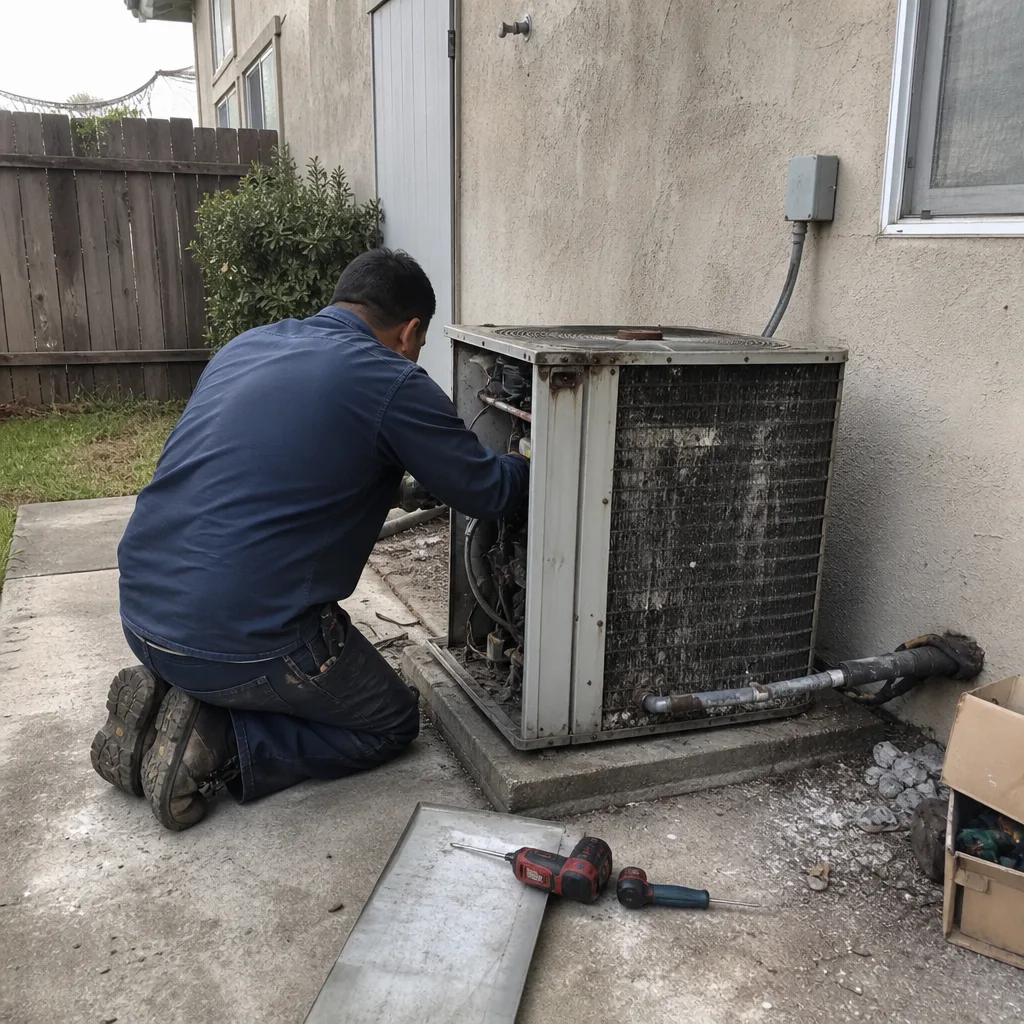 Before
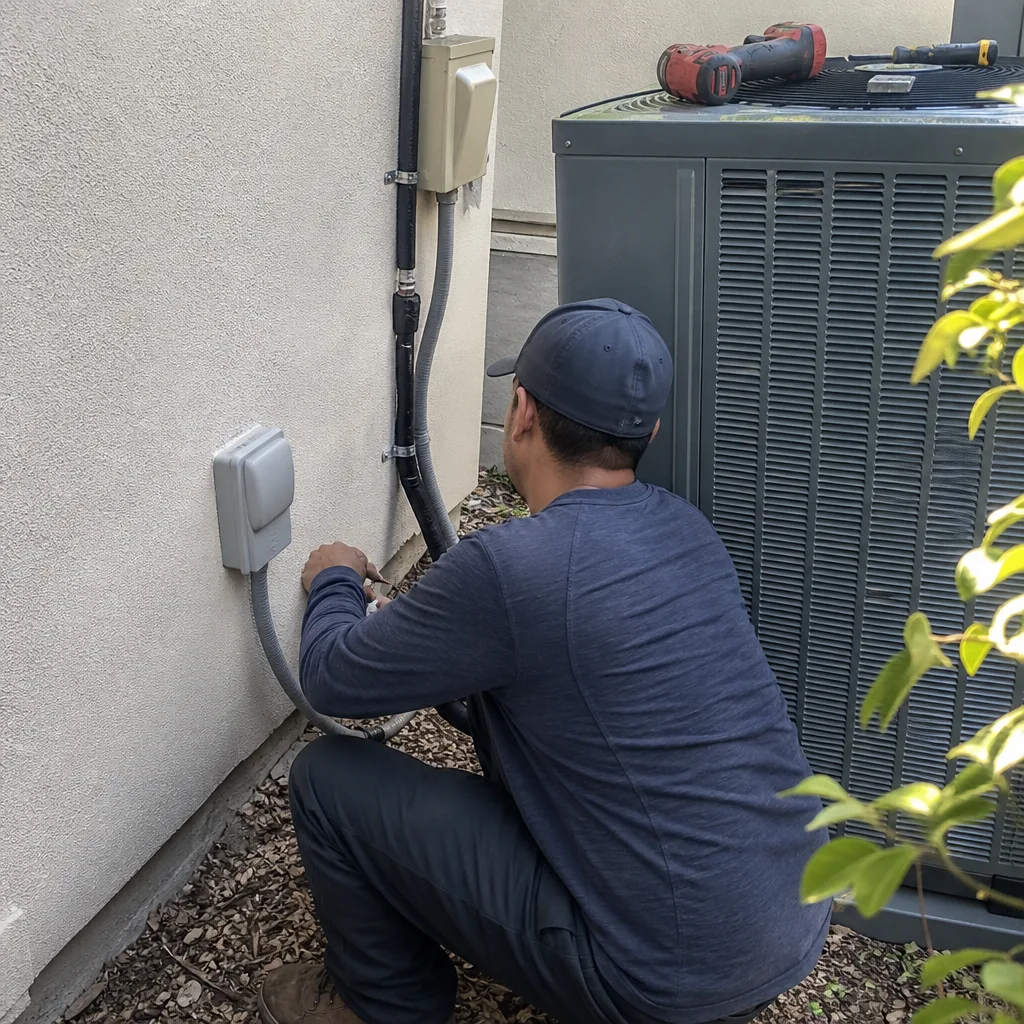 After
AfterReplacement Cost & What’s Included
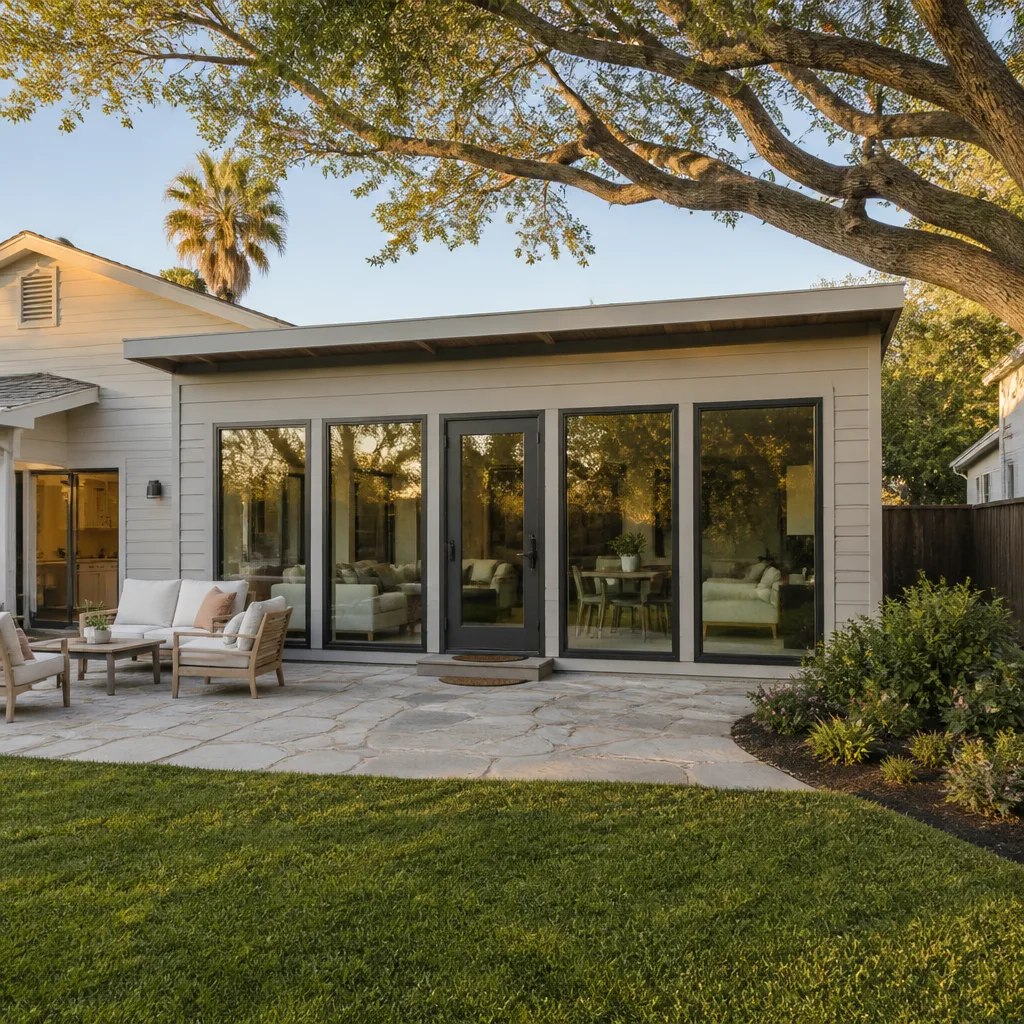
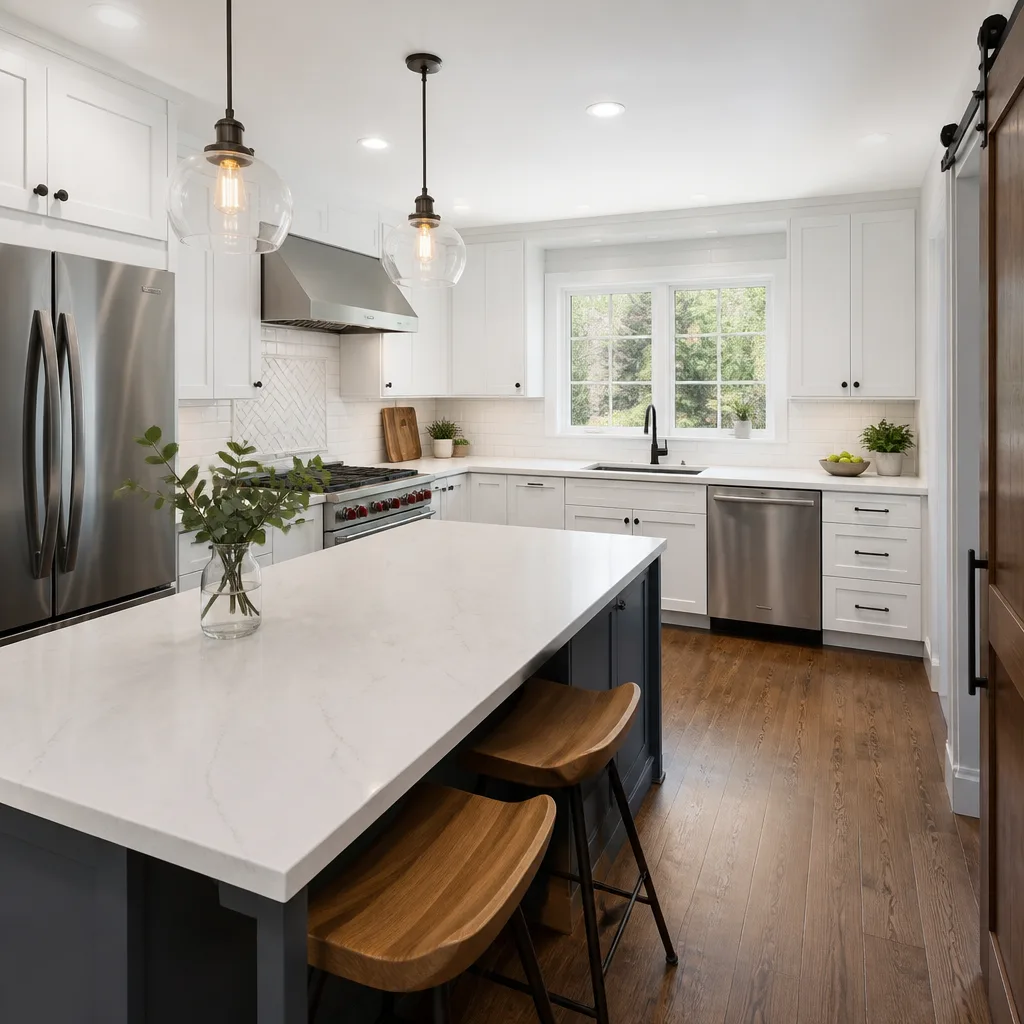
Riverside pricing for home additions and ADU work breaks down like this, with the most common scope we contract:
- Full home addition (stick-framed, tied into existing structure): $45,000 to $130,000
- ADU construction (detached, from footing to roof): $90,000 to $220,000
- Garage conversion to living space: $30,000 to $80,000
What drives the range isn’t mystery markup. It’s the real variables: soil conditions and whether the original footing needs correction, structural framing requirements based on the existing roofline, whether we’re matching stucco or siding on the tie-in walls, and the finish level of the interior. A kitchen-bearing addition in the Victoria Avenue corridor with old clay soil and a complicated roof intersection is going to land higher than a flat, well-drained bedroom bump-out in a newer subdivision. Every proposal we write in Riverside includes a line-item scope, the materials we’re using by brand and spec, and the labor broken out by phase. The price we give you before work starts is the price you pay. The 365-Day Done Right Promise covers every addition and ADU project for a full year: if the work fails inside that window, we come back and fix it at no charge.
DIY or Call Us?
There are things an owner can check safely, and things they shouldn’t touch, and the line matters. You can look for gaps at the footing joint, check for water staining at the ceiling line, and note whether doors are suddenly sticking. That information makes our first visit faster. But once we’re talking about structural load paths, foundation ties, or anything involving the roof framing where a CGI addition ties into the existing house, this is not a weekend project. The danger isn’t just to you. A wrongly shored wall or an improperly cut roof transition can shift load onto framing that wasn’t designed for it, and you won’t see the failure until a beam sags or a wall cracks six months later. High work on ladders, cutting into load-bearing headers, lifting wall sections: these need a crew that does it full time. Call (424) 567-8472 and we’ll schedule a walkthrough. The estimate is free, and we’ll tell you honestly whether the work is structural, cosmetic, or somewhere in between.
FAQs
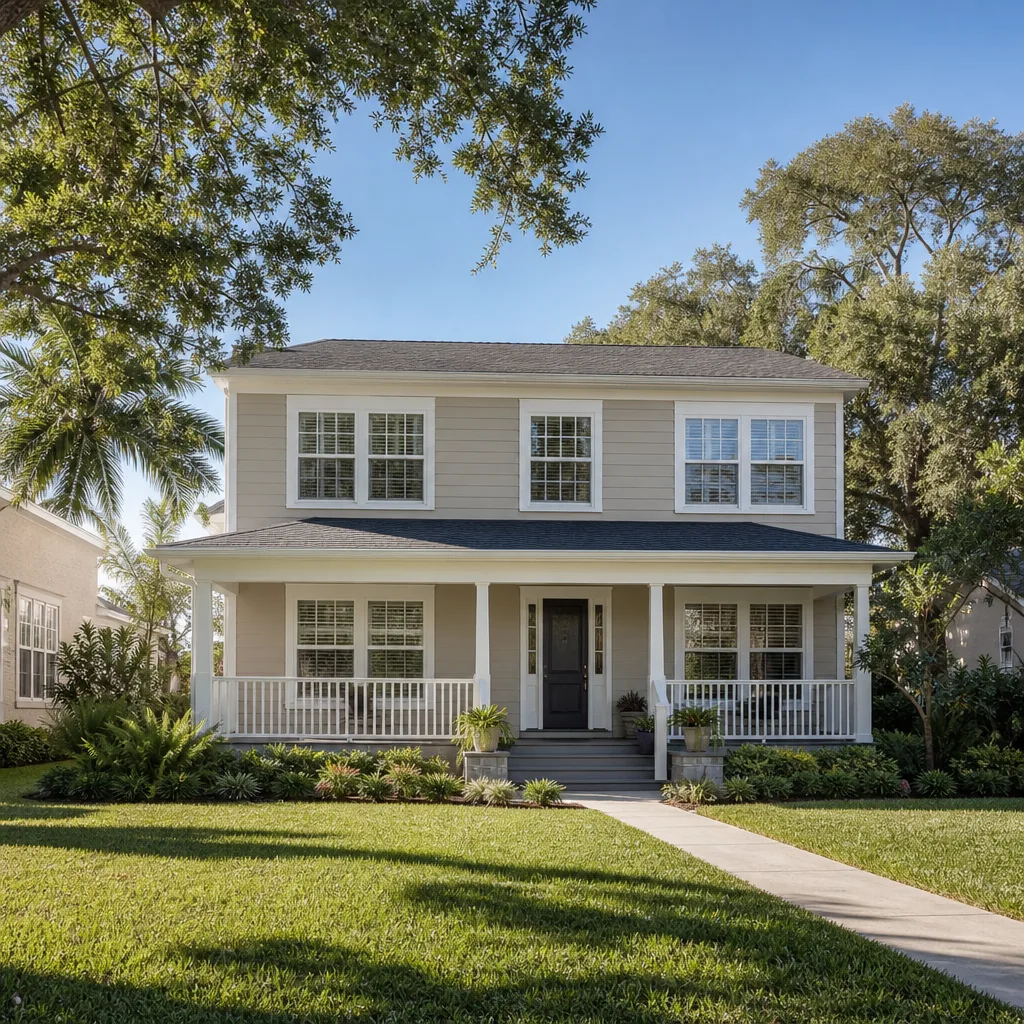
A properly built CGI addition in Riverside should hold its structural integrity for 30 to 50 years, but certain components wear faster. Roof flashing at the transition points typically needs replacement every 10 to 15 years, and exterior paint or stucco at the tie-in lines shows age sooner than the rest of the wall due to micro-movement between the old and new structure. Call (424) 567-8472 for an exact assessment of your addition’s condition.
Most failing CGI additions can be repaired without demolition. Beam replacement, footing correction, flashing replacement, and joint remediation are all routine for us in Riverside. The only time we recommend tearing down and rebuilding is when the original framing was so undersized or poorly connected that retrofitting would cost more than new construction. We’ll show you the numbers both ways before you decide.
A flashing replacement or joint remediation usually takes one to three days. A beam replacement runs three to five days. A full addition or ADU build typically spans six to fourteen weeks depending on scope, inspections, and Riverside’s permitting timeline. We sequence every job so subs show up in order and the punch list closes before we call it done.
We keep common connection hardware, flashing profiles, and structural connectors on the truck for immediate repairs, and we can source CGI-specific or equivalent components from our Riverside suppliers within one to two business days. Brands we work with regularly include KraftMaid, Cambria, and Silestone for interior finish work where applicable, and when an OEM part is unavailable, we specify an engineered equivalent with full documentation. Call (424) 567-8472 and we’ll check availability for your specific part before you commit to anything.
Written by Curtis Lane, Owner, Bradford Remodeling Co Riverside at Bradford Remodeling Co Riverside, serving Riverside and nearby areas.