

Free written scope consultation - allowances, timeline, and change-order rules on paper before a single trade is scheduled
IKO Fence Installation: The Riverside Owner’s Guide
Most IKO fence installations in Riverside run between $3,500 and $9,000 fully installed, depending on fence footage, post depth, and whether we’re replacing rotted posts or setting new ones in fresh concrete. We stock the common IKO-compatible post brackets, rails, and pickets on the truck, so a straightforward section swap on a standard 6-foot privacy fence is usually done in a day. The way homeowners find us is predictable: a fence section starts leaning after a Santa Ana wind, a gate drags on the latch side, or a post gives out at the base where sprinkler overspray has been hitting it for years.
You’ve already got IKO product. You don’t need a sales pitch on why fencing matters. You need to know whether the failed part can be matched, what it costs, and whether the fix holds. That’s the page.
Which IKO Models This Applies To
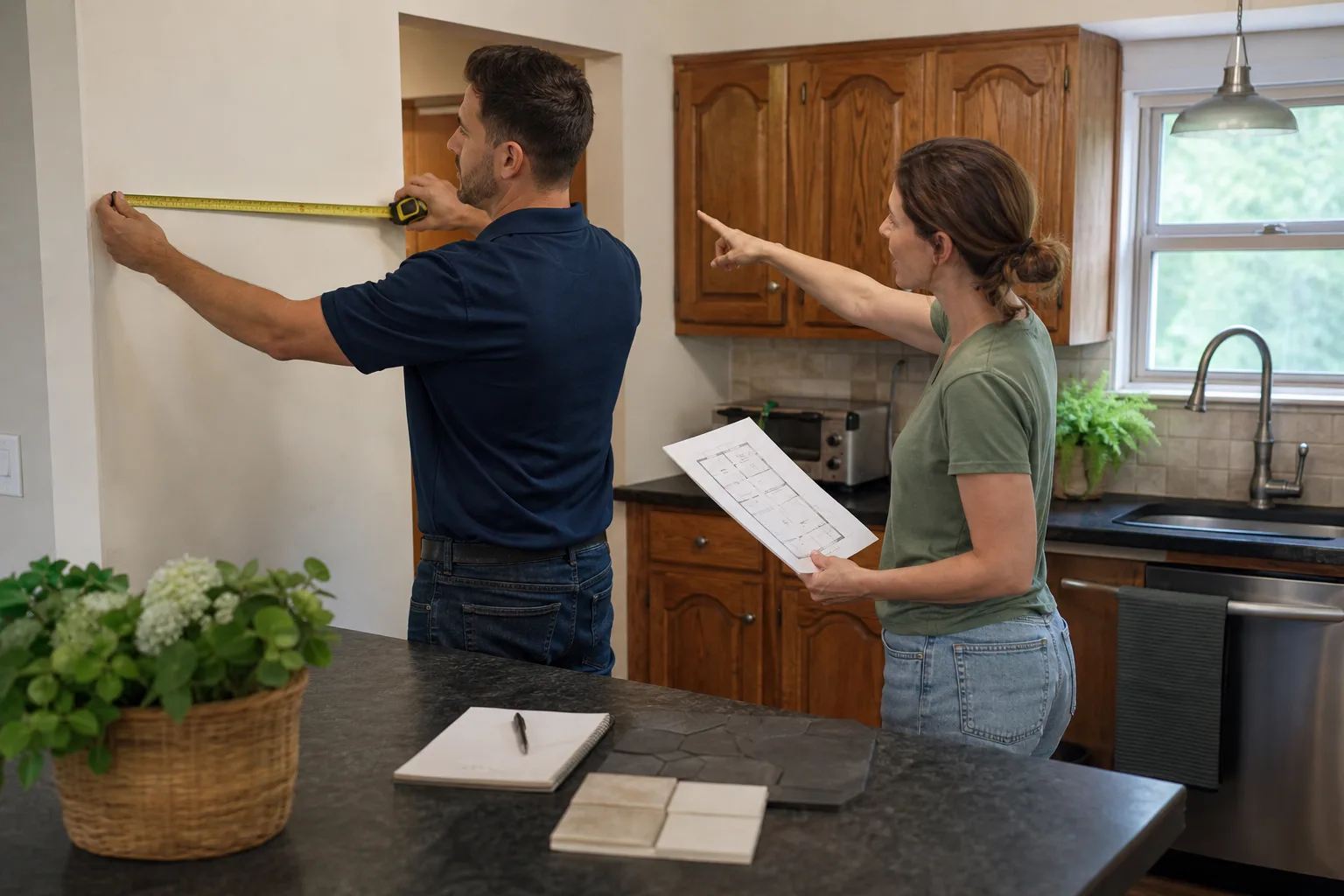
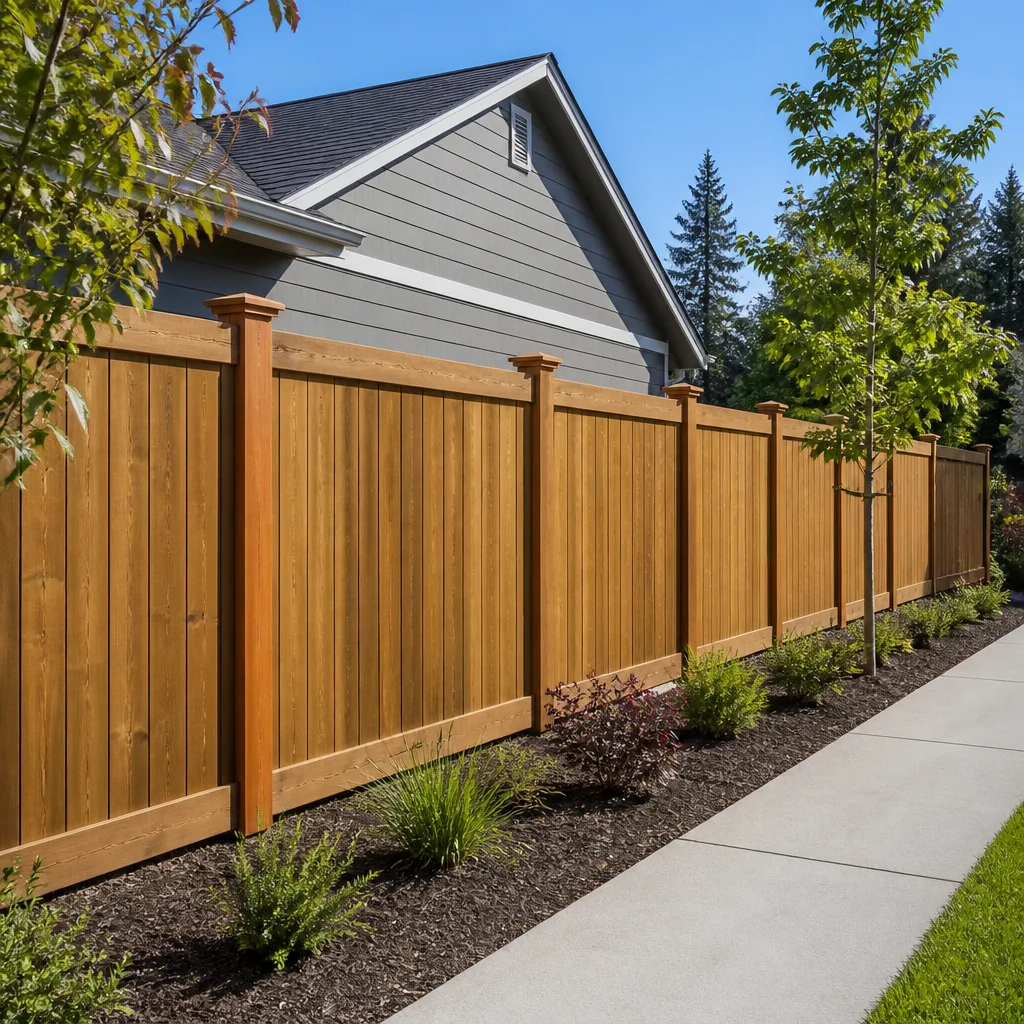
IKO sells fence material through home centers and lumberyards as both pickets and assembled panels, mostly pressure-treated and cedar. The Riverside homes we work on most often have either the 5/8-inch dog-eared pine pickets or the pre-built 6-by-8-foot panels that sit in routed posts. The compatibility gotcha is post spacing: IKO panels are cut for a true 8-foot center-to-center post layout. If the original installer set posts at 7-foot-10 or 8-foot-2, a replacement panel will not drop in clean, and somebody has to re-set a post or rip a panel to fit. We check post-to-post distance with a tape before quoting anything.
On the OEM versus aftermarket question: IKO is a distributor brand, not a mill. The material itself comes from the same regional lumber stock that feeds most of the Southern California market. You can buy pressure-treated pickets labeled IKO, or you can buy the same grade from another supplier. The real decision is grade, not sticker. We spec ground-contact-rated pressure-treated for the bottom rail and any picket within 8 inches of dirt. Cedar is fine above that. If the original fence was built with above-ground rated lumber sitting in Riverside’s irrigated clay, that’s usually why it failed early.
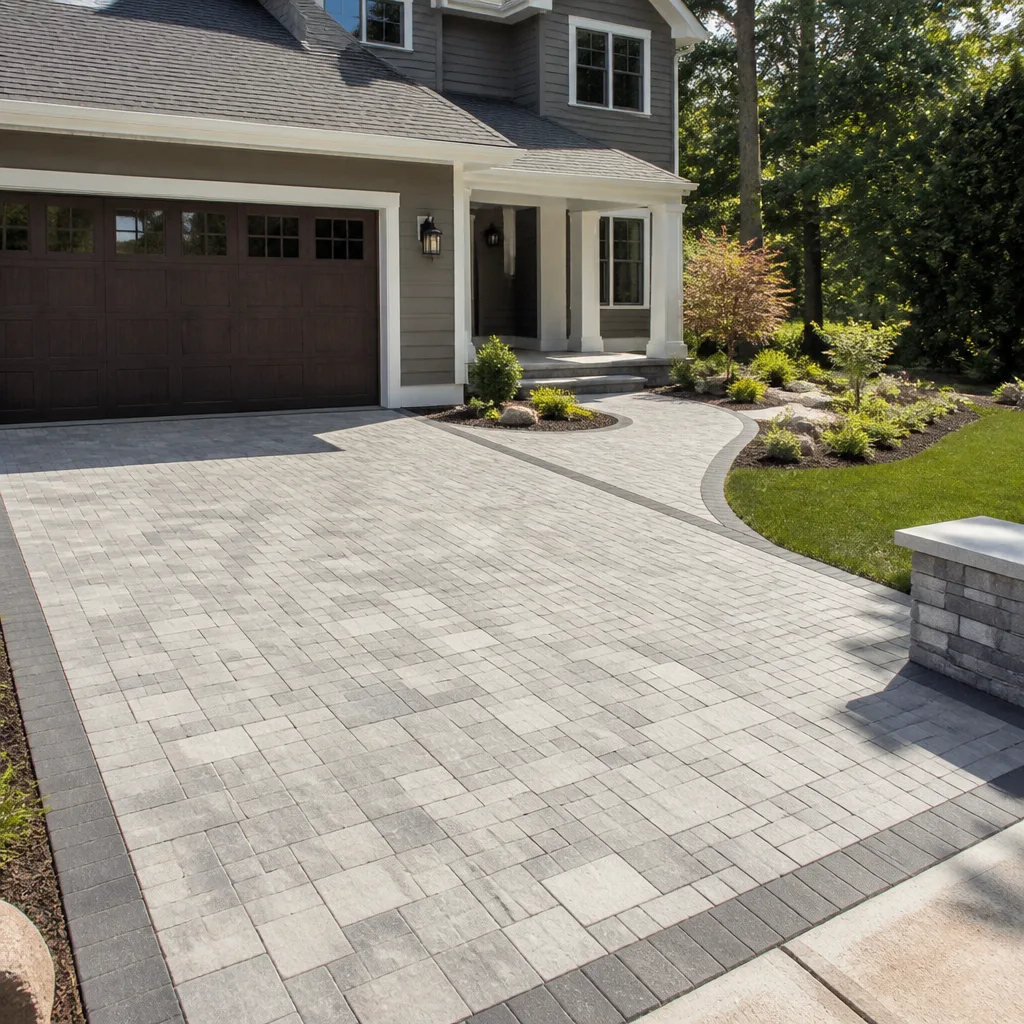
Styles & brands we work with
Signs Your IKO Fence Installation Is Failing
- Post lean at the base. This is almost always rot at the soil line, not wind. Riverside’s sprinkler systems direct overspray right at the post base, and once water sits against the wood for a season or two, the post loses structural bite. The fix is a new post, deeper set, in concrete that’s crowned so water runs away.
- Gate drags or won’t latch. The post on the hinge side has shifted, or the gate frame has sagged because the diagonal brace was nailed instead of through-bolted. A dragging gate wears the hinges until the top hinge tears out entirely.
- Pickets cupping or splitting. Riverside heat cycles dry the face of the board faster than the back, and flat-sawn pickets cup. Once cupping starts, nails pop out and the board is no longer weather-sealed. Replacement pickets are cheap; the labor to pull and re-nail the whole run isn’t.
- Bottom rail soft and spongy. The bottom rail holds the pickets off the ground, so when it rots, the whole section sags. If you can push a screwdriver into the wood, the rail is done. In Riverside’s alkaline, clay-heavy soil, bottom-rail rot is the most common call we run.
- Nails backing out along the top. Pressure-treated pine moves as it dries. If the original installer used smooth-shank nails, they’ll walk out within a few seasons. We use ring-shank or coated deck screws on every picket so the board stays put through Riverside’s dry-wet-dry cycle.
See the difference
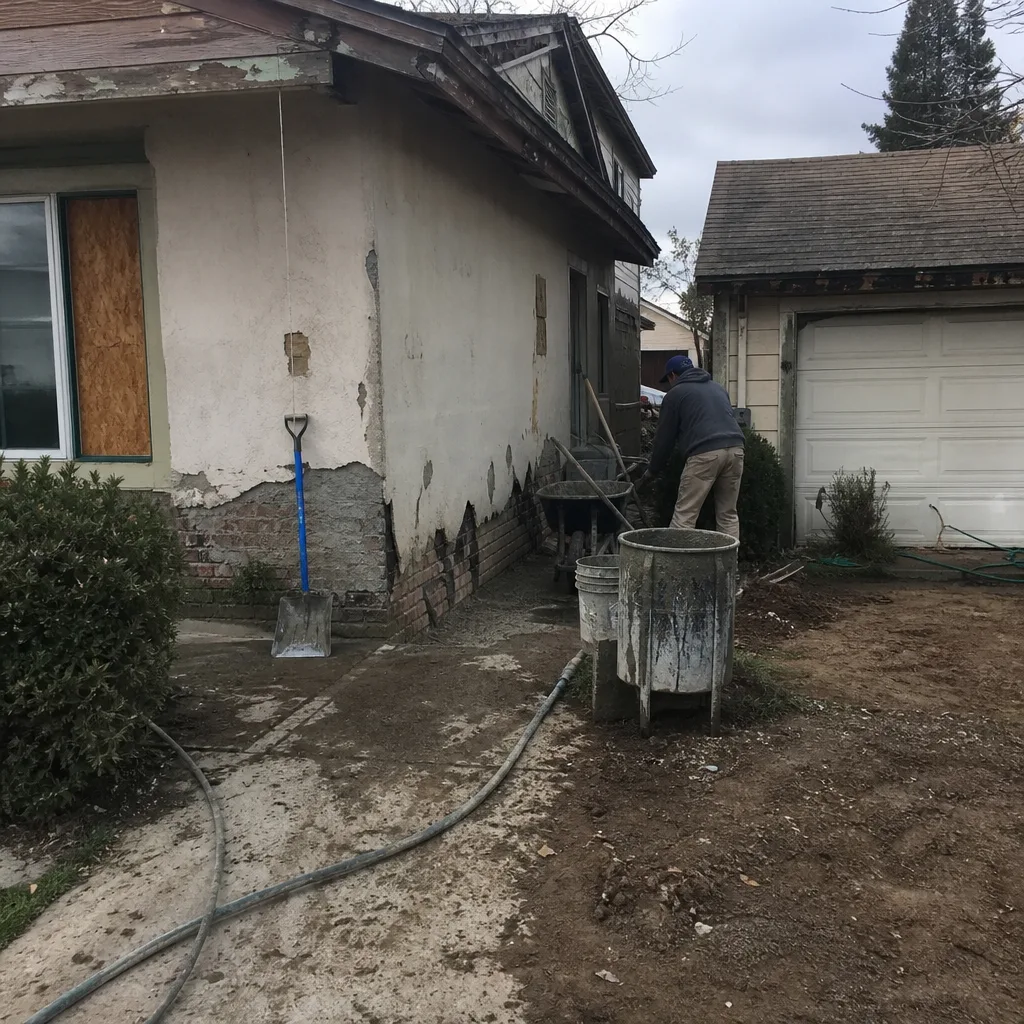 Before
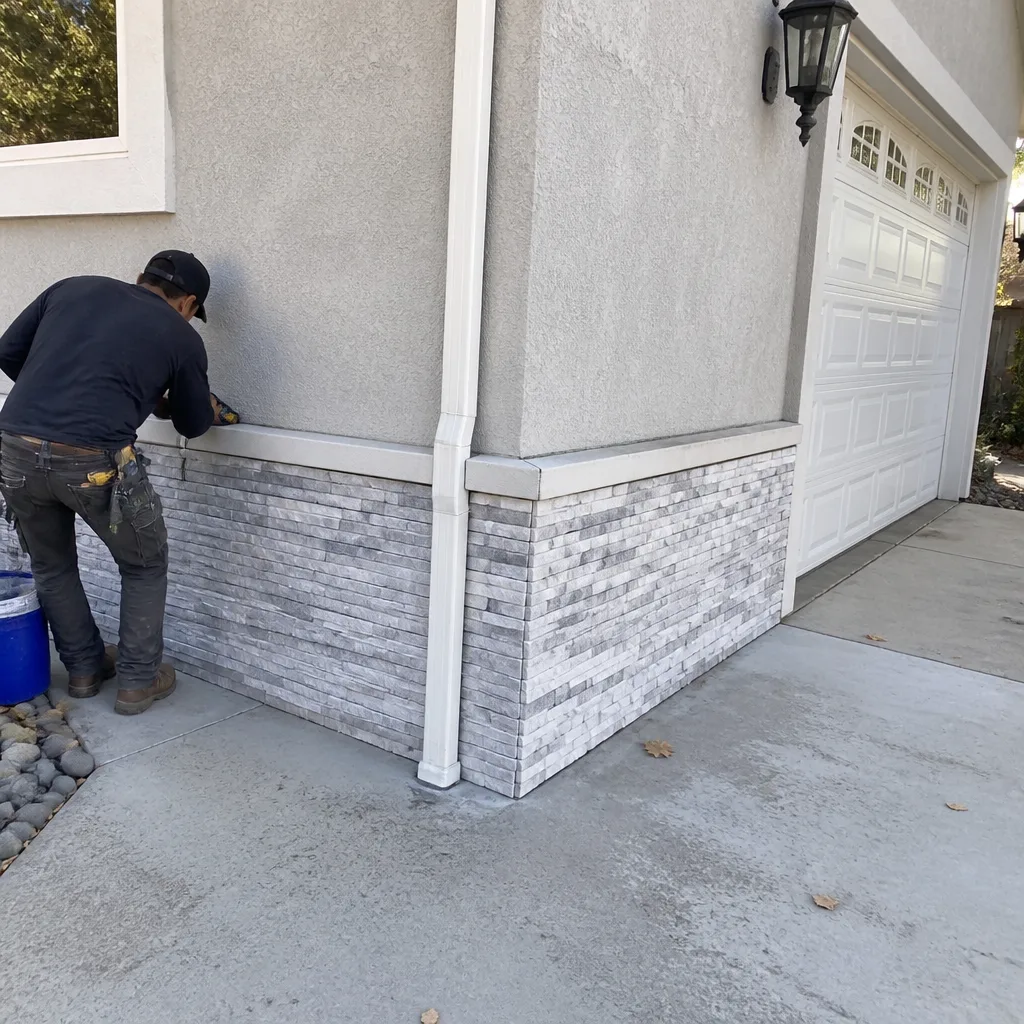 After
After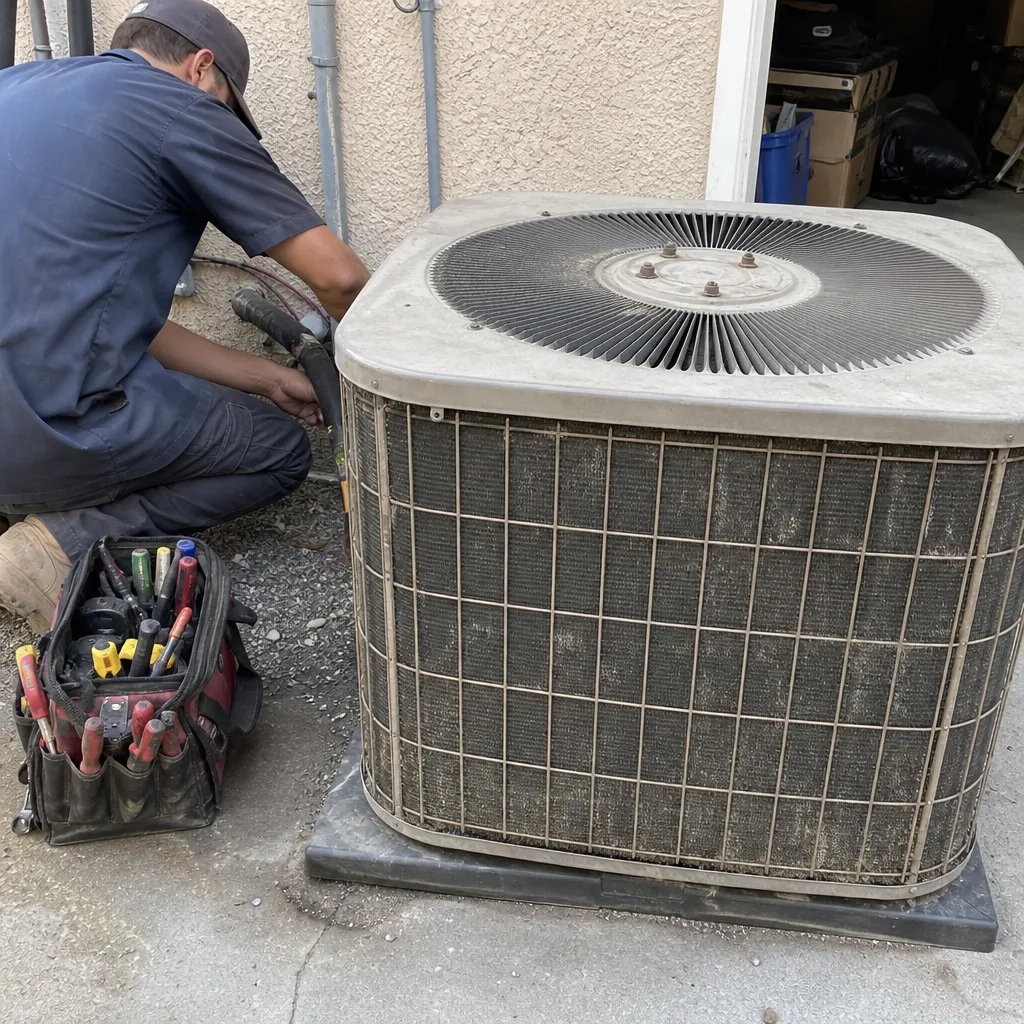 Before
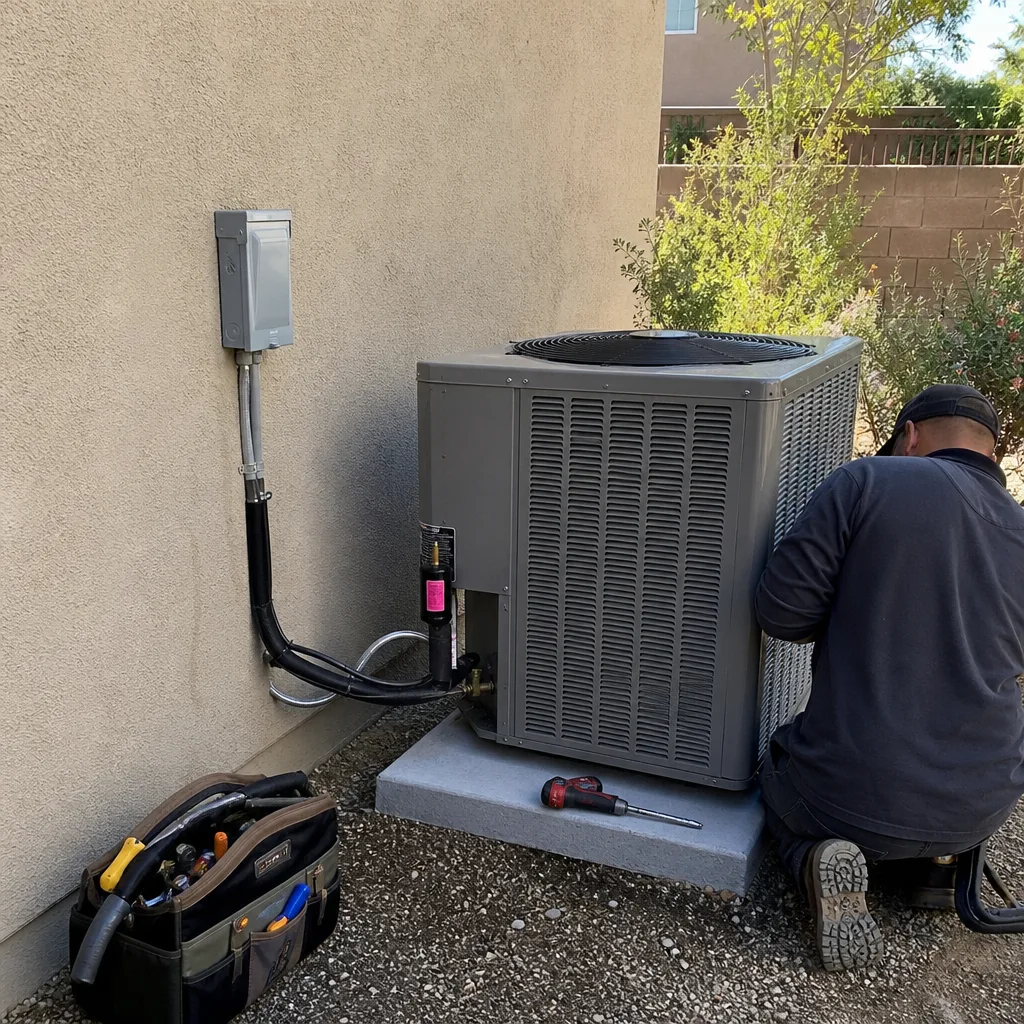 After
After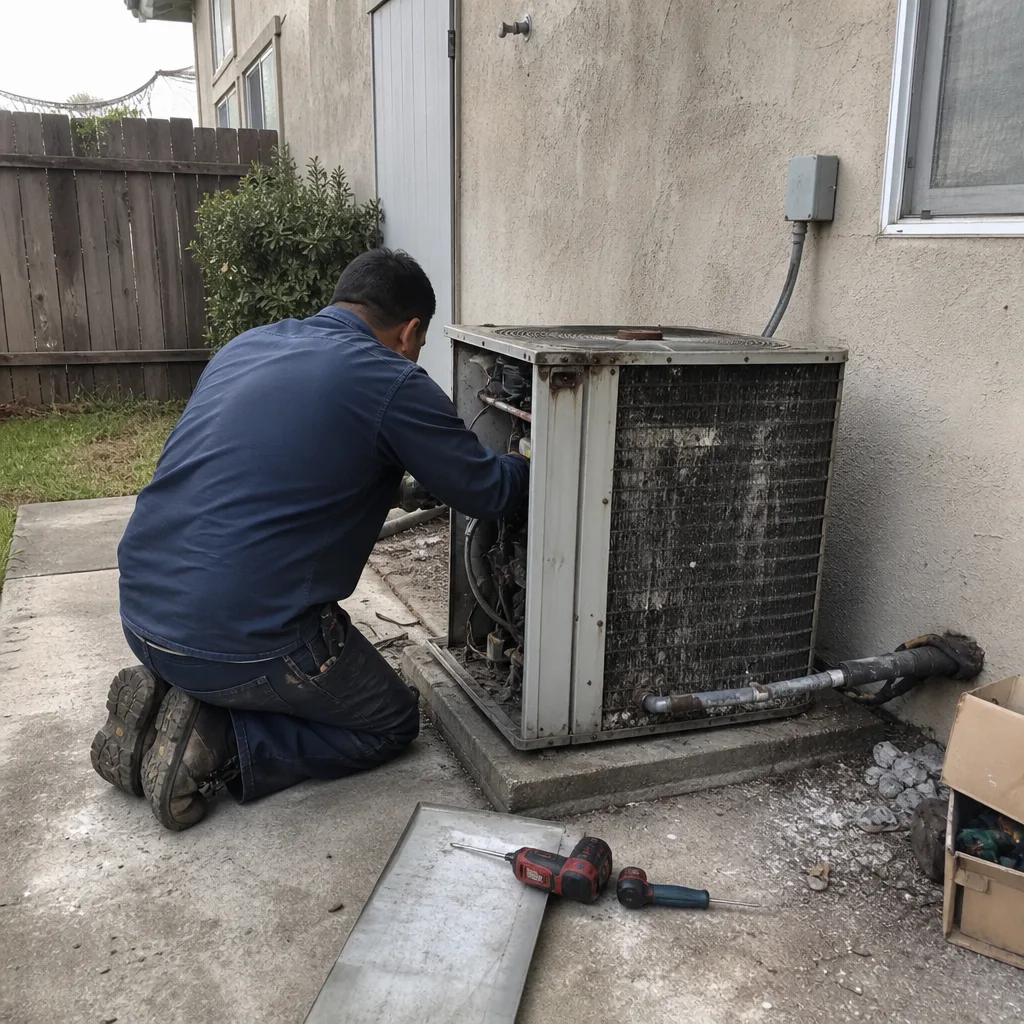 Before
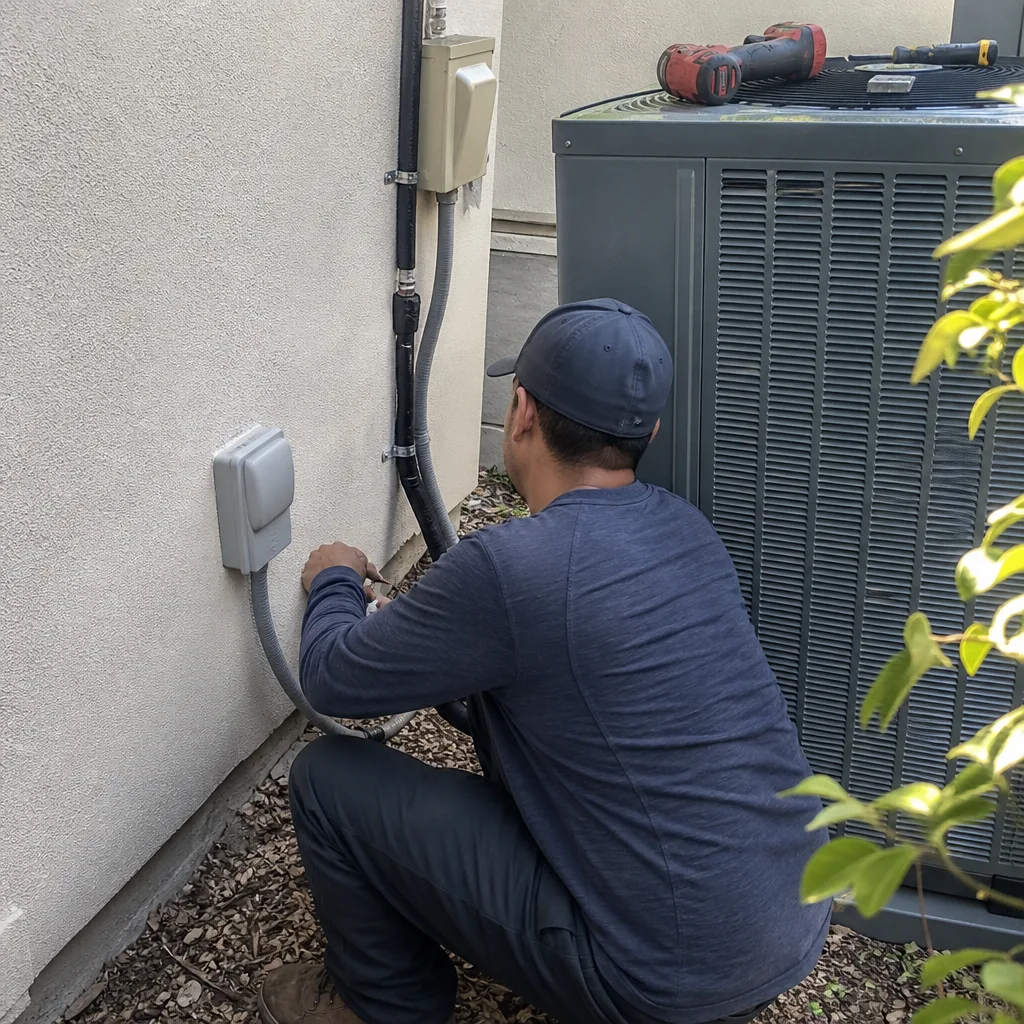 After
AfterReplacement Cost & What’s Included

In Riverside, a full IKO-style fence replacement typically runs $3,500 to $9,000 installed. The spread comes from footage (most Riverside yards run 80 to 160 linear feet), whether posts can be re-used, access for digging, and whether we’re pulling a permit. Parts plus labor break down roughly as follows:
- Post replacement only (one or two posts, re-hang existing panels): $250 to $500 each.
- Section replacement (8-foot panel, rail and pickets, one new post): $300 to $650 per section.
- Full fence re-set (new posts throughout, salvage existing pickets where sound): $20 to $35 per linear foot.
- Full replacement with new IKO-compatible material: $45 to $70 per linear foot.
Every Bradford price is written before we start. That number includes material, labor, haul-off of the old fence, and a signed 365-Day Done Right Promise: if the work fails within one year, we come back and correct it at no charge. No number moves at the door, and no change order appears after we break ground. Concrete doesn’t care what you budgeted, so we budget it right the first time.
DIY or Call Us?
Post rot is a shovel-and-sweat job, not a technical one, but the holes in Riverside are not friendly. If you’ve ever tried to hand-dig through our hardpan clay in August, you already know. One post turns into half a day, and half a day turns into a fence that’s out of plumb because the hole got wider as you got tired. We run a two-person crew with a post-hole auger and a level, and we set posts in concrete that’s crowned to shed water. That’s the part that goes wrong for most DIYers: the post goes in fine, but the concrete’s flat, water pools, and the new post rots in three years.
If you’re handy and the damage is a few popped pickets, that’s a reasonable Saturday job. If a post has rotted, a gate won’t latch, or the whole section leans, call (424) 567-8472. We’ll give you the straight number before we touch a shovel.
FAQs

A pressure-treated IKO fence built with ground-contact posts set in crowned concrete lasts 15 to 20 years in Riverside’s climate. The failure point is almost never the pickets. It’s the post base. Cheap above-ground posts in flat concrete can fail in 6 to 8 years here. Irrigation overspray plus clay soil is a rot machine. Call (424) 567-8472 and we’ll check your posts before quoting anything.
Most leaning sections can be repaired by replacing the rotted post and re-hanging the existing panel, which is cheaper than full replacement. The catch is whether the rail ends have rotted too. If the rail ends are soft, you’re better off replacing the section. We give you that call straight, with the numbers for both options, before any work starts.
A typical single-day job replaces 40 to 60 feet with new posts, rails, and pickets. A full yard of 120 to 150 feet usually runs two to three days, longer if we’re pulling a permit or replacing a retaining wall footer. We tell you the production schedule in writing on the written estimate, so you know what’s happening on which day before we start.
We stock common pressure-treated post brackets, rails, and pickets on the truck, and we source the rest from local lumberyards in Riverside, usually same morning. IKO is a distributor label, not a mill-specific product, so what matters is grade and dimensions, and we match both. If the post spacing is off from the original IKO panel, we correct that in the field rather than forcing a panel that won’t fit.
Written by Curtis Lane, Owner, Bradford Remodeling Co Riverside at Bradford Remodeling Co Riverside, serving Riverside and nearby areas.