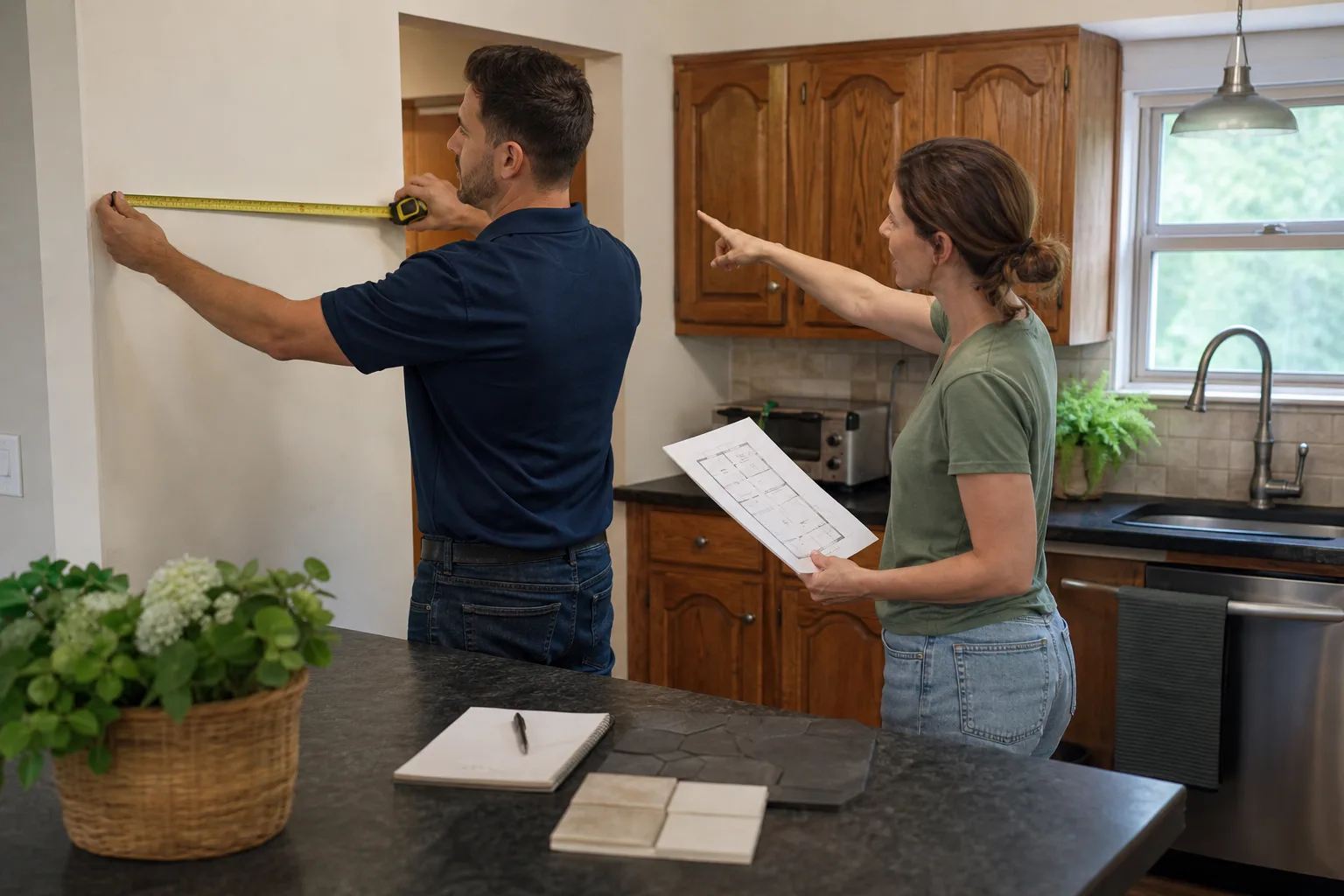
Free written scope consultation - allowances, timeline, and change-order rules on paper before a single trade is scheduled
Sakrete Home Additions & ADU: The Riverside Owner’s Guide
We install and finish Sakrete-based concrete work for home additions and ADU projects across Riverside at $45,000 to $130,000 for a complete build, depending on square footage, site prep, and finish level. Most projects take 4 to 9 months from permit to final walk, and we give you a written price before any work starts. When homeowners call us about a Sakrete product failure, it’s usually one of three things: a slab crack that appeared within the first year, a footing that settled after a wet winter, or a stem wall that spalled because the concrete was mixed too wet on pour day. None of these are cosmetic problems. They’re structural, and they get worse in Riverside’s heat-and-rain cycle if they’re not addressed.
We are an independent remodeling contractor in Riverside. We are not affiliated with Sakrete, and we don’t manufacture or sell their products. What we do is build with them, repair the failures, and stand behind the finished work with the 365-Day Done Right Promise.
Which Sakrete Models This Applies To
If you’re mixing bags for a footing, a stem wall, or a slab on grade, you’re almost certainly working with one of three Sakrete lines: High-Strength Concrete Mix (4000 psi), Fast-Setting Concrete Mix, or Maximizer Concrete Mix. The High-Strength is what you want for any load-bearing pour in a Riverside ADU, because it hits 4000 psi at 28 days. Fast-Setting is fine for fence posts and small pads, but we’ve seen it used mistakenly for floor slabs more than once. The gotcha: Fast-Setting sets in about 20 to 40 minutes, which sounds convenient until a Riverside summer hits 105°F and the mix flash-sets in the wheelbarrow before you can screed it. Maximizer is the one we spec for slabs when the homeowner wants a true 5000 psi floor, which matters if you’re planning a home addition that will carry tile, a loaded kitchen, or a vehicle in a garage conversion.
The identification process is simple. The bag has a SKU and a batch code printed near the bottom seam. The batch code tells you the plant and the date. Don’t buy bags that spent a Riverside monsoon season in someone’s open-air shed at a big-box store. Lumpy, hardened, or partially cured powder is dead material. If the batch code is older than 12 months, we don’t use it, and neither should you.
On the OEM-versus-aftermarket question: Sakrete does not sell a proprietary part that wears out. The “part” here is the concrete itself, and once it fails, there’s no factory replacement. The fix is either a full remove-and-repour or a structural repair with an epoxy injection and a proper bonding agent, depending on the crack width and whether rebar is exposed. We don’t keep a shelf of repair kits labeled “Sakrete.” We mix and pour based on the existing substrate condition and the load the structure carries. That’s the honest answer.
Styles & brands we work with
Signs Your Sakrete Home Additions & ADU Is Failing
- Hairline cracks that open and close with the weather. This is thermal movement in the slab. Small cracks are normal in Riverside’s 40-degree winter-to-summer swings, but if the crack opens wider than 1/8 inch, or if one side of the crack is higher than the other, it’s not just shrinkage. It’s settlement or heave.
- Efflorescence, which is the white powdery stuff on the surface. It means water is moving through the concrete and carrying minerals to the surface. In a Riverside ADU, that’s usually a drainage or vapor-barrier problem, not a bag-mix problem. Left alone, it’s a warning sign for rebar corrosion.
- Cracks radiating from anchor bolts or hold-downs. This is a shear failure pattern. We see it in additions where the contractor set anchor bolts too close to a slab edge or used the wrong embedment depth. The bolt is fine. The concrete around it is not.
- Spalling, which means the surface is flaking or pitting. In Riverside, this shows up when concrete was finished with too much water on top, or when someone threw a dry-shake hardener on a slab that was already setting. The top 1/8 inch just starts flaking off. It’s ugly, but more importantly, it lets moisture get to the steel.
- A slab that has visibly dropped or tilted. Walk the perimeter and look at the gap under the bottom plate of the wall. If you can slide a pencil under one corner and not the other, the ground under that corner has compacted unevenly. That’s a soil-bearing problem in Riverside’s sandy, expansive soils, not a Sakrete-mix problem, but it means the concrete has to come out and the subgrade has to be fixed.
See the difference
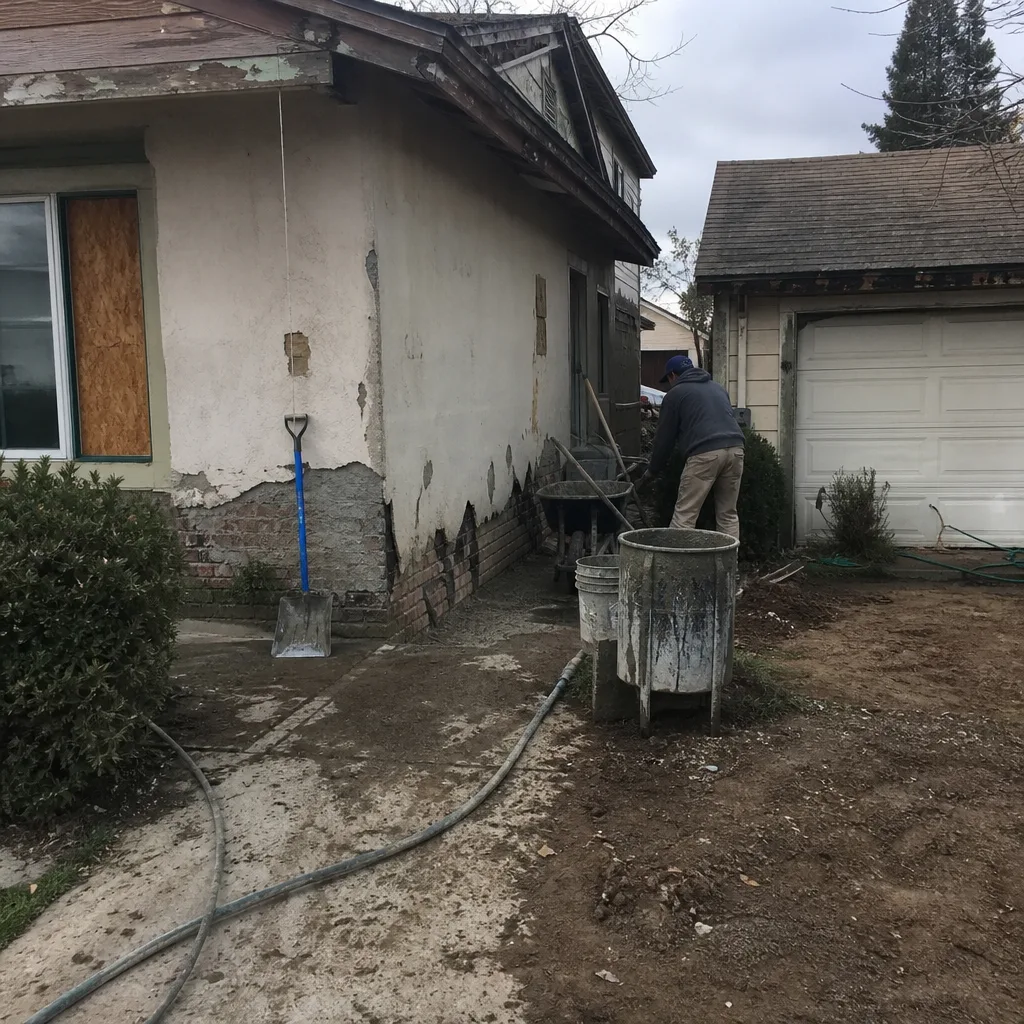 Before
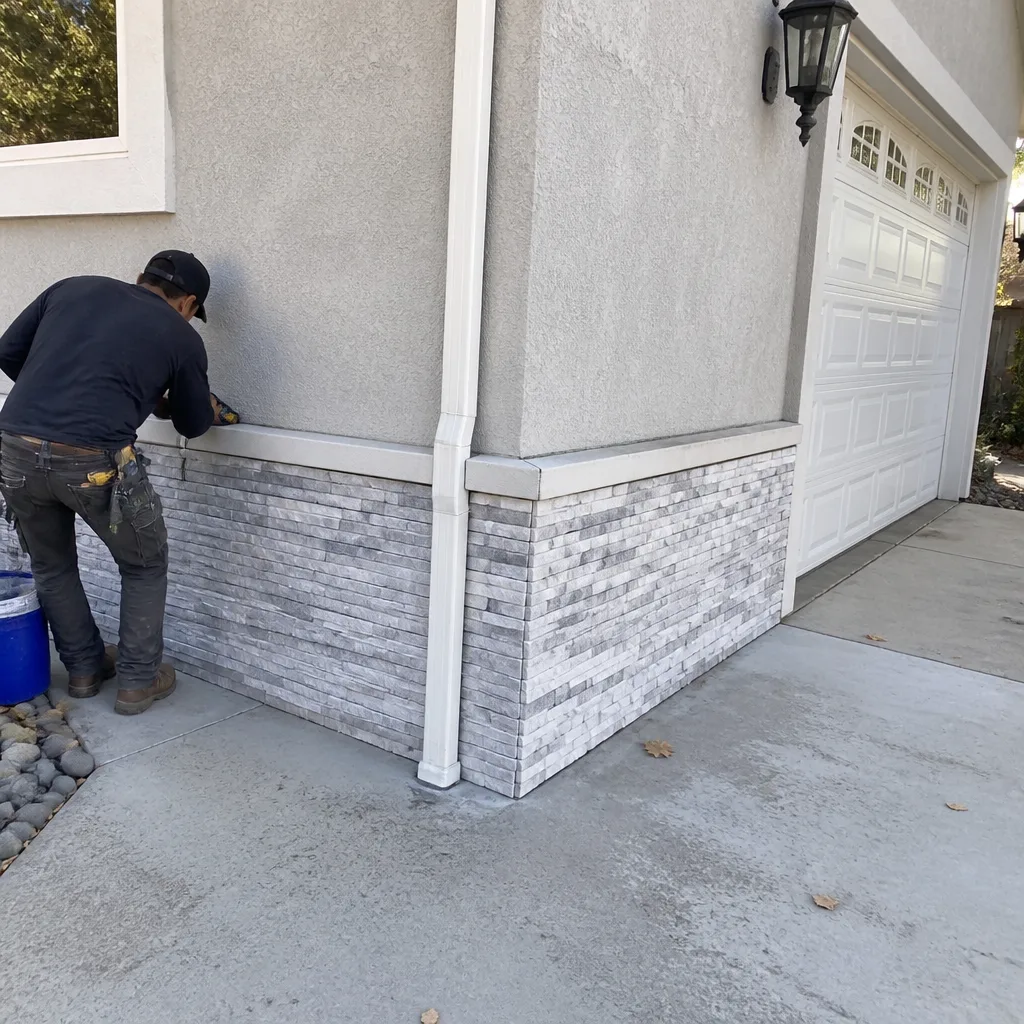 After
After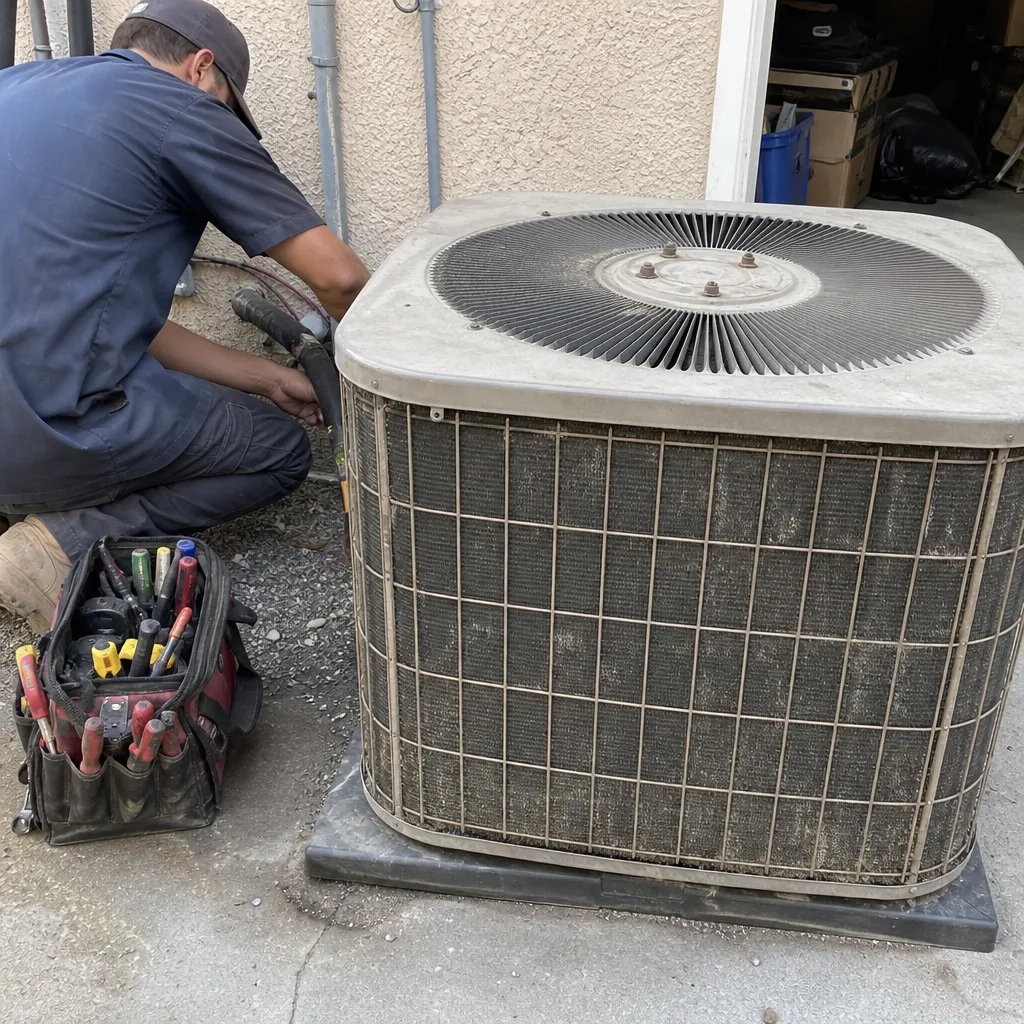 Before
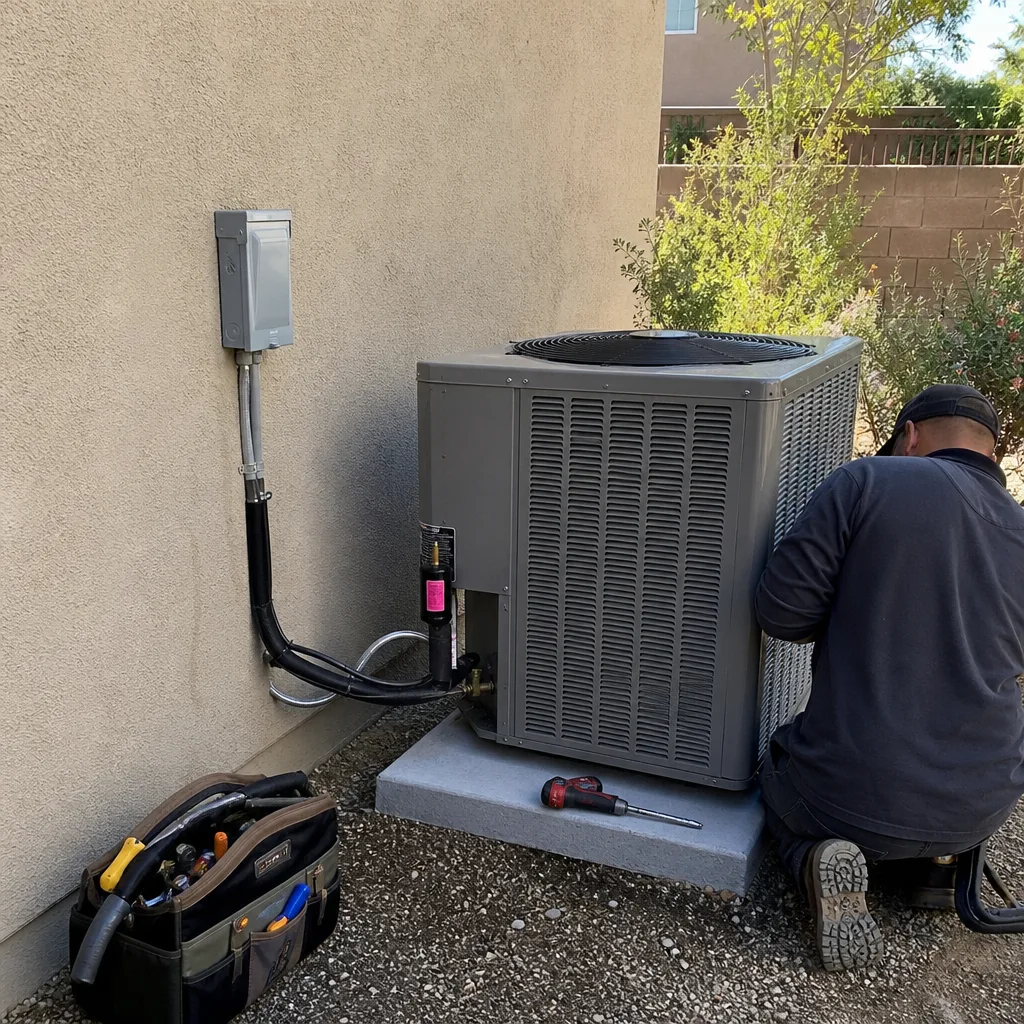 After
After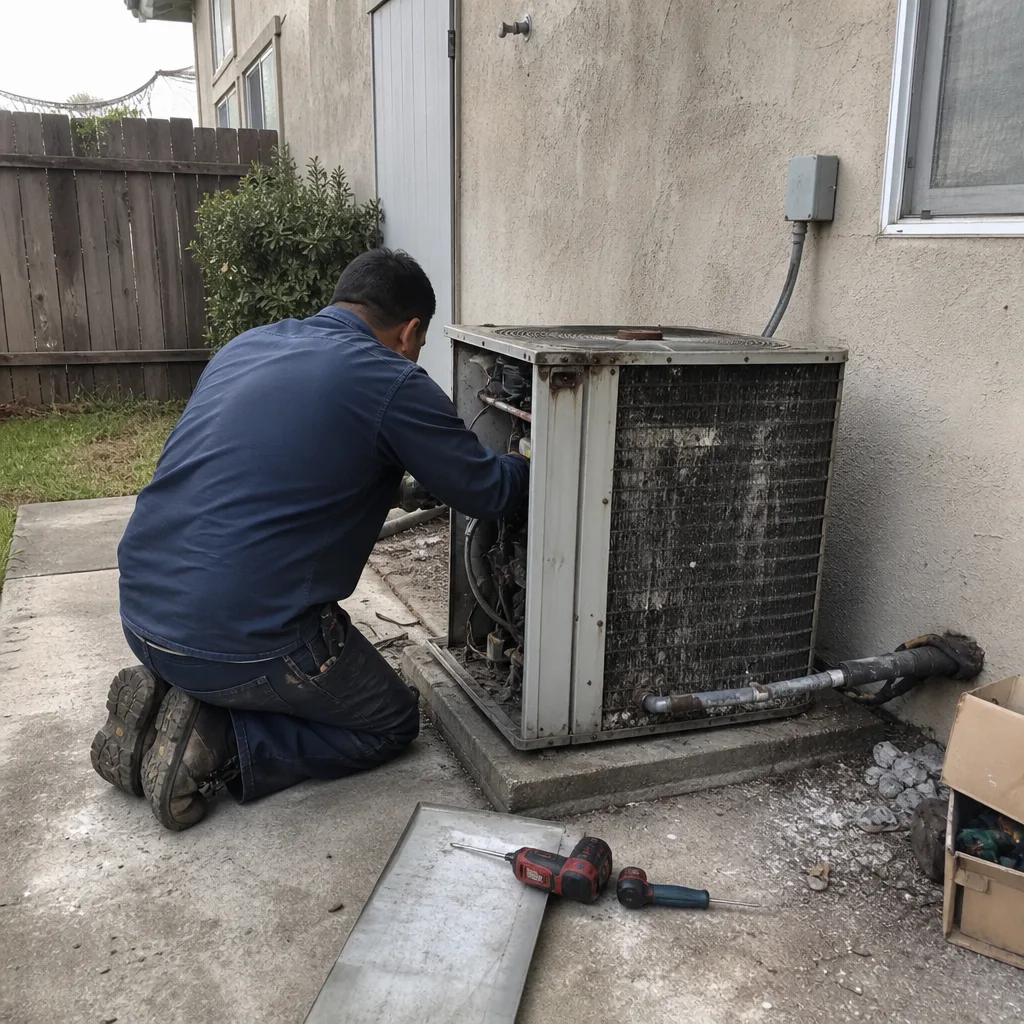 Before
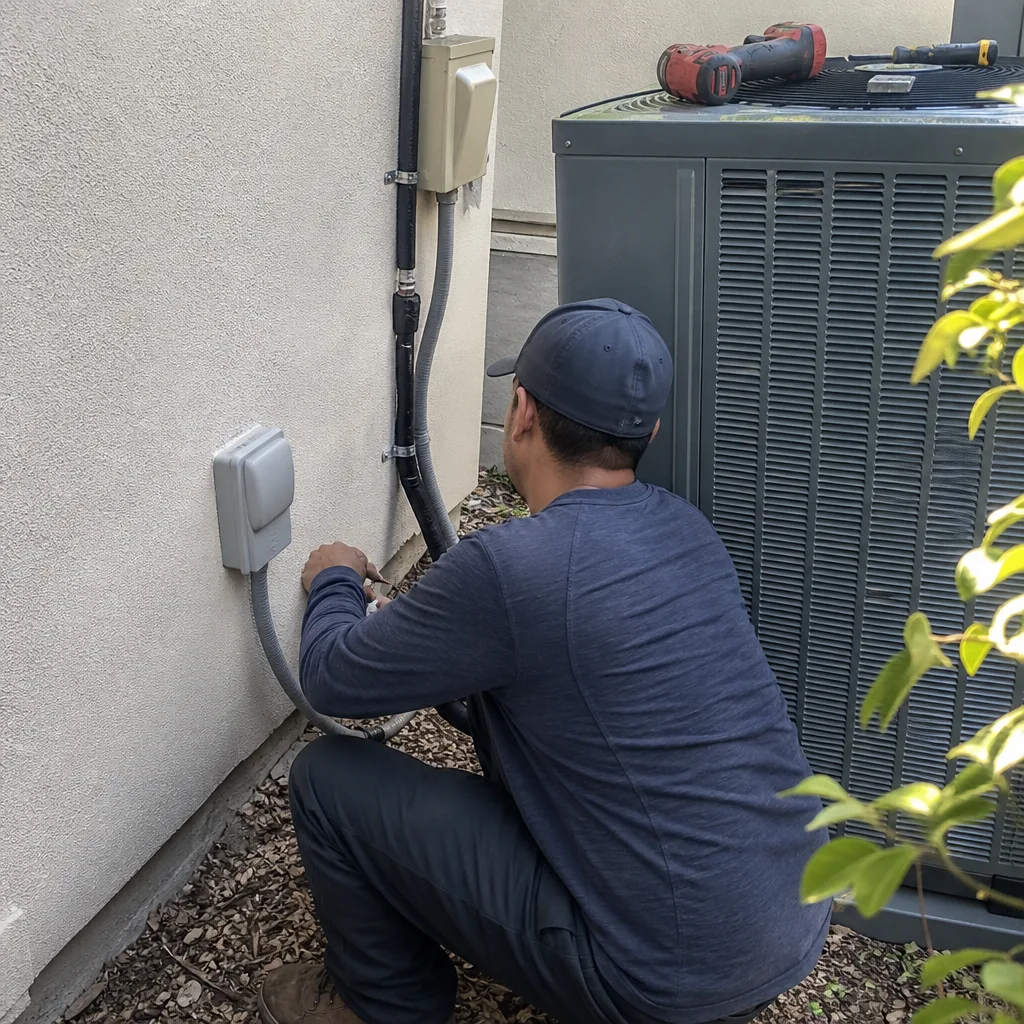 After
AfterReplacement Cost & What’s Included
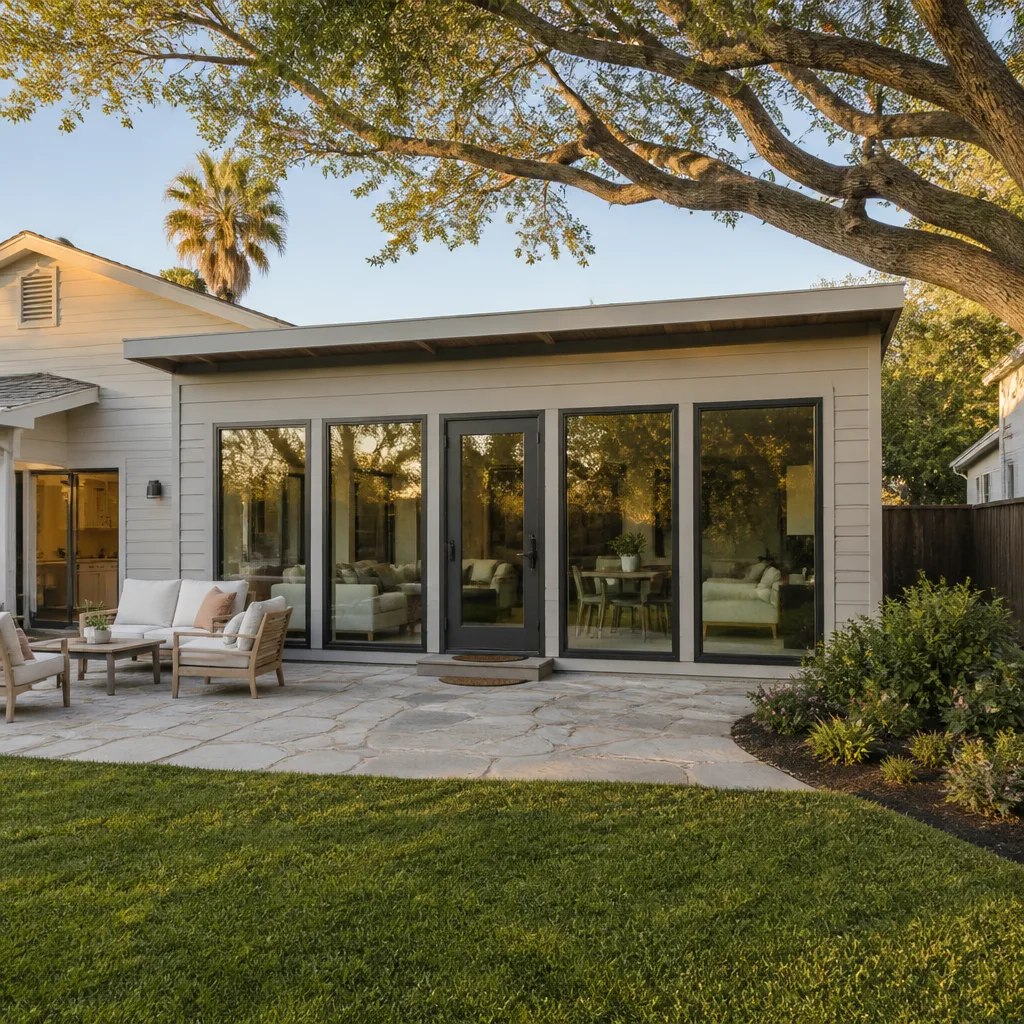
For a full home addition or ADU in Riverside, complete with footings, stem walls, and slab, the installed price runs $45,000 to $130,000. That’s the whole build: demolition if needed, excavation, forms, rebar, concrete, framing, rough-in, finish work, and the final clean. If you’re only talking about the concrete portion of a repair, say removing and re-pouring a 400-square-foot slab, that’s a smaller line item inside a larger scope, typically $6,000 to $14,000 depending on site access in neighborhoods like Hawarden Hills where the hillside driveways get tight, or down near the Victoria Avenue corridor where mature tree roots and older water lines change the dig plan.
What drives the range: square footage, soil conditions, whether the site needs retaining or shoring during excavation, and the finish level you’re after. A post-tension slab costs more than standard rebar. A broom finish on a back patio is less than a polished floor in a living-space addition. You get a line-item price in writing before we move dirt. That’s The Garrison Standard. No numbers that move at the door.
Every job we complete carries the 365-Day Done Right Promise. If the concrete cracks beyond an acceptable tolerance, spalls, or settles inside the first year, we come back and correct it at no charge. That’s a written guarantee, handed to you at the final walk, not a spoken promise.
DIY or Call Us?
If you have a crack and you want to know what you’re dealing with, you can do two things safely. Clean the crack out with a wire brush and mark the ends with a pencil and date. Check it again in 30 days. If the crack has grown past the mark, it’s active and it needs a structural fix, not a caulk tube. You can also tape a piece of paper across the crack. If the paper tears in a week, the slab is still moving. That’s information worth having, and it costs you nothing.
What you should not do is jackhammer a load-bearing footing or cut a slab open without knowing where your utilities run. Concrete repair on a home addition or ADU is not a Saturday project. You’re dealing with structural loads, rebar placement, and a pour that has to bond to existing cured concrete, which is a surface-prep job that fails if the old concrete is dirty, dusty, or still wet from a Riverside irrigation line. We’ve fixed enough homeowner attempts to say this plainly: the repair costs more after a bad DIY attempt than it did before. Call us at (424) 567-8472 and we’ll give you a straight number.
FAQs
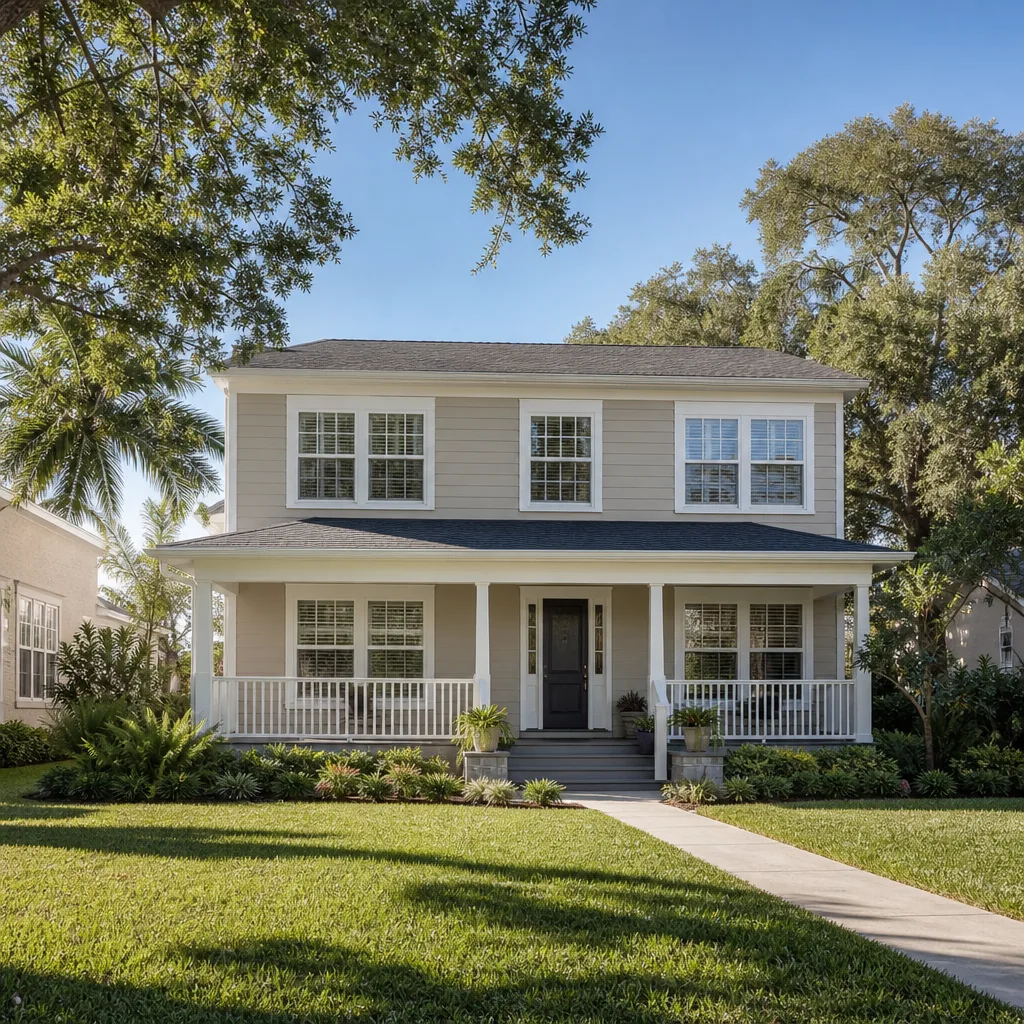
Properly mixed, placed, and cured concrete should last 50 years or more as a structural material. The failure you’ll see in Riverside is rarely the concrete itself aging out. It’s water intrusion, poor subgrade prep, or a mix that was over-watered on pour day. Those problems can show up in the first two years. A well-built slab with good drainage and a proper vapor barrier will outlast the framing sitting on top of it. If you’re seeing failure before year five, something was done wrong, and that’s worth a call to (424) 567-8472 for an inspection.
Yes, in specific cases. A non-structural hairline crack under 1/8 inch can be sealed with a quality epoxy injection and will hold if the crack is dormant. A structural crack with vertical displacement, or a crack that’s still growing, means the ground is still moving and no surface repair will last. We don’t sell you a repair if it won’t hold. Straight number, real scope, no surprises at the final walk. Call us for an assessment and we’ll tell you which one you have.
For a typical residential slab repair of 200 to 400 square feet in Riverside, allow 5 to 10 working days: demo, subgrade repair, forms, rebar, pour, and a 7-day cure before you put load back on it. Footing repairs under an existing wall are slower because you’re shoring the structure while you dig and pour. A full ADU slab, from lot scrape to cured concrete ready for framing, runs 2 to 3 weeks depending on weather and city inspection schedules in Riverside. Every project gets a written schedule along with the written price.
We keep Sakrete High-Strength Concrete Mix, Fast-Setting Mix, and Maximizer on hand for repair jobs, along with rebar, anchor bolts, bonding agents, and vapor barrier. What we don’t keep are pre-mixed “repair kits” that promise to fix structural concrete out of a bucket. Those are fine for a sidewalk chip. They’re not fine for a load-bearing footing. If your project needs a specific mix, we’ll spec it, source it from a Riverside supplier, and show you the batch ticket before we pour.
For a free estimate on your Sakrete home addition or ADU repair in Riverside, call (424) 567-8472. You’ll get a live person, a written price, and a crew that cleans the site before we call it done.
Written by Curtis Lane, Owner, Bradford Remodeling Co Riverside at Bradford Remodeling Co Riverside, serving Riverside and nearby areas.