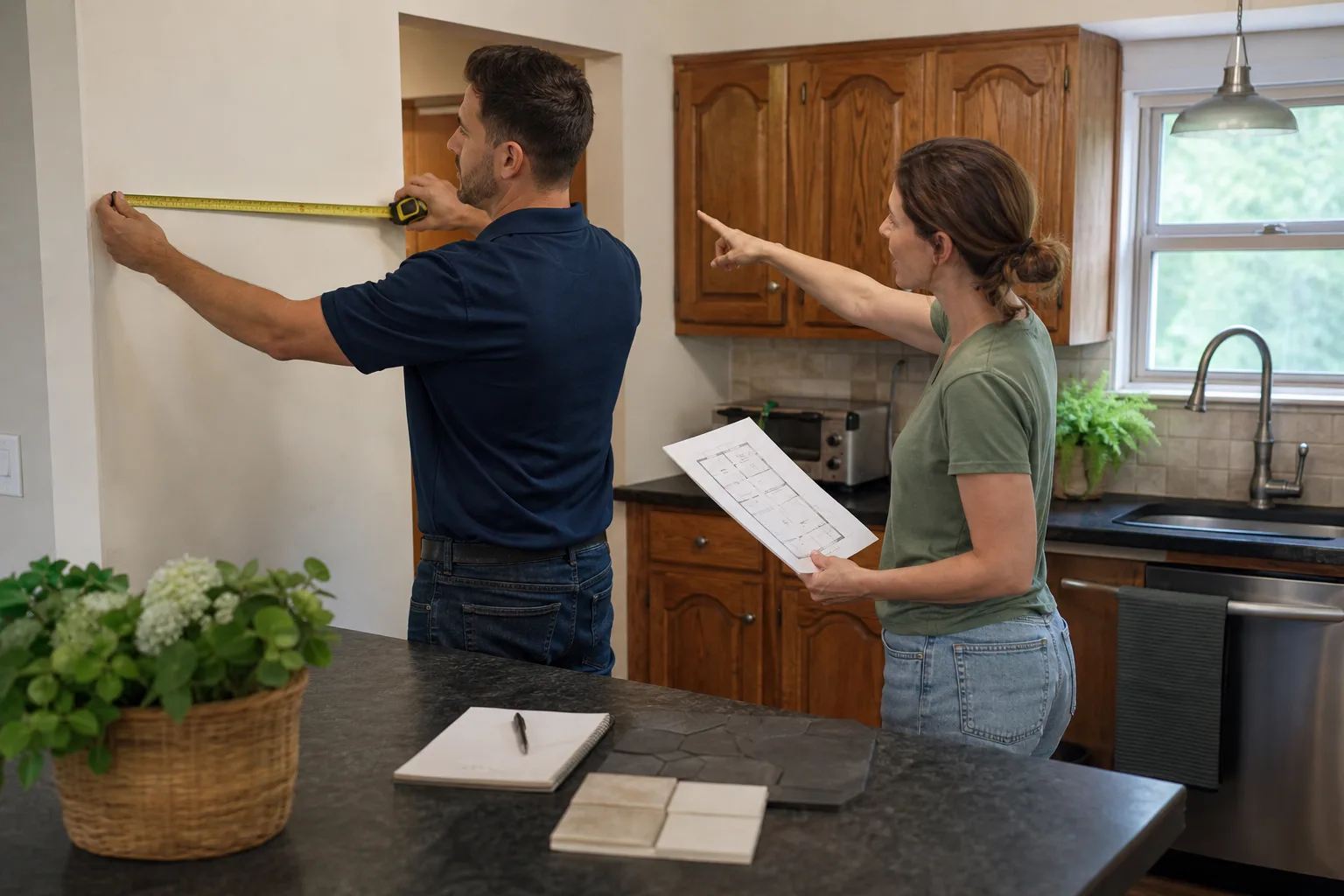
Free written scope consultation - allowances, timeline, and change-order rules on paper before a single trade is scheduled
Sakrete Kitchen Remodeling: The Riverside Owner’s Guide
We install Sakrete-based kitchen remodel systems in Riverside for $14,000 – $45,000, and in our experience, the most common failure point isn’t the concrete itself. It’s the substrate, the subfloor, or the bonding layer underneath. Homeowners usually discover it the same way: tile starts sounding hollow, a counter overhang develops a hairline crack, or a section of concrete subfloor turns to dust where the cabinet base meets the floor. Call (424) 567-8472 and we’ll tell you what’s salvageable and what needs to come out.
If you’re reading this because a Sakrete product in your kitchen has failed or is showing signs of failure, you want a straight answer about whether it’s a repair or a tear-out. That’s exactly what we do. Curtis Lane has been running crews across Southern California for nearly thirty years, and the first thing we do on any Sakrete-related call is determine whether the concrete is structurally sound or just cosmetically compromised. That distinction drives everything: the price, the scope, and whether you’re looking at a two-day fix or a full kitchen gut.
Which Sakrete Models This Applies To
Sakrete sells more than one line, and the right fix depends on which product is under your kitchen floor or behind your counters. The main lines we see in Riverside kitchens are:
- Sakrete Sand Mix – the go-to for shower pans, countertop bases, and mud beds under tile. It’s a 5,000 PSI mix, and it’s sand-rich, which makes it easy to shape but also means it spalls if the water ratio is off during the pour.
- Sakrete High-Strength Concrete Mix – 4,000 PSI, used for slab patches and thicker structural pours. This is what you see under islands and around plumbing rough-ins when a subfloor repair was done in a hurry.
- Sakrete Self-Leveling Underlayment – poured over wood or existing concrete to create a flat surface before tile, vinyl, or hardwood goes down. In Riverside, this is the one that fails most often, because it gets poured too thin over unprimed subfloor.
- Sakrete Top ‘N Bond – a patching compound meant for thin repairs. It’s not a structural product. If someone used it to fill a quarter-inch-deep crack in a load-bearing area, that’s a problem.
Here’s the compatibility gotcha: Sakrete products are not interchangeable just because the bag says “concrete.” Sand Mix creates a different bond profile than High-Strength Concrete Mix. If a previous contractor patched a structural slab with Sand Mix, it will hold for a while, then crumble under point load. Coming from the manufacturer, these products have different aggregate sizes, different cure rates, and different shrinkage characteristics. If you’re matching a failed patch, we need to know what went in originally – the failed material tells us more than the product data sheet ever will.
For OEM versus aftermarket: Sakrete doesn’t make “parts” in the traditional sense, but they do make companion products – bonding adhesives, acrylic fortifiers, and curing compounds. In our experience, the generic equivalent often fails faster. A real example: a $9 generic bonding agent versus Sakrete’s own. We’ve pulled up patches in Riverside where the generic bond broke clean at the interface in under two years. The Sakrete bond usually fails at the concrete itself, which means it held. For a kitchen floor that takes daily foot traffic, that difference matters.
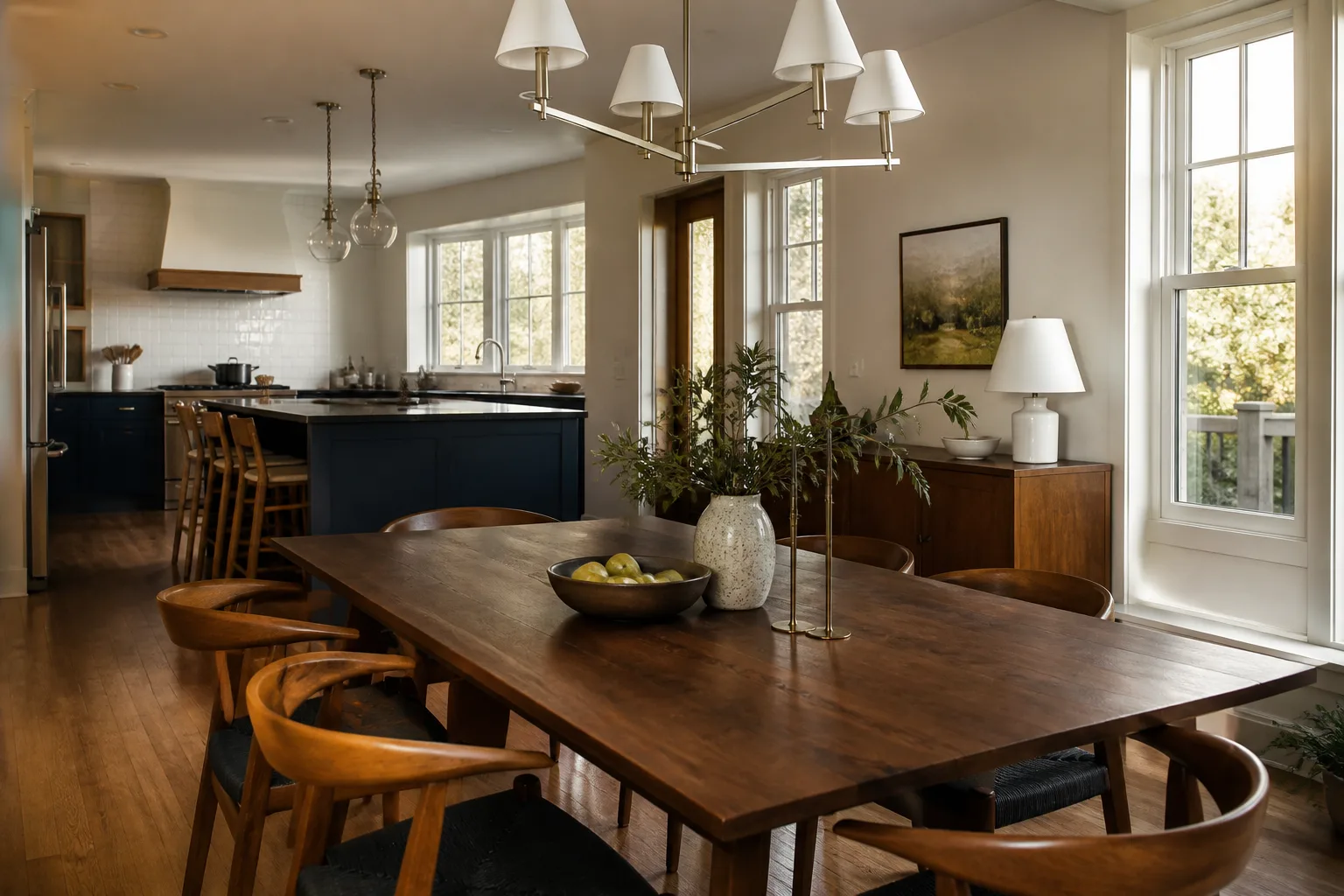
We also install kitchen systems built around KraftMaid, Cambria, and Silestone, so if your Sakrete issue sits under a Cambria countertop or next to a KraftMaid cabinet run, we can scope the whole repair without bringing in a second crew.
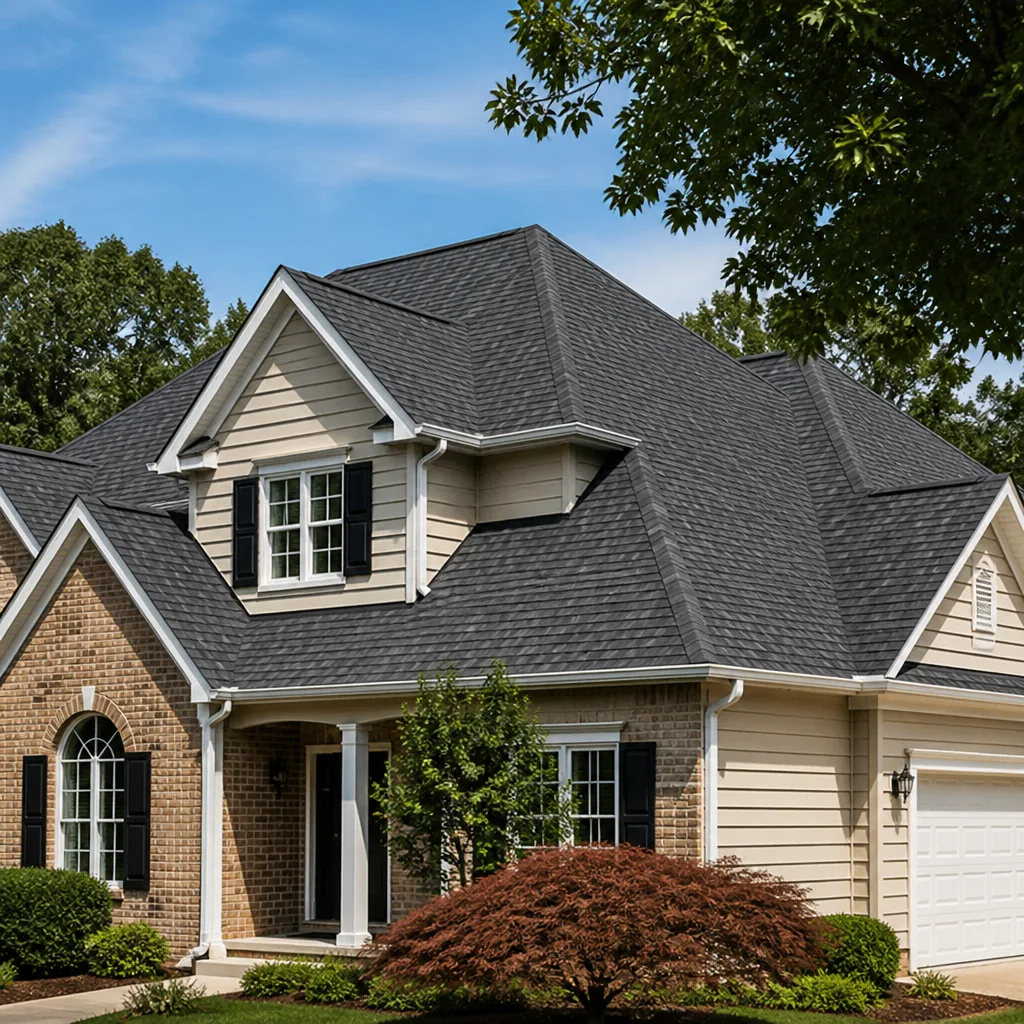
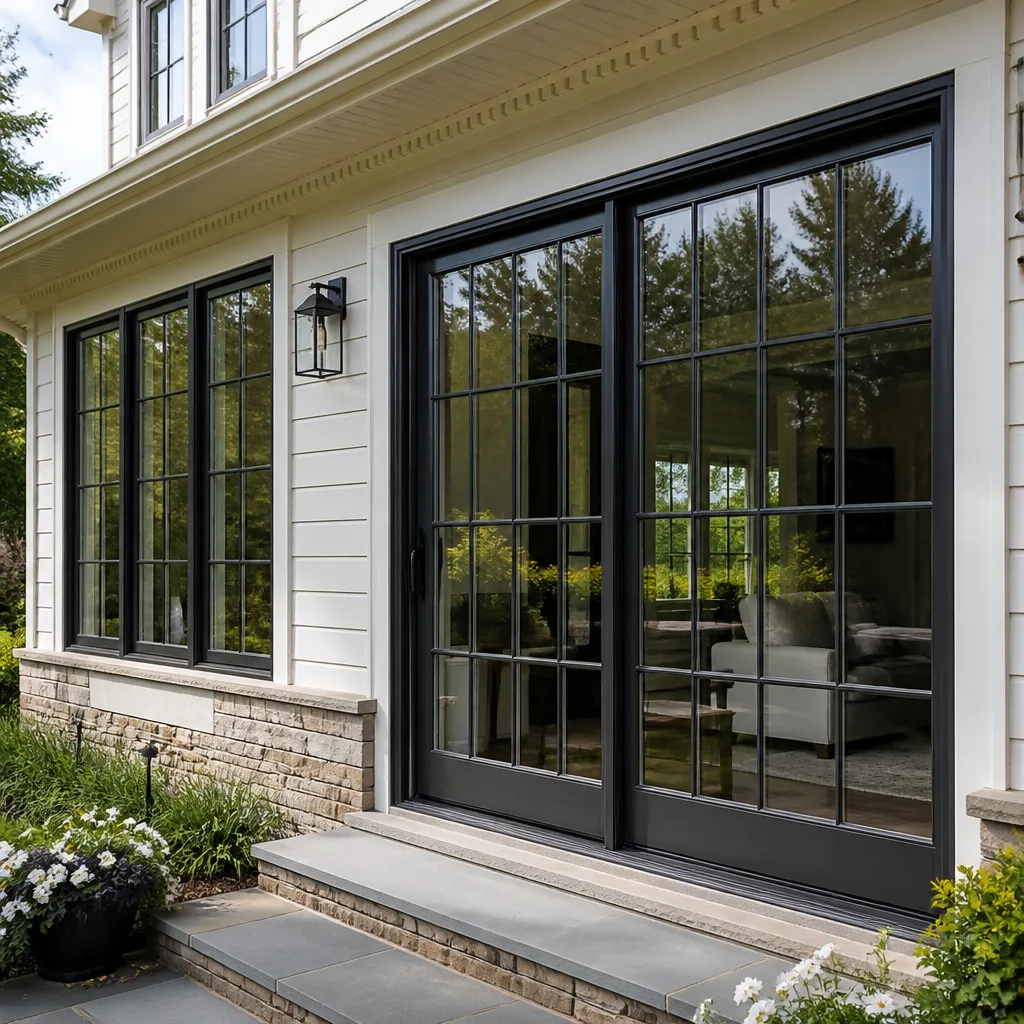
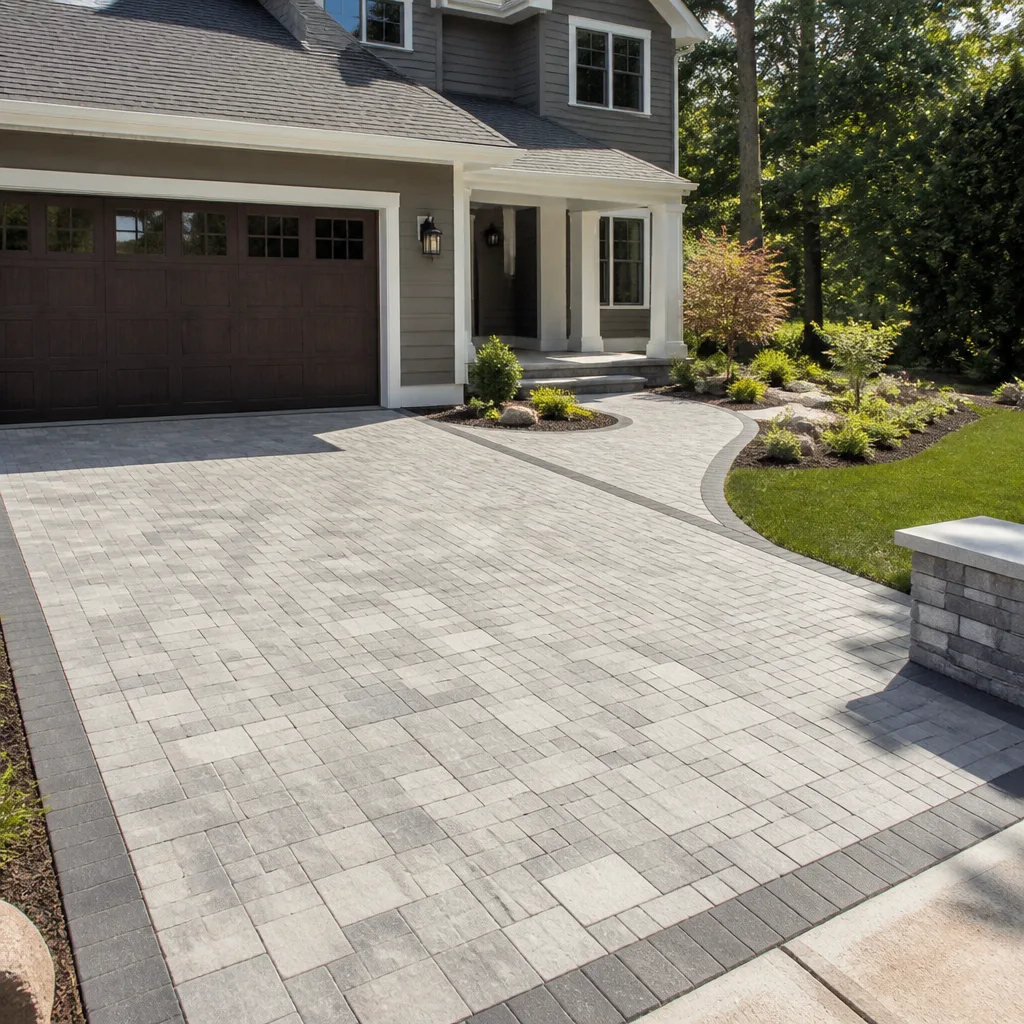
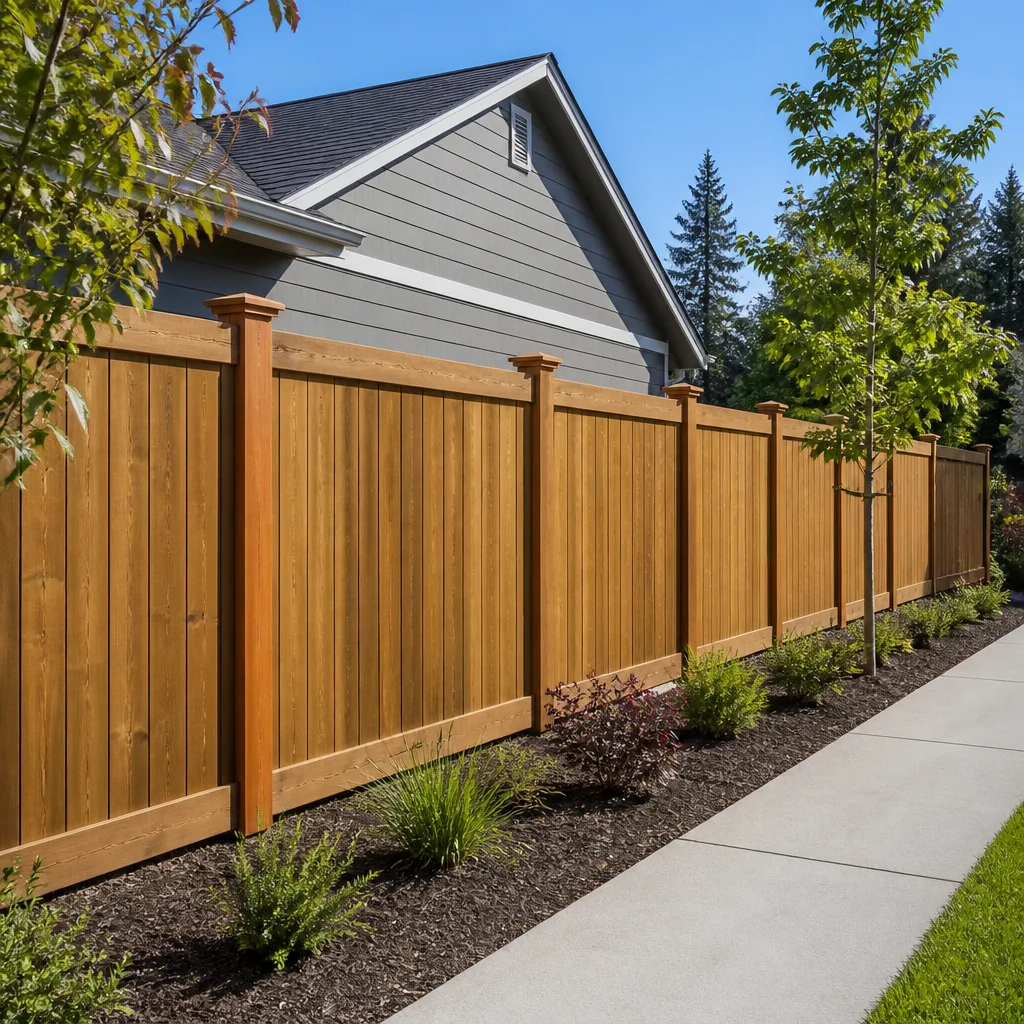
Styles & brands we work with
Signs Your Sakrete Kitchen Remodeling Is Failing
- Hollow-sounding tile, especially near the threshold or under the island. The mud bed has broken bond with the substrate. In Riverside kitchens we see this often because wood-framed subfloors flex with our hot, dry summers and cool winters. The concrete cracks at the bond line, not at the surface.
- Hairline cracks running in straight lines across a concrete countertop or floor. That’s a shrinkage crack, usually from a wet mix or from the concrete curing too fast in Riverside’s heat. It may have been there since week one, but now it’s catching grime and widening.
- Fine, chalky dust gathering at the base of cabinets or along floor seams. This is spalling, and it usually means the mix was over-watered or never sealed. Once the surface starts shedding, the integrity is already compromised.
- Sections of the floor that flex or dip when you step on them. Concrete that moves is concrete that has lost its bond with the layer below. It’s not a cosmetic issue. It spreads, and every step accelerates the damage.
- Grout cracking in a consistent pattern, like a grid. This usually points to movement in the concrete underlayment, not the tile work. If the grout cracks in straight lines that match the tile layout, the subfloor is shifting and the grout is the first thing to let go.
A note on Riverside specifically: our clay-heavy soil expands and contracts through the year, and houses built in the 1970s through the 1990s often have single-layer subfloors that were never meant to hold a heavy concrete pour. We see more Sakrete failures in those homes than in anything built after 2010. Not because the product is bad – because the original install didn’t account for deflection.
See the difference
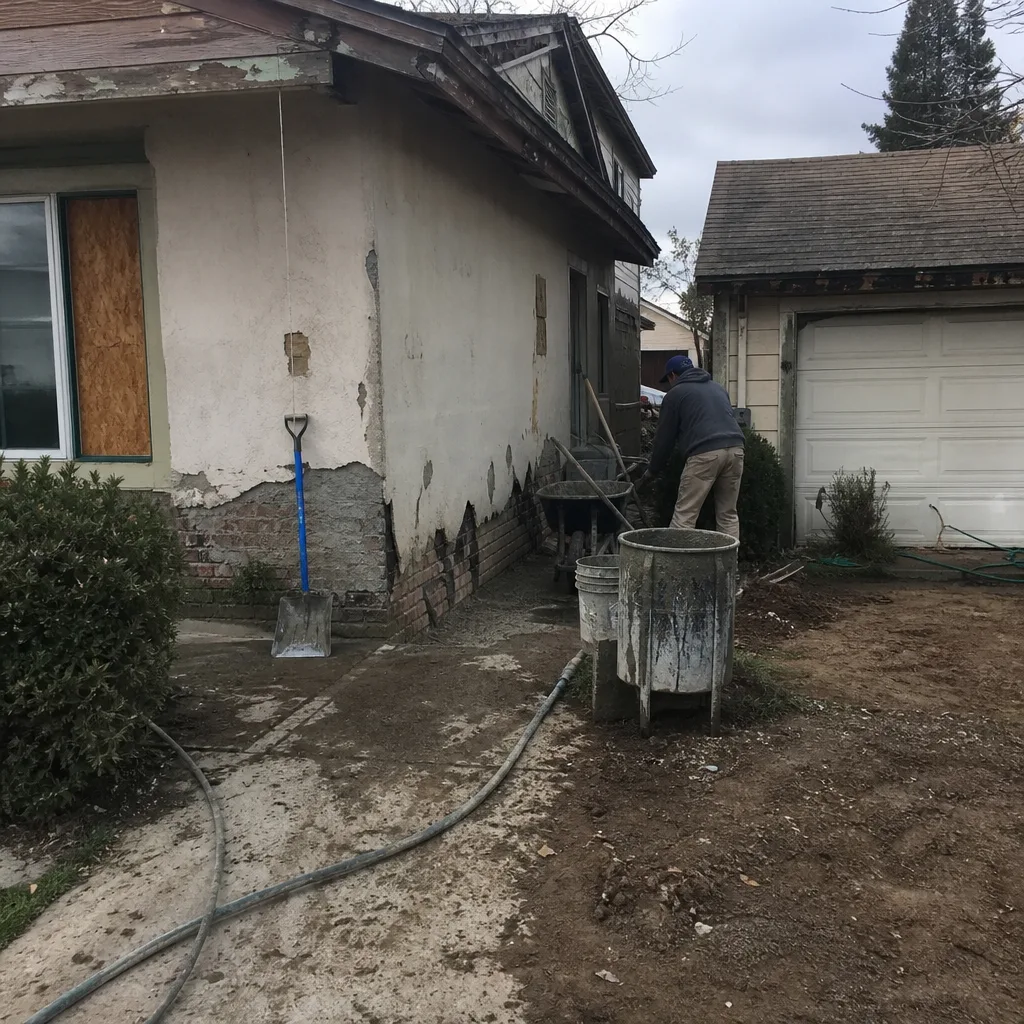 Before
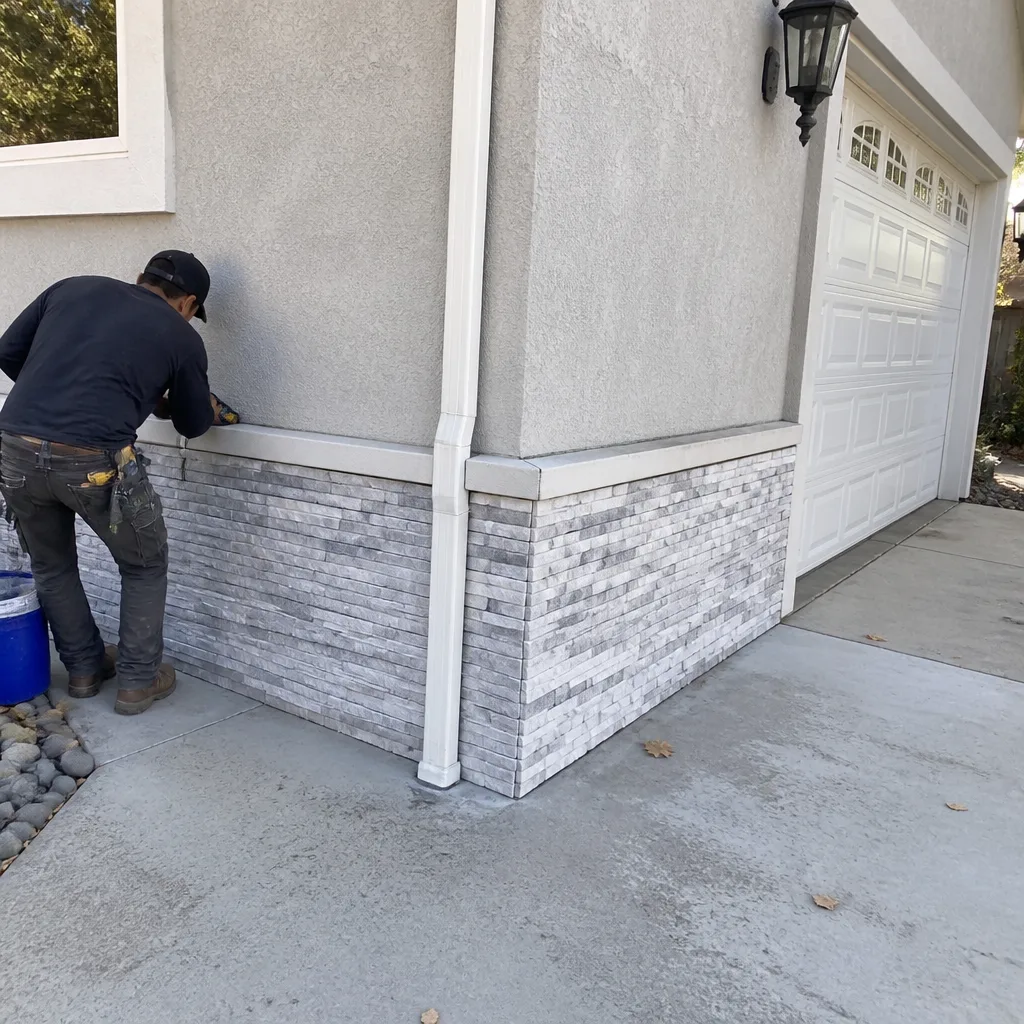 After
After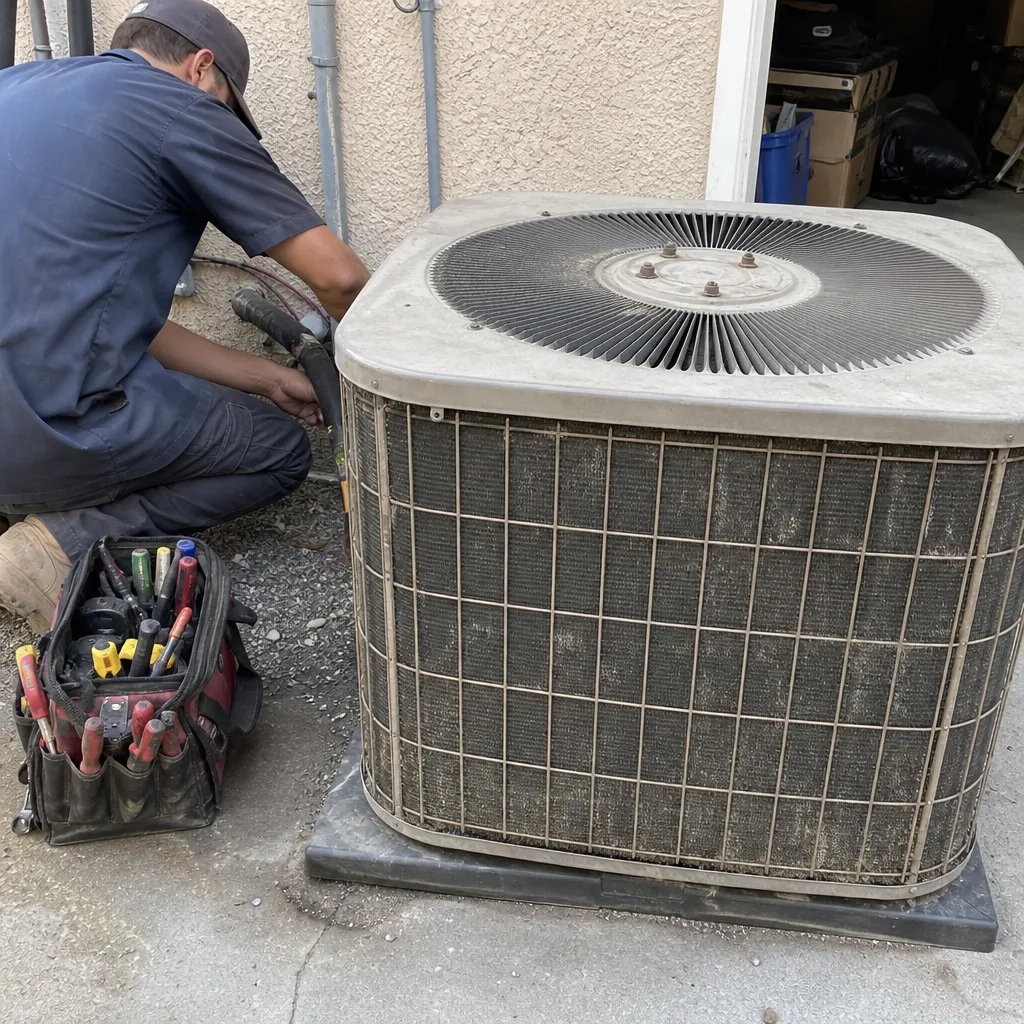 Before
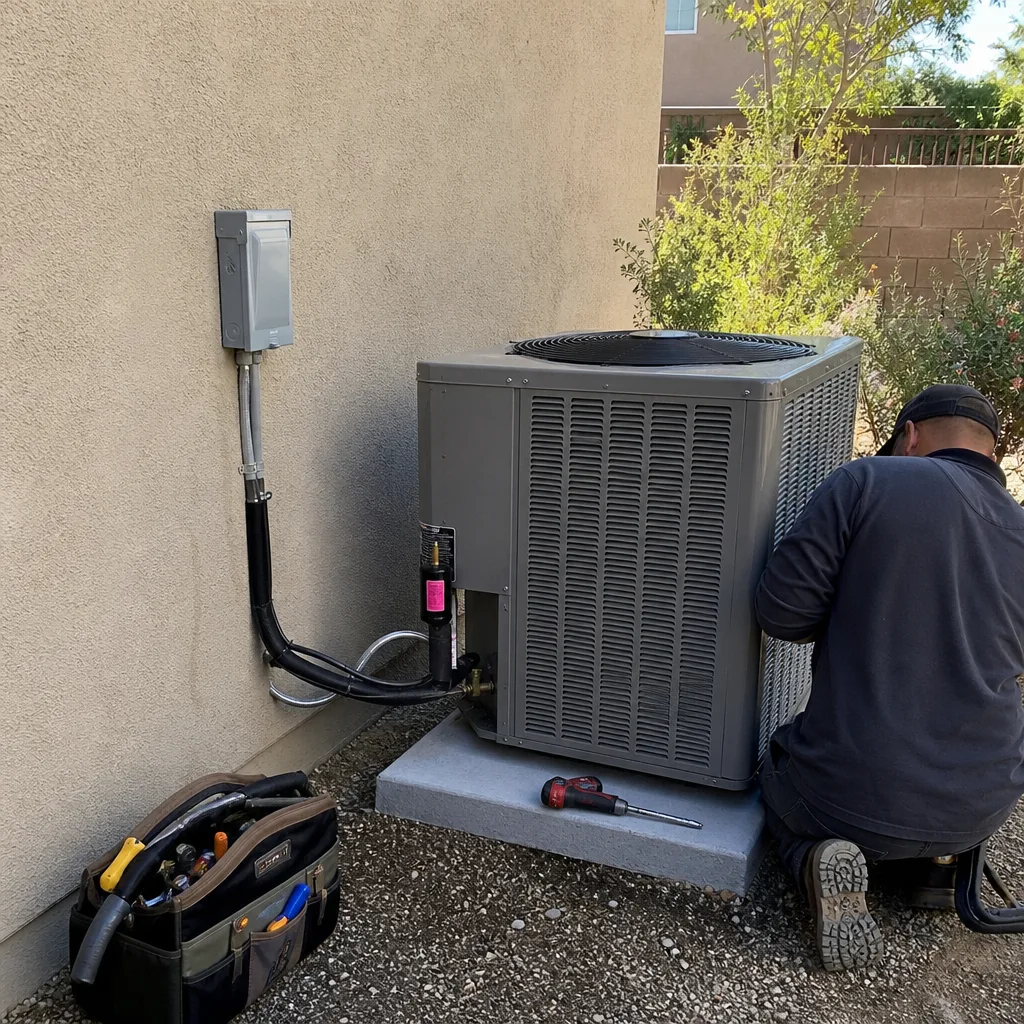 After
After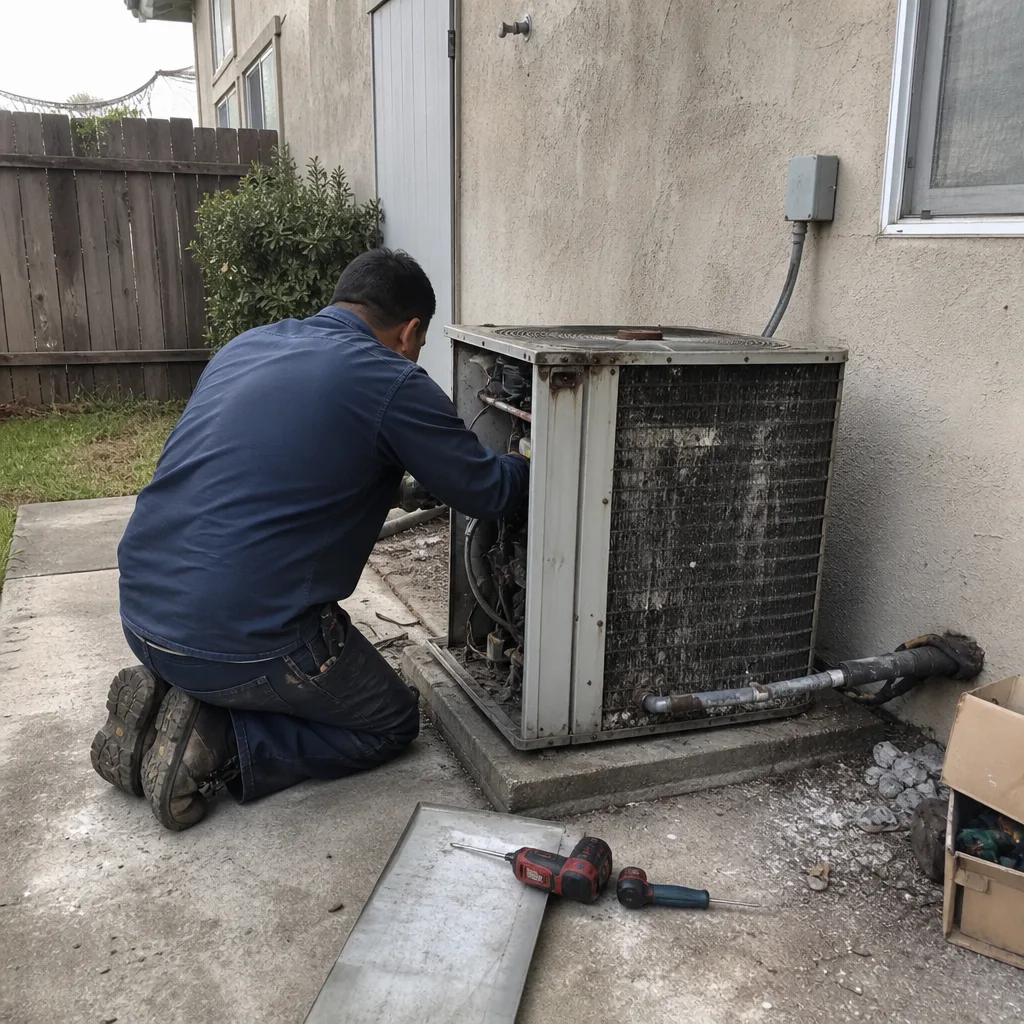 Before
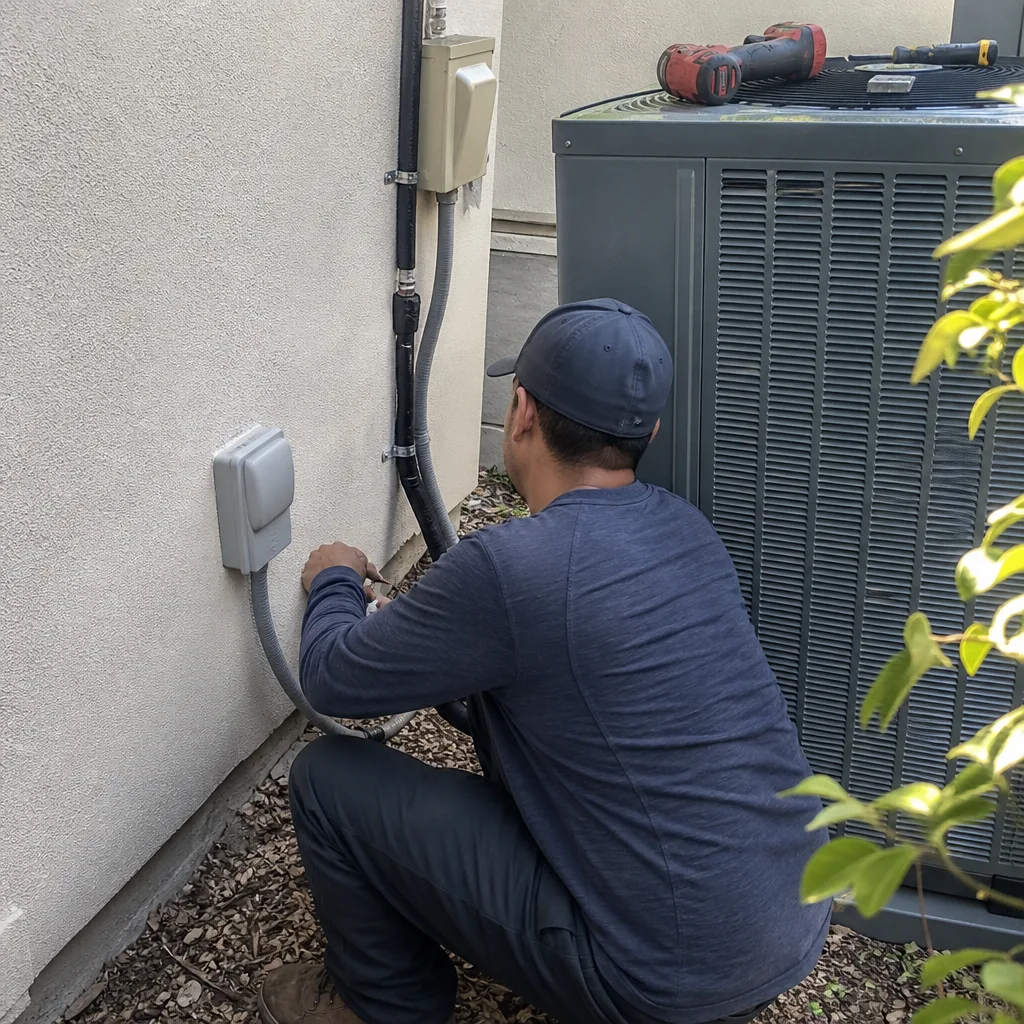 After
AfterReplacement Cost & What’s Included
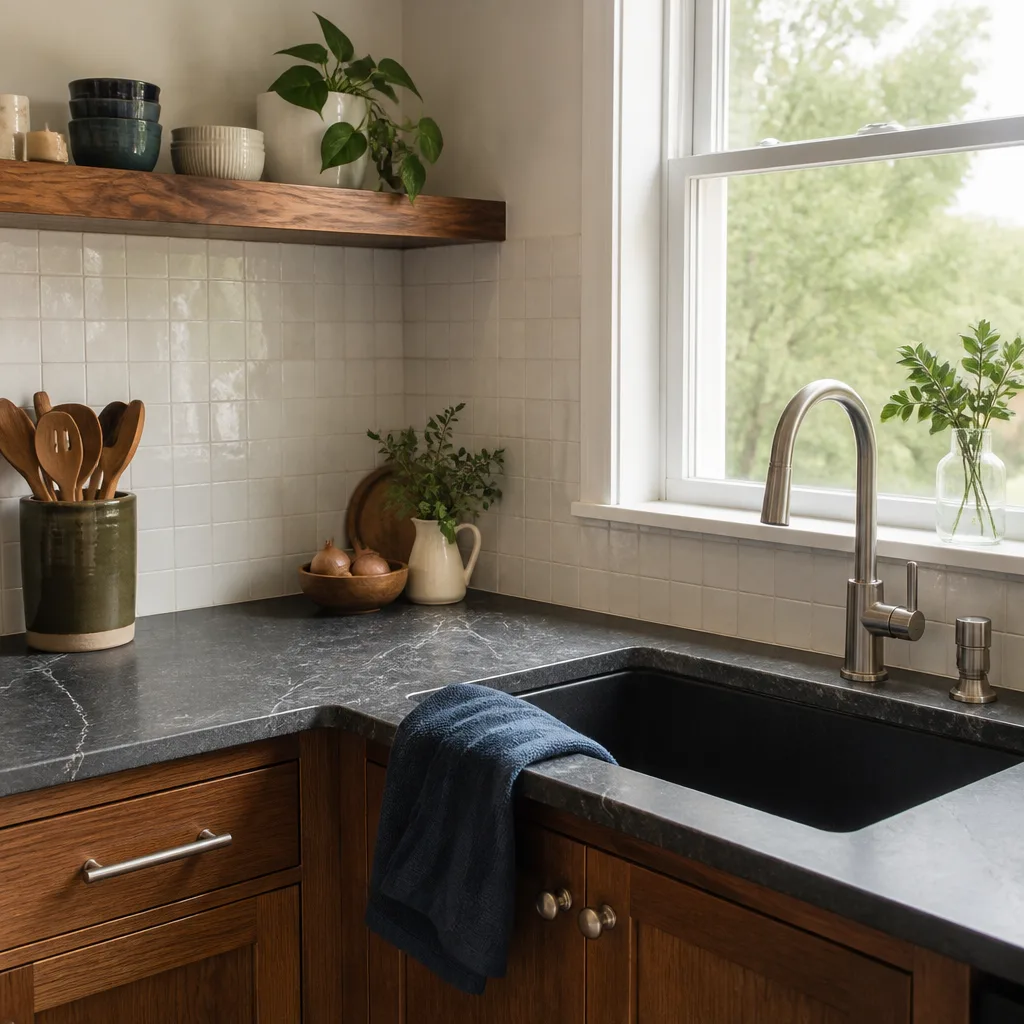
A full Sakrete-based kitchen remodel in Riverside runs $14,000 – $45,000 installed. A focused concrete subfloor or underlayment replacement inside an existing kitchen usually lands between $3,000 and $10,000 depending on square footage, access, demolition, and whether we have to move cabinets.
Here’s the line-item breakdown we give every Riverside homeowner:
- Demolition and removal: $800 – $2,500, depending on whether we’re pulling tile, cabinets, or just failed concrete.
- New Sakrete substrate or underlayment: $4,000 – $12,000, material and labor included. Self-leveling underlayment runs on the lower end; a full mud bed replacement runs higher.
- Bonding agents, membrane, and prep: $500 – $1,800. This is not a corner to cut. A quality anti-fracture membrane between the concrete and the tile is the difference between a floor that lasts ten years and one that fails in three.
- Tile or finish installation: $2,500 – $12,000, depending on material and pattern.
- Cabinetry and countertop re-installation (if removed): $4,000 – $15,000 for KraftMaid or Cambria-level product.
Every estimate is written. The price we give you before we start is the price you pay. No numbers that move at the door. And every completed project carries the 365-Day Done Right Promise: if the Sakrete work fails inside a year, we send a crew back and correct it at no charge. That’s The Garrison Standard, and it’s been in place since 2004.
DIY or Call Us?
You can check a few things yourself: pull up a loose tile and look at the layer underneath, tap the floor with a screwdriver handle and listen for a dull thud versus a sharp crack, and take photos of any cracks with a coin or ruler for scale. That helps us scope the call before we even arrive.
What you should not do is start tearing out concrete. This is where DIY goes wrong, and it goes wrong fast. Concrete dust is a respiratory hazard; old tile and mastic in Riverside homes built before 1980 can contain asbestos; and cutting into a slab without knowing where the plumbing rough-ins run is how you turn a $3,000 repair into a $15,000 one. Concrete doesn’t care what you budgeted.
If the failure is isolated – a single hairline crack that hasn’t moved in a year – sometimes we can patch and seal it for a fraction of the cost. But if the bond has broken across a wide area, patching just buys time. We’ll tell you which one you have. Straight number, real scope, no surprises at the final walk. Call (424) 567-8472 and we’ll schedule a look.
FAQs
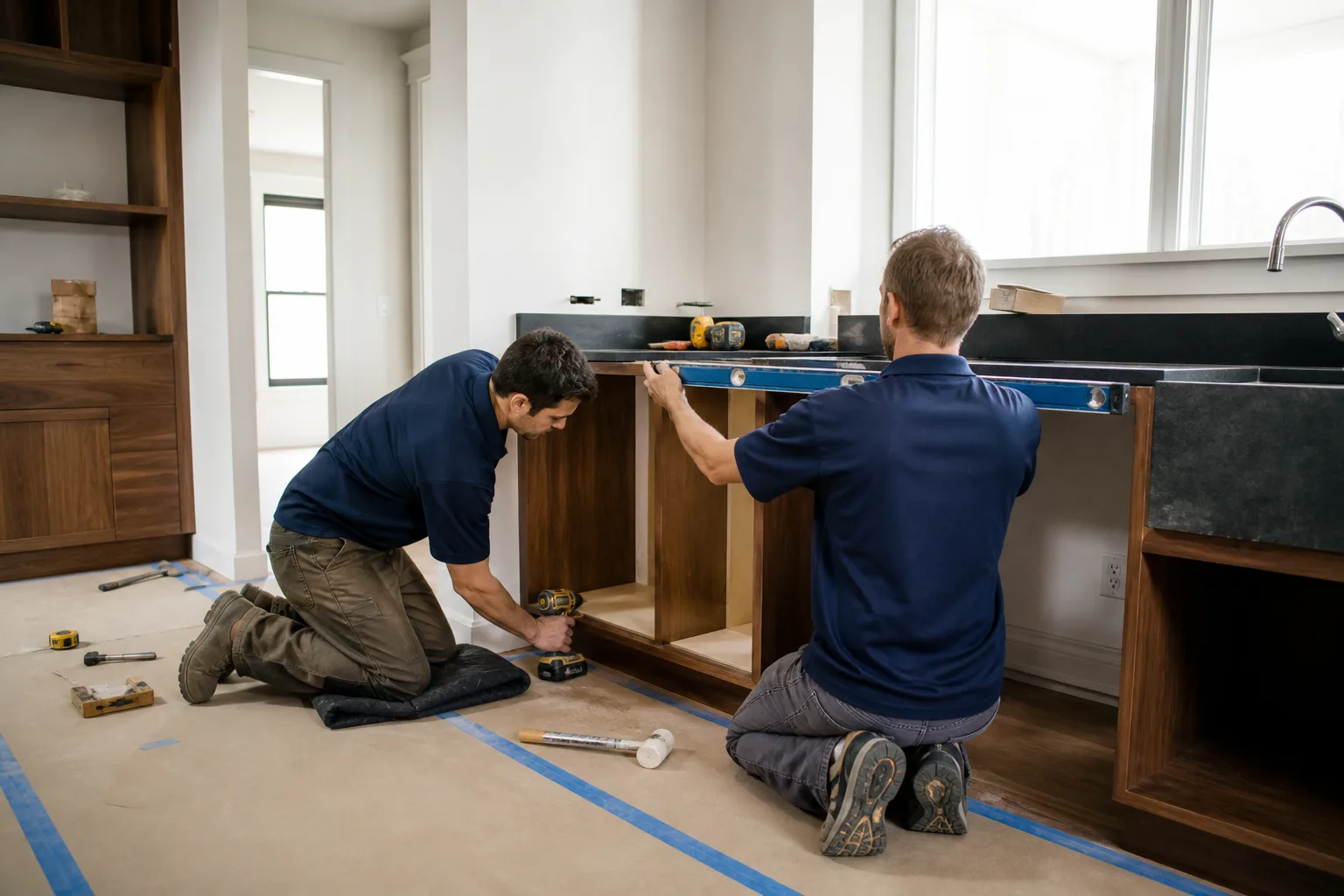
Done right, a Sakrete underlayment or mud bed in a Riverside kitchen should last 15 to 25 years. The failures we see are almost always from improper mixing, too-thin pours, or no membrane over a wood subfloor. Our own installs are backed by the 365-Day Done Right Promise, but a properly prepped substrate should not fail inside that window. If yours did, call (424) 567-8472 and we’ll tell you why.
Sometimes. If the bonded area is still attached and the crack is static, we can rout and fill the crack with a Sakrete-compatible patching product and seal the surface. But if the concrete has broken bond over a large area, repair is throwing money at a floor that will keep failing. We’ll tell you which one applies to your kitchen during the inspection.
Most focused underlayment or substrate replacements in Riverside take two to four days, including demolition, pour, cure time, and tile installation. If the job includes removing and reinstalling cabinets or countertops, plan for one to two weeks. We sequence the work so the kitchen is never out of commission longer than it has to be, and the punch list gets closed before we call it done.
Yes. Our Riverside crews carry Sand Mix, Self-Leveling Underlayment, Top ‘N Bond, and Sakrete bonding agents on the truck for most service calls. If the scope requires a specialist product, we source it directly and confirm the exact SKU with you before any purchase is made. Everything is documented, and the material invoice is part of your written estimate.
Ready to get the concrete under your kitchen addressed? Call Bradford Remodeling Co Riverside at (424) 567-8472. Curtis Lane and our crew will walk the floor, tell you what failed and why, and give you a written price before any work starts. The estimate is free. The guarantee is in writing.
Written by Curtis Lane, Owner, Bradford Remodeling Co Riverside at Bradford Remodeling Co Riverside, serving Riverside and nearby areas.