Free written scope consultation - allowances, timeline, and change-order rules on paper before a single trade is scheduled
Sterling Home Additions & ADU: The Riverside Owner’s Guide
A Sterling home addition or ADU project in Riverside typically runs $45,000 to $130,000 for the addition itself, with full ADU construction landing between $90,000 and $220,000 depending on size, foundation work, and utility runs. We can usually have a site assessment and written scope on your desk within a week of your call. Most Riverside owners don’t call because a “part” failed in the literal sense. They call because something in the structure stopped behaving: a roofline sagged, a wall pulled away from the main house, a door stopped latching, or water started tracking in where the addition ties into the original framing. That connection point, where new meets old, is where almost every Sterling addition or ADU problem starts, and it’s the first thing we inspect.
Which Sterling Models This Applies To
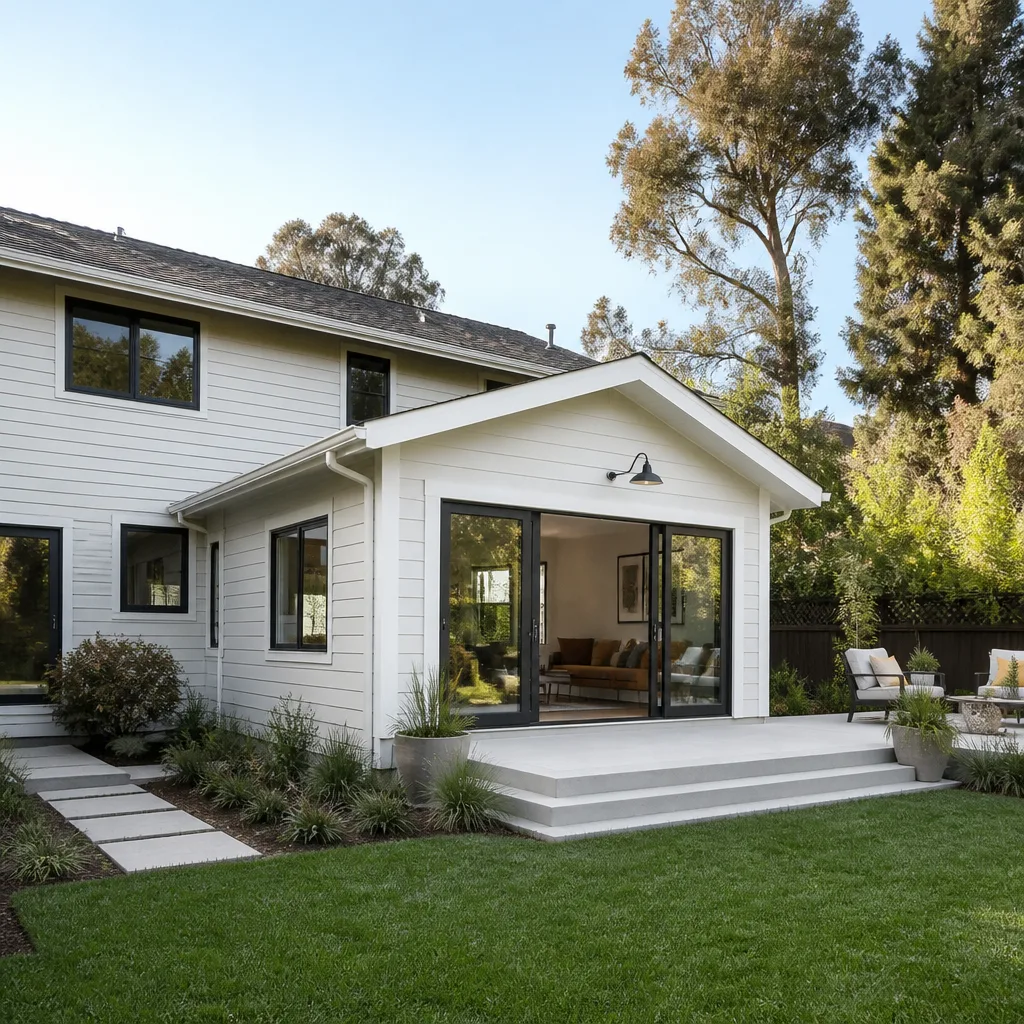
Sterling home additions and ADUs aren’t a single product line with model numbers like a water heater. They’re structural projects, and the compatibility question comes down to how the original home was framed, what the foundation is, and what the addition is tied to. If your Riverside property has a pre-2000 stick-framed house on a raised foundation, the addition you’re assessing almost certainly ties into 2×4 or 2×6 exterior walls with a bolted mudsill. That’s the standard we see across the Victoria Avenue corridor homes and older neighborhoods south of the Plaza. For homes built after 2000, you’re more likely dealing with a slab-on-grade tie-in and engineered shear wall requirements.
When we assess a failing Sterling addition or ADU, we’re identifying three things: the fastener pattern at the ledger board, the flashing detail at the roof tie-in, and whether the addition was permitted and inspected in the first place. We install OEM-spec fasteners and hangers where the original hardware is still available, but we’ll also spec Simpson Strong-Tie or USP structural connectors when the original spec was undersized. The honest answer on OEM versus aftermarket: for structural connectors, the aftermarket name brands are often superior to what the original builder used. For finish materials and fixtures, matching what’s already there matters more than the brand stamp.
Bradford Remodeling Co Riverside is an independent contractor. We’re not affiliated with Sterling, but we work on Sterling-scoped additions and ADUs across Riverside every month, and we stock the common structural hardware on our trucks.
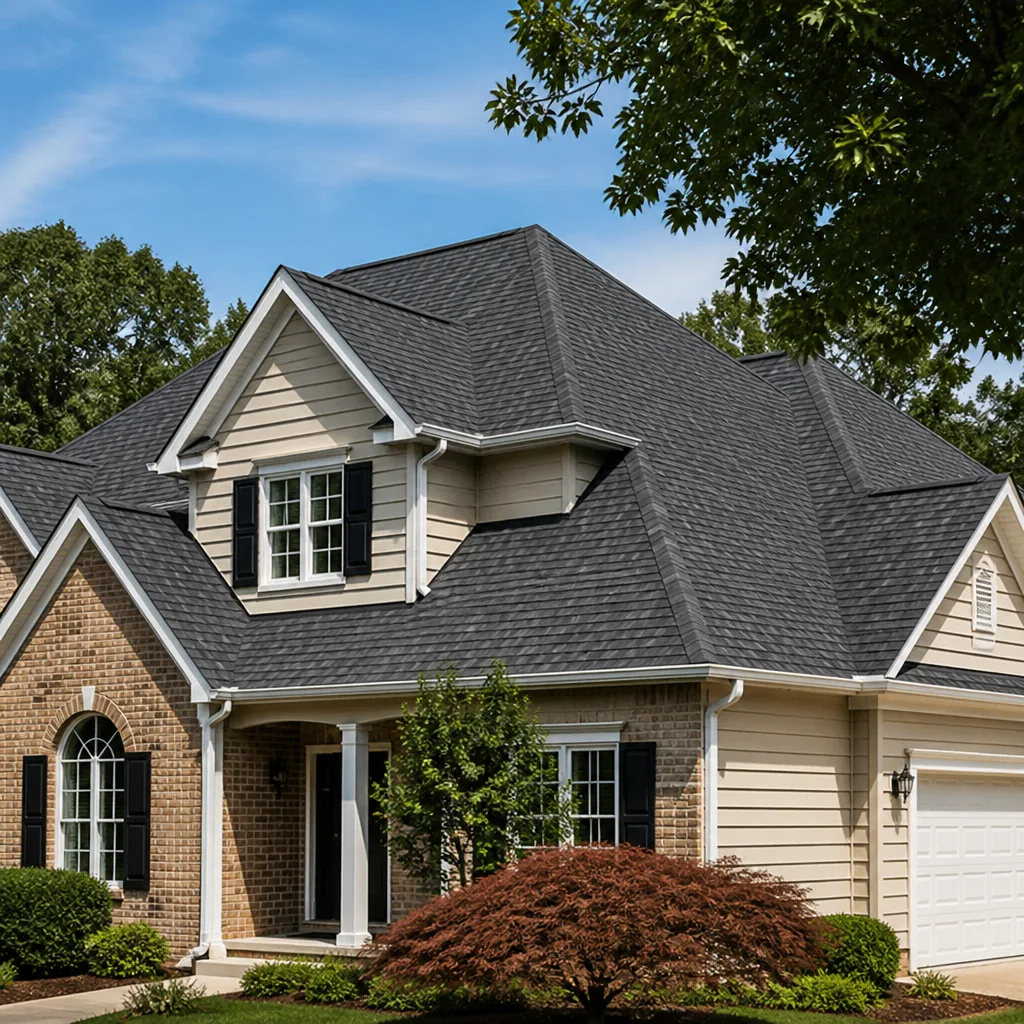
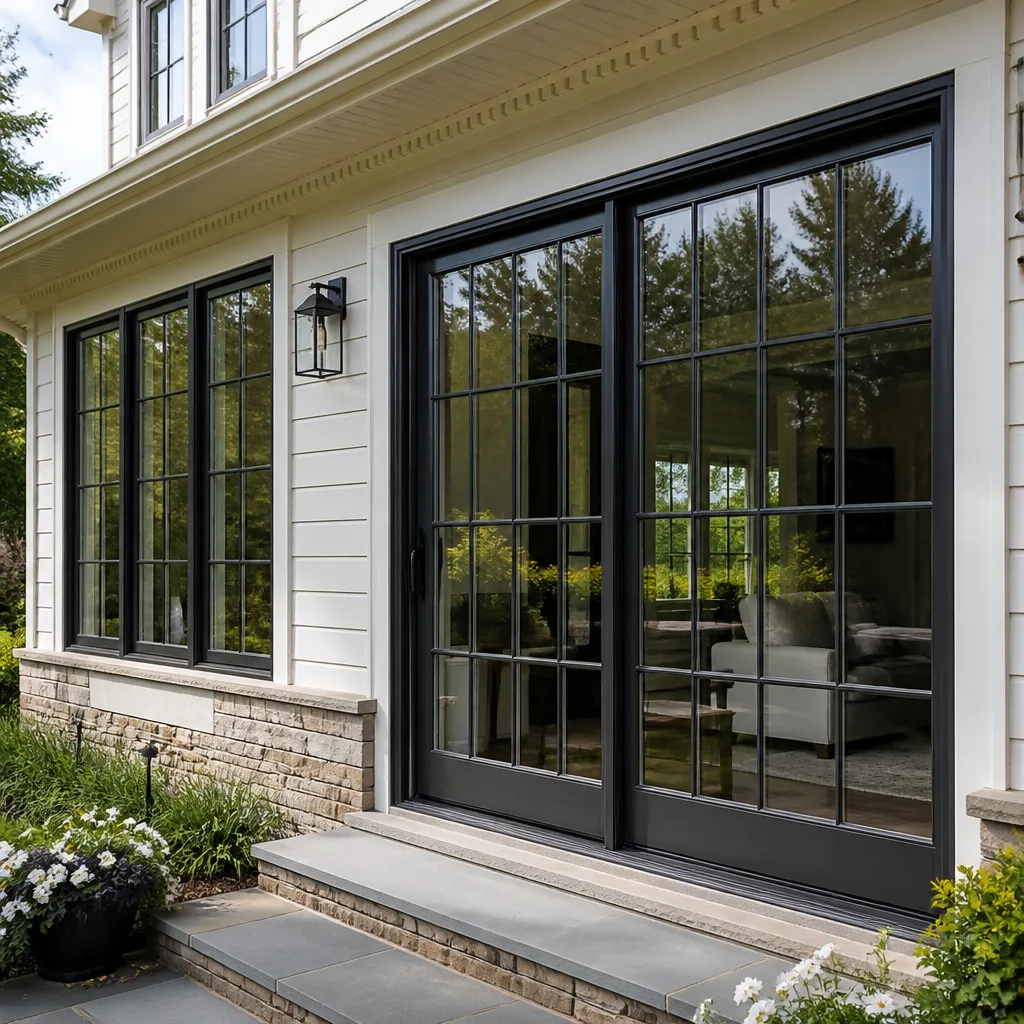
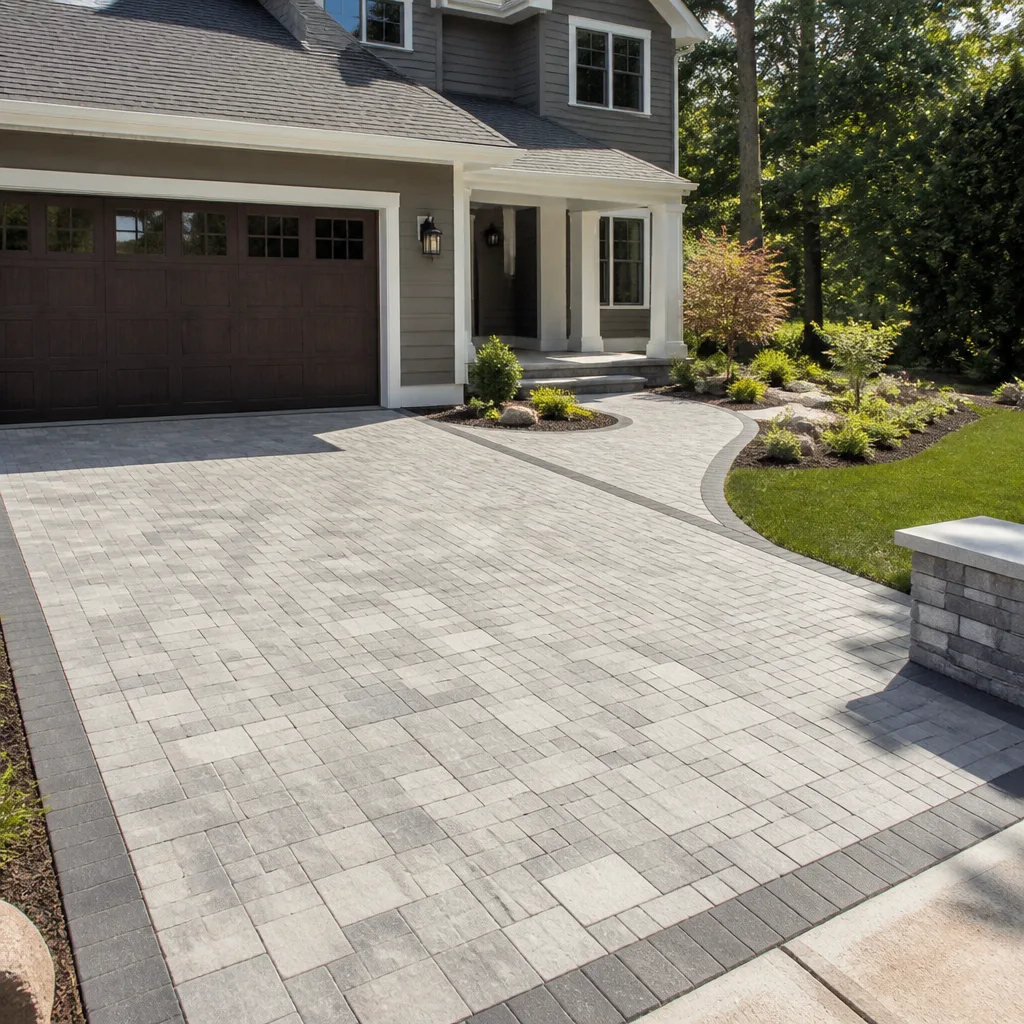
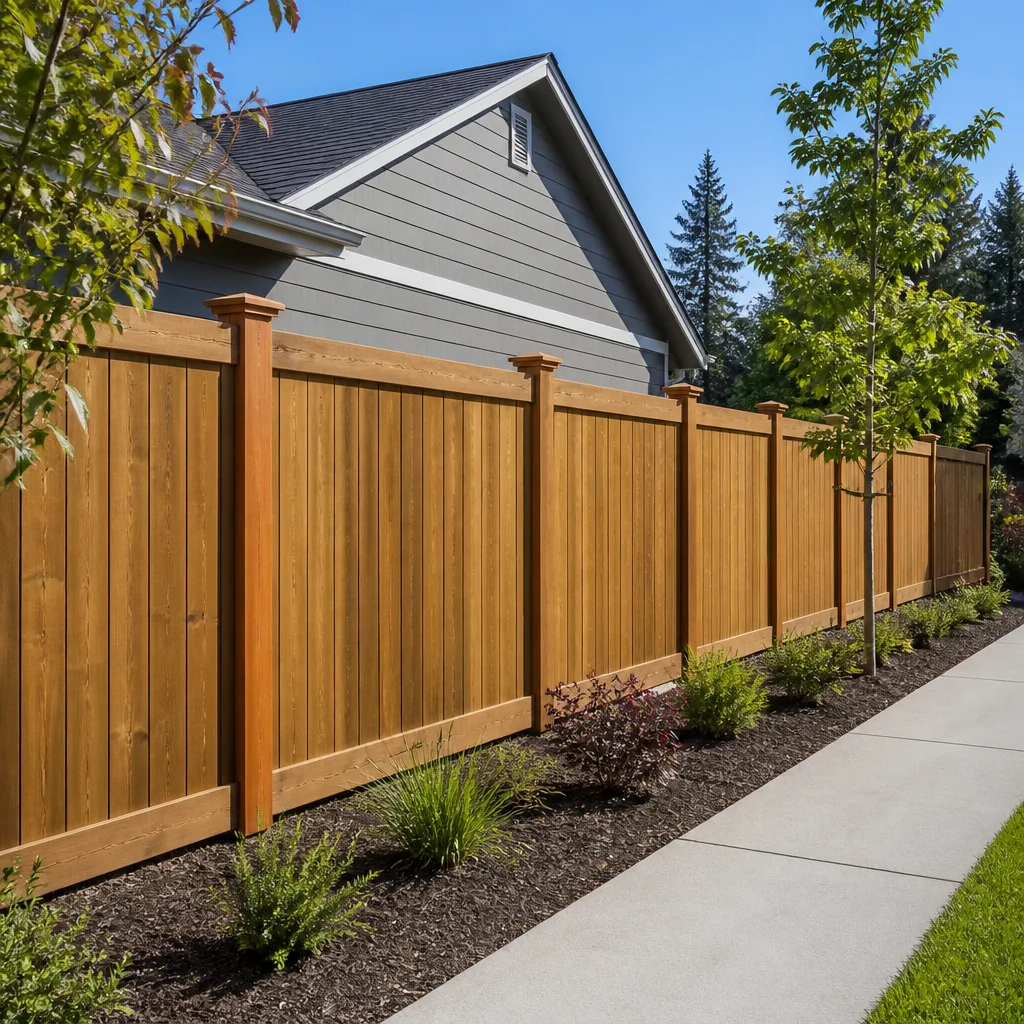
Styles & brands we work with
Signs Your Sterling Home Additions & ADU Is Failing
- Doors that stick or won’t latch inside the addition. This usually means the addition has settled or the foundation is moving. In Riverside’s clay-heavy soils, seasonal expansion and contraction pushes slabs and footings around more than most people expect.
- A visible gap opening where the addition wall meets the main house. That gap means the tie-in fasteners have loosened or the framing behind the siding is pulling away. Left alone, water gets in and rot starts behind what you can’t see.
- Water staining at the ceiling corner where the addition roof meets the existing roof. The flashing detail at that junction is the single most common failure point on Riverside additions. Once the step flashing bends or pulls loose, every rain event funnels water into the wall cavity.
- Cracks in the drywall running diagonally from door corners or window corners. Diagonal cracks point to shear stress, not just normal settling. It’s the structure telling you the addition is racking slightly under load or wind.
- A floor that feels bouncy or soft near the transition from main house to addition. Joist overspan or a deteriorated rim joist is usually behind it. We’ve opened up floors in the Hawarden Hills area and found rim joists that were never properly flashed, sitting on wet mudsills for a decade.
See the difference
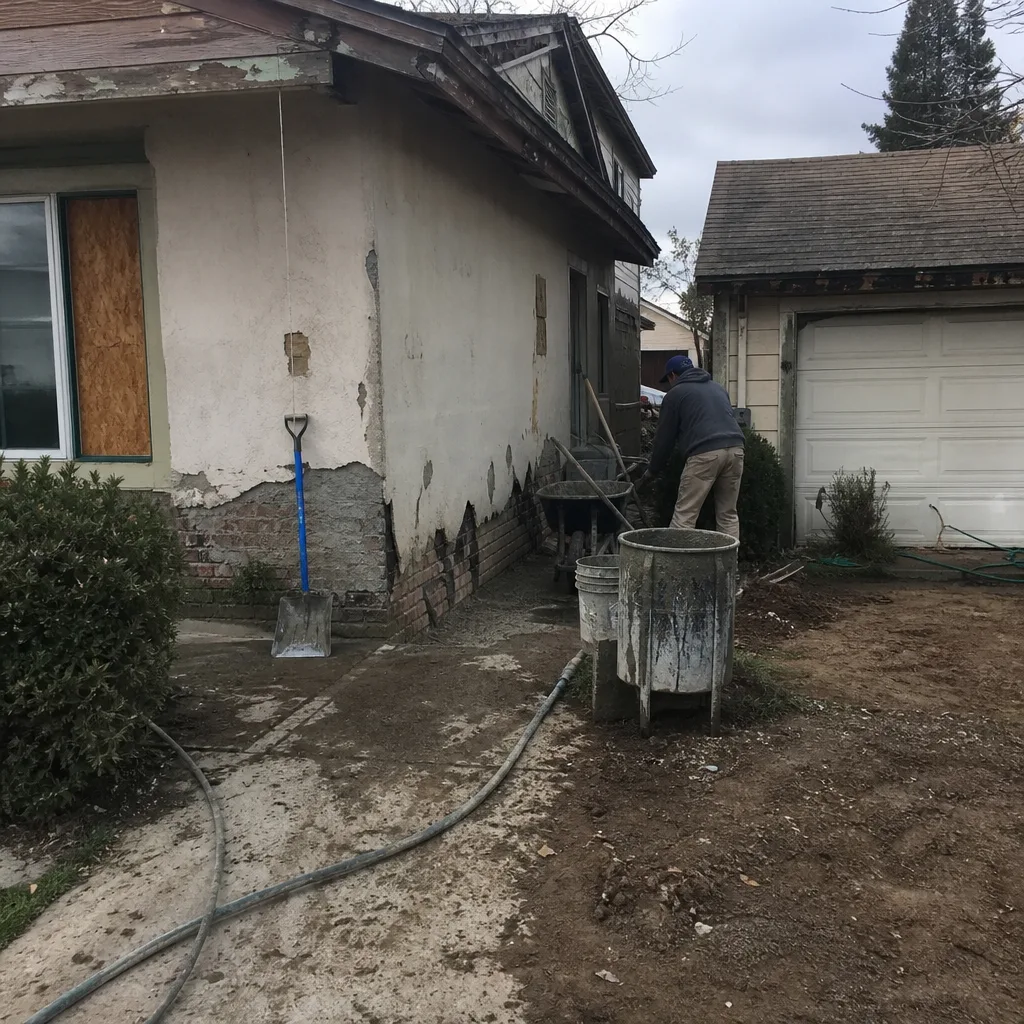 Before
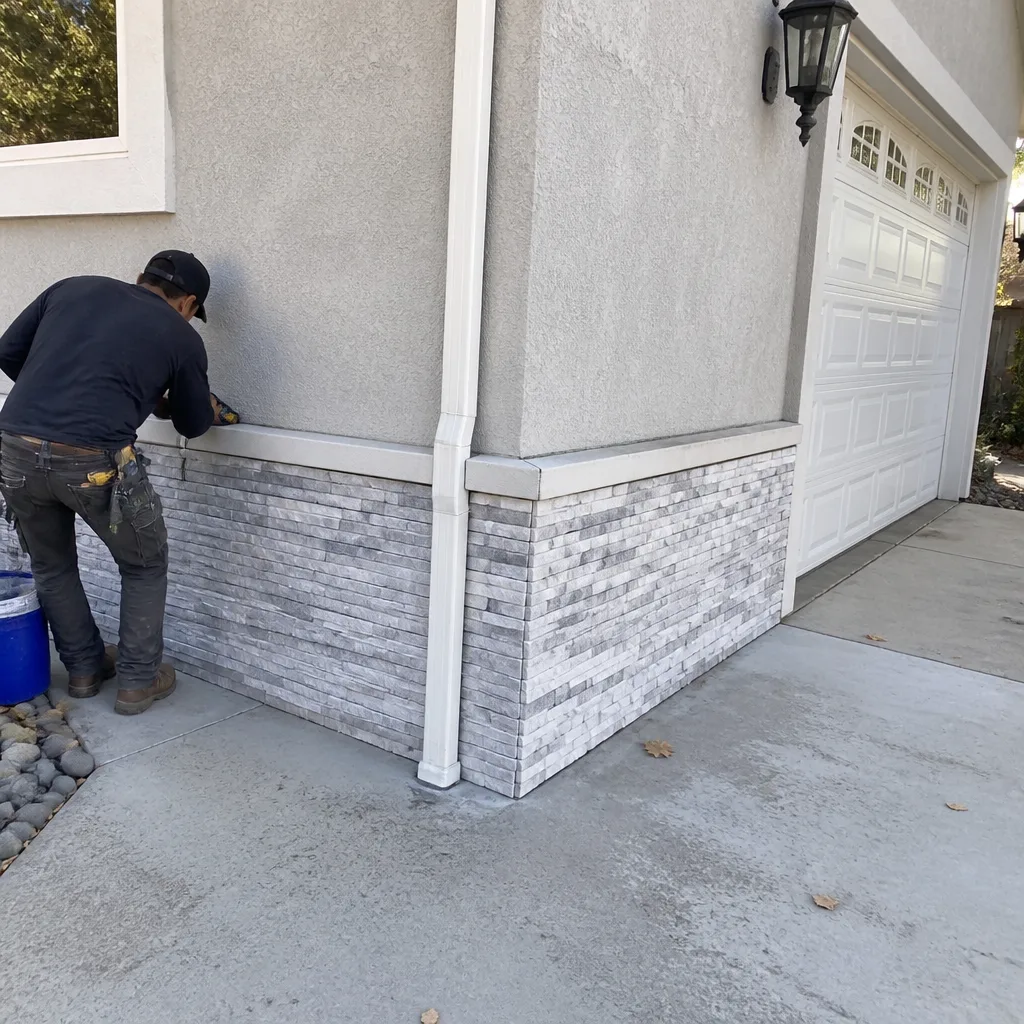 After
After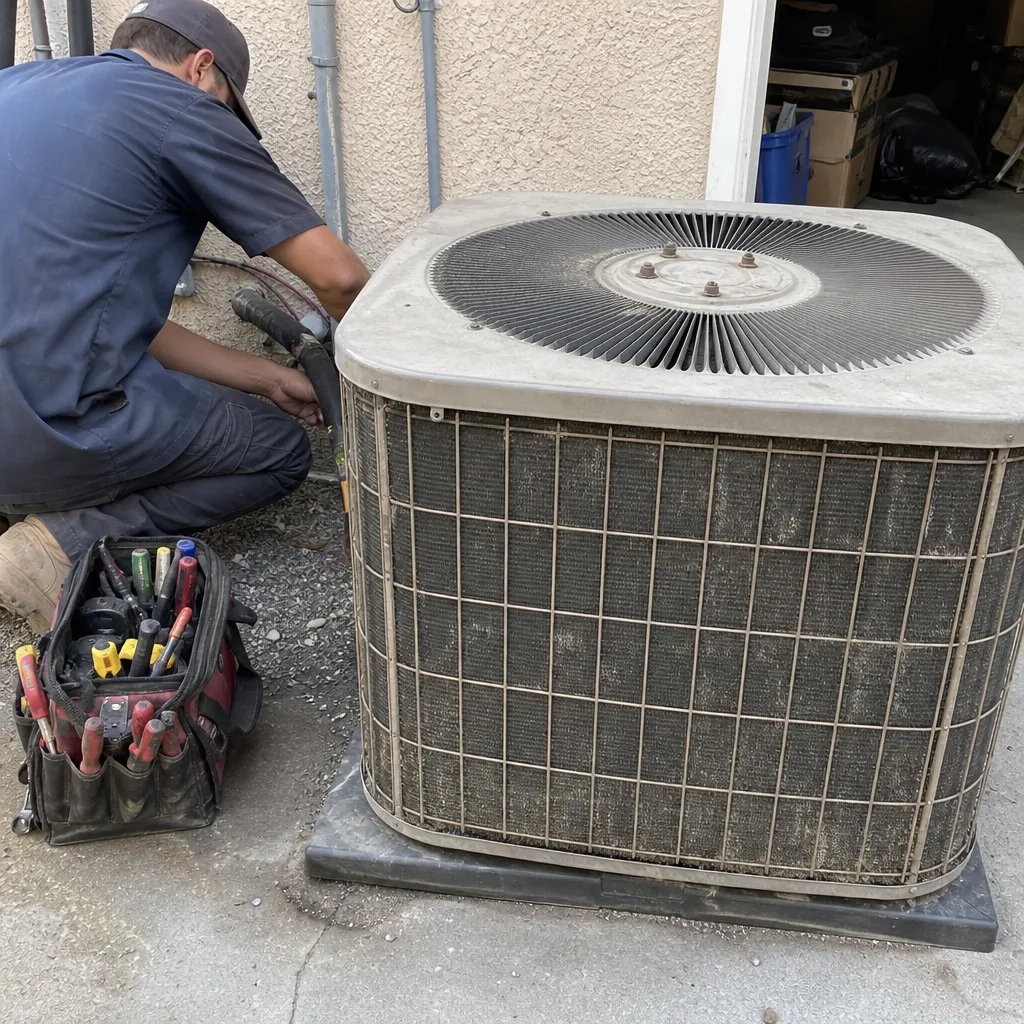 Before
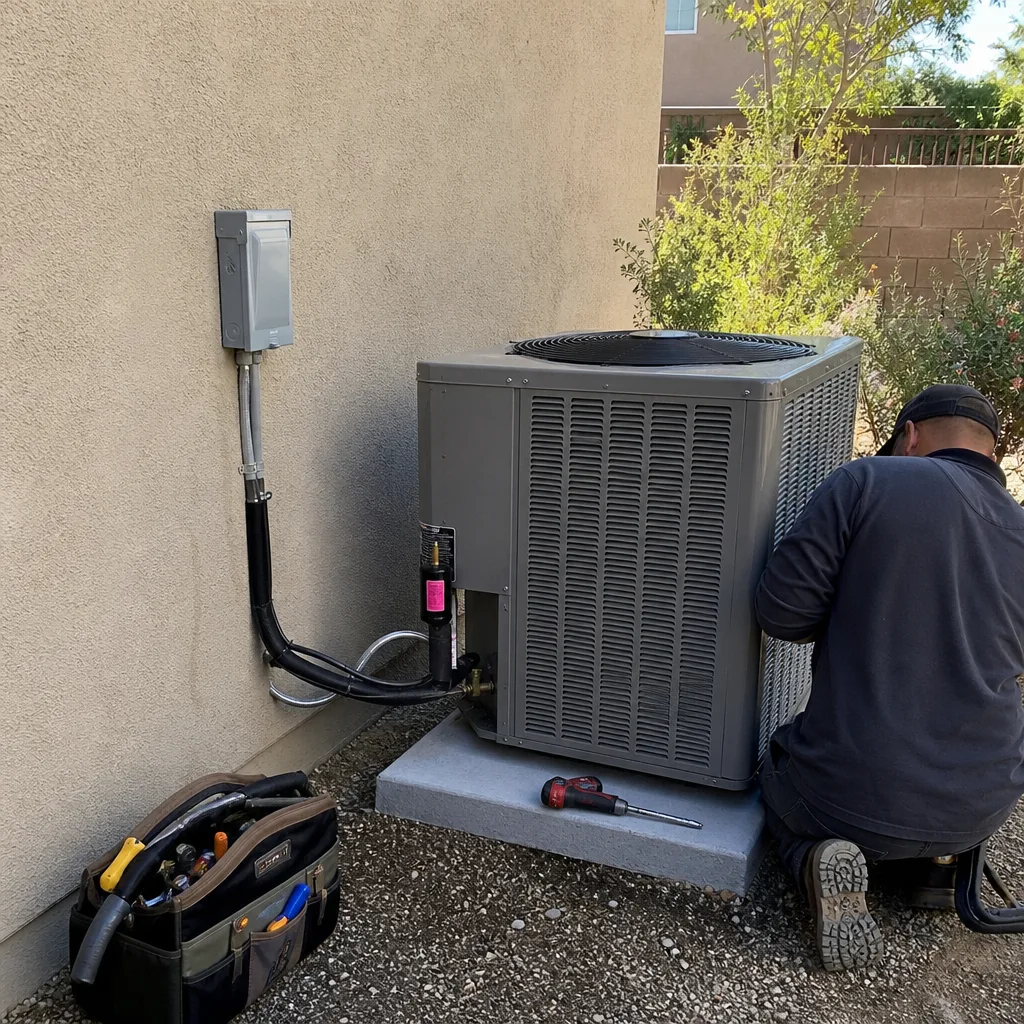 After
After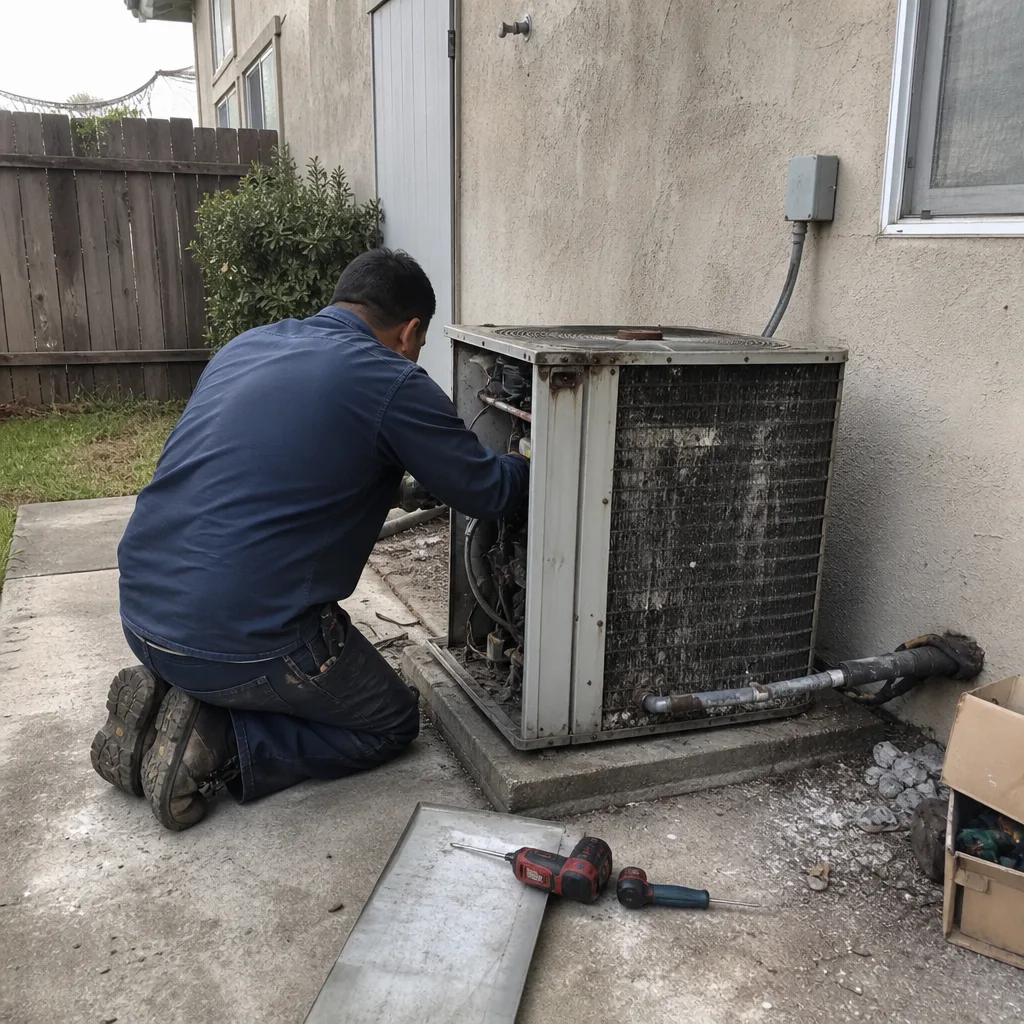 Before
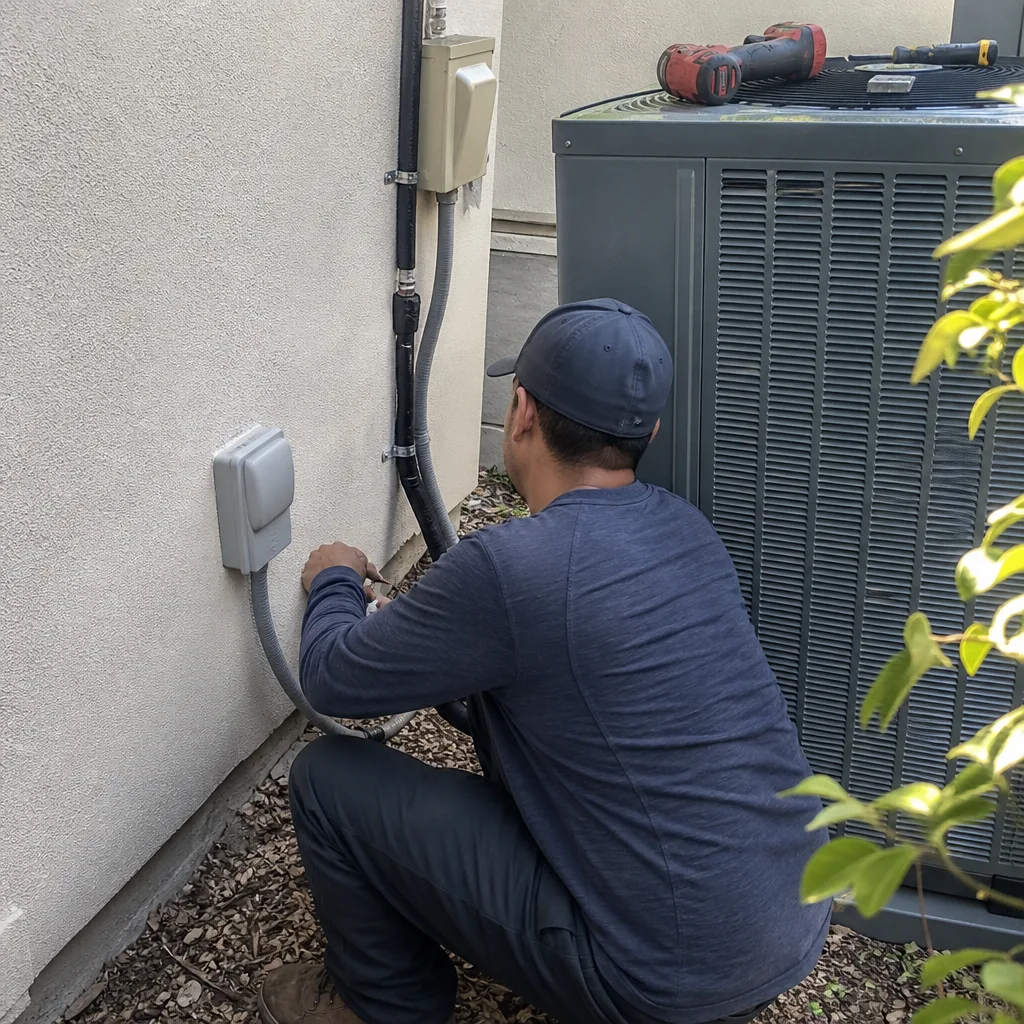 After
AfterReplacement Cost & What’s Included
For a structural repair on an existing Sterling addition in Riverside, you’re generally looking at $8,000 to $35,000 depending on how far the failure has progressed. If the project is a full addition or new ADU build, the range is $45,000 to $130,000 for the addition and $90,000 to $220,000 for a complete ADU. Here’s how that breaks down:
- Tie-in repair (flashing, fasteners, and waterproofing at the junction): $4,000 – $12,000
- Foundation stabilization or underpin work: $8,000 – $30,000 and up depending on scope
- Full home addition (modest room to full suite): $45,000 – $130,000
- ADU construction (permitted, utility-connected unit): $90,000 – $220,000
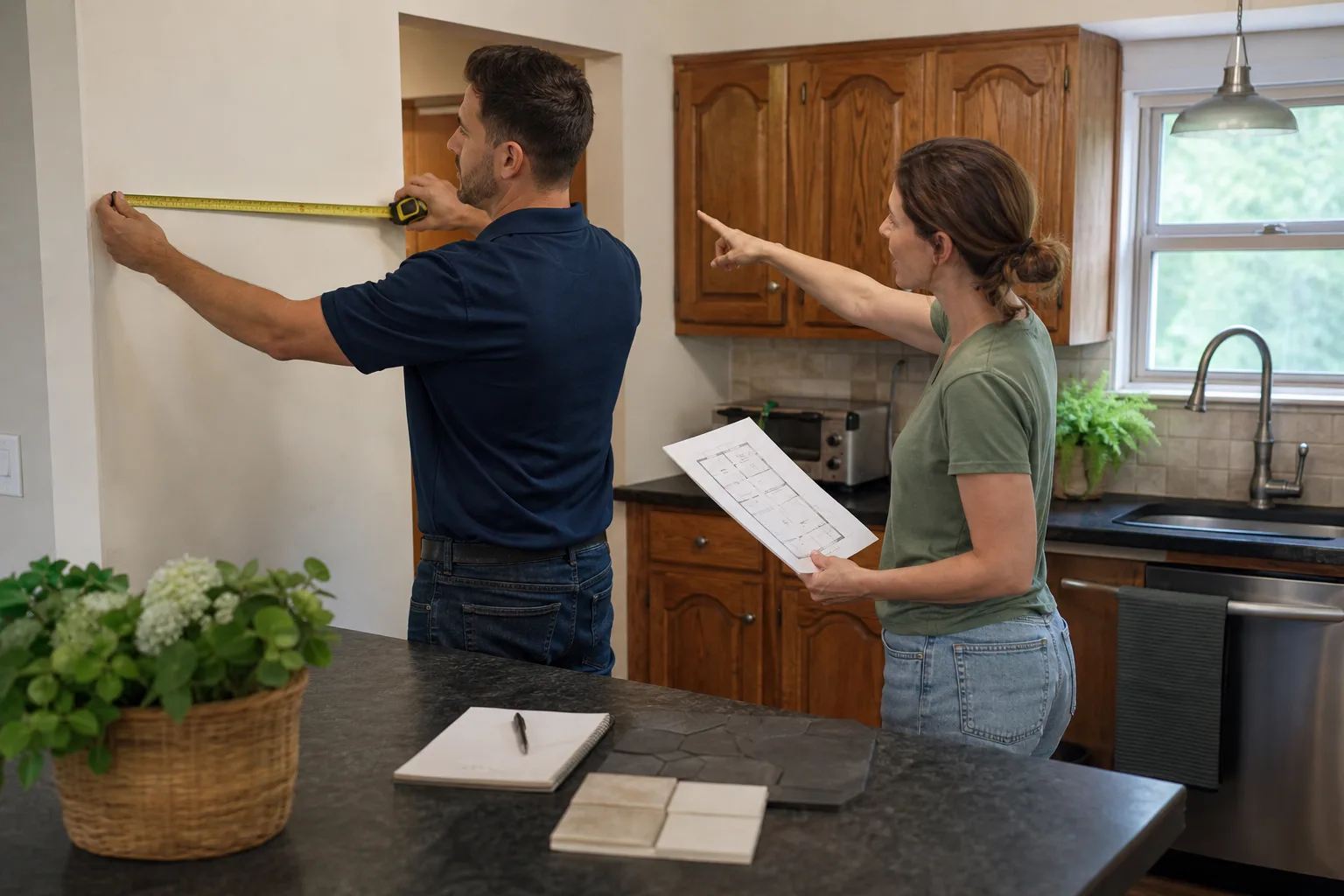
Every number we give is a written price before any work starts. The scope lists exactly what we’re doing, what materials we’re using, and what’s not included. No change orders because we missed something on the walk. Curtis Lane personally reviews every Riverside addition and ADU scope before it goes out the door, and if the estimate requires a structural engineer’s stamp, that’s called out as a line item in the proposal rather than appearing later as a surprise invoice. All work carries the 365-Day Done Right Promise: if the repair or build fails inside a year, we return and correct it at no charge.
DIY or Call Us?
Some things you can safely check yourself. Walk the addition perimeter and look for gaps at the roofline and wall junctions. Put a level on the floor near the transition and watch for a visible bubble shift. Check for water staining after the next rain. Those observations help you decide whether this is urgent or routine. What you should not do is attempt any structural fix yourself. Framework at a roof or wall tie-in is under constant load. Opening up a load-bearing wall, pulling fasteners, or re-flashing a second-story junction without the right support plan can put you and the house at risk. That’s not a job for a Saturday and a cordless drill. If you see a gap, a sag, or a crack moving, call us. We’ll send a background-checked, uniformed tech to assess it, and you’ll get a straight number on paper before anything gets touched. Call (424) 567-8472.
FAQs
A properly built addition on good footings should last 50 years or more structurally, but the tie-in flashing and sealant details typically need attention at the 15 to 20 year mark here. Riverside’s heat cycles, low humidity in summer, and occasional heavy rain years put real stress on caulk and metal flashing. We recommend having the tie-in inspected every five years. Call (424) 567-8472 to schedule an inspection.
In most cases, yes. If the foundation has settled, we can often lift and stabilize it. If the roof tie-in is leaking, we can re-flash and reseal it. Full tear-out is only necessary when framing has rotted past the point of holding fasteners, which happens when water intrusion has gone unnoticed for years. Straight number, real scope, no surprises at the final walk. Call (424) 567-8472 for an assessment.
A tie-in repair usually takes three to seven working days. A full addition runs eight to sixteen weeks depending on permitting and inspection schedules in Riverside. An ADU runs twelve to twenty-four weeks from permit to final inspection. We sequence the work so subs arrive in order and the job doesn’t stall waiting on a crew. Every scope includes a timeline, and we hold to it.
We stock common structural hardware on our trucks: Simpson Strong-Tie connectors, ledger fasteners, flashing, and sealants. For finish materials, we order from documented name-brand suppliers so specifications are traceable. That includes brands like KraftMaid, Cambria, and Silestone for interior finishes, plus Kohler and Moen for fixtures. If you’re matching existing tile or hardware, we’ll source the closest available match and tell you where it diverges before we order it. Call (424) 567-8472 to talk through what’s needed.
Written by Curtis Lane, Owner, Bradford Remodeling Co Riverside at Bradford Remodeling Co Riverside, serving Riverside and nearby areas.