Last updated October 16, 2026





Free written scope consultation - allowances, timeline, and change-order rules on paper before a single trade is scheduled
Construction Warning Signs: A Riverside Homeowner’s Reference Guide
The most reliable predictor of a problem contractor we’ve observed in Riverside isn’t a missing license or a bad review. It’s a verbal price given before a site walk. Any number delivered before measuring a room is a number designed to win the conversation, not reflect the actual work. This guide gives you the specific red flags our team has documented across hundreds of job sites in Riverside, from the first phone call through final inspection. For a deeper look at the hiring process, see our How to Hire a Construction Contractor in Riverside: A Step-by-Step Guide. You’ll learn what a legitimate proposal looks like, how to test permit knowledge in under a minute, what California law actually says about deposits, and the on-site signs that tell you a project is drifting before the drywall goes up.
Quick Answer
Contractor red flags in Riverside, CA fall into four categories: pricing behavior before the contract (verbal estimates, no site walk, cash discounts), proposal document omissions (missing CSLB license number, no line-item breakdown, no permit line item), payment demands (any deposit over 10% or $1,000, whichever is less, on a Home Improvement Contract), and on-site conduct (no posted permit card, unknown subcontractors, materials that don’t match the spec sheet). Each of these is observable before it costs you money, and each is documented in this guide with specific language you can use to test a contractor’s discipline.
Styles & brands we work with



Table of Contents
- Pricing Red Flags: What a Verbal Estimate Actually Tells You
- The Proposal Document: Six Omissions That Predict Trouble
- The 60-Second Permit Knowledge Test
- Payment Schedule Red Flags Under California Law
- On-Site Warning Signs Once Work Starts
- How to Document Concerns in Writing Without Stopping the Job
- Riverside-Specific Considerations: Climate, Code, and Market Pressure
Pricing Red Flags: What a Verbal Estimate Actually Tells You
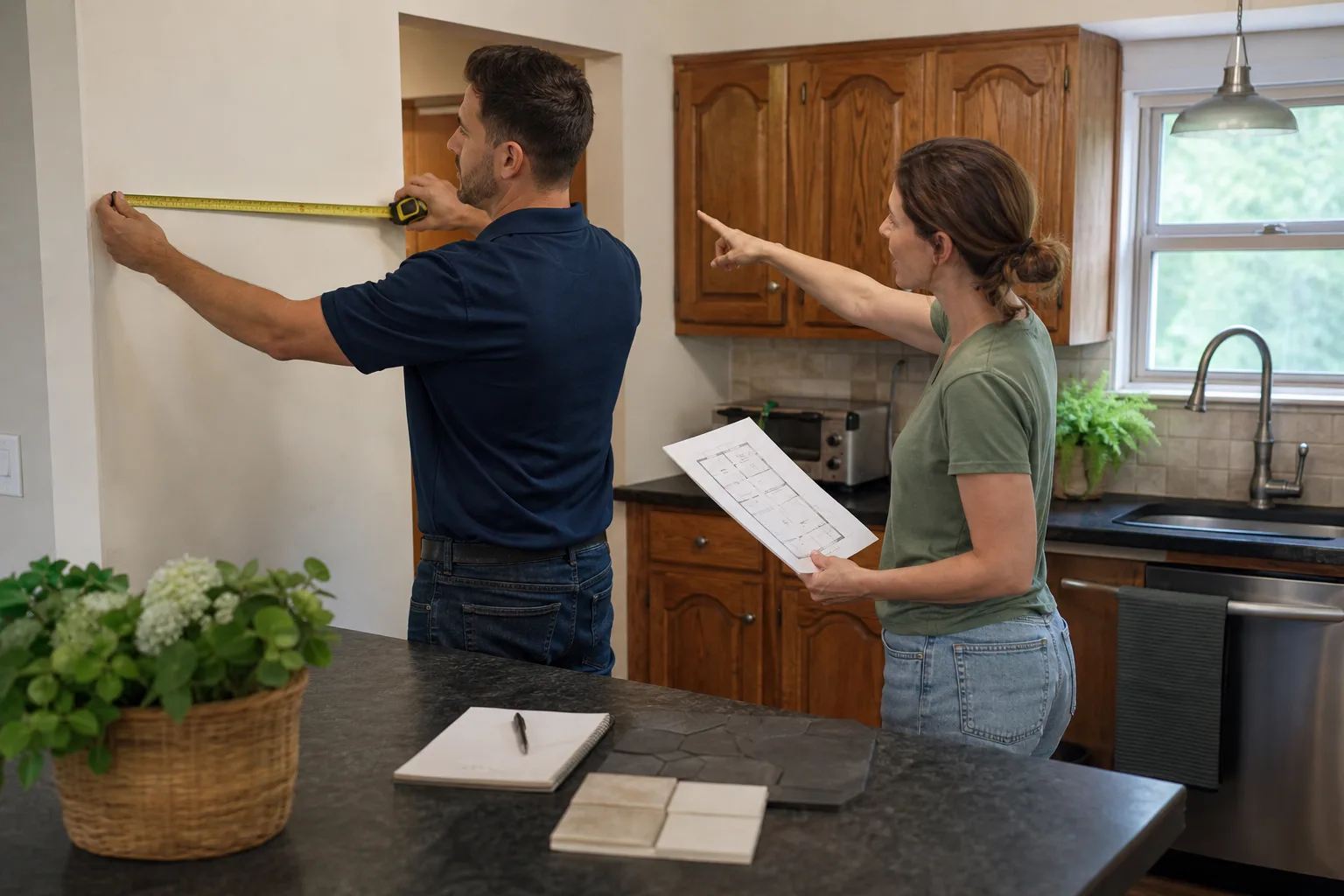
Here’s a scene we know well from our work as a General Contractor in Riverside. A homeowner calls three contractors about a kitchen remodel. Two schedule a site visit. One says, “Kitchens like yours usually run about $45,000” and asks for a decision by Friday. That third contractor has just told you two things without realizing it: they don’t measure before pricing, and they’re comfortable with numbers that aren’t backed by anything in writing.
A verbal price before a site walk is a conversational tool, not a construction estimate. Real pricing requires seeing the room. Ceiling height, soffit depth, plumbing rough-in locations, and electrical panel capacity all move the number. In Riverside, where housing stock ranges from 1920s Mission Revival bungalows in the Wood Streets to 1990s tract homes in Orangecrest, the structural conditions behind the walls vary enough that no honest contractor would commit to a price before looking behind them.
Here’s what disciplined pricing behavior looks like on a first call:
- The contractor asks about the year the home was built and whether you know of any previous remodel work
- They schedule a site walk before giving any dollar figure
- They volunteer that all pricing will be written, with a scope document attached
- They ask about your material preferences, because countertop and cabinet selections move a kitchen budget by thousands of dollars
Red flags include any of these:
- A price given over the phone for work they haven’t seen
- A quote that expires in days, with pressure language attached
- A cash discount offer that avoids a paper trail
- An “estimate” that arrives in a text message rather than a document
Bradford Remodeling Co Riverside puts a written price before any work starts, every time. No numbers move at the door. The discipline of writing the number down is the same discipline that keeps a job site organized and a schedule honest.
The Proposal Document: Six Omissions That Predict Trouble
When you receive a written proposal, the most important thing you can do is check for what’s missing. We review dozens of competitor proposals each year when homeowners bring them to us after a bad experience, and the pattern is consistent. Problem contractors don’t omit details randomly. They omit the details that would create legal accountability.
Here are the six omissions we see most often in Riverside, and what each one tells you:
1. No CSLB License Number on the Document
California requires every contractor to display their license number on all contracts, bids, and advertising. If the number isn’t on the proposal, it’s not an oversight. You can verify any CSLB number at the Contractors State License Board website in under two minutes. A proposal without a license number is a proposal from someone who doesn’t want you to check.
2. No Classification Listed
California license classifications matter. A B-General Building license allows a contractor to frame, rough-in, and complete a remodel. A C-54 Tile license allows tile work only. Some contractors in Riverside hold specialty licenses and quietly take on jobs outside their classification. The proposal should state the classification. If it says “licensed contractor” without specifying the class, ask directly: “What classification do you hold?” A General B holder answers without hesitation.
3. Lump-Sum Pricing With No Line Items
A proposal that says “Kitchen remodel: $52,000” with nothing behind it is a blank check with a number on it. Line items matter because they define what you’re buying. Cabinets, countertops, plumbing fixtures, electrical work, flooring, and labor should each have a line or a clearly bounded allowance. Without line items, there’s no way to know whether your quote includes undermount sinks or drop-in, solid surface or laminate, permits or no permits.
4. No Permit Line Item
In Riverside, a kitchen remodel that moves plumbing or electrical requires permits from the City of Riverside’s Building and Safety Division. A legitimate proposal includes a line for permit fees and the cost of coordinating inspections. A proposal with no permit line means one of two things: the contractor priced permits into overhead without saying so, or the contractor doesn’t intend to pull them. Either way, the omission is intentional.
5. No Payment Schedule Defined by Milestones
Under California law, a contractor working under a Home Improvement Contract cannot collect more than 10% or $1,000 from you, whichever is less, before work begins. After that, payments must be tied to completed work, not to dates on a calendar. A proposal that says “50% due at contract signing” is illegal. A proposal with a schedule of “25% at demo, 25% at rough-in, 25% at cabinet install, 25% at final walk” is legal and disciplined. The difference tells you whether a contractor plans to work for your money or collect it early.
6. No Signature Block for the Contractor
This one sounds administrative, but it matters. A proposal without a signature line for the contractor is often a template pulled from the internet with the company name swapped in. A legitimate contractor in Riverside signs their proposals, because the proposal becomes the contract when you sign it.
If you’d like to see what a complete proposal looks like, our Home Remodeling in Riverside process includes a written scope document with line items for every phase, every material allowance, and every permit before we ask for a signature.
The 60-Second Permit Knowledge Test
You don’t need to become a code expert to test a contractor’s permit discipline. You need two questions. Ask them on the first call or during the site walk, and listen to how the contractor answers. The quality of the answer tells you more about their intentions than anything else in the conversation.
The Two Questions
- “Will this project require permits, and if so, which ones?”
- “Who will pull them, and when in the schedule will that happen?”
What a Disciplined Answer Sounds Like
A contractor who operates by the book answers the first question specifically. For a Riverside kitchen remodel that moves a sink or cooktop, the answer is: “Yes, a building permit for the structural and plumbing work, an electrical permit if we’re touching circuits, and possibly a mechanical permit if the hood or HVAC moves. The City of Riverside Building and Safety Division processes them. I’ll pull them under my license, and they’ll be posted on the job site before work begins.”
The second question should get a similar answer: “We pull permits after the contract is signed and the deposit is processed. It usually takes one to three weeks for Riverside to issue them. Demolition doesn’t start until the permit card is posted.”
What a Problem Answer Sounds Like
Here are actual responses we’ve heard Riverside homeowners describe:
- “We can pull permits if you want them, but it’ll add time and money.” (Translation: the contractor prices jobs without permits by default.)
- “This project is small enough that we don’t need them.” (Translation: this person is not prepared to put that in writing, because it’s false.)
- “The city won’t even inspect this kind of work.” (Translation: the contractor has never called the city to ask.)
- “We’ll handle permits later, after demo starts, so the schedule doesn’t stall.” (Translation: there will be no permits, and you’ll discover this mid-project.)
A contractor who plans to pull no permits at all rarely says so directly on the first call. They answer around the question. They change the subject to timeline or materials. They imply that permits are an optional bureaucratic inconvenience. The giveaway is that they never commit to pulling them under their own license, on their own schedule, before work begins.
Permits aren’t an inconvenience. They’re the mechanism by which Riverside verifies that your remodel meets current building codes for safety, structure, and habitability. Unpermitted work can block a future home sale and gives the homeowner no inspection record if something fails later. Every job we do as a Kitchen Remodeling in Riverside contractor includes permits pulled under our license, with inspections passed before we consider the project complete. It’s not a line item we ask you to opt into. It’s how the job is scoped.
Payment Schedule Red Flags Under California Law
California Business and Professions Code Section 7159 is specific about deposits on home improvement contracts. A contractor cannot ask for or accept more than 10% of the total contract price or $1,000, whichever is less, before work begins. This is state law, not a guideline. Any contractor in Riverside who asks for more is either unaware of the law or betting that you are.
Here’s how that plays out on real numbers. If your contract is $68,000, the legal maximum deposit is $1,000, because 10% would be $6,800 and the law caps it at the lower figure. If your contract is $8,000, the legal maximum deposit is $800, because 10% is less than $1,000. The “whichever is less” language trips up a lot of homeowners, and a lot of contractors pretend not to know it.
Payment schedule red flags to watch for:
- A request for 30%, 40%, or 50% as a “mobilization fee” before any materials are ordered or work begins
- A schedule that ties payments to calendar dates rather than completed milestones (“first payment on the 1st of next month” with no corresponding completion)
- A contractor who offers a discount for paying the full contract amount upfront
- A contractor who asks for cash payments that aren’t recorded in the written contract
- A change order process that requires payment before the changed work is approved in writing
A disciplined payment schedule in Riverside typically looks like this: a deposit of $1,000 or less, then milestone payments tied to specific, verifiable completions. Our General Contractor Maintenance Checklist for Riverside Homeowners covers how to verify these milestones. Demo complete. Rough-in inspected. Cabinets installed. Final walk-through signed off. Each payment corresponds to work you can see with your own eyes, not a date on a calendar.
We write the payment schedule into every Bradford Remodeling Co Riverside proposal as line items with dollar amounts, tied to milestones. You’ll never be asked for more than the law allows, and the numbers don’t move once the contract is signed.
On-Site Warning Signs Once Work Starts
The red flags don’t stop when the contract is signed. Here are the on-site signals we tell Riverside homeowners to watch for during the first week of any project, because the first week tends to reveal how the rest of the job will run.
No Posted Permit Card
Riverside requires the permit card to be posted visibly at the job site before work begins. If you walk by the site on day one and there’s no card in the window or on the front door, that’s a problem. The contractor told you permits were pulled. The card is the proof. Ask to see it. If there’s an explanation for why it isn’t posted, there’s a problem behind the explanation.
Subcontractors Who Don’t Know the GC’s Name
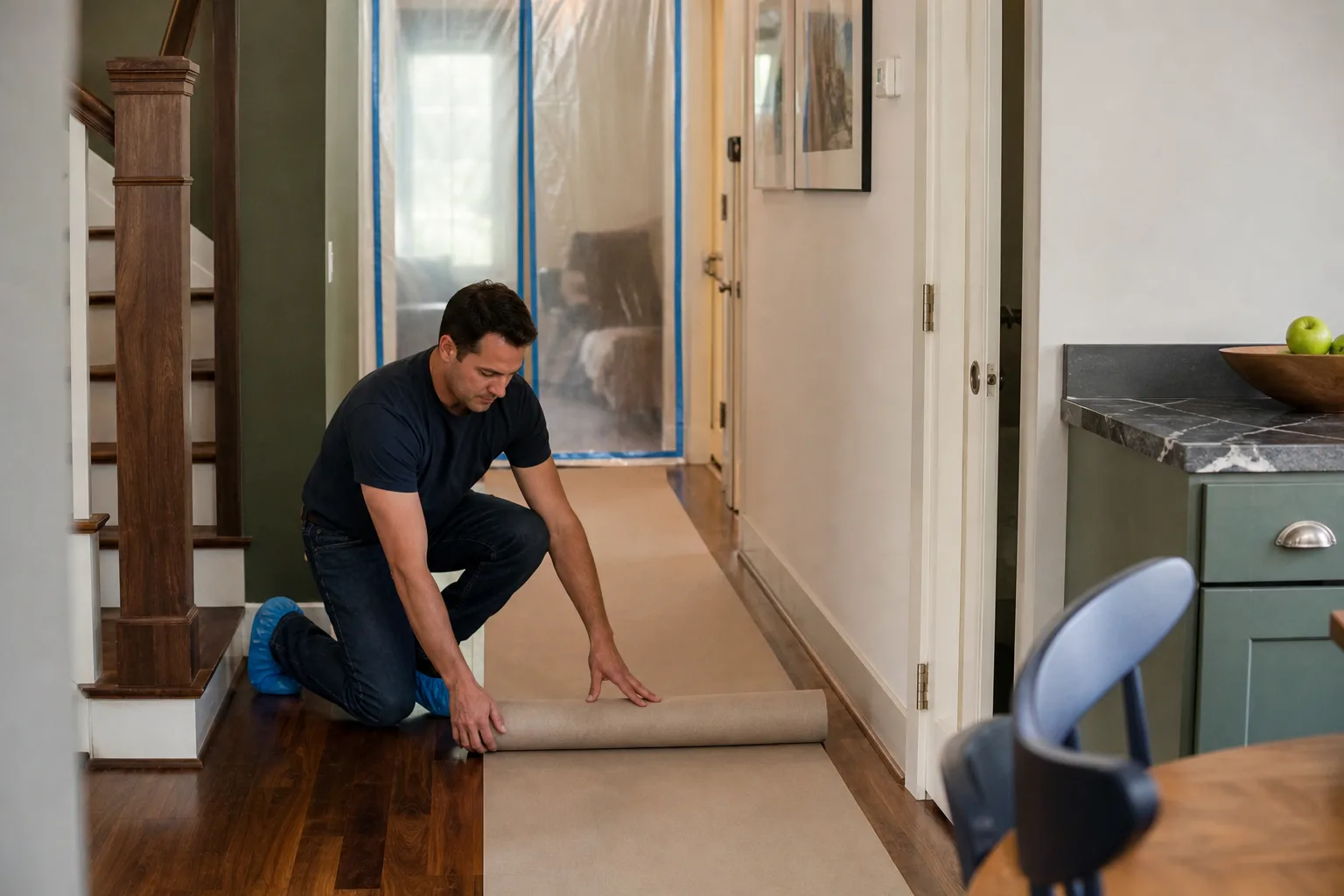
You should know who is walking through your door before the crew arrives. At Bradford Remodeling Co Riverside, every technician is background-checked and uniformed, and we tell you who’s coming and when. If a subcontractor shows up at your home and can’t tell you which general contractor sent them, the general contractor isn’t managing the job. They’re brokering it and hoping the pieces hold together. Ask any unfamiliar person on site two questions: “Who’s the general contractor on this job?” and “Do you have a supervisor’s phone number?” A managed crew answers both.
Materials That Don’t Match the Spec Sheet
Your contract should list specific materials by brand and model. Blanco, Delta, American Standard, and Toto are the names we commonly spec for Riverside remodels because their manufacturer warranties and specs are documented, and because our installers know exactly how those fixtures perform. When a different brand shows up on the truck, ask why before it’s installed. Sometimes there’s a legitimate substitution with a documented approval. More often, a contractor bought whatever was on sale and hoped you wouldn’t notice. Once a fixture is installed, it’s harder to reject. Check the materials before they go in, not after.
Days of No Work With No Communication
Every remodel has pauses: inspections, material delivery windows, drywall mud drying. A disciplined contractor tells you when the pause is coming and why. A problem contractor goes silent and waits for you to call. In our experience, a Riverside homeowner should never go more than two business days during active construction without hearing from the GC about what’s happening and what’s next. Silence is the early warning sign of a job that’s lost its scheduling discipline.
How to Document Concerns in Writing Without Stopping the Job
When something looks wrong mid-project, the instinct is to either ignore it to keep the peace or confront it verbally and hope for the best. Both approaches create problems later. What you need is a written record, created in real time, that preserves your legal options without turning a solvable issue into a standoff.
Here’s a documented process we recommend to Riverside homeowners, based on what we’ve seen work in dispute resolution:
- Take a photo immediately. Whatever the issue is: a misdelivered material, a wall opened farther than the plan showed, a missed inspection. Date-stamped photos are evidence that doesn’t rely on anyone’s memory.
- Send an email to the contractor the same day. Keep it factual and short. State what you observed, what you expected per the contract, and what you’re asking for. “This morning I saw that the countertop delivered is a Grade B laminate, but our contract specifies Cambria quartz for the island. Please confirm in writing when the correct slab will be ordered.” That’s it. No emotion, no threats, no phone call instead of email.
- Request a written response. End your email with a direct ask: “Please reply to this email with the correction schedule.” A contractor who won’t put a correction in writing is a contractor who plans to argue about it later.
- Save every communication. Create a folder for the project. Keep contracts, change orders, emails, photos, and texts in one place. If the project goes sideways, this folder is what your attorney will ask for first.
- Escalate in writing if the issue repeats. One documented issue with a written correction is a normal part of construction. The same issue three times with no written response is a pattern. At that point, send a formal letter stating the contract sections in question, the history of the issue, and the deadline for correction.
Not every concern warrants stopping the job. In fact, stopping work without cause can put you in breach of contract. What you’re doing with written documentation is preserving your position while work continues. If the issues pile up and you need to terminate, or if you end up in front of the CSLB or a court, the written record is what determines the outcome. Verbal agreements are worth the paper they’re printed on, which is none. Written agreements are what hold.
Riverside-Specific Considerations: Climate, Code, and Market Pressure
Riverside’s construction market has its own pressures, and the warning signs in this guide play out differently here than they would in a coastal city. Three factors matter for every homeowner evaluating a contractor in Riverside.
Climate: Heat and Soil Movement
Riverside’s inland climate produces two construction realities that out-of-town contractors often underestimate. First, summer temperatures routinely exceed 100 degrees, which affects exterior work schedules, paint and sealant curing, and the comfort of crews working in unconditioned spaces. A contractor who schedules exterior painting for August in Riverside and doesn’t mention heat-adjusted curing times isn’t thinking about the local climate. Second, the expansive clay soils common in parts of Riverside move with moisture changes, which is why foundation cracking and door alignment issues appear gradually in older homes. A contractor who blames every crack on “normal settling” without looking at your drainage may be telling you a convenient story. The real question is whether water is pooling against your foundation. We’ve seen it in neighborhoods across Riverside: the fix is drainage, not a new foundation.
Code: Riverside’s Inspection Process
The City of Riverside Building and Safety Division inspects permitted work at defined stages: foundation, framing, rough-in for plumbing and electrical, insulation, and final. Each inspection must be scheduled and passed before work in that phase can be covered up. A contractor who wants to “keep moving” past an inspection milestone is asking you to accept work that can’t be verified once drywall goes over it. In Riverside, that’s not a scheduling preference. It’s a code violation. Your inspector is the only party on the job site whose entire job is protecting your interests. Every one of our projects in Riverside passes inspection before the next phase closes.
Market Pressure: Quick Bids From Out-of-Town Contractors
Riverside sits close enough to Los Angeles, Orange County, and the Inland Empire trade hubs that contractors travel here for work when their home markets slow down. There’s nothing inherently wrong with an out-of-town contractor. But verify their CSLB license address and ask how they’ll handle inspections, change orders, and the one-year corrections window that comes with a real guarantee. A contractor who lives 90 minutes away and won’t commit to a written one-year warranty has told you what their follow-up will look like: whatever is convenient for them, not what’s required by the contract.
At Bradford Remodeling Co Riverside home, we work in Riverside neighborhoods from the Wood Streets to Orangecrest to Canyon Crest, and we’ve been doing it under The Garrison Standard since 2004. Every price in writing. Every project permitted. Every completed job covered by the 365-Day Done Right Promise, with a signed written guarantee in the homeowner’s hand at job close.
Common Mistakes to Avoid
- Accepting a verbal price. If it isn’t written, it doesn’t exist. A contractor who won’t put a number on paper is a contractor who plans to move it later. In Riverside, where a kitchen remodel commonly runs from the high five figures into the low six figures depending on scope and materials, a verbal number has no more legal weight than a handshake.
- Skipping the CSLB check. It takes less than five minutes at cslb.ca.gov. A contractor who isn’t there, or whose classification doesn’t match the work they’re bidding, should be eliminated immediately. This is the cheapest insurance you will ever buy on a remodel.
- Paying more than 10% or $1,000 down. If a contractor asks for more than the legal maximum deposit on a Home Improvement Contract, they have either not read the law or decided it doesn’t apply to them. Either way, you don’t want them holding your money.
- Signing a contract without a line-item materials list. “Premium fixtures throughout” means nothing. Blanco, Delta, American Standard, and Toto are real brands with real specs and real prices. If the contract doesn’t name the fixtures, you will get whatever the contractor’s supply house had on sale.
- Ignoring the permit conversation. In Riverside, unpermitted work can sit undiscovered for years, then surface during a sale or an insurance claim and become a liability you have to fix at your own expense. Ask the two permit questions from this guide, and don’t accept answers that dodge them.
- Not documenting concerns in writing. A verbal complaint disappears. An email with a photo and a written request for correction becomes part of the record. If the project goes into dispute, the homeowner with documentation wins. The homeowner who trusted the contractor’s word loses. We’ve seen both outcomes in Riverside.
- Choosing the lowest bid without comparing scope. Two “kitchen remodel” bids from two contractors are rarely the same project. Compare line items, material allowances, and permit inclusion before comparing the total. A $12,000 difference usually isn’t profit. It’s scope.
See the difference
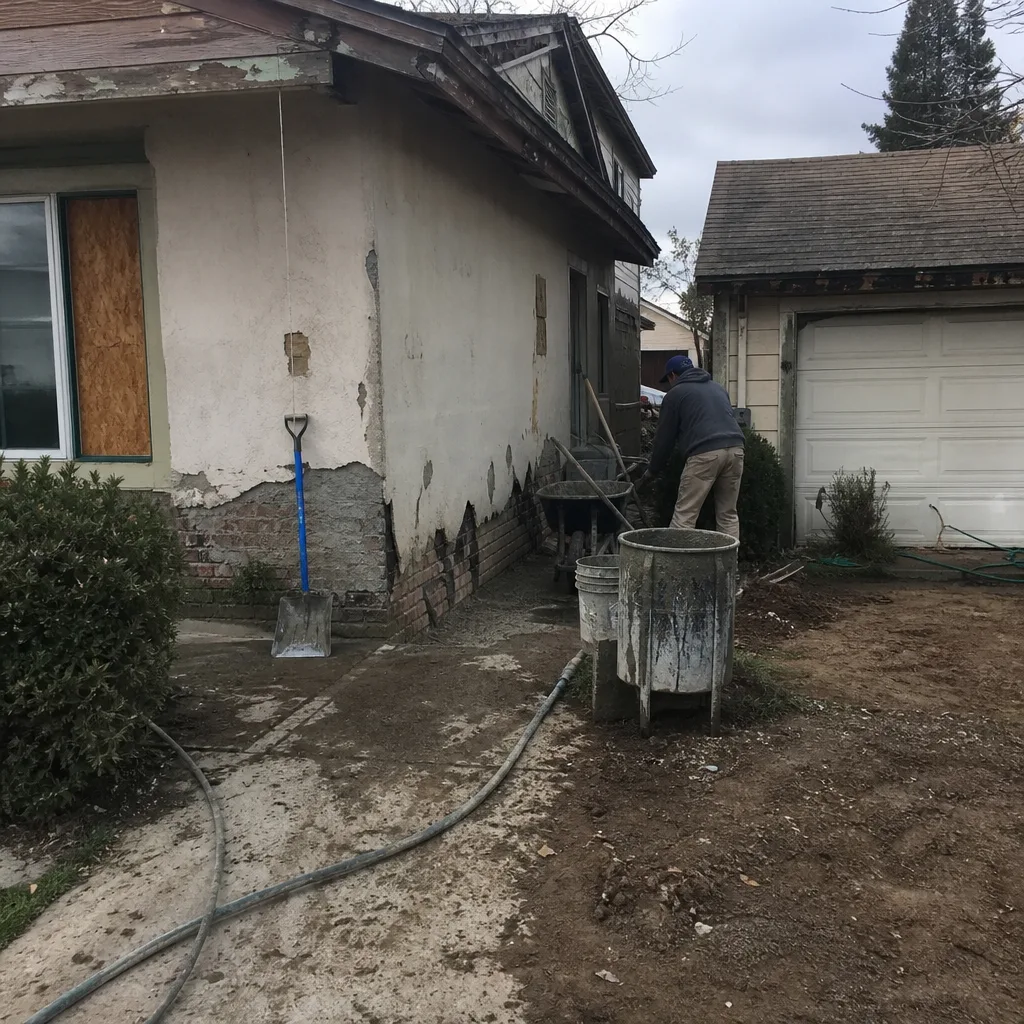 Before
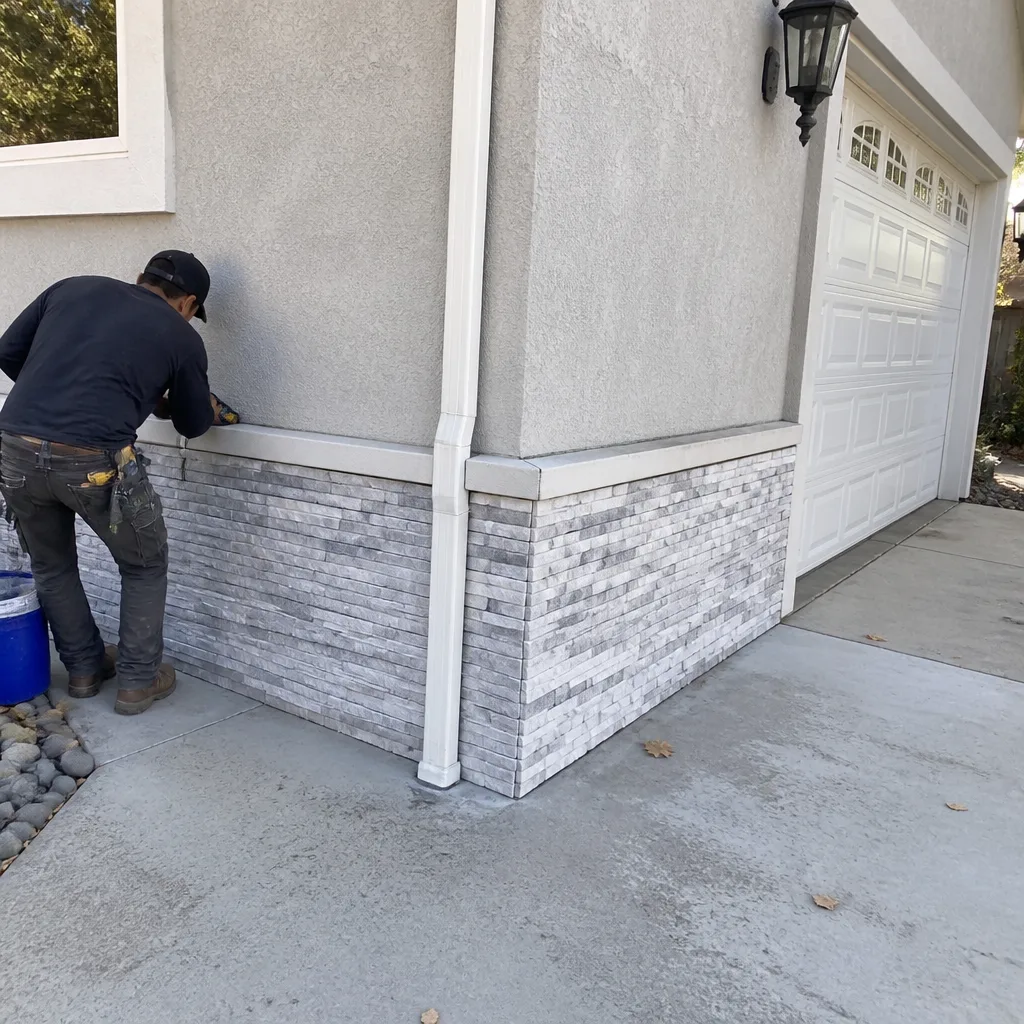 After
After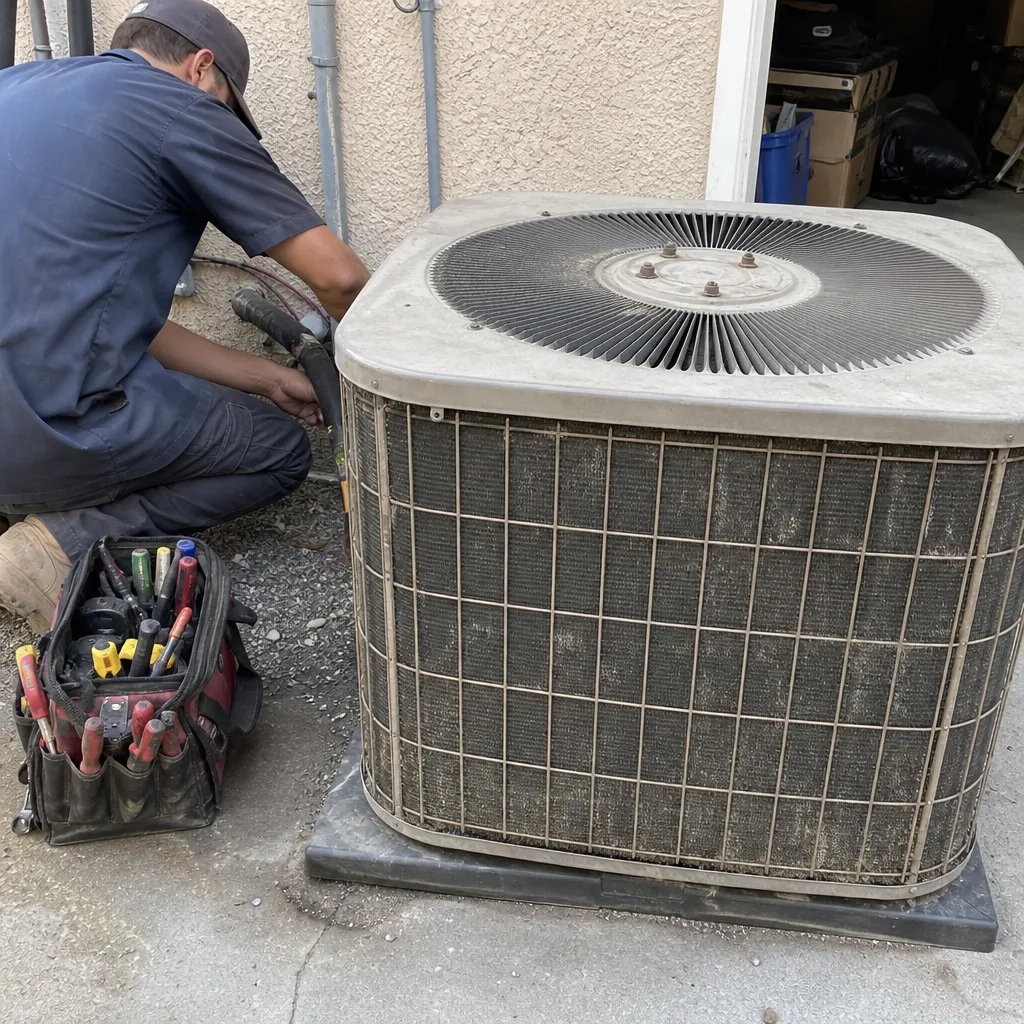 Before
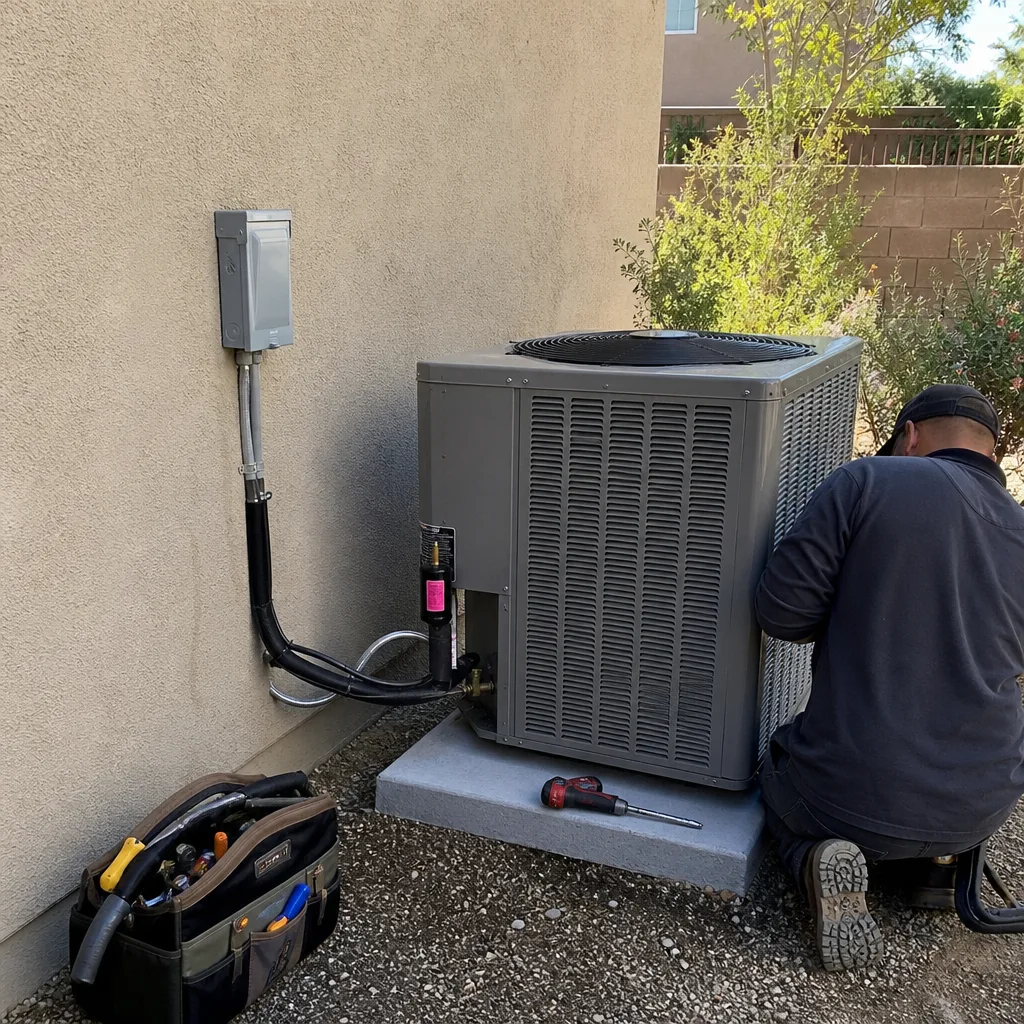 After
After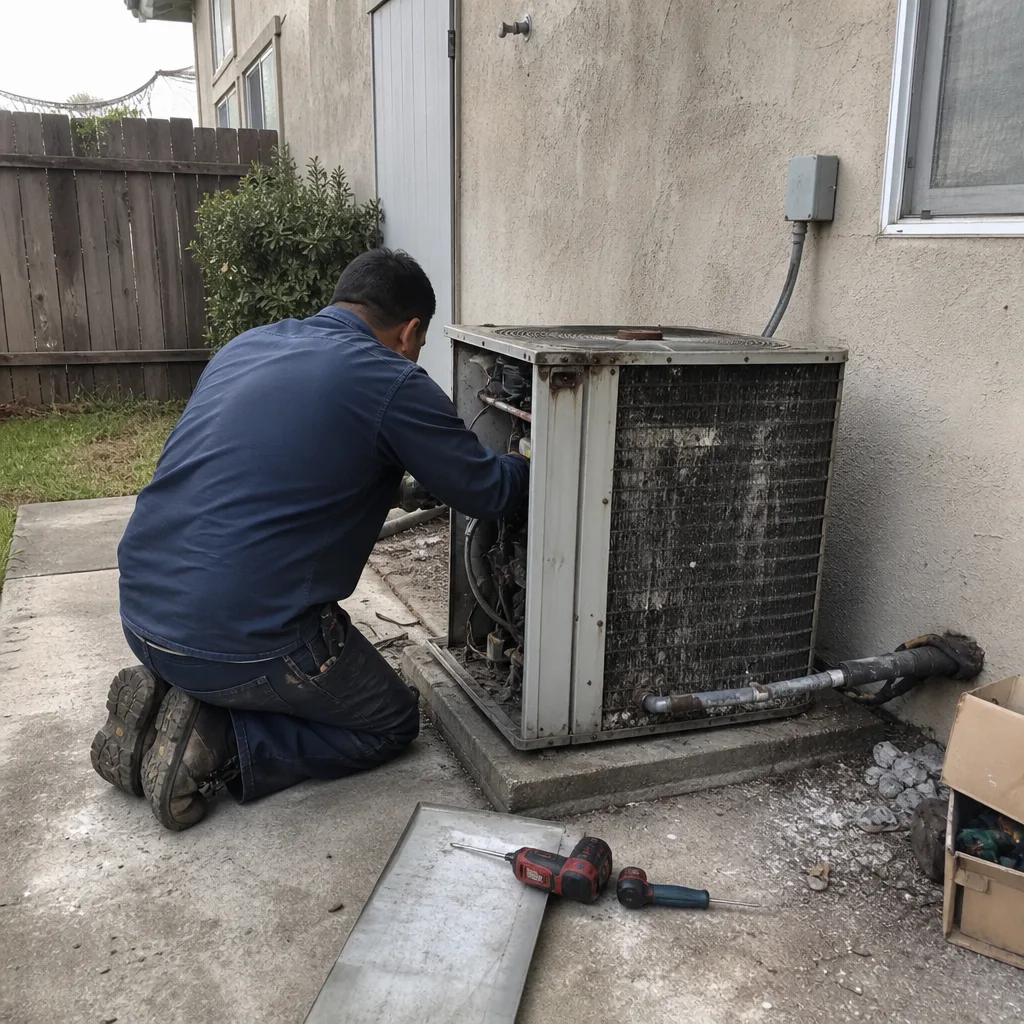 Before
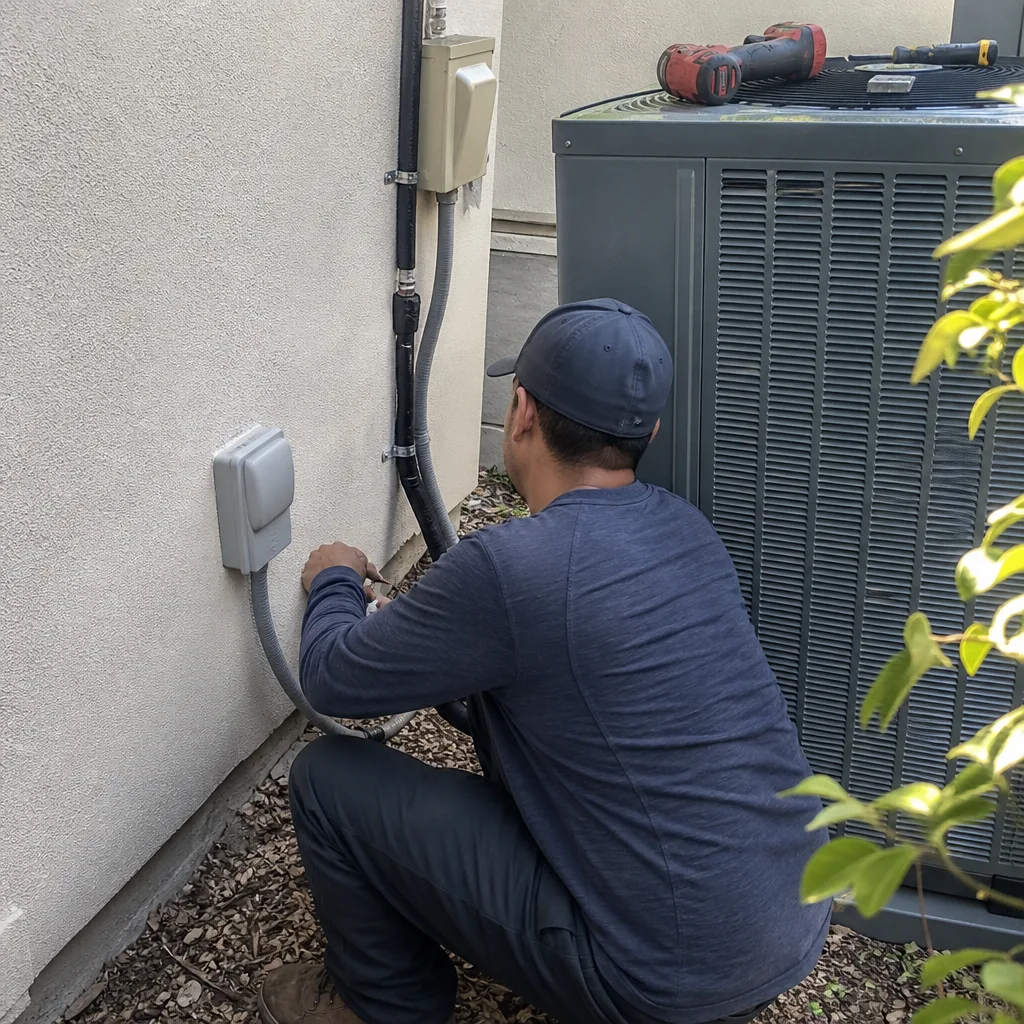 After
AfterWhen to Call a Professional
Some situations don’t allow for a slow evaluation process. If you’ve already signed with a contractor and discovered that permits weren’t pulled after work began, if you’ve paid more than the legal deposit and can’t get the contractor to show up, or if you’ve found structural problems that were clearly concealed behind new finishes, the time for guide-reading is over. Stop work if you can legally do so, gather the written documentation this guide describes, and contact the CSLB. If you’re still in the evaluation phase and want to see what a by-the-book proposal looks like, Bradford Remodeling Co Riverside offers free estimates in Riverside with every price in writing before any work starts. You can also browse more guides & resources on hiring and managing contractors. Call (424) 567-8472 to schedule a site walk, and we’ll show you exactly what a complete, line-itemed, permit-inclusive proposal looks like.
Frequently Asked Questions

The maximum deposit on a Home Improvement Contract in California is 10% of the total contract price or $1,000, whichever is less. Any contractor asking for more is violating Business and Professions Code Section 7159. If a Riverside contractor asks for 30% or 50% down, that request alone is reason to end the conversation. Call (424) 567-8472 if you’d like to discuss a specific proposal.
Yes, most kitchen remodels in Riverside require permits from the City of Riverside Building and Safety Division, especially when plumbing, electrical, or structural work is involved. A contractor who tells you a kitchen remodel doesn’t need permits is not giving you accurate information. Ask for the permit line item in writing before you sign anything.
A legitimate proposal includes the CSLB license number and classification, a line-item breakdown of materials and labor, material allowances by brand, a permit line item, a milestone-based payment schedule, and a signature block for the contractor. Any proposal missing these elements should be questioned before you consider signing. Bradford Remodeling Co Riverside includes all of these in every written proposal.
Visit cslb.ca.gov and enter the contractor’s name or license number. Confirm that the license is active, the classification matches the work being bid, and the name on the license matches the company you’re dealing with. This check takes about five minutes and should be done before you sign any contract in Riverside.
The 365-Day Done Right Promise is Bradford Remodeling’s written guarantee on every completed project. If the work fails within one year of completion, Bradford returns and corrects it at no charge. It’s part of The Garrison Standard, the operating framework behind every Bradford project since 2004. You get the guarantee in writing before the job starts, and you get the signed copy at job close.
Document everything in writing: photos, emails, text messages, and payment records. Then file a complaint with the CSLB, which regulates contractor conduct in California. If the work was permitted, contact the City of Riverside Building and Safety Division as well. The written record you create now will be the basis for any recovery, so don’t rely on phone calls. If you need a second opinion on the state of your project, Bradford Remodeling Co Riverside can assess the site and give you a straight answer on what it will take to finish correctly.
The Bottom Line
The warning signs that predict a bad contractor outcome in Riverside are visible early and repeat across every problem job we’ve documented. Verbal pricing before a site walk. Proposal documents missing license numbers, line items, or permit lines. Deposit requests over the legal maximum. Permit answers that dodge the direct question. Job sites with no posted card and crews who don’t know who’s in charge. Written documentation is the tool that protects you through every phase, and it works best when you start using it on the first call. The Garrison Standard exists because Riverside homeowners kept telling us the same stories about contractors who didn’t show, didn’t write things down, and didn’t stand behind what they built. Our answer is a written price before work starts, permits on every job, and a 365-Day Done Right Promise in writing at the end. Call (424) 567-8472 for a free estimate, and see the difference a disciplined contractor makes before you sign anything.
Written by Curtis Lane, Owner at Bradford Remodeling Co Riverside, serving Riverside since 2004.