Last updated October 16, 2026







Free written scope consultation - allowances, timeline, and change-order rules on paper before a single trade is scheduled
Seasonal Construction Care for Riverside: Year-Round Homeowner’s Guide
Riverside doesn’t get four seasons in the postcard sense. What it gets is wind, heat, dust, and sudden rain – and each one stresses a house differently. The Santa Anas that kick up in October don’t just scatter leaves. They can drive interior humidity down to 8 or 9 percent, which pulls moisture out of wood framing, opens hairline cracks in stucco, and makes caulk joints shrink until they pull away from the surface. Meanwhile, July’s monsoon moisture arrives with enough force to find every one of those gaps. This guide walks through the five stress cycles Riverside homes actually face, paired with the maintenance and repair tasks each one calls for, with cost context from our Construction Cost Breakdown: The Riverside Homeowner’s Reference for 2026. You’ll learn what to check, when to check it, and what it should cost.
Quick Answer
Riverside seasonal home maintenance follows five distinct cycles drawn from The Complete Guide to Construction in Riverside: pre-monsoon hardening (May – June), monsoon response (July – September), Santa Ana wind prep and shrinkage repair (October – December), winter wet-season foundation monitoring (January – March), and early-spring exterior refinishing (April – May). The key to protecting a Riverside home is matching each cycle to the right task: seal gaps before July rain, clear and upsize gutters ahead of monsoon downpours, check ember intrusion points before Santa Ana season, and photograph foundation cracks before the winter rains so you can tell what’s moving and what’s stable.
Styles & brands we work with







Table of Contents
- Pre-Monsoon Hardening: May – June
- Monsoon and Late Summer: July – September
- Santa Ana Season: October – December
- Winter Wet Season: January – March
- Spring Exterior Work: April – May
- Common Mistakes to Avoid
- When to Call a Professional
- Frequently Asked Questions
Pre-Monsoon Hardening: May – June
Riverside sits in a climate where winter rain is predictable and summer rain is not. But when the monsoon pattern sets up in early July, it can drop a half-inch of rain in forty minutes. The ground, baked hard by June heat, doesn’t absorb that water quickly. It sheets off and finds any opening in the building envelope.
This is why pre-monsoon inspections in May and early June matter more than most homeowners think. The task list for these two months is specific:
Exterior caulk inspection points:
- Window perimeter joints – where the frame meets the stucco or siding. In Riverside’s dry heat, acrylic latex caulk loses elasticity within 3-5 years. It develops micro-cracks that don’t leak during light rain but fail under monsoon intensity.
- Door threshold seals – check the sweep and the caulk line under exterior door sills. Riverside dust and heat make rubber sweeps brittle.
- Pipe penetrations – where hose bibs, HVAC linesets, and electrical conduits pass through exterior walls. These are the most common entry points for wind-driven rain.
- Stucco control joints – Riverside homes built before 2000 typically have stucco exteriors. Control joints are designed to let the stucco move, but the caulk in them needs to be inspected every spring.
Flashing inspection:
- Roof-to-wall intersections – step flashing along any wall that meets the roof surface. Look for lifted, rusted, or missing pieces.
- Chimney cricket and counter-flashing – Riverside homes with masonry chimneys need the top seal and counter-flashing checked. Water gets behind the chimney cap and migrates down into the attic.
- Valley flashing – roof valleys carry the most water during a downpour. Debris in the valley keeps water from draining and forces it sideways under shingles.
In our experience, maybe one in four Riverside homes we inspect in May has at least one flashing or caulk gap that would leak during a July monsoon event. The fix is usually under $300. The water damage it prevents is frequently in the thousands. If you’re planning a Home Remodeling in Riverside project, this pre-monsoon check is a smart time to fold exterior sealing into the scope.
Monsoon and Late Summer: July – September
Riverside’s monsoon season is brief, but it tests gutters in a way coastal weather never does. The problem is twofold: rainfall intensity exceeds what standard gutter sizing assumes, and the long dry stretch before it means gutters are loaded with dust, dry leaves, and debris that forms a crust.
Here’s the calculation most homeowners miss. The standard gutter sizing recommendation for most of Southern California is a 5-inch K-style gutter with 2×3-inch downspouts, one downspout per 30-40 linear feet. That works for coastal rainfall rates of about 1 inch per hour. But Inland Empire monsoon cells can deliver 2-3 inches per hour for short bursts. A 5-inch gutter on a long roof run will overflow during that intensity. Water spills over the lip, runs down the fascia, and soaks into the wall sheathing or pools at the foundation.
The correct capacity check for Riverside:
- Measure the roof area draining into each gutter run (length x width of that roof plane).
- For any run draining more than 500 square feet of roof, step up to 6-inch gutters.
- Install 3×4-inch downspouts instead of 2×3-inch on runs over 30 feet.
- Add a downspout mid-run on any gutter longer than 40 feet, even if the original install didn’t have one.
- For two-story sections where upper gutters drain onto lower roof planes, install gutter splash guards and verify the lower gutter’s capacity accounts for the upper roof area too.
Before monsoon season, clean the gutters and downspouts thoroughly. Riverside’s Santa Ana dust storms deposit fine particulate that hardens in the gutter bottom when the first light rain hits. That crust narrows the effective channel. A gutter that looks half-full of debris is effectively at 60 percent capacity even after water starts flowing.
Check the downspout discharge point as well. Every downspout should discharge at least 3 feet from the foundation. In Riverside’s expansive clay soils, concentrated water at the slab edge is a foundation heave risk during wet-dry transitions. For homes with slab foundations, this is cheap insurance. A French drain or simple extension costs $150-$400 per downspout to fix properly, versus thousands for slab repair.
Santa Ana Season: October – December
The Santa Anas put Riverside homes through a specific annual cycle: wind at 30-50 mph with gusts higher, single-digit humidity, and dust. Each of those three stresses hits a different component of the house.
Wind stress on wood framing:
When ambient humidity drops below 10 percent for 72 hours or more, wood framing loses moisture content. Riverside homes with wood-frame construction see measurable shrinkage in this window. Door frames shift slightly. Hardwood floors develop hairline gaps between boards. Interior wall corners and crown molding joints open up. This is normal behavior for wood, but it reveals issues if you know what to look for. A door that sticks only during October-November is telling you the framing has moved. A door that stays stuck after humidity returns in January is telling you something structural has shifted and isn’t coming back. That’s a professional evaluation call, not a plane-the-door job.
Ember intrusion points:
The fire risk during Santa Ana season isn’t just about dry brush. Wind-driven embers travel a mile or more and find their way into homes through specific openings:
- Attic vents – standard 1/4-inch mesh screens block insects but not embers. Upgrade to 1/8-inch or 1/16-inch welded wire mesh on all attic vent openings, including gable vents, soffit vents, and roof ridge vents.
- Garage door bottom seals – a worn seal leaves a gap that lets embers and dust blow straight into the garage. Riverside’s heat and dust accelerate seal wear. Check it every October.
- Under-eave gaps – gaps between fascia boards and rafter tails, or between the stucco line and the eave overhang, are entry points for wind-driven embers. Seal them with caulk or metal flashing.
- Dryer vents and bath fan vents – make sure the exterior flap closes completely. A flap stuck open is a direct channel from the fire zone into the laundry room.
HVAC filter interval during high-particulate events:
Most filter manufacturers recommend changing a standard 1-inch filter every 90 days. That’s wrong for Riverside during Santa Ana season. When winds carry dust and smoke particulates, a MERV 8 or MERV 11 filter loads significantly within 2-3 weeks. A loaded filter increases static pressure on the blower motor, reduces airflow, and drives up energy use. The practical interval during October-December in Riverside is every 30 days for 1-inch filters, or inspect every 30 days for 4-inch media filters and change when visibly loaded. This one habit protects your HVAC system and keeps heating bills in check when wind-driven cold snaps arrive.
Winter Wet Season: January – March
Riverside’s winter rain is the season when foundation issues declare themselves. Most slab foundations in Riverside sit on or near expansive clay soils. Clay expands when wet and contracts when dry. After months of dry heat, the first sustained winter rain causes measurable soil movement, and that movement shows up as new cracks or changes in existing cracks.
The monitoring protocol:
- Walk the perimeter in December, before the wettest months. Look at the stem wall (the exposed concrete between the ground and the start of the stucco or siding).
- Photograph every crack you find, including the floor, the stem wall, the garage slab, and interior drywall over doorways. Use a coin or a tape measure in the photo for scale. Mark the date.
- Measure crack width at the widest point and write it down.
- Walk the same route monthly through March. Photograph the same cracks from the same angle.
- Compare the photos.
Which cracks to fill immediately:
- Hairline cracks in the stem wall that don’t change size between December and March, and don’t show vertical offset. Fill with a polyurethane concrete sealant to stop water intrusion.
- Interior drywall cracks less than 1/16 inch that appear and stay stable. These are typically cosmetic settlement. Tape, mud, and repaint.
Which cracks to photograph, measure, and get evaluated:
- Any crack wider than 1/8 inch.
- Any crack showing vertical offset (one side is visibly higher than the other).
- Cracks running diagonally from the corner of a door or window frame.
- Cracks in the garage slab that align with cracks in the stem wall outside.
If a crack changes between December and March, the soil is moving under that part of the slab. That’s not a caulk-and-paint situation. A structural evaluation runs $500-$1,500 in Riverside, and it tells you whether you’re dealing with normal seasonal movement or a drainage problem that needs correction. Ignoring it doesn’t stop the movement; it just lets the repair scope grow. Homeowners who call us about foundation-linked General Contractor in Riverside projects are almost always glad they documented the crack progression early.
Spring Exterior Work: April – May
Riverside’s spring paint and deck refinishing window is narrower than most homeowners think, and it’s driven by two numbers: the UV index and overnight dew point.
From April through May, Riverside sees UV index values of 8-10 on clear days. That means surface temperatures on south- and west-facing walls can hit 140°F by afternoon, even when air temperature is in the 80s. Most exterior paints and deck stains have application temperature limits printed on the can: typically between 50°F and 90°F surface temperature. When you apply paint to a surface above that limit, the carrier evaporates too fast, the film doesn’t adhere properly, and the paint fails within 1-2 seasons instead of 8-10.
The correct sequence for Riverside exterior painting:
- Start in April, not May. You want morning application temperatures between 60°F and 80°F.
- Work the east and north sides early. These sides warm up later. Paint them from 8am to 11am.
- Switch to west and south sides in the late afternoon when they’re in shade, usually after 4pm.
- Allow 2-3 dry days between coats on high-sun surfaces, not the 4-6 hours on the can. This lets the film cure fully before the next coat goes on.
- Check the dew point overnight. If morning dew is heavy, wait until the surface is completely dry before painting. Trapped moisture under paint causes blistering.
Deck refinishing has the same UV problem with an addition:
Riverside deck surfaces hit 150°F+ in direct April sun. Oil-based stains and penetrating sealers actually benefit from warm, dry wood because they absorb deeper. But water-based acrylic deck coatings will flash-dry in minutes on a hot deck and won’t bond. For Riverside decks, oil-based penetrants or hybrid oil-modified stains are the practical choice for DIY and professional application alike. Apply in the morning, let the wood absorb for 20-30 minutes, then wipe the excess. Two thin coats beat one thick one, with 24 hours between coats.
For larger exterior refinishing scopes, this is where a structured Kitchen Remodeling in Riverside project can also benefit from having a written scope. Bradford Remodeling Co Riverside applies the same documentation discipline to exterior work that we do to full remodels: a written price before any work starts, a scheduled sequence, and a signed written guarantee at close.
Common Mistakes to Avoid
- Following generic online maintenance calendars written for New England or the Midwest. Riverside’s wear patterns are driven by wind, UV, and expanding clay soil, not frost heave and ice dams. A maintenance checklist written for Chicago tells you to winterize sprinklers in September. Riverside sprinkler lines don’t need blowout until December, if at all, and the bigger risk is blown-out caulk joints.
- Waiting until after the first monsoon rain to check gutters. By the time water is spilling over the fascia, the damage has started. Pre-monsoon gutter work is half the cost of post-leak repair.
- Ignoring small stucco cracks because they’re “just cosmetic.” In Riverside’s wet-dry cycle, small cracks become water channels over time. A 1/16-inch stucco crack that goes unsealed through two monsoon seasons will widen and allow water behind the stucco, which leads to eventual re-stucco or sheathing replacement.
- Applying exterior paint in May or June because “it’s perfect painting weather.” It’s warm and dry, but surface temperatures are routinely above manufacturer limits. Spring painting in Riverside should be wrapped by mid-May on sunny walls, or scheduled for morning-only work.
- Treating every foundation crack as an emergency. Hairline, stable cracks are normal in Riverside clay soil. Overreacting gets you unnecessary repair bills. But ignoring a crack that’s actively widening means a $1,000 drainage fix becomes a $15,000 slab repair.
- Neglecting the HVAC filter during Santa Ana season. Dust load during wind events shortens filter life to weeks, not months. A clogged filter is the top cause of blower motor failure we see in Riverside homes.
- Using standard coastal gutter sizing for a Riverside home. The Inland Empire sees higher rain intensity during monsoon events than coastal cities do. Undersized gutters on a 2,000+ square foot Riverside home will overflow during a heavy July downpour and dump water at the foundation line.
When to Call a Professional
Call a licensed professional when you find active foundation movement, when flashing failures require roof access beyond your comfort level, when ember-proofing requires attic vent upgrades you can’t safely reach, or when pre-monsoon inspection reveals multiple failing caulk joints across the exterior-especially if you’re unsure about Construction Permits, Codes & Inspections in CA: What You Need to Know. Water intrusion left unaddressed through one Riverside wet season costs more to remediate than the repair itself. Bradford Remodeling Co Riverside offers free estimates in Riverside – call (424) 567-8472. We’ll walk the property with you, put the findings in writing, and give you a fixed price before any work starts. That’s how The Garrison Standard operates: no door-price changes, no scope surprises, and a signed written guarantee at close.
Frequently Asked Questions
Expect to spend $400-$900 per year for the preventive work described in this guide: caulk and flashing repair ($150-$400), gutter cleaning and downspout extension ($100-$300), HVAC filter replacement through Santa Ana season ($40-$80), and a foundation crack-monitoring session ($0 if you do it yourself with a camera and tape measure). See more guides & resources for deeper dives on each task. More involved work like 6-inch gutter installation runs $8-$12 per linear foot, attic vent ember-proofing runs $300-$700 for most single-story Riverside homes, and structural evaluation of concerning foundation cracks runs $500-$1,500. Call (424) 567-8472 for an exact quote on the scope that applies to your home – estimates are free.
October through December (Santa Ana season) and July through August (monsoon season) generate the most damage per week. Santa Ana winds create ember intrusion risk and interior shrinkage cracks, while monsoon downpours expose every gap in the exterior envelope. Smart homeowners do their prevention work in May, June, and early October.
If any gutter run drains more than 500 square feet of roof area, yes. Riverside monsoon rainfall intensity of 2-3 inches per hour exceeds the capacity of standard 5-inch K-style gutters on larger roof planes. We recommend measuring your roof runs before monsoon season and upsizing where the math says you’re marginal. Call (424) 567-8472 and we’ll do the calculation for you during a free estimate visit.
Every 30 days for standard 1-inch filters during October through December, regardless of what the filter packaging says. Wind-driven dust and smoke particles load MERV 8 and MERV 11 filters within 2-3 weeks of a major wind event. A loaded filter strains the blower motor and drives up heating costs, which is the exact connection most homeowners miss between October Santa Anas and February energy bills.
April, with the caveat that application should happen in the morning on east and north walls and late afternoon on west and south walls. Surface temperature, not air temperature, controls whether paint bonds correctly. A south-facing Riverside wall in full sun at 2pm in May is often 130-140°F, which is above the 90°F surface limit on most exterior paint cans.
Photograph it with a scale reference, measure the widest point with a ruler, write down the measurement and date, and repeat monthly through March. If the crack is hairline, stable, and shows no vertical offset after three months, apply polyurethane concrete sealant and monitor annually. If it’s wider than 1/8 inch, shows vertical offset, or changes between readings, call a professional for a structural evaluation. Don’t fill an actively moving crack – you need to correct the drainage or soil issue first. Call (424) 567-8472 for a free assessment.
The Bottom Line

Riverside homes fail on a schedule, and that schedule is set by wind, heat, dust, and sudden rain – not by a generic four-season calendar. The house that gets its caulk joints sealed in May, its gutters checked in June, its ember points hardened in October, and its foundation cracks photographed in December is a house that avoids the expensive surprises. The house that waits for the leak, the overflow, or the crack to announce itself pays double for every fix. Print out the checklist that applies to your home, schedule the tasks in the right window, and document what you find. For any of it, Bradford Remodeling Co Riverside offers free estimates and puts every price in writing before work begins – call (424) 567-8472 or stop by Bradford Remodeling Co Riverside home to see how we hold ourselves to The Garrison Standard.
Written by Curtis Lane, Owner at Bradford Remodeling Co Riverside, serving Riverside since 2004.
See the difference
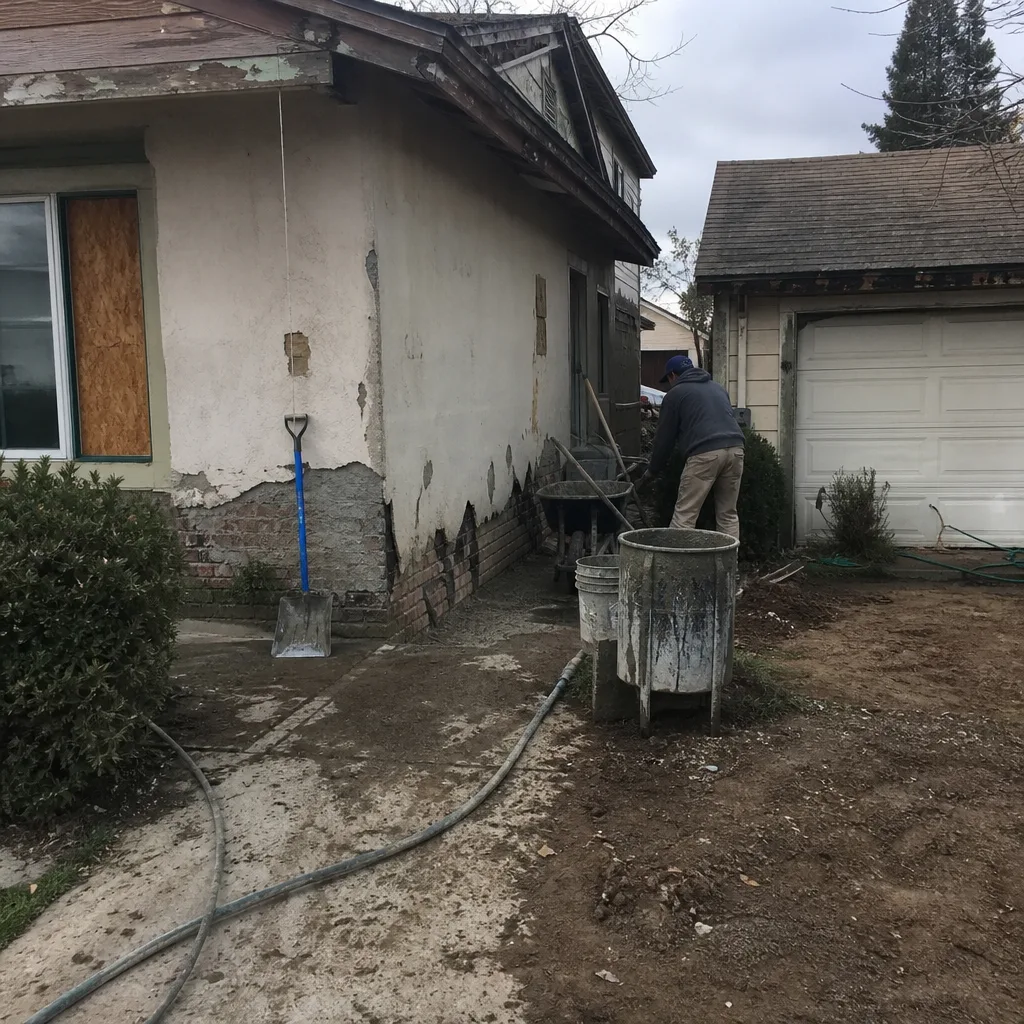 Before
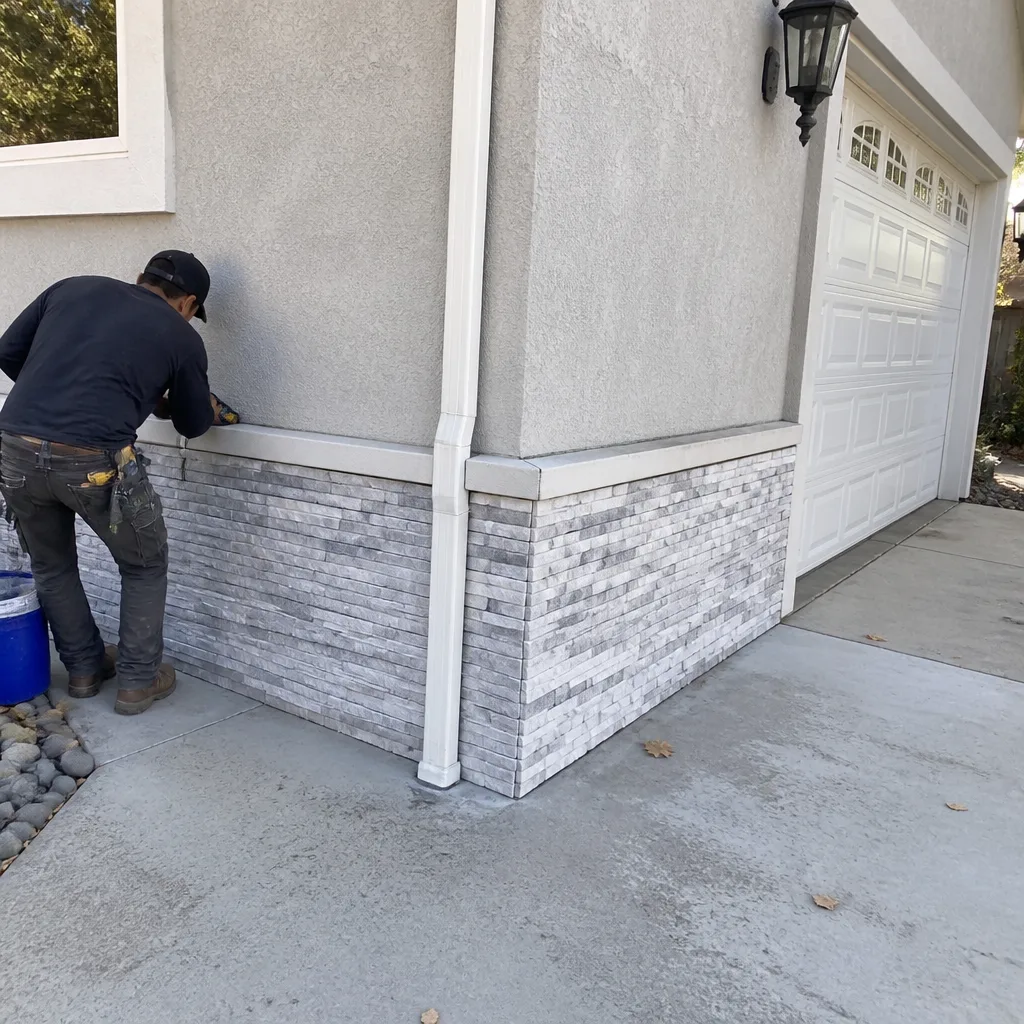 After
After Before
 After
After Before
 After
After