Last updated October 16, 2026



Free written scope consultation - allowances, timeline, and change-order rules on paper before a single trade is scheduled
DIY vs Professional Construction: The Riverside Homeowner’s Decision Guide
California Business and Professions Code Section 7044 lets you build or improve your own Riverside home without a contractor’s license. What it doesn’t tell you, at least not in the fine print most people skip, is that the exemption evaporates if you sell within five years and a buyer can show you brought in unlicensed help. Most DIY-versus-hire guides start with “how handy are you?” This one starts with the legal line, because in Riverside that line determines everything else: what you can pull a permit for, whether your insurance covers the work, and what happens when the inspector asks who actually did the electrical. By the end, you’ll know exactly which projects you can legally self-perform, what they’ll really cost, and where a licensed contractor is not a preference but a requirement.
Quick Answer
DIY makes sense for finish-level work that requires no permit: painting, trim, flooring, cabinet hardware, and similar surface trades. Anything that touches structure, electrical panels, gas lines, HVAC, or load-bearing walls in Riverside legally points to a licensed contractor, and California’s owner-builder exemption does not change that, regardless of skill level or YouTube confidence. The real question is not “can I do this?” but “does the permit office, my insurer, and a future buyer recognize the work as legitimate?”
Styles & brands we work with



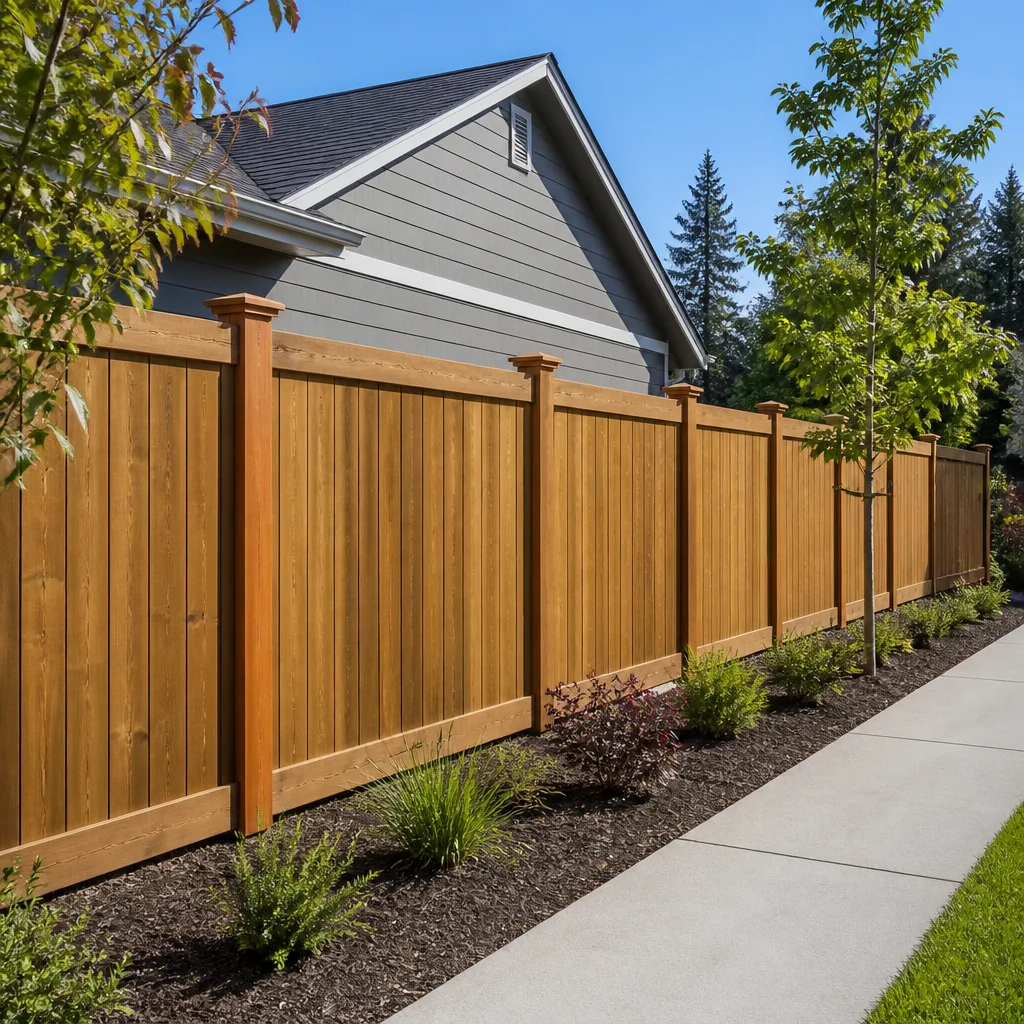
Table of Contents
- California’s Owner-Builder Exemption: What It Actually Covers
- Which Trades Require a Licensed Contractor in California, No Exceptions
- Insurance Exposure: What Your Homeowner’s Policy Won’t Cover
- The Hidden Cost Categories DIY Calculators Omit
- How Riverside Building & Safety Treats Owner-Builder Permits
- The Decision Framework: Three Attributes Each Direction
- Material Specifications: Where Brand Documentation Changes the Math
- The Resale Timeline Problem Most Guides Miss
California’s Owner-Builder Exemption: What It Actually Covers
The owner-builder exemption in California permits a homeowner to act as their own general contractor on their primary residence without holding a contractor’s license. Section 7044 of the Business and Professions Code is not a suggestion; it is the specific statute that makes your DIY remodel legal at the permit counter. But the exemption is narrower than most Riverside homeowners assume.
At permit intake, you’ll sign an owner-builder attestation under penalty of perjury. That document states you own the property, you intend to occupy it, and you will perform the work yourself or employ licensed subcontractors directly. Signing it changes your legal posture in two ways the permit clerk will not volunteer.
First, you become the employer of record for anyone you bring onto the job. If you hire a day laborer to hang drywall and he falls off a ladder, you are the one answering to workers’ compensation. If you hire a handyman who says he’s “licensed” but isn’t, the attestation you signed says you verified otherwise. Second, and this is the part most guides skip, the exemption does not survive a sale within five years. California law voids the owner-builder protection if you sell the home inside that window and the buyer can prove you contracted the work out. The buyer gets a disclosure; you get liability.
This matters in Riverside’s resale market specifically. Homes in neighborhoods like Canyon Crest, Hawarden Hills, and Mission Grove tend to move on buyer-friendly timelines. If a remodel happens in year one of ownership and a job transfer lands you in escrow in year three, the owner-builder attestation becomes a disclosure item. We have seen earnest, capable homeowners caught off guard by this exact sequence.
Which Trades Require a Licensed Contractor in California, No Exceptions
The owner-builder exemption does not cover every trade. It covers the act of acting as your own general contractor. It never covers performing regulated trades without the appropriate state license. For Riverside homeowners, the practical list of no-exception trades looks like this:
- Electrical panel work. Service upgrades, panel swaps, and new circuit runs from the panel require a C-10 electrical contractor. An owner-builder can legally change out a receptacle or a light fixture, but the moment the work touches the panel itself, the line is crossed.
- Gas line work. Running, extending, or modifying a natural gas line requires a C-36 plumbing contractor or C-20 HVAC contractor with the appropriate credentials. This applies to hooking up a new range, relocating a water heater, or adding a fire pit to the patio. Riverside’s building inspectors will not sign off on unlicensed gas work, and the utility company will not release the meter until the permit is cleared.
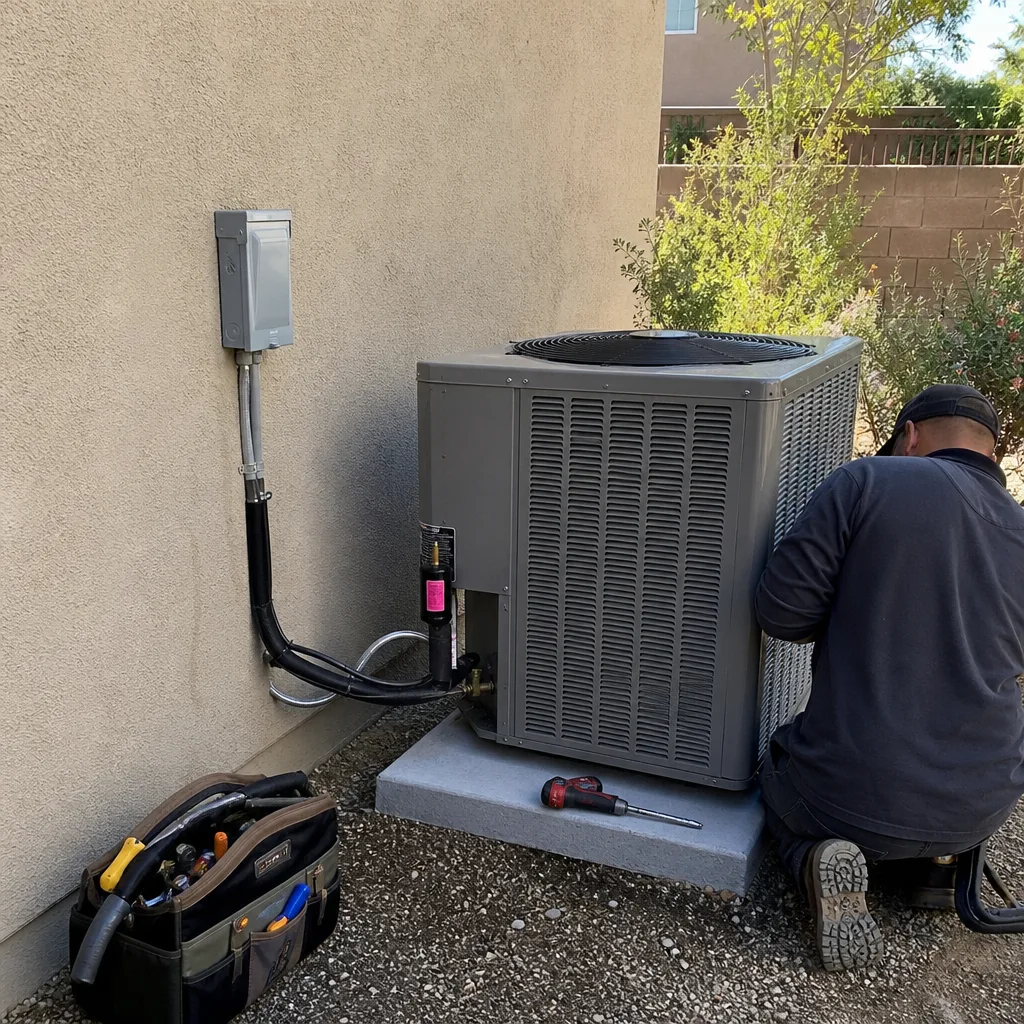
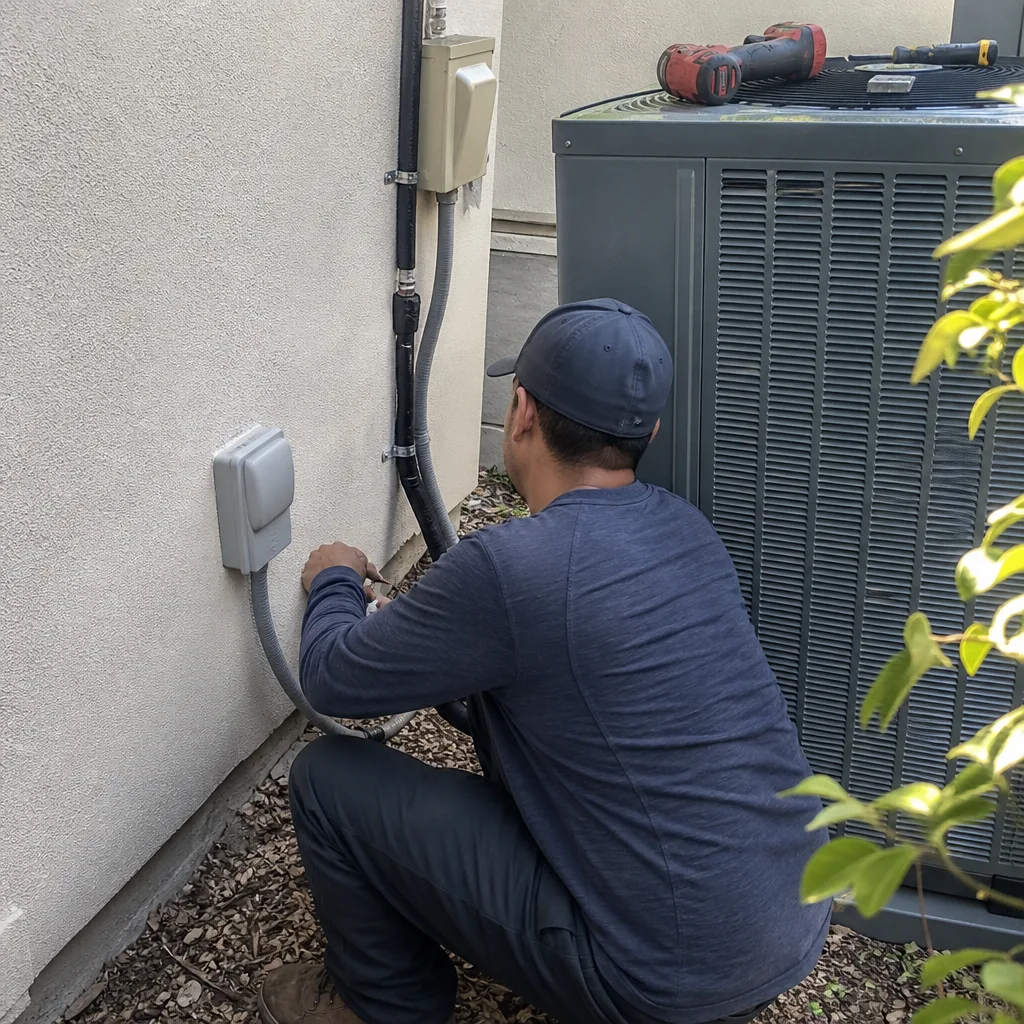
- HVAC system replacement in certain configurations. A full split-system changeout that involves new refrigerant lines requires a C-20 license. The refrigerant itself is regulated by the EPA, and California adds its own refrigerant-management rules on top.
- Roofing beyond minor repair. Replacing more than a small patch of roof covering generally requires a C-39 roofer. Riverside’s hot, dry summers and occasional Santa Ana wind events mean roof failures are common and inspectors are particular about the permit history.
The “do it myself” instinct is real; we respect it. But for these trades, the law doesn’t care about your ability. It cares about the license number, the permit, and the inspection. No degree of craftsmanship replaces a C-10 license on a panel swap.
Insurance Exposure: What Your Homeowner’s Policy Won’t Cover
Most homeowners do not crack open their policy’s exclusions section before starting a remodel. That is a mistake with real dollar figures attached. Standard homeowner’s insurance in California treats unpermitted or owner-improvised work as a coverage question worth asking about before, not after, the claim.
Here’s the pattern. You decide to move a wall during your DIY remodel. You pull the permit, do the work, and close the permit. Six months later a plumbing leak soaks the same wall. The adjuster asks to see the permit history. You have it, so the claim proceeds. Now change one variable: you never pulled the permit because the wall “wasn’t load-bearing.” The leak happens anyway. The adjuster finds unpermitted structural work, and now the insurance company has grounds to deny the claim based on the policy’s concealment or material-misrepresentation clause. Some policies are more generous; none are designed to cover owners who skip the legal process.
Riverside’s soil conditions add another layer. Expansive clay is common across the city. Foundation work, even minor slab repairs, performed without a permit and without a licensed contractor’s documentation can become a disclosure problem and an insurance problem simultaneously. We’ve seen homeowners in the Arlington and La Sierra neighborhoods pay twice for the same foundation issue: once for the unpermitted fix, and again for the licensed repair when the first work failed inspection after the fact.
The rule is straightforward: if the work requires a permit, and you perform it without one, your insurer has a reason to deny the resulting claim. If the work requires a licensed contractor and you do it yourself anyway, your insurer has two reasons.
The Hidden Cost Categories DIY Calculators Omit
Online cost calculators give you the material total for a kitchen remodel. They don’t give you the tool rental, the waste percentage, the rework from permit corrections, or the schedule drag across interconnected trades. In Riverside, these hidden categories consistently run 20 to 35 percent of the materials budget, and they hit DIY projects harder than professional ones.
- Tool rental and acquisition. A tile saw rents for $60 to $90 per day in Riverside. A dumpster for a kitchen gut costs $350 to $550 including tonnage fees. A drywall lift rents around $40 per day. A homeowner doing a four-week kitchen remodel will spend $800 to $1,500 on tools and disposal before a single cabinet goes in.
- Material waste percentage. Professional trades routinely engineer for 10 percent waste on tile, 15 percent on drywall, and 5 to 8 percent on lumber. A first-time DIYer should budget 20 percent or higher on tile and 12 percent on lumber. That is not incompetence; that is learning curve, and it costs money.
- Permit correction costs. When a Riverside inspector writes a correction notice on an owner-builder permit, the homeowner fixes the issue on their own time and pays for a re-inspection, currently around $100 to $180 per visit depending on the permit class. Licensed contractors see fewer corrections because their work passes inspection more often the first time. The inspection cycle favors experience.
- Schedule drag on interconnected trades. A kitchen remodel touches plumbing, electrical, drywall, and finish carpentry. A homeowner who takes two weekends to rough in the plumbing stalls the electrician, the drywaller, and the cabinet installer. The project’s calendar stretches, and every week of delay costs whatever the homeowner could have earned or saved doing something else.
None of these categories appear on the average “cost to remodel a kitchen” calculator. They are the real reason DIY projects routinely cost more than the written estimates from licensed contractors, even when the labor is free.
How Riverside Building & Safety Treats Owner-Builder Permits
Riverside’s Building & Safety Division processes both owner-builder permits and contractor-pulled permits under the same California Building Code. The code does not change based on who holds the permit. What changes is the pattern of correction notices.
Owner-builder permits in Riverside generate more corrections, and they generate them on the same categories every time: electrical rough-in, shear-wall nailing patterns, and water-heater strapping. These are not judgment calls. They are code sections with specific measurements, and inspectors do not flex on them. A licensed electrician knows the rough-in spacing from repetition; a homeowner reading the code for the first time is likely to miss one.
Riverside also treats the final inspection differently. On a contractor-pulled permit, the final is often a verification visit: the work matches the approved plans, the site is safe, and the inspector signs off. On an owner-builder permit, the inspector is legally confirming that the person who signed the attestation actually performed the work. That is a different standard. If you, as the owner, cannot explain how the plumbing was run or where the electrical panel is grounded because a day laborer did it, the inspector will notice. The correction goes on the record.
For homeowners inside Riverside city limits, the permit counter is in the same building as the building official’s office. The process is not adversarial. It is just specific. And specificity rewards people who do this work daily, not once a decade.
The Decision Framework: Three Attributes Each Direction
We tell homeowners in Riverside to run every potential DIY project through three tests. If your project hits all three of the first list, do it yourself with confidence. If it hits any of the second list, get a licensed contractor involved before you buy materials.
Three attributes that point toward DIY:
- No permit required. Riverside does not require a permit for painting, trim work, cabinet hardware replacement, flooring installation over an existing subfloor, or cosmetic fixture swaps. No permit means no inspection means no legal risk. This is the DIY sweet spot.
- Reversible if done wrong. A bad paint job gets painted over. Bad cabinet pulls get replaced. Bad landscaping gets redone. Projects where the cost of failure is measured in a weekend and a couple hundred dollars favor the homeowner’s learning curve.
- No schedule dependency. If you can stop mid-project for two weeks and nothing else on the house waits on you, the calendar pressure disappears. A guest-bath repaint has no dependencies. A kitchen rough-in has four trades waiting on your progress.
Three attributes that point toward a licensed contractor:
- The permit is mandatory. Structural work, electrical panel changes, gas line modifications, HVAC replacement, and roof replacements all require permits in Riverside. Pulling the permit as an owner-builder is legal, yes, but signing that attestation also signs you up for inspection scrutiny and the five-year resale disclosure. If the permit is mandatory, so is the decision process.
- The work is dangerous to fail. Electrical faults cause fires. Gas leaks cause explosions. Structural mistakes cause collapses. Sheetrock that hides a botched rough-in becomes a five-figure fix later. When the consequence of a mistake is physical harm or concealed damage, the professional is the only rational choice.
- You plan to sell within five years. Riverside’s market rewards permitted, documented work. It penalizes owner-builder work that shows up in disclosures. If your ownership horizon is shorter than the five-year window California imposes, every DIY permit you pull becomes a future disclosure item.
Three yeses on the first list: go buy the paint. One yes on the second list: call a licensed contractor and at least get a written price to compare against your own time and risk.
Material Specifications: Where Brand Documentation Changes the Math
Professional remodelers in Riverside work from a documented material roster, not the clearance aisle at the home center. This matters more than most homeowners expect, because material failure is one of the main reasons DIY work fails within the first year. And when your DIY project fails, there is no warranty behind it but your own labor.
Consider exterior fencing. A homeowner replacing a backyard fence might grab whatever pressure-treated lumber is cheapest at the local yard. A professional contractor installing a Bradford Remodeling project specifies materials from manufacturers like ViewLux, Barrette, or Master Halco. These are fencing brands with published, tested specifications for wind load, soil contact, and fastening patterns. The difference is not aesthetic. It is documentation. When the 60-mph Santa Ana winds come through Riverside in October, a fence built to a manufacturer’s spec sheet stands a better chance than one built to a guess.
The same principle applies across trades. Cabinetry from KraftMaid or Wellborn carries a documented manufacturer warranty and published spec. Countertop surfaces from Cambria or Caesarstone are backed by the fabricator and the manufacturer. A homeowner who self-performs the install still gets the manufacturer warranty on the materials, but not on the installation. A professional contractor’s written warranty covers both. When we hand a Riverside homeowner their signed 365-Day Done Right Promise, it covers the full installation, not just the boxes the materials came in.
Documentation is the quiet difference between professional and DIY. The professional can hand you a spec sheet for every material that went into the job. The DIY project lives in the homeowner’s memory. When something fails, the person with the documentation gets it resolved.
The Resale Timeline Problem Most Guides Miss
Riverside homeowners move. Job changes, school districts, family growth: the average ownership window keeps shortening, and California’s owner-builder statute already accounts for that fact. The five-year rule is not a footnote; it is the reason the DIY question has a legal shelf life.
Here is the sequence, concretely. You buy a house in the Orangecrest neighborhood of Riverside in 2026. In 2027 you remodel the kitchen under an owner-builder permit. In 2029 you get transferred to Phoenix. At closing, you sign a seller disclosure that asks about work performed during your ownership. You answer honestly: yes, the kitchen was remodeled under an owner-builder permit. The buyer’s agent asks who performed the plumbing and electrical. You list the licensed subs you used. If you cannot list them because a handyman did the work, the deal gets shaky. This is not hypothetical; real estate agents in Riverside see this exact conversation every year.
The owner-builder route is not dishonest. It is a legitimate way to build your own home or improve it with your own hands. But it is designed for people who stay put and do the work themselves. It is not designed for the homeowner who wants the project done fast, sells soon, and never wants to think about the permit file again. If that sounds like you, the licensed-contractor route costs more up front and costs less at closing.
Common Mistakes to Avoid
- Assuming the owner-builder exemption removes the requirement for licensed trades. It doesn’t. Electrical panels, gas lines, and HVAC systems still require the appropriate California contractor’s license, full stop. Your DIY authority ends where regulated trades begin.
- Skipping the permit to save time. Riverside Building & Safety will eventually find out, usually when a neighbor reports the construction noise or a future sale triggers a permit-history review. Unpermitted work then becomes double work: remediation, re-inspection, and a disclosure problem.
- Underbudgeting for tool rental and waste. A $900 tile saw rental, $500 dumpster, and 20 percent tile waste on a small bathroom adds $1,800 to $2,400 before labor is counted. The “free labor” of DIY still buys tools, dumpsters, and extra material.
- Signing the owner-builder attestation without reading it. That document is a statement under penalty of perjury about who will perform the work. If you sign it and then pay an unlicensed handyman to do the labor, you’ve put yourself in legal exposure the statute never intended.
- Ignoring the five-year resale window. Selling inside five years turns your owner-builder remodel into a disclosure item and potentially a legal liability if the buyer can show unlicensed work. The timeline matters more than the craftsmanship.
- Trusting online cost calculators. A calculator that assumes 10 percent waste, zero tool rental, and one permit visit is not your project. Riverside inspection cycles and the learning curve will run the tab higher.
See the difference
 Before
 After
After Before
 After
After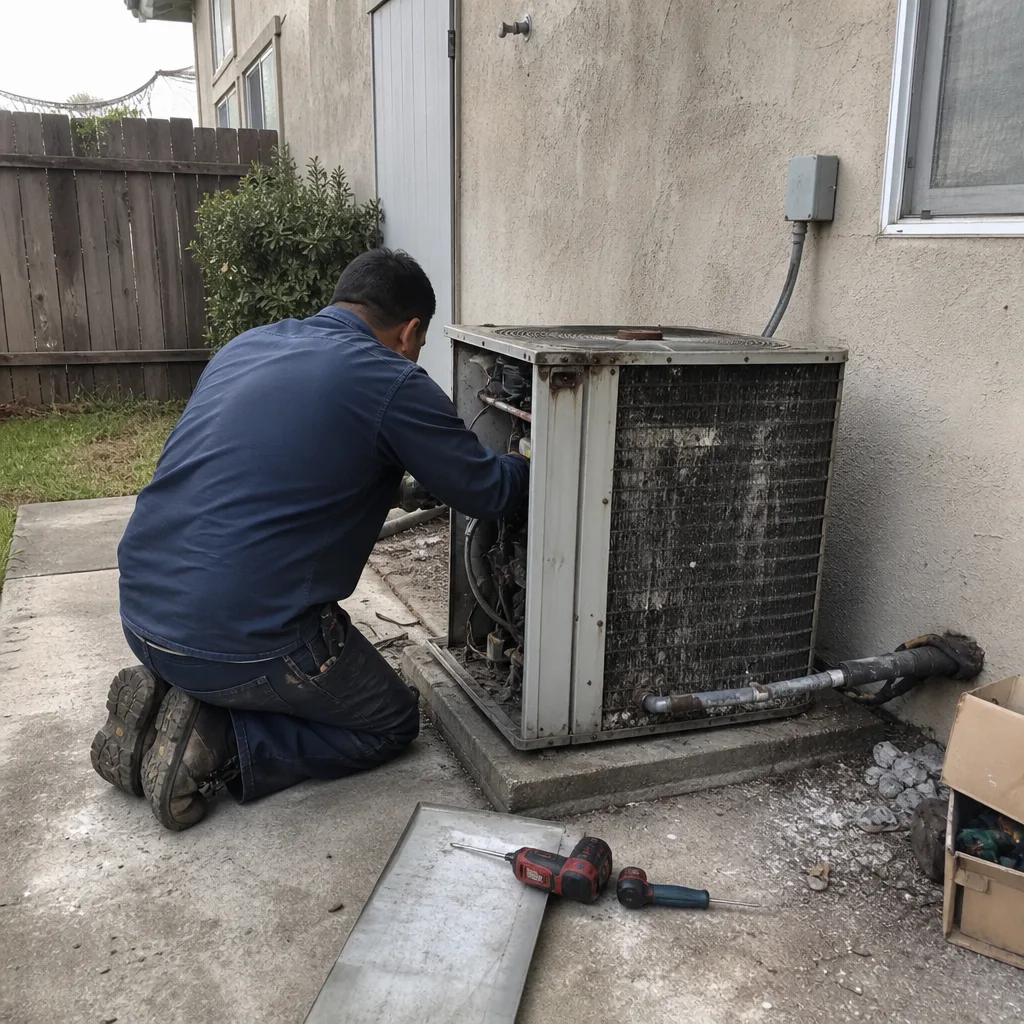 Before
 After
AfterWhen to Call a Professional
Call a professional when the permit is mandatory, the work is dangerous to get wrong, or your ownership timeline is shorter than California’s five-year owner-builder window. Our General Contractor Maintenance Checklist for Riverside Homeowners can help you stay ahead of issues before they require major work. If the project touches electrical panels, gas lines, load-bearing walls, HVAC systems, or roofing, the decision is already made for you by state law. If you’re planning to sell in the next five years and the remodel will require permits, the owner-builder attestation will follow you to closing. For everything else: paint the room, hang the hardware, lay the floor. Do it well and enjoy the savings. Bradfor d Remodeling Co Riverside offers free estimates in Riverside, and the price you get is the price you’ll see at contract: written, fixed, and covered by the 365-Day Done Right Promise. Call (424) 567-8472 to talk through your project.
Frequently Asked Questions

Yes. California’s owner-builder exemption, Business and Professions Code Section 7044, allows an owner to act as their own general contractor on their primary residence. You’ll sign an attestation at permit intake and take on the legal responsibility for anyone you hire and any work that doesn’t pass inspection.
Painting, trim work, cabinet hardware, flooring over an existing subfloor, and cosmetic fixture swaps require no permit in Riverside and are appropriate DIY territory. Anything touching structure, electrical panels, gas lines, or HVAC systems requires a permit and, for the regulated trades, a licensed contractor.
Remediation on a botched DIY electrical or plumbing rough-in typically runs $3,000 to $8,000 depending on how much finished work has to be opened up to access the problem. That’s on top of what you already spent. Call (424) 567-8472 for a written estimate if you’re facing a correction – estimates are free.
It depends on the permit history. Unpermitted structural or electrical work gives your insurer a reason to deny a later claim. Permitted work you did yourself under the owner-builder exemption is generally covered as long as the work was done to code. The safest route is a licensed contractor whose work carries a documented warranty.
A kitchen remodel performed by a Kitchen Remodeling in Riverside crew typically runs four to eight weeks depending on scope. The same project done DIY often runs four to six months because the homeowner is working evenings and weekends and the trades are scheduled around a non-professional’s calendar.
Yes. Every project we take on that requires a permit gets one, pulled by us as a licensed General Contractor in Riverside. The permit file stays with the house, the inspections are passed before we call the job done, and the 365-Day Done Right Promise covers the finished work in writing.
The Bottom Line
The DIY-versus-hire decision in Riverside is not about your skill level. It is about what the law permits you to do, what your insurer will cover, and what your future sale will disclose. California’s owner-builder exemption is real and valuable, for the work it actually covers: permitted-but-self-performed projects by people who stay in their homes and do the labor themselves. The moment the project touches a regulated trade, a mandatory permit, or a five-year resale window, the professional route stops being an opinion and becomes the only sensible math. If you’re working through a remodel decision, start with the Bradford Remodeling Co Riverside home guide to Home Remodeling in Riverside, then call (424) 567-8472 for a written estimate. No pressure, no urgency: just a real number and a clear scope, in writing, before you commit.
Written by Curtis Lane, Owner at Bradford Remodeling Co Riverside, serving Riverside since 2004.